
Why Your Business Needs a 500 LPH RO Plant in 2026
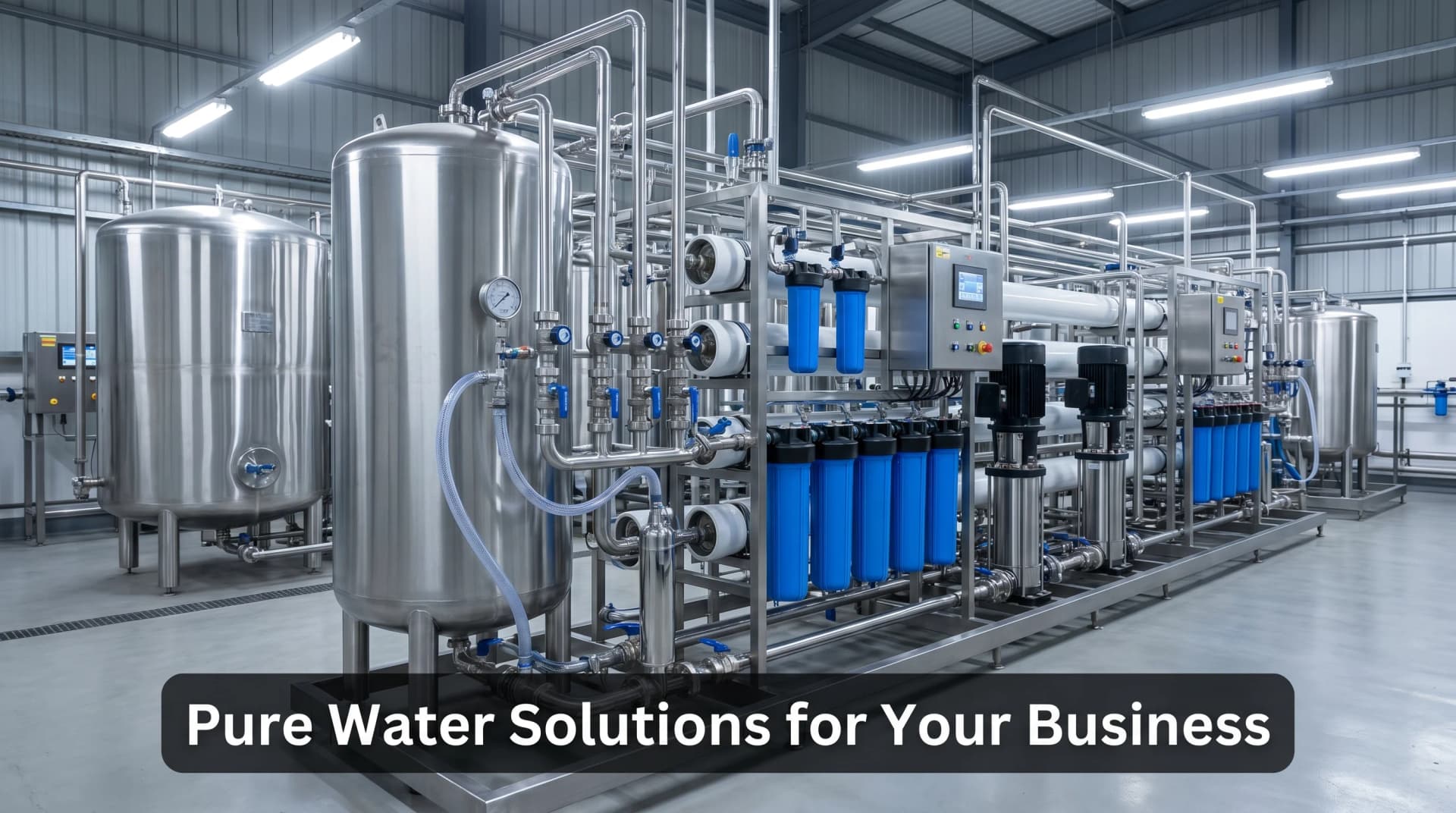
Transform Your Commercial Water Needs with Industrial Reverse Osmosis Systems
Access to clean drinking water remains one of the most critical challenges facing businesses across India today. Whether you operate a corporate office, educational institution, healthcare facility, or manufacturing unit, ensuring continuous supply of pure water for employees, customers, and operations directly impacts productivity and health outcomes. Traditional water purification methods often fall short when dealing with commercial-scale requirements, leaving businesses searching for reliable solutions that can handle substantial daily volumes.
The commercial water purification landscape has evolved dramatically over recent years, with reverse osmosis technology emerging as the gold standard for businesses requiring consistent water quality. Unlike residential systems that process merely 10 to 15 liters per hour, commercial establishments need robust equipment capable of purifying hundreds of liters hourly to meet their operational demands. This shift toward industrial-grade purification reflects growing awareness about waterborne contaminants and stricter health regulations governing workplace environments.
Industrial water treatment systems have become essential infrastructure rather than optional upgrades for forward-thinking businesses. Organizations that invest in proper water purification witness measurable improvements in employee wellness, reduced absenteeism, and enhanced reputation among clients and stakeholders. The return on investment extends beyond immediate health benefits to include long-term cost savings from eliminating bottled water purchases and reducing maintenance expenses associated with equipment corrosion caused by impure water.
For businesses operating in regions with particularly challenging water conditions, selecting the right capacity purification system becomes crucial. The size of your workforce, daily water consumption patterns, and peak usage times all factor into determining optimal system specifications. Getting this calculation right ensures uninterrupted access to purified water while avoiding unnecessary capital expenditure on oversized equipment that exceeds your actual requirements.
Understanding Commercial Water Purification Capacity Requirements
When evaluating commercial water treatment solutions, capacity stands as the primary consideration that separates residential from industrial applications. A 500 lph ro plant represents the sweet spot for mid-sized commercial establishments, processing approximately 500 liters hourly or roughly 4000 to 5000 liters across an eight-hour operational day. This capacity suits organizations with 150 to 300 employees or facilities serving similar numbers of daily visitors, making it ideal for corporate offices, schools, hospitals, restaurants, and small manufacturing units.
The capacity calculation should account for peak consumption periods rather than average usage. Morning hours when employees arrive, lunch breaks, and afternoon sessions typically witness concentrated water consumption. A system sized for average usage will struggle during these peaks, creating frustration and potentially forcing employees back to unsafe alternatives. The 500 lph ro plant handles these surges comfortably while maintaining consistent output quality throughout operating hours.
Storage capacity works in tandem with production capacity to ensure continuous availability. Most commercial systems include integrated storage tanks holding 500 to 1000 liters, buffering against demand spikes and providing reserve capacity during maintenance cycles. This combination of robust production and adequate storage creates resilience in your water supply chain, eliminating the scenarios where employees wait for purification cycles to complete before accessing drinking water.
Key Advantages Driving Commercial Adoption
Cost efficiency represents perhaps the most compelling reason businesses transition to commercial ro plant systems. Organizations spending 15000 to 25000 rupees monthly on packaged drinking water can recover their capital investment within 18 to 24 months after installing dedicated purification infrastructure. Beyond direct cost savings, eliminating plastic bottle waste aligns with corporate sustainability goals increasingly valued by customers, investors, and regulatory bodies.
Water quality consistency achievable through reverse osmosis technology surpasses alternatives like UV purification or activated carbon filtration alone. The semi-permeable membranes employed in these systems remove dissolved solids, heavy metals, pesticides, fluoride, nitrates, and microbiological contaminants with efficiency ratings exceeding 95 percent. This comprehensive purification addresses the complex contamination profiles characteristic of groundwater and municipal supplies across Indian cities, delivering consistently safe water regardless of source fluctuations.
Operational reliability distinguishes professional-grade systems from consumer equipment adapted for commercial use. Purpose-built commercial units feature industrial-grade pumps, commercial membrane assemblies, and robust pre-treatment stages designed for continuous operation rather than intermittent household use. This engineering translates to longer component life, reduced downtime, and predictable maintenance schedules that facilitate proper budgeting and resource planning.
Regulatory compliance provides another significant advantage as workplace safety standards evolve. Organizations must demonstrate due diligence in providing safe drinking water to employees and visitors. Installing certified commercial purification equipment with proper documentation, regular testing protocols, and maintenance records creates verifiable compliance trails that satisfy auditors and protect organizations from liability exposure related to waterborne illness incidents.
Critical Applications Across Industry Sectors
Healthcare facilities represent high-stakes environments where water quality directly impacts patient outcomes. Hospitals, clinics, diagnostic laboratories, and dental practices require purified water for drinking, equipment sterilization, medication preparation, and dialysis applications. A ro plant service maintaining commercial systems in these settings must adhere to stringent protocols ensuring uninterrupted operation and meeting medical-grade water specifications.
Educational institutions from schools to universities serve hundreds or thousands of students daily, creating substantial water consumption requirements. Providing safe drinking water protects student health while eliminating the logistical challenges of managing bottled water distribution across sprawling campuses. The 500 lph capacity matches typical requirements for institutions with 200 to 400 students and staff, scaling appropriately for facilities in this range.
Hospitality businesses including hotels, restaurants, cafes, and catering operations depend on water quality for food preparation, beverage service, and guest amenities. Beyond health considerations, water quality affects taste profiles in prepared foods and beverages, directly influencing customer satisfaction. Commercial purification systems deliver the consistent quality professional kitchens require while handling the substantial volumes hospitality operations demand.
Manufacturing and industrial facilities utilize purified water in production processes, equipment cooling, and employee welfare. Industries producing pharmaceuticals, electronics, food products, and cosmetics require process water meeting specific purity standards. Installing appropriate commercial systems satisfies these technical requirements while simultaneously addressing employee drinking water needs through the same infrastructure investment.
Selecting Reliable Service Partnerships
Service quality determines long-term satisfaction and system performance more significantly than initial purchase specifications. A commercial ro plant requires professional maintenance every three to four months, including pre-filter replacement, membrane cleaning, sanitization, and performance testing. Organizations seeking a ro plant in gurgaon or other major cities should prioritize service providers demonstrating technical expertise, rapid response capabilities, and comprehensive maintenance programs rather than simply lowest initial pricing.
Preventive maintenance contracts typically cost 12000 to 18000 rupees annually for 500 lph systems, covering routine service visits, consumable replacements, and emergency support. This investment prevents costly breakdowns, extends equipment lifespan, and maintains optimal water quality throughout the system's operational life. Establishing clear service level agreements specifying response times and performance guarantees protects your organization against extended downtime that disrupts operations.
Genuine spare parts availability separates professional service providers from opportunistic operators. Commercial systems utilize specialized membranes, high-pressure pumps, and electronic controllers that require manufacturer-approved components for proper performance. Service partners maintaining adequate spare parts inventory and relationships with reputable suppliers ensure quick repairs without compromising system integrity through substandard substitutions.
Technical expertise matters substantially in commercial applications where systems operate continuously under demanding conditions. Qualified technicians should demonstrate knowledge of water chemistry, membrane technology, pump mechanics, and electronic controls. During provider evaluation, request technician certifications, ask detailed technical questions about your water challenges, and verify their experience with installations matching your capacity requirements.
Finding Optimal Solutions for Your Location
Regional water quality variations across India necessitate customized system configurations rather than one-size-fits-all solutions. Businesses seeking a ro plant in gurgaon face different challenges than organizations in Chennai, Mumbai, or Kolkata due to varying groundwater characteristics, municipal treatment protocols, and seasonal fluctuations. Local service providers familiar with regional water profiles recommend appropriate pre-treatment stages and membrane selections optimized for area-specific conditions.
Water testing forms the foundation of proper system specification. Comprehensive analysis measuring TDS levels, hardness, iron content, chlorine levels, and microbiological parameters guides equipment selection and configuration decisions. Reputable providers conduct detailed water testing before proposing solutions, ensuring recommendations address your actual contamination profile rather than generic assumptions about water quality.
Installation site conditions influence system design and component selection. Available space, electrical supply specifications, water pressure levels, drainage provisions, and ambient temperature ranges all impact equipment configuration. Professional site surveys identify these variables before installation, preventing costly modifications when equipment arrives and ensuring optimal placement for operational efficiency and maintenance accessibility.
Conclusion
Commercial water purification represents essential infrastructure for modern businesses committed to employee welfare, operational excellence, and regulatory compliance. The substantial capacity, cost efficiency, and reliability of properly specified systems deliver measurable returns through reduced bottled water expenses, improved workplace health, and enhanced corporate reputation. Organizations investing in quality equipment supported by professional ro plant service position themselves for sustained success while contributing to broader sustainability objectives. As water quality challenges intensify across Indian cities and workplace standards continue evolving, businesses that act decisively to implement robust purification infrastructure gain competitive advantages that extend far beyond simple compliance, creating healthier, more productive environments where people and operations thrive.
FAQ
Q - What size business or facility is best suited for a 500 LPH RO plant?
A - A 500 LPH (liters per hour) reverse osmosis plant is ideally suited for mid-sized commercial establishments with 150 to 300 employees or facilities serving similar numbers of daily visitors. This includes corporate offices, educational institutions, medium-sized hospitals, restaurants, and small manufacturing units. The system can process approximately 4000 to 5000 liters during an eight-hour operational day, making it perfect for organizations that need substantial purified water but don't require industrial-scale capacity. When determining if this capacity fits your needs, consider your peak consumption periods rather than just average usage throughout the day.
Q - How does investing in a commercial water purification system benefit my business financially?
A - Installing a commercial water purification system delivers significant long-term cost savings despite the initial capital investment. Businesses eliminate ongoing expenses associated with purchasing bottled water for employees and clients, which can represent substantial monthly expenditure for organizations with larger workforces. Additionally, purified water reduces equipment corrosion and scaling in appliances like coffee machines, water dispensers, and manufacturing equipment, lowering maintenance and replacement costs. The system also contributes to reduced employee absenteeism due to waterborne illnesses, indirectly improving productivity and reducing costs associated with sick leave.
Q - What factors should I consider when calculating the right capacity for my organization's water purification needs?
A - Determining the correct capacity requires analyzing several operational factors specific to your business. Consider your total workforce size and daily visitor count, as these directly impact water consumption volume. Evaluate your consumption patterns throughout the day, paying special attention to peak usage times like morning arrivals, lunch breaks, and afternoon sessions when demand spikes. Account for specific operational needs beyond drinking water, such as food preparation in restaurants or manufacturing processes that require purified water. It's better to base calculations on peak demand rather than average usage to ensure uninterrupted supply during high-consumption periods.
Q - Why has reverse osmosis become the preferred water purification technology for commercial establishments?
A - Reverse osmosis has emerged as the gold standard for commercial water purification because it effectively removes a wide range of waterborne contaminants while handling substantial volumes consistently. Unlike traditional purification methods that may struggle with commercial-scale requirements, modern systems can process hundreds of liters hourly while maintaining consistent water quality. This technology addresses growing concerns about waterborne contaminants and helps businesses comply with stricter health regulations governing workplace environments. The reliability and efficiency of these systems make them essential infrastructure for organizations committed to employee wellness and maintaining high operational standards.
Discover how a 500 LPH RO plant transforms water management for mid-sized enterprises by delivering consistent purification capacity that serves 200-500 people daily. Learn more about advanced filtration stages that remove 99% of contaminants, automated monitoring systems that reduce maintenance costs, and modular designs that adapt to your facility's growth requirements without infrastructure overhaul.