
Which is the Best 250 LPH RO Plant for Home & Commercial Use in 2026
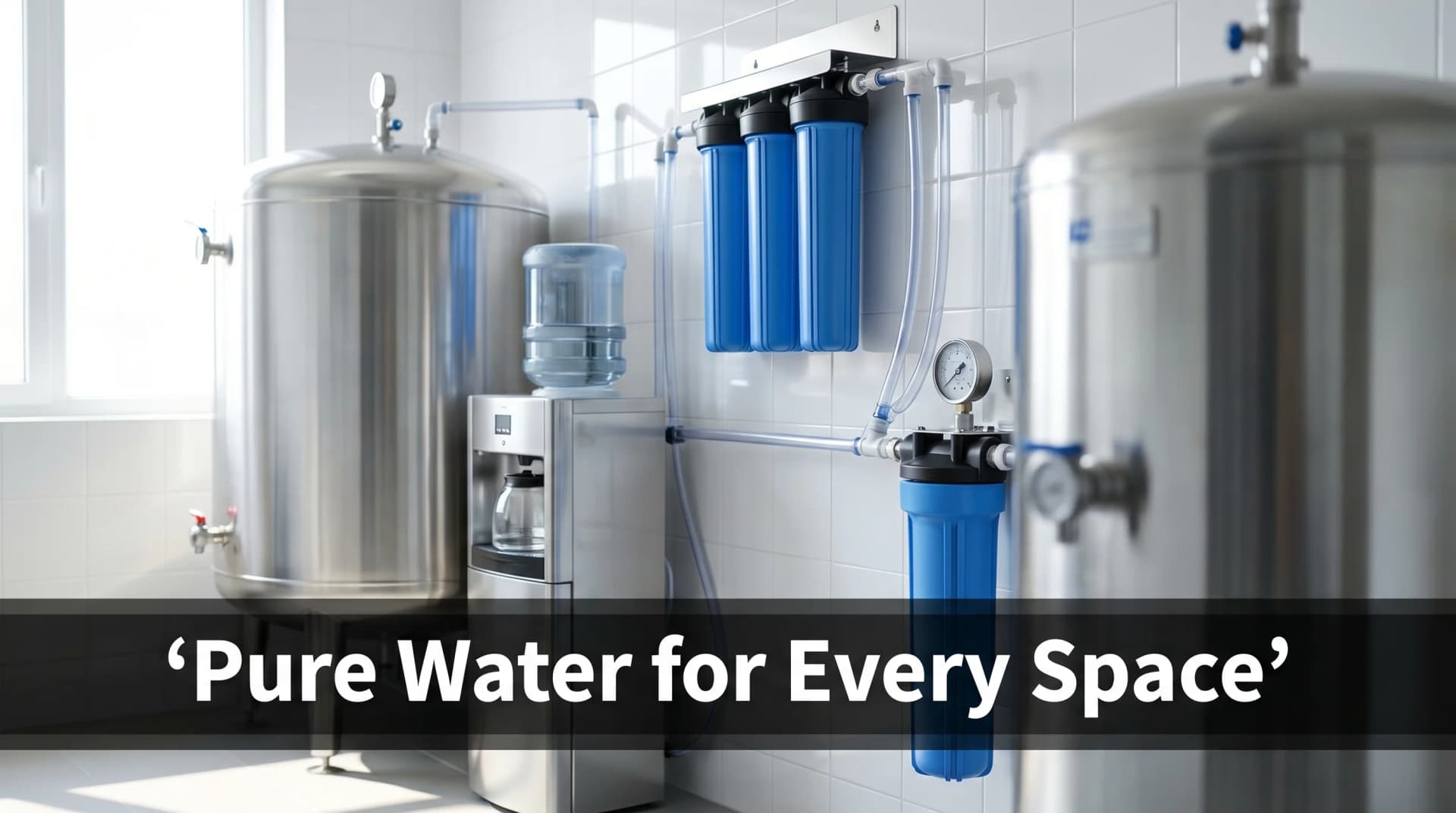
Choosing the Perfect 250 LPH Water Purification System for Your Space
Water purification has become a necessity rather than a luxury in modern India. Whether you are running a small restaurant, managing an apartment complex, or overseeing a corporate office, access to clean drinking water is non-negotiable. The growing concerns about water contamination, particularly in urban areas, have made commercial water purification systems essential infrastructure for both residential and commercial establishments. When it comes to medium-scale requirements, understanding which purification capacity suits your needs becomes crucial.
The quality of municipal water supply varies significantly across different regions of India. In cities experiencing rapid urbanization, groundwater contamination from industrial runoff and excessive TDS levels present serious health challenges. Many households and businesses find themselves caught between inadequate smaller units and oversized industrial systems. This is where medium-capacity purification solutions fill a critical gap, offering the perfect balance between performance and practicality for establishments serving 50 to 150 people daily.
Finding the right ro plant involves more than just picking a random model from the market. Your decision should factor in water quality parameters specific to your location, space availability for installation, maintenance accessibility, and long-term operational costs. In metropolitan areas where water quality fluctuates seasonally, having a reliable commercial-grade purification system ensures consistent access to safe drinking water regardless of external conditions. The investment in a quality ro plant near me becomes a long-term health and operational decision rather than a mere purchase.
For those searching for a ro plant in gurgaon or similar urban centers, the challenge often lies in navigating through countless options without clear guidance. Understanding the technical specifications, actual capacity requirements, and operational efficiency of a 250 lph ro plant helps make informed decisions that serve your establishment well for years. This comprehensive guide breaks down everything you need to know about selecting the most suitable water purification system for your specific requirements.
Understanding the 250 LPH Capacity and Its Applications
The 250 LPH capacity designation refers to a system capable of purifying 250 liters of water per hour under standard operating conditions. This translates to approximately 6,000 liters of purified water in a 24-hour cycle when running continuously. For practical applications, this capacity comfortably serves small to medium commercial establishments, multi-family residences, educational institutions with 50 to 100 students, or office spaces with up to 150 employees.
When evaluating a 250 lph ro plant, understanding actual versus rated capacity becomes important. The rated capacity assumes optimal feed water conditions, proper pre-treatment, and consistent pressure. Real-world performance often delivers 70 to 85 percent of rated capacity depending on source water TDS levels, temperature variations, and membrane condition. During peak summer months when water temperature rises, purification rates typically improve compared to winter operations.
Commercial establishments benefit significantly from this capacity tier because it eliminates the constant refilling cycles associated with smaller domestic units while avoiding the space and power requirements of larger industrial systems. A properly sized 250 lph ro plant provides continuous water availability during business hours without storage tank overflow or supply shortages. Restaurants serving 80 to 120 customers daily, boutique hotels with 15 to 25 rooms, or dental clinics requiring sterile water find this capacity ideal for their operations.
The installation footprint for systems in this capacity range typically measures between 3 to 5 square feet, making them suitable for utility rooms, basements, or dedicated equipment areas. Unlike smaller under-counter units, these systems require proper drainage, dedicated electrical connections, and adequate ventilation for optimal performance. When searching for an ro plant near me with this specification, ensure your premises can accommodate these basic infrastructure requirements.
Key Technical Features That Define Quality Systems
Advanced multi-stage filtration forms the backbone of effective water purification at this capacity level. Quality systems incorporate sediment filters, activated carbon blocks, antiscalant dosing systems, and high-rejection thin-film composite membranes. The sediment pre-filters remove particulate matter above 5 microns, protecting downstream components from premature clogging and extending membrane lifespan significantly.
Membrane quality directly impacts both purification efficiency and operational costs. Superior membranes achieve 95 to 98 percent rejection rates for dissolved solids while maintaining water recovery ratios between 45 to 55 percent. This recovery ratio determines how much feed water becomes purified output versus concentrate waste. Higher recovery ratios reduce water wastage, which becomes economically significant when processing 250 liters hourly throughout the year.
Automation features distinguish commercial-grade systems from basic residential models. Automatic flush cycles prevent membrane fouling by periodically clearing accumulated concentrate from membrane surfaces. Low-pressure cutoff switches protect pumps from dry-running damage when feed supply interrupts. High-pressure switches prevent system over-pressurization that could damage membranes or housing components. When evaluating an ro plant in gurgaon or any location with inconsistent municipal supply, these automation features prove invaluable for unattended operation.
Energy efficiency considerations affect long-term operational economics substantially. Systems equipped with energy recovery devices or optimized pump configurations reduce power consumption by 20 to 35 percent compared to conventional designs. For establishments operating purification systems 12 to 18 hours daily, these efficiency gains translate to measurable savings on monthly electricity bills while reducing environmental impact.
Installation and Location Considerations
Proximity to the point of consumption significantly influences system efficiency and user convenience. Installing your ro plant within 20 to 30 feet of primary usage areas minimizes piping requirements, reduces pressure loss, and decreases the possibility of post-purification contamination. Commercial kitchens benefit from dedicated purified water taps at cooking stations, beverage preparation areas, and dishwashing zones connected to a centrally located purification system.
Source water quality assessment before installation prevents costly mistakes and ensures optimal system configuration. Professional water testing reveals TDS levels, hardness, chlorine content, iron concentration, and microbial contamination levels. A 250 lph ro plant designed for 500 ppm feed water performs poorly when supplied with 2,000 ppm groundwater without appropriate pre-treatment modifications. Testing costs represent a small fraction of system investment while preventing performance disappointments.
Electrical requirements for systems at this capacity typically demand dedicated 15-ampere circuits with proper earthing for safety and performance. Voltage fluctuations common in many Indian localities necessitate installing voltage stabilizers to protect sensitive electronic controllers and pump motors. The combination of proper electrical infrastructure and clean power supply extends equipment lifespan and reduces service calls significantly.
Drainage provisions often receive insufficient attention during installation planning. Systems operating at 250 liters hourly with 50 percent recovery ratios generate approximately 250 liters of concentrate waste during the same period. This concentrate requires proper drainage to municipal sewage lines or designated disposal areas. Inadequate drainage causes system shutdowns, overflow situations, and potential water damage to surrounding areas.
Different System Configurations Available
Cabinet-mounted integrated systems house all components within a single enclosure, offering the most compact installation footprint. These turnkey solutions arrive pre-assembled with internal plumbing, making installation straightforward for qualified technicians. The enclosed design protects components from dust and physical damage while presenting a professional appearance suitable for visible installations in offices or customer-facing areas.
Modular rack-mounted configurations separate components across multiple frames, allowing flexible spatial arrangements to fit irregular utility spaces. This design facilitates easier component access for maintenance and allows staged capacity expansion by adding parallel membrane housings. Establishments anticipating future growth appreciate the scalability modular systems provide without requiring complete replacement.
Wall-mounted compact variants minimize floor space occupation, ideal for premises with limited utility areas. These vertical designs position pumps, filters, and membranes in stacked arrangements secured to structural walls. While offering space advantages, wall-mounted systems require sturdy mounting surfaces capable of supporting total system weight including water-filled components.
Skid-mounted industrial-style systems feature heavy-duty construction with components mounted on steel frames. These robust configurations withstand demanding commercial environments and facilitate relocation if business premises change. The open frame design provides superior component accessibility for maintenance while clearly displaying operational status through visible gauges and indicators.
Making Your Final Selection
Choosing the most appropriate ro plant requires balancing immediate needs against long-term operational considerations. Calculate your actual daily water consumption during peak periods and add 20 to 30 percent buffer capacity to prevent supply shortages during high-demand situations. A 250 lph ro plant operating 10 hours daily provides approximately 2,500 liters, sufficient for most medium-scale applications without continuous operation.
Warranty coverage and after-sales service availability deserve careful evaluation before purchase. Comprehensive warranties covering pumps, membranes, and electronic components for 12 to 24 months indicate manufacturer confidence in product quality. More importantly, verify that authorized service centers operate within your locality, ensuring timely maintenance and spare parts availability throughout system lifespan.
Cost analysis should encompass total ownership expenses rather than just initial purchase price. Factor in annual membrane replacements, filter cartridge changes, electrical consumption, and preventive maintenance contracts. Systems with slightly higher upfront costs often deliver better long-term value through superior efficiency, longer component lifespans, and lower consumable expenses.
Whether you need an ro plant in gurgaon, Mumbai, Bangalore, or any Indian city, prioritizing quality over price alone ensures reliable performance and safe drinking water for years ahead. Investing in a properly specified and professionally installed 250 lph ro plant protects health, enhances operational efficiency, and demonstrates commitment to providing safe water for everyone who depends on your establishment.
FAQ
Q: What is the ideal water consumption scenario for a 250 LPH purification system?
A: A 250 LPH system works best for establishments serving 50 to 150 people daily, such as small restaurants, apartment complexes, or corporate offices. This capacity can produce approximately 6,000 liters of purified water in a 24-hour cycle under continuous operation. For practical purposes, it comfortably handles medium-scale requirements where smaller domestic units fall short but full industrial systems would be excessive. The system is particularly suitable for locations with fluctuating water quality where consistent purification capacity ensures uninterrupted access to safe drinking water.
Q: How does location affect the choice of water purification system in urban areas?
A: Urban locations experience varying municipal water quality based on groundwater contamination, industrial runoff, and seasonal fluctuations in TDS levels. Cities undergoing rapid urbanization often face more severe water quality challenges that require commercial-grade purification systems. Your location determines specific water quality parameters that influence system selection, including required pre-treatment stages and membrane types. Understanding your area's water characteristics helps ensure the chosen system can handle local contaminants effectively while maintaining optimal performance throughout the year.
Q: What factors should be considered beyond just the capacity rating when selecting a purification system?
A: Beyond capacity, you should evaluate water quality parameters specific to your location, available installation space, and accessibility for regular maintenance. Long-term operational costs including electricity consumption, membrane replacement frequency, and water wastage rates significantly impact total ownership expenses. The rated capacity assumes optimal conditions, but real-world performance depends on feed water quality, consistent pressure, and proper pre-treatment. Space constraints in commercial settings may require compact designs while still delivering the necessary purification volume for your establishment's daily requirements.
Q: Why is a medium-capacity system considered better than multiple smaller units for commercial use?
A: Medium-capacity systems offer operational efficiency and cost-effectiveness that multiple smaller units cannot match for commercial applications. A single 250 LPH system requires less installation space, simplified maintenance schedules, and centralized monitoring compared to managing several domestic units. Commercial-grade systems are built with more durable components designed for continuous operation, whereas domestic units face premature wear under heavy usage. The consolidated approach also ensures consistent water quality across your establishment and reduces the complexity of spare parts inventory and technician training for maintenance staff.
Discover how 250 LPH RO plants deliver reliable purification for homes and businesses across India. Learn more about capacity planning, multi-stage filtration technology, and maintenance requirements that ensure consistent water quality. Explore further into TDS reduction capabilities, energy efficiency ratings, and space considerations to make an informed decision for your specific needs.