
500 LPH RO Plant for Commercial Use – Complete Guide 2026
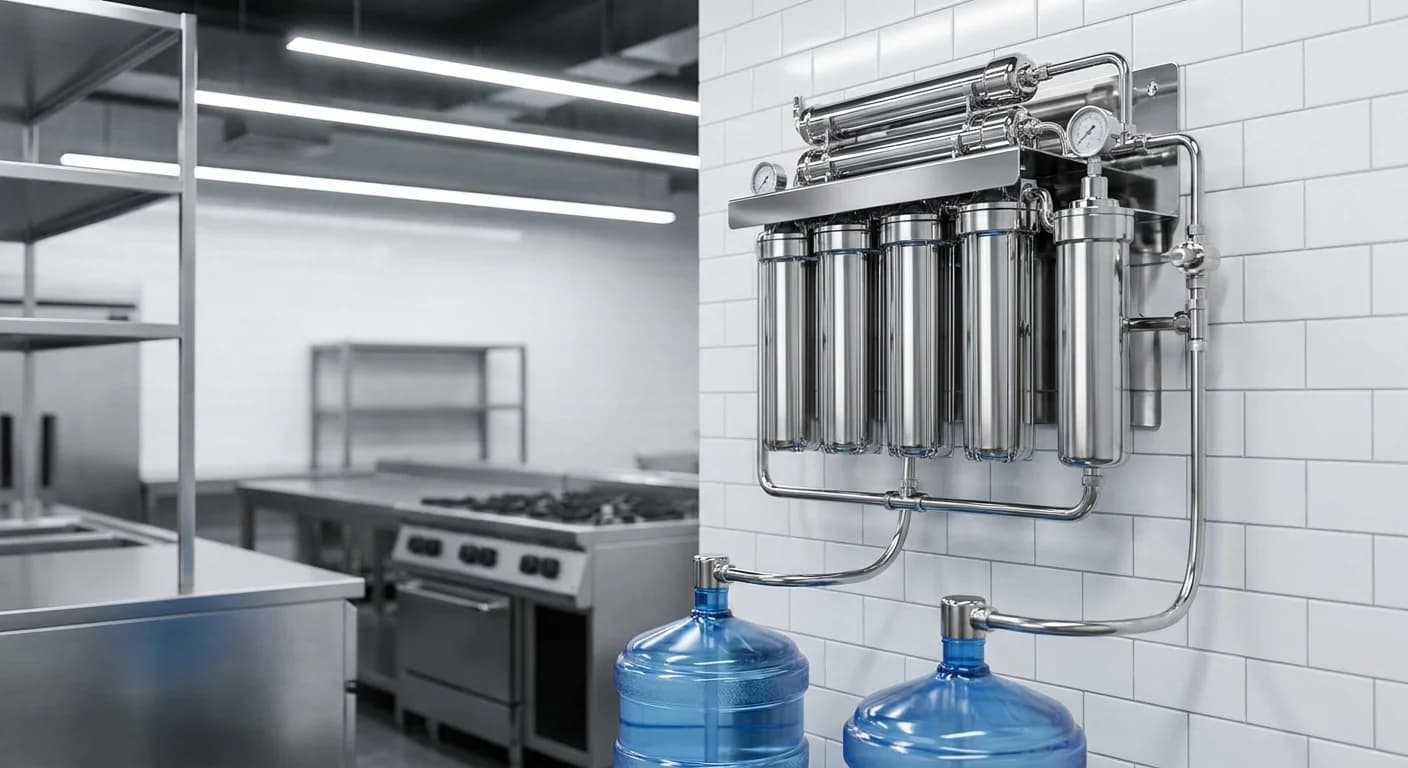
Everything You Need to Know About Choosing the Right Water Purification System for Your Business
Clean water is no longer a luxury but a fundamental requirement for businesses across India. Whether you run a restaurant, hotel, hospital, or manufacturing unit, ensuring access to safe drinking water for your staff and customers is paramount. The growing concern over waterborne diseases and contamination has pushed businesses to invest in reliable water treatment solutions. Among the various options available, reverse osmosis technology stands out as the most effective method for removing dissolved impurities, bacteria, and harmful chemicals from water. As businesses expand and water quality concerns intensify, understanding commercial water treatment systems becomes crucial for making informed investment decisions.
The demand for efficient water purification systems in commercial establishments has witnessed remarkable growth over the past decade. According to industry reports, the Indian water treatment market is expected to reach USD 8.5 billion by 2025, driven primarily by stringent quality standards and health awareness. For medium to large businesses, selecting the right capacity system requires careful evaluation of daily water consumption, peak usage hours, and future expansion plans. A properly sized RO plant ensures consistent water supply without unnecessary energy wastage or operational bottlenecks.
Modern businesses cannot afford to compromise on water quality, as it directly impacts employee health, customer satisfaction, and regulatory compliance. From food processing units requiring ultra-pure water to educational institutions serving hundreds of students daily, the need for reliable commercial water treatment solutions spans across industries. This guide will help you navigate the technical specifications, cost considerations, and selection criteria for commercial-grade water purification systems suitable for Indian conditions.
Understanding Capacity Requirements for Commercial Applications
When businesses search for water treatment solutions, capacity becomes the primary consideration. A 500 lph ro plant represents the ideal middle ground for establishments serving 200 to 500 people daily. This capacity translates to approximately 12,000 litres per day, assuming 24-hour operation, though most commercial setups operate between 10 to 16 hours daily. Hotels with 40 to 60 rooms, restaurants serving 300 to 400 customers, or office buildings housing 250 to 400 employees typically find this capacity adequate for their requirements.
The actual output of any commercial ro plant depends on several factors beyond nameplate capacity. Input water quality significantly affects performance, with high Total Dissolved Solids requiring more processing time and potentially reducing effective output. Temperature also plays a crucial role, as water purification efficiency decreases during winter months when water temperature drops below 25 degrees Celsius. Indian businesses must account for these seasonal variations when calculating their actual water needs.
Peak demand analysis proves essential before finalizing capacity specifications. A corporate cafeteria might experience 70 percent of daily water consumption within a four-hour lunch period, requiring either higher capacity systems or adequate storage tanks. Smart businesses often opt for systems with 20 to 30 percent buffer capacity above calculated requirements, ensuring uninterrupted supply during maintenance cycles or unexpected demand spikes. This approach prevents the common mistake of undersizing, which leads to water shortages and frustrated users.
Cost Analysis and Budget Planning
The ro plant cost involves multiple components that businesses must evaluate comprehensively. Initial equipment investment for medium-capacity commercial systems ranges from Rs. 1.5 lakhs to Rs. 4 lakhs, depending on automation level, membrane quality, and construction materials. Stainless steel systems command premium pricing but offer superior durability in humid environments and high-usage scenarios. The membrane configuration, whether single-pass or dual-pass, significantly impacts both purchase price and operational efficiency.
Installation expenses add another 15 to 25 percent to equipment costs, covering civil work, electrical connections, plumbing modifications, and commissioning. Businesses operating in areas with fluctuating power supply should budget for voltage stabilizers or dedicated power backup systems. Pre-treatment requirements vary dramatically based on source water quality, with bore well water often necessitating additional filtration stages compared to municipal supplies. Water testing reveals specific contaminants requiring targeted treatment, potentially adding specialized filters or softeners to the basic setup.
Operational expenses deserve careful scrutiny during budget planning. Annual maintenance costs typically range between 8 to 12 percent of equipment value, covering membrane replacement, filter changes, and preventive servicing. Electricity consumption for a medium-capacity system averages 2 to 3 units per thousand litres produced, translating to monthly power bills of Rs. 3,000 to Rs. 6,000 depending on local tariffs and usage patterns. Membrane life expectancy ranges from 2 to 4 years with proper maintenance, representing the single largest recurring expense. Businesses should request detailed operational cost projections from ro plant manufacturers before making purchase decisions, ensuring transparency about long-term expenses.
Selecting Reliable Manufacturers and Technology
The market offers numerous options from domestic and international suppliers, making manufacturer selection challenging yet critical. Established ro plant manufacturers typically provide comprehensive warranties ranging from 1 to 3 years on equipment and 6 to 12 months on consumables. Production capacity, after-sales service network, and spare parts availability should factor prominently in selection criteria. Companies with local service centers respond faster to breakdowns, minimizing costly downtime that disrupts business operations.
Technology features separate basic systems from premium offerings. Automatic flushing mechanisms extend membrane life by preventing scaling and fouling, while digital controllers enable remote monitoring and automated operations. Flow sensors, pressure gauges, and TDS meters provide real-time performance data, allowing operators to identify issues before complete failures occur. Some advanced systems incorporate water recovery optimization, increasing efficiency from standard 30 percent to impressive 50 percent levels, significantly reducing wastage.
Certification and compliance verification protects businesses from substandard equipment. Look for NSF certification, ISI marks, and compliance with Bureau of Indian Standards specifications for water treatment equipment. References from existing customers operating similar capacities provide invaluable insights into real-world performance and service quality. Manufacturers offering customization options accommodate specific requirements like space constraints, aesthetic preferences, or integration with existing plumbing infrastructure.
Types of Commercial Water Purification Configurations
Commercial establishments can choose between floor-mounted and wall-mounted configurations based on available space and aesthetic requirements. Floor-mounted systems handle higher capacities and allow easier maintenance access, while wall-mounted options save valuable floor space in compact commercial kitchens or clinics. Skid-mounted designs offer portability, beneficial for businesses operating from temporary locations or requiring relocation flexibility.
Single-stage systems provide basic purification suitable for source water with TDS below 1000 ppm, while dual-stage configurations handle challenging water conditions exceeding 2000 ppm. Ultraviolet sterilization integration adds another protection layer against biological contamination, particularly important for healthcare facilities and food processing units. Mineral addition cartridges restore essential minerals removed during purification, improving taste and addressing health concerns about demineralized water consumption.
Automated versus semi-automated systems represent another key choice. Fully automated units with programmable logic controllers reduce manual intervention and human error, ideal for businesses without dedicated technical staff. Semi-automated systems cost less initially but require trained operators for efficient functioning, suitable for establishments with maintenance personnel already on staff.
Making the Right Investment Decision
Investing in a commercial ro plant represents a significant commitment requiring thorough evaluation beyond just equipment specifications. The combination of appropriate capacity selection, realistic budget planning, credible manufacturer partnerships, and suitable technology configuration determines long-term satisfaction and return on investment. Businesses must assess their unique requirements, considering factors like water quality, user demographics, available space, and operational expertise before finalizing decisions.
The right water purification system pays dividends through improved health outcomes, regulatory compliance, enhanced reputation, and potential cost savings versus packaged water purchases. As water scarcity intensifies across Indian cities and quality concerns mount, forward-thinking businesses recognize water treatment infrastructure as essential rather than optional. By following structured evaluation processes and prioritizing quality over mere price considerations, commercial establishments can secure reliable water purification solutions that serve their needs for years to come.
FAQ
Q - What is the actual water output I can expect from a 500 LPH RO plant in real-world conditions?
A - While the nameplate capacity indicates 500 litres per hour, actual output typically ranges between 400-450 litres per hour depending on operational conditions. Factors like input water temperature, TDS levels, and water pressure significantly influence performance. During winter months when water temperature drops below 25°C, you may experience a 15-20% reduction in output. It's advisable to size your system with a 20% buffer capacity to account for these variations and ensure consistent supply during peak demand hours.
Q - How do I determine if a 500 LPH capacity is sufficient for my commercial establishment?
A - Calculate your daily water consumption by estimating per-person usage and total occupancy during peak hours. A 500 LPH system suits establishments serving 200-500 people daily, producing approximately 10,000-12,000 litres in a typical 10-16 hour operational day. Consider your business type: restaurants typically require 15-20 litres per customer, offices need 10-15 litres per employee, and hotels consume 30-40 litres per occupied room. Always factor in 25-30% additional capacity for future expansion and seasonal demand fluctuations.
Q - What are the typical installation requirements and space needed for a commercial RO plant?
A - A 500 LPH system requires approximately 80-120 square feet of floor space, including room for pre-treatment equipment, storage tanks, and maintenance access. The installation site needs adequate water supply with minimum 2-3 kg/cm² pressure, three-phase electrical connection, and proper drainage for reject water. Ensure the location has ambient temperature control between 10-40°C, protection from direct sunlight, and ventilation. Professional installation typically takes 3-5 days and includes plumbing modifications, electrical connections, and initial system testing before commissioning.
Q - What ongoing maintenance costs should I budget for a commercial RO system?
A - Annual maintenance costs typically range between 8-12% of the initial investment, covering filter replacements, membrane cleaning, and preventive servicing. Pre-filters require replacement every 3-6 months, membrane elements last 2-3 years with proper maintenance, and post-carbon filters need changing every 6-12 months. Budget for quarterly servicing by trained technicians, annual water quality testing, and electricity consumption of approximately 150-250 units monthly. Reject water management and periodic sanitization add to operational expenses, making total running costs around ₹3,000-6,000 monthly for typical usage patterns.
Investing in a 500 LPH RO plant can transform your business's water quality and operational efficiency. Learn more about capacity calculations, pre-treatment requirements, and installation best practices that ensure optimal performance for years. Explore further into maintenance schedules, regulatory compliance, and cost-benefit analysis to make an informed decision that protects both your investment and your stakeholders' health.