
Why RO Plants Are Essential for Safe Drinking Water Today
How Modern Water Purification Systems Are Transforming Public Health in India
Water contamination has emerged as one of the most pressing challenges facing Indian households and commercial establishments today. With rapid industrialization, agricultural runoff, and aging water infrastructure, the quality of drinking water has deteriorated significantly across urban and rural areas alike. According to recent reports, nearly 70 percent of India's water sources show signs of contamination with harmful bacteria, viruses, heavy metals, and dissolved salts. This alarming reality has made advanced water purification systems not just a luxury but an absolute necessity for protecting public health and ensuring access to clean drinking water.
The conventional methods of water treatment, such as boiling or basic filtration, no longer provide adequate protection against the complex array of contaminants found in modern water supplies. Chemical pollutants, pesticide residues, and dissolved salts cannot be effectively removed through traditional methods. This gap in water safety has driven millions of families and organizations to seek more sophisticated purification solutions that can address multiple contamination issues simultaneously.
Among the various water treatment technologies available today, reverse osmosis systems have gained tremendous popularity for their ability to remove up to 99 percent of dissolved solids, heavy metals, and microbiological contaminants. These systems work at the molecular level, ensuring that every drop of water meets stringent safety standards. As awareness about waterborne diseases continues to grow, the demand for reliable purification infrastructure has skyrocketed across residential, commercial, and industrial sectors throughout India.
Understanding How Advanced Purification Technology Protects Your Health
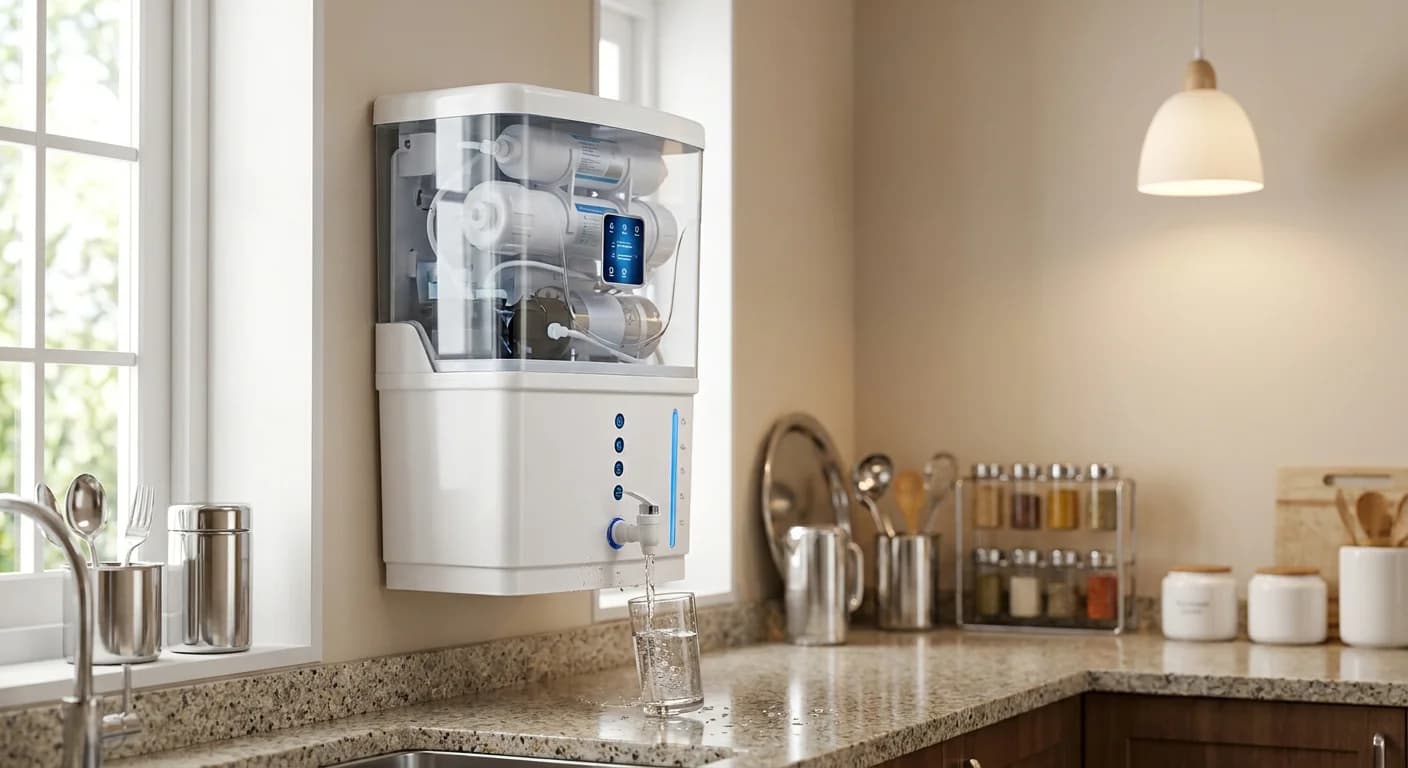
An RO Plant operates on the principle of reverse osmosis, a process that forces water through a semi-permeable membrane under pressure. This membrane has microscopic pores that allow only water molecules to pass through while blocking contaminants like lead, arsenic, fluoride, nitrates, and harmful microorganisms. The technology was originally developed for desalination purposes but has been adapted brilliantly for domestic and commercial water purification needs. The multi-stage filtration process typically includes sediment filters, activated carbon filters, the RO membrane itself, and post-treatment stages that enhance taste and mineral balance.
What makes this technology particularly valuable for Indian conditions is its ability to handle high Total Dissolved Solids levels. Many regions across northern and western India face groundwater with TDS levels exceeding 2000 parts per million, far above the acceptable limit of 500 ppm recommended by health authorities. Traditional purifiers struggle with such challenging water quality, but reverse osmosis systems effectively reduce TDS to safe levels while simultaneously removing bacterial contamination that often accompanies groundwater in densely populated areas.
The health implications of using properly installed purification systems are substantial. Studies conducted by water quality experts have documented significant reductions in waterborne diseases in communities that switched from untreated or minimally treated water to RO purified water. Conditions like cholera, typhoid, dysentery, and hepatitis A show marked decline when families consistently consume water that has undergone thorough purification. Beyond preventing acute diseases, these systems also protect against long-term health issues caused by heavy metal accumulation and excessive fluoride consumption that can lead to skeletal problems and dental fluorosis.
Choosing the Right Water Treatment Solution for Your Needs
Selecting an appropriate purification system requires careful consideration of several factors including water source quality, daily consumption requirements, available space, and maintenance capabilities. The market offers solutions ranging from compact under-counter units suitable for small families to large-scale industrial installations capable of producing thousands of liters per hour. Understanding your specific requirements helps ensure you invest in a system that delivers optimal performance without unnecessary complexity or cost.
When evaluating RO Plant Manufacturers, it becomes essential to examine their track record in terms of product quality, after-sales service, and technological innovation. Reputable manufacturers invest heavily in research and development, constantly improving membrane technology, pump efficiency, and automation features. They also provide comprehensive documentation about their manufacturing processes, quality certifications, and compliance with Bureau of Indian Standards specifications. The best manufacturers maintain transparent operations and willingly share performance data, warranty terms, and customer references that validate their claims.
Equally important is assessing Ro Plant Suppliers based on their distribution network, technical expertise, and customer support infrastructure. Reliable suppliers do not simply deliver equipment but provide end-to-end solutions including site assessment, customized system design, professional installation, and periodic maintenance services. They employ trained technicians who understand local water quality challenges and can recommend appropriate configurations. The difference between a satisfactory and excellent water purification experience often lies in the supplier's commitment to customer education and ongoing support rather than just product sales.
For residents and businesses in the national capital region, finding the Best RO Plant in Gurgaon involves researching providers who understand the specific water quality issues prevalent in this rapidly developing city. Gurgaon's water supply varies considerably between areas served by municipal connections and those dependent on borewells, with many localities experiencing high hardness levels and periodic contamination episodes. Local providers with established presence offer advantages including faster service response, better understanding of regional water chemistry, and easier access to replacement parts and consumables.
Different Categories of Purification Systems for Varied Applications
Domestic reverse osmosis units represent the most common category, designed for household consumption ranging from 50 to 200 liters per day. These compact systems fit conveniently under kitchen counters and include storage tanks to ensure water availability during power outages. They typically feature three to seven purification stages and are ideal for families of four to eight members.
Commercial installations serve offices, restaurants, educational institutions, and healthcare facilities with daily requirements between 200 to 2000 liters. These systems incorporate larger membranes, more powerful pumps, and often include UV sterilization as an additional safety layer. They are built for continuous operation and feature robust construction to withstand heavy usage.
Industrial scale plants cater to manufacturing units, bottling companies, pharmaceutical facilities, and large residential complexes requiring thousands of liters daily. These sophisticated installations include automated monitoring systems, chemical dosing for membrane protection, multi-pass configurations for maximum purity, and waste water recycling capabilities. They represent significant capital investments but deliver the highest levels of water quality consistency required for critical applications.
Securing Clean Water for Future Generations
The transition toward advanced water purification technology reflects growing awareness about the direct connection between water quality and overall wellbeing. As environmental pressures continue increasing and traditional water sources face mounting contamination challenges, investing in proven purification infrastructure becomes not just sensible but essential. Whether for protecting your family's health, ensuring your business meets safety standards, or contributing to community wellness, choosing the right water treatment solution represents one of the most important decisions you can make. The combination of reliable technology from established manufacturers, professional installation by experienced suppliers, and proper maintenance practices ensures that clean, safe drinking water remains accessible regardless of external water quality fluctuations.
FAQ
Q - Why has water contamination become such a serious problem in India recently?
A - Water contamination in India has worsened due to multiple factors including rapid industrialization, agricultural runoff containing pesticides, and deteriorating water infrastructure. Recent studies indicate that approximately 70 percent of India's water sources contain harmful bacteria, viruses, heavy metals, and excessive dissolved salts. Urban and rural areas are equally affected, making contaminated water a nationwide public health concern. Traditional water sources that were once considered safe now require advanced treatment before consumption.
Q - Can traditional methods like boiling water adequately protect against modern contaminants?
A - Boiling water and basic filtration are no longer sufficient for ensuring water safety in current conditions. While boiling kills bacteria and viruses, it cannot remove chemical pollutants, pesticide residues, heavy metals like lead and arsenic, or dissolved salts. Modern water supplies contain a complex mix of contaminants that require advanced purification technology working at the molecular level. This is why millions of households have moved beyond conventional methods to adopt more sophisticated filtration systems.
Q - What makes reverse osmosis technology effective for Indian water conditions?
A - Reverse osmosis technology is particularly suited for Indian water challenges because it can handle extremely high Total Dissolved Solids levels commonly found in groundwater. Many regions in northern and western India have TDS levels exceeding 2000 ppm, while the safe limit is 500 ppm. The semi-permeable membrane used in these systems filters contaminants at a molecular level, removing up to 99 percent of dissolved solids, heavy metals, and microbiological contaminants simultaneously. This multi-stage purification process addresses the diverse contamination issues present in Indian water sources.
Q - How does the reverse osmosis purification process actually work?
A - The reverse osmosis process forces water through a semi-permeable membrane under pressure, with microscopic pores that permit only water molecules to pass through. Contaminants like fluoride, nitrates, arsenic, lead, and harmful microorganisms are blocked and flushed away during this filtration. The complete system typically includes multiple stages: sediment filters remove larger particles, activated carbon filters eliminate chlorine and organic compounds, the membrane performs molecular-level filtration, and post-treatment stages enhance taste and mineral balance. This comprehensive approach ensures every drop meets stringent safety standards.
With water contamination affecting nearly 70% of India's sources due to industrialization and infrastructure decay, RO plants have become essential for ensuring safe drinking water. These advanced purification systems effectively remove dissolved impurities, heavy metals, and harmful microorganisms that conventional methods cannot eliminate. Learn more about how modern RO technology protects your family's health by delivering consistently pure water, addressing the critical need for reliable filtration in today's challenging environmental conditions.
Related Blogs
- Top RO Plant Manufacturers in Gurgaon | Find Best Suppliers
- Best RO Plant Company in Gurgaon: Pure Water Solutions for Homes and Businesses
- Find the Best RO Service Provider in Jaipur (2026 Guide)
- Essential Guide to RO Service in Gurgaon | What to Know First
- RO vs UV vs UF Water Purifier: Best Choice for Your Home