
Top RO Plant Manufacturers in Gurgaon | Find Best Suppliers
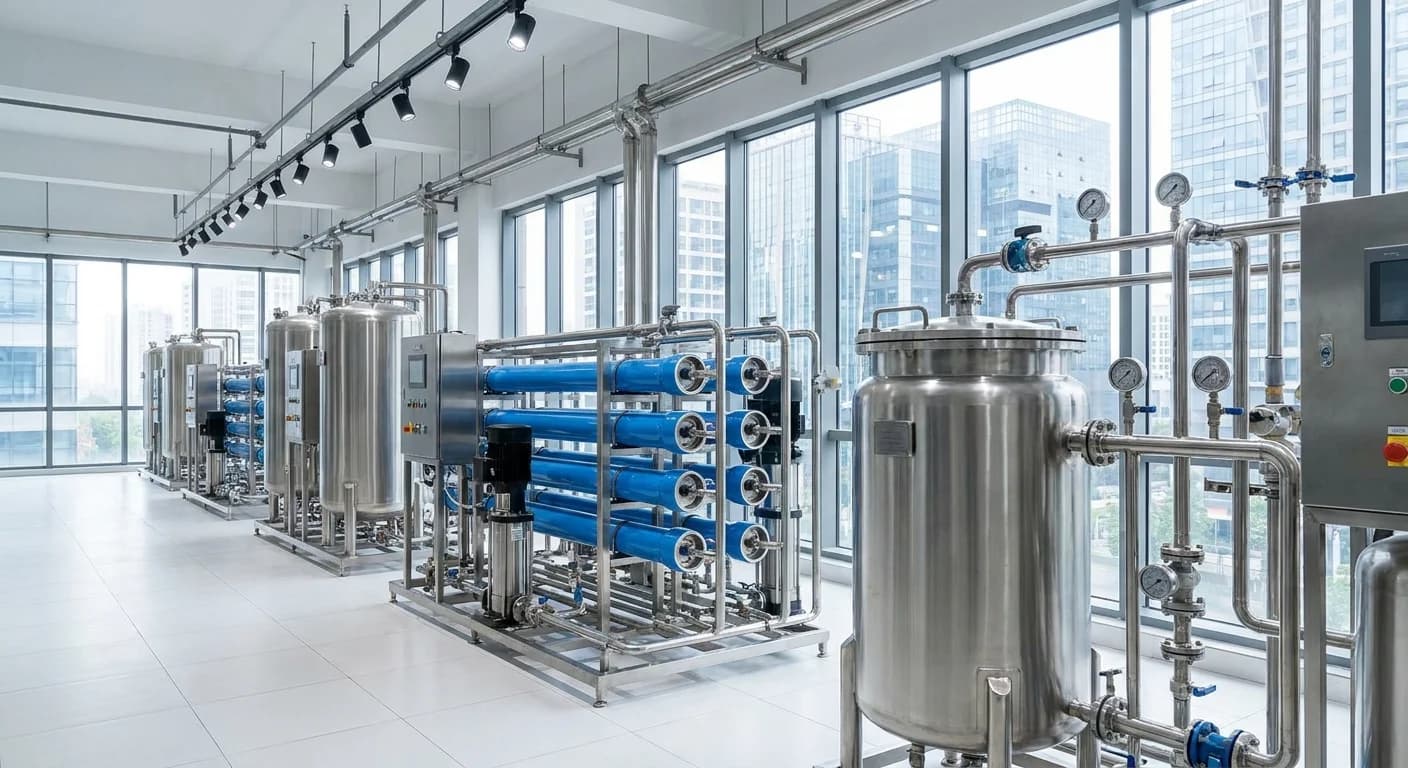
Navigating Your Way to Trusted Industrial Water Purification Solutions in Gurgaon
Clean water is not a luxury—it's a fundamental necessity for every business, institution, and commercial establishment. As Gurgaon continues its rapid transformation into one of India's most prominent industrial and commercial hubs, the demand for reliable water purification systems has skyrocketed. Whether you run a corporate office, manage a restaurant chain, operate a manufacturing unit, or oversee a residential society, finding the right water treatment solution can make all the difference to your operations and the health of those you serve.
The industrial water purification landscape in Gurgaon has evolved dramatically over the past decade. What was once a market dominated by basic filtration systems has now matured into a sophisticated ecosystem offering advanced reverse osmosis technology, customized capacity solutions, and comprehensive after-sales support. However, this growth brings its own challenges. With numerous providers claiming to offer the best solutions, how do you separate genuine quality from marketing hype? How do you ensure that your investment delivers safe water consistently for years to come?
Finding the right RO Plant involves much more than comparing price tags or looking at glossy brochures. It requires understanding your specific water quality challenges, evaluating technical specifications, assessing service capabilities, and making informed decisions based on your long-term requirements. The wrong choice can lead to frequent breakdowns, inadequate purification, mounting maintenance costs, and most critically, compromised water safety for your employees, customers, or residents.
This comprehensive guide walks you through everything you need to know about selecting industrial water purification solutions in Gurgaon. From understanding the technology and evaluating manufacturers to navigating installation requirements and ensuring ongoing maintenance, we'll cover the essential factors that separate excellent choices from regrettable ones. Whether you're making your first purchase or replacing an existing system, these insights will help you make decisions that protect both your investment and the wellbeing of everyone who depends on your water supply.
Understanding Industrial Water Purification Technology and Your Requirements
Before you begin evaluating manufacturers, you need a clear understanding of what reverse osmosis technology actually does and whether it suits your specific needs. An RO Plant uses a semi-permeable membrane that removes dissolved salts, heavy metals, bacteria, viruses, and other contaminants from water. The technology works by applying pressure to push water molecules through the membrane while blocking larger contaminant particles. This process can remove up to 99 percent of total dissolved solids, making it one of the most effective purification methods available today.
Your first step should be getting your source water tested at a certified laboratory. Gurgaon's groundwater typically contains elevated levels of TDS, often ranging between 800 to 1500 parts per million in many areas. Some localities face additional challenges like high fluoride content, iron contamination, or bacterial presence. A comprehensive water test report will reveal exactly what contaminants you're dealing with and help determine the appropriate purification capacity and technology configuration you need. Many establishments make the mistake of purchasing systems based on rough estimates rather than actual water analysis, leading to either over-investment or inadequate purification.
Capacity calculation is equally crucial. Consider not just your current water consumption but anticipated growth over the next three to five years. A typical commercial kitchen might need 500 to 1000 liters per hour, while a corporate office building could require 2000 to 5000 liters daily depending on employee strength. Educational institutions, hospitals, and manufacturing facilities often need even larger capacities ranging from 5000 to 50000 liters per day. Remember that RO Plant systems typically operate at 25 to 50 percent efficiency, meaning they produce waste water during the purification process. Factor this into your calculations to ensure the system meets your actual output requirements.
Space availability and infrastructure also play vital roles in system selection. Industrial purification systems require dedicated installation space with proper flooring, drainage facilities for reject water, electrical connections with appropriate voltage supply, and adequate ventilation. If you're operating in a high-rise building, consider water pressure requirements and whether booster pumps are needed. For ground installations, think about protection from weather elements and potential flooding. These practical considerations often get overlooked during initial planning but can significantly impact installation costs and system performance.
Evaluating Quality Standards and Manufacturing Credentials
When searching for the Best RO Plant Companies, certifications and quality standards should top your evaluation checklist. Look for manufacturers whose products carry ISI marks from the Bureau of Indian Standards, which indicates compliance with national quality benchmarks. International certifications like ISO 9001 for quality management systems, ISO 14001 for environmental management, and CE marking for product safety add further credibility. These aren't just fancy logos on brochures—they represent rigorous testing, consistent manufacturing processes, and adherence to safety protocols that directly impact the water quality you'll receive.
Manufacturing experience matters significantly in this industry. Companies with ten years or more of operating history have typically refined their designs through multiple iterations, learned from field challenges, and developed robust solutions. They've survived market cycles, adapted to changing regulations, and built the technical expertise needed to handle complex installations. Ask potential suppliers about their manufacturing facilities, production capacity, and quality control processes. Genuine manufacturers will be transparent about their operations and often welcome facility visits. If a company seems evasive about such basic information, consider it a red flag.
Component quality determines system longevity and performance consistency. The membrane is the heart of any RO Plant, and premium systems use membranes from established manufacturers with proven track records. Similarly, pre-filters, pumps, valves, control panels, and storage tanks should all meet specified quality standards. Some suppliers cut costs by using substandard components that might work initially but fail prematurely, leading to frequent replacements and higher long-term costs. Request detailed specifications about every major component, including brand names and technical ratings. Compare these across multiple quotes to identify where corners might be getting cut.
Customer references provide invaluable insights that marketing materials never reveal. When evaluating RO Plant services in Gurgaon, ask suppliers for contact details of at least five existing customers with installations similar to your requirements. Visit these sites if possible, or at minimum, conduct phone conversations with facility managers. Ask about installation quality, water output consistency, breakdown frequency, service response times, and overall satisfaction. Pay special attention to comments about how the supplier handled problems—this reveals their true commitment to customer support beyond the initial sale.
Assessing Service Infrastructure and Technical Support Capabilities
The relationship with your water purification supplier doesn't end at installation—it actually begins there. Regular maintenance, timely filter replacements, performance monitoring, and emergency repairs form the backbone of system reliability. Before you Buy RO Plant manufacturers in Gurgaon, thoroughly investigate their after-sales service infrastructure. Do they have a dedicated service team in Gurgaon, or will technicians travel from distant cities for every service call? What are their guaranteed response times for routine maintenance versus emergency breakdowns? These practical details matter far more than most buyers realize when making initial purchase decisions.
A well-structured annual maintenance contract should cover scheduled preventive maintenance visits, typically conducted quarterly or monthly depending on water quality and usage intensity. During these visits, technicians should check pre-filter conditions, monitor membrane performance, test water quality parameters, sanitize storage tanks, calibrate control systems, and replace consumables as needed. Ask potential suppliers for a detailed breakdown of what their AMC includes and excludes. Some companies offer attractively low AMC rates but charge separately for every small component, while others provide comprehensive coverage at slightly higher but ultimately more economical rates.
Spare parts availability can make the difference between a minor hiccup and a major operational disruption. Suppliers who maintain adequate spare parts inventory locally can restore your system within hours, while those dependent on distant warehouses or imports might leave you without purified water for days or weeks. Inquire specifically about stocking levels for critical components like membranes, pumps, and control boards. Ask whether they carry universal parts that fit multiple system models or are locked into proprietary components that create vendor dependency. Greater flexibility in component sourcing generally translates to better long-term serviceability.
Technical training for your in-house staff shouldn't be an afterthought. A good supplier will train your designated personnel on basic operations, routine monitoring, simple troubleshooting, and when to call for professional help. This knowledge empowers your team to catch small issues before they escalate, perform basic maintenance tasks, and minimize downtime. Some manufacturers offer comprehensive training sessions, detailed operating manuals, and even refresher courses as part of their service package. This investment in customer education reflects a supplier's confidence in their product and commitment to partnership rather than just transaction.
Comparing Costs, Payment Terms, and Value Propositions
Price comparison in the industrial water purification market requires looking beyond the initial purchase amount. The total cost of ownership includes installation charges, annual maintenance expenses, filter replacement costs, electricity consumption, water wastage, and potential downtime costs. A system priced 20 percent lower initially might cost 50 percent more over five years if it consumes more power, wastes more water, or requires frequent repairs. Create a comprehensive cost projection spanning at least five years to make truly informed decisions rather than being swayed by attractive upfront pricing.
Installation charges vary significantly based on site conditions and system complexity. Standard installations in ground-level commercial spaces with existing plumbing and electrical infrastructure cost considerably less than high-rise installations requiring extensive piping, booster pumps, and structural modifications. Get detailed quotations that itemize every component of installation including civil work, electrical connections, plumbing materials, labor charges, and commissioning. Hidden costs have a way of emerging during installation if you haven't clarified every detail in advance. Reputable suppliers provide transparent, detailed quotations that leave no room for unpleasant surprises.
Payment terms and financing options can ease the financial burden of significant investments. Many suppliers offer flexible payment schedules with installments tied to project milestones—advance payment, delivery, installation completion, and successful commissioning. Some manufacturers have tie-ups with financial institutions offering equipment financing at competitive interest rates, allowing you to spread the cost over two to four years. For large commercial installations, leasing options might also be available where you pay monthly rentals instead of capital expenditure. Explore these alternatives if upfront investment poses challenges, but always calculate the total cost implications before committing.
Warranty coverage deserves careful scrutiny because it reveals manufacturer confidence in product reliability. Standard warranties typically cover manufacturing defects for one year on the complete system, with extended coverage for critical components like pumps and control systems. Some premium suppliers offer extended warranties up to five years for additional fees. Read warranty terms carefully to understand what's covered and what's excluded. Does the warranty become void if you use third-party service providers? Are consumables like filters covered? What's the process for claiming warranty service? Clear answers to these questions prevent disputes later.
Different Categories of Industrial Water Purification Systems
Capacity-based classifications form the most common way to categorize commercial purification systems. Small commercial units ranging from 50 to 500 liters per hour suit restaurants, small offices, retail establishments, and clinics. Medium commercial systems producing 500 to 2000 liters per hour serve mid-sized offices, schools, hotels, and apartment complexes. Large industrial systems exceeding 2000 liters per hour and sometimes reaching 50000 liters or more cater to hospitals, manufacturing facilities, large corporate campuses, and townships. Each category requires different engineering approaches, component specifications, and maintenance protocols.
Technology configuration variations address specific water quality challenges. Single-stage systems with basic pre-filtration and RO membranes handle moderately contaminated water with TDS levels up to 2000 parts per million. Multi-stage systems incorporate additional treatment steps like ultra-filtration, UV sterilization, or ozonation for water with biological contamination or very high TDS. Mineral addition systems reintroduce essential minerals after purification for better taste and health benefits. Some specialized systems include water softening modules for hard water areas or specific contaminant removal modules for arsenic, fluoride, or nitrates depending on source water challenges.
Automation levels significantly impact operational convenience and reliability. Manual systems require operators to monitor performance, control operations, and make adjustments based on visual inspections and basic testing. Semi-automatic systems include sensors for basic parameters like inlet pressure, flow rate, and TDS levels with automatic shutdowns when parameters exceed limits. Fully automatic systems feature programmable logic controllers that manage the entire purification process, conduct auto-flushing cycles, optimize membrane performance, monitor water quality continuously, and send alerts for service requirements. Higher automation generally means lower operational errors and better water consistency but comes at increased initial costs.
Mobile and containerized units serve temporary or remote location requirements. These pre-fabricated systems come fully assembled in portable cabins or shipping containers with built-in water storage, purification equipment, and control systems. They're particularly useful for construction sites, temporary events, disaster relief operations, or locations where permanent installation isn't feasible. While not the primary choice for most commercial establishments, knowing such options exist helps when you face unusual requirements or temporary water quality crises.
Making Your Final Selection and Ensuring Successful Implementation
Creating a structured evaluation matrix helps compare multiple suppliers objectively. List all critical factors—product quality certifications, component specifications, capacity accuracy, service infrastructure, customer references, total cost of ownership, warranty terms, and payment flexibility. Assign weightage to each factor based on your priorities, then score each potential supplier. This systematic approach prevents emotional decisions driven by aggressive sales pitches or superficial factors. Share this evaluation with key stakeholders in your organization to ensure everyone aligns with the final choice.
Site preparation before installation prevents delays and ensures optimal system performance. Based on the supplier's site requirement specifications, complete necessary civil work including platform construction, drainage channels, electrical panel installation, and plumbing stub-outs. Ensure adequate clearance around equipment for maintenance access. Arrange for water supply connection with appropriate pressure and storage for feed water. Having everything ready before the installation team arrives minimizes installation time and reduces coordination hassles. Many installations get delayed by weeks because buyers underestimate preparation requirements.
The installation and commissioning phase requires your active involvement rather than passive observation. Insist on being present during critical stages to ensure work quality matches specifications. Verify that all supplied components match the quotation. Check electrical connections for safety compliance. Witness the initial water quality testing and compare results against promised performance parameters. Document any deviations immediately rather than discovering them later. Get detailed explanations of control panel functions, emergency shutdown procedures, and routine monitoring requirements. This engaged approach prevents future disputes about performance shortfalls.
Documentation and paperwork form the foundation of your legal protection and service continuity. Ensure you receive all original documents including tax invoices, warranty cards, product certification copies, installation completion reports, commissioning test reports, operating manuals, and maintenance schedules. Keep digital backups of everything. Many establishments face service difficulties years later because they cannot locate purchase documents or warranty cards. Organized documentation proves invaluable when you need warranty service, seek technical support, or plan system upgrades.
Securing Reliable Water Purification for Your Growing Needs
Finding trustworthy water purification solutions in Gurgaon requires diligent research, systematic evaluation, and informed decision-making. The choices you make today will impact water quality, operational costs, and maintenance hassles for many years ahead. By understanding your specific requirements, carefully assessing manufacturer credentials, evaluating service capabilities, and comparing total ownership costs rather than just purchase prices, you position yourself to make decisions that serve your organization's long-term interests. Remember that the cheapest option rarely proves economical over time, while the most expensive doesn't automatically guarantee the best value. The optimal choice balances quality, service, and cost in proportions that match your specific situation and priorities.
FAQ
Q - What capacity RO plant do I need for my business in Gurgaon?
A - The capacity depends on your daily water consumption and peak usage hours. A corporate office with 100 employees typically needs 500-1000 liters per day, while restaurants may require 1000-3000 liters depending on seating capacity. Manufacturing units and residential societies often need industrial systems ranging from 5000 to 50000 liters per day. Get your source water tested first to understand the TDS levels, as higher contamination requires more processing time and may affect actual output capacity.
Q - How often does an industrial RO plant need maintenance and servicing?
A - Regular maintenance is crucial for consistent performance and longevity. Pre-filters typically need replacement every 3-6 months depending on source water quality, while RO membranes generally last 2-3 years with proper care. You should schedule professional servicing quarterly, which includes checking pressure levels, cleaning membranes, sanitizing storage tanks, and testing output water quality. Neglecting maintenance leads to reduced efficiency, higher electricity consumption, and potentially compromised water safety.
Q - What should I check in the warranty when purchasing an RO plant?
A - Look beyond just the warranty period and examine what components are actually covered. Comprehensive warranties should include the RO membrane, pump, pressure vessel, and control panel for at least 1-2 years. Check if the warranty covers both parts and labor, or just parts replacement. Clarify the response time for service calls and whether the manufacturer provides free preventive maintenance visits during the warranty period.
Q - Can an RO plant work effectively with Gurgaon's hard water and high TDS levels?
A - Yes, RO technology is specifically designed to handle high TDS water common in Gurgaon, which often ranges from 500 to 2000 ppm. However, extremely hard water requires pre-treatment with water softeners to protect the RO membranes from scaling and extend their lifespan. The system design should match your source water characteristics—a quality manufacturer will customize the configuration based on your water test reports rather than offering a one-size-fits-all solution.
Discover how choosing the right RO plant manufacturer can transform your water quality and operational efficiency. Learn more about certification standards, capacity planning, and technology comparisons that help businesses across Gurgaon make informed decisions. Explore further into maintenance protocols and cost-benefit analyses to ensure your investment delivers long-term value for your organization.