
How to Choose the Best RO Plant Supplier in India (2026)
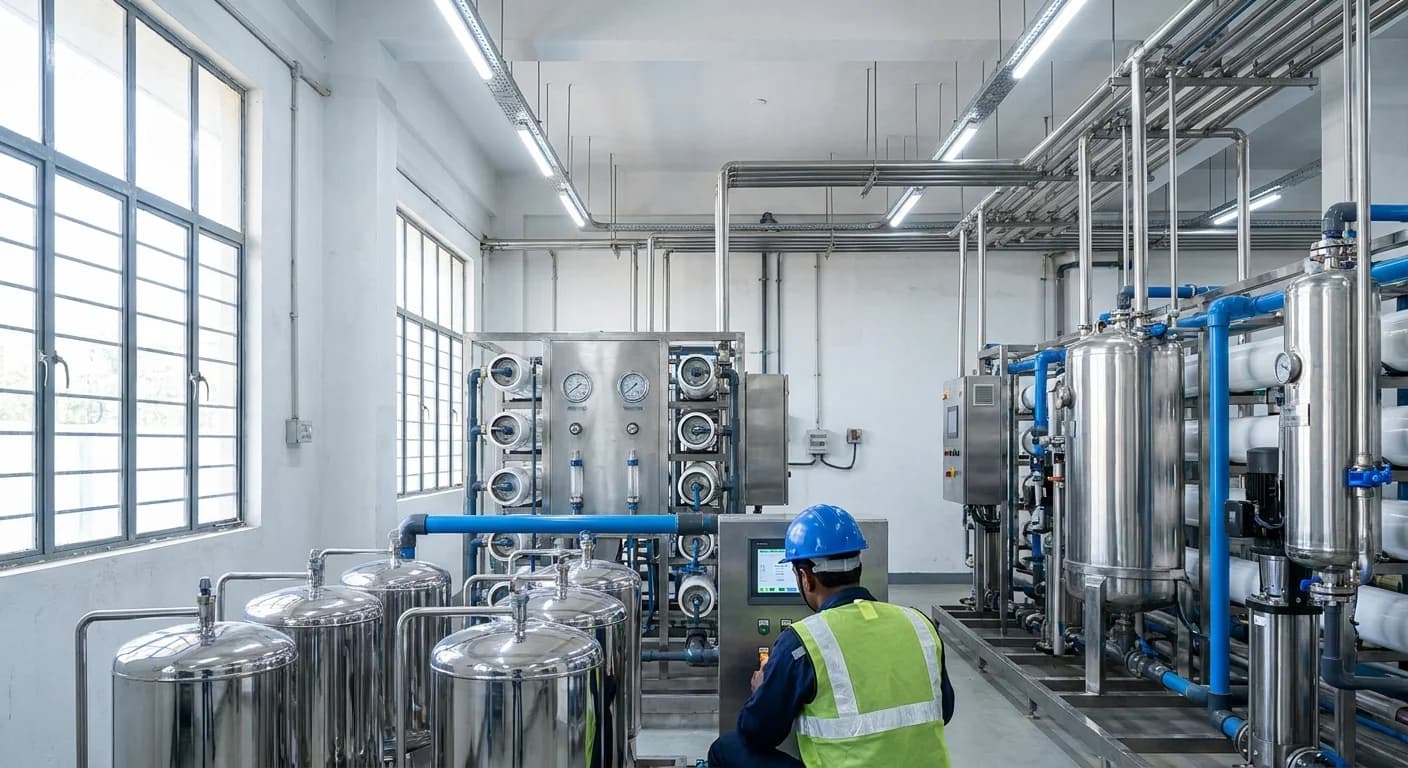
How to Select the Right RO Plant Supplier for Your Indian Business or Home in 2025
Access to clean and safe drinking water remains one of the most pressing challenges facing Indian households and businesses today. With groundwater contamination affecting approximately 60 percent of Indian districts and surface water quality deteriorating in urban centers, the demand for efficient water purification systems has never been higher. An RO Plant represents a crucial investment that can transform contaminated water into pure, safe drinking water for consumption, manufacturing, or commercial purposes. However, the success of this investment largely depends on choosing the right supplier who can deliver quality equipment, reliable service, and long-term support.
The Indian water treatment industry has witnessed tremendous growth over the past decade, with thousands of suppliers and manufacturers entering the market. This expansion, while providing more options, has also made the selection process increasingly complex. Business owners looking to install purification systems for bottling plants, hotels, hospitals, or manufacturing units face the challenge of identifying trustworthy partners from a crowded marketplace. Similarly, residential complexes and housing societies seeking community water solutions must navigate through various technical specifications, pricing structures, and service promises.
Understanding the fundamentals of selecting an appropriate supplier requires knowledge that extends beyond just comparing prices. The relationship between a buyer and an RO Plant Suppliers typically spans several years, involving installation, maintenance, spare parts replacement, and technical support. A poor choice can result in frequent breakdowns, contaminated water output, inflated operating costs, and potential health risks. According to industry estimates, approximately 30 percent of commercial RO installations in India underperform due to inadequate supplier selection, improper sizing, or substandard components.
This comprehensive guide will walk you through the essential factors that determine supplier quality, help you evaluate technical capabilities, understand pricing structures, and ultimately make an informed decision that ensures long-term water security for your specific needs. Whether you are installing a small domestic system or a large industrial facility, the principles outlined here will empower you to ask the right questions and identify suppliers who can deliver genuine value.
Understanding Your Water Purification Requirements Before Supplier Selection
Before approaching any RO Plant Manufacturers, conducting a thorough assessment of your water needs forms the foundation of successful supplier selection. The first step involves testing your source water quality through certified laboratories to identify specific contaminants such as total dissolved solids, hardness levels, bacterial content, heavy metals, and chemical pollutants. Indian groundwater varies dramatically across regions, with TDS levels ranging from 300 ppm in Kerala to over 3000 ppm in Rajasthan and Gujarat. This baseline data helps determine the appropriate purification technology and capacity required.
Calculating your daily water consumption accurately prevents both undersizing and oversizing your system. Commercial establishments should account for peak demand periods, while residential complexes must consider per-capita consumption rates that typically range between 120 to 150 liters daily in Indian urban areas. Industrial applications require additional considerations including process water requirements, quality standards for specific manufacturing operations, and regulatory compliance mandates. A properly sized system operates efficiently, minimizes water wastage, and reduces electricity consumption, directly impacting your long-term operational costs.
Space availability and installation conditions significantly influence equipment selection and supplier capabilities. Evaluate the physical location where the RO Plant will be installed, including floor load-bearing capacity, electrical infrastructure, drainage facilities, and accessibility for maintenance. Suppliers with engineering expertise can propose customized solutions that optimize available space while ensuring operational efficiency. Additionally, consider future expansion possibilities, as many businesses find their water needs growing beyond initial projections within three to five years of installation.
Evaluating Technical Expertise and Manufacturing Credentials
The technical competence of RO Plant Suppliers directly correlates with system performance and longevity. Reputable suppliers maintain proper ISO certifications, specifically ISO 9001 for quality management systems, which demonstrates adherence to international manufacturing standards. Additionally, look for Bureau of Indian Standards certifications and compliance with National Standards for Drinking Water Quality issued by the Bureau of Indian Standards. These certifications are not mere formalities but indicate systematic quality control processes during manufacturing and assembly.
Manufacturing infrastructure reveals much about supplier reliability. Established manufacturers typically operate dedicated production facilities with in-house testing laboratories, quality control departments, and research and development teams. During your evaluation process, request facility visits to observe manufacturing processes firsthand. Genuine manufacturers willingly showcase their operations, while traders or assemblers often hesitate to provide such access. Understanding whether the supplier manufactures core components like pressure vessels, membrane housings, and control systems or merely assembles imported parts helps assess their technical depth and spare parts availability.
Technical support capabilities separate excellent suppliers from mediocre ones. Inquire about the availability of trained service engineers, response times for breakdowns, and the geographical coverage of their service network. Leading suppliers maintain regional service centers across major Indian cities, ensuring prompt assistance when issues arise. Ask specific questions about membrane replacement procedures, system sanitization protocols, and troubleshooting capabilities. A supplier employing qualified water treatment engineers with relevant certifications from recognized institutions demonstrates serious commitment to customer success.
Analyzing Pricing Structure and Understanding RO Plant Cost Components
The RO Plant Cost represents a multifaceted investment encompassing initial capital expenditure, installation charges, and ongoing operational expenses. When comparing quotations from different suppliers, ensure you are evaluating comprehensive proposals that include all components rather than just base equipment prices. A complete system includes pre-treatment equipment like multimedia filters and water softeners, the RO assembly with membranes and pumps, post-treatment systems such as ultraviolet sterilizers, storage tanks, and distribution infrastructure. Hidden costs often emerge when suppliers quote stripped-down configurations that require additional purchases later.
Understanding the cost breakdown helps identify genuine value propositions from artificially low quotations. Membrane quality represents the most critical component, with genuine imported membranes from established global brands costing significantly more than locally manufactured or refurbished alternatives. While genuine membranes carry higher upfront costs, they deliver superior performance, longer service life typically ranging between three to five years, and consistent water quality. Similarly, pumps, valves, and control systems from reputable manufacturers ensure reliability despite premium pricing.
Operational cost projections provide crucial insights into long-term affordability. Request detailed calculations showing electricity consumption, water wastage ratios, chemical usage for cleaning, membrane replacement schedules, and annual maintenance contracts. Efficient systems recover 40 to 50 percent of feed water in commercial applications, while poorly designed units may waste up to 75 percent, dramatically increasing water bills in the long run. A comprehensive cost analysis spanning five years reveals the true financial impact and helps justify paying premium prices for quality equipment that delivers lower total cost of ownership.
Service Network, Warranty Terms, and Post-Installation Support
The strength of a supplier's service network often proves more valuable than initial equipment quality. Even the best systems require periodic maintenance, membrane cleaning, spare parts replacement, and occasional troubleshooting. Suppliers with established service infrastructure across multiple Indian cities can respond quickly to breakdowns, minimizing downtime and operational disruption. Verify the physical locations of service centers, availability of spare parts inventory, and average response times for emergency calls. Customer references from existing clients in your region provide authentic insights into actual service quality versus marketing promises.
Warranty coverage indicates supplier confidence in their products and commitment to customer satisfaction. Standard warranties for RO systems typically cover manufacturing defects for 12 months, but leading suppliers often extend coverage to 24 or 36 months for major components. Carefully review warranty terms to understand what is covered, exclusion clauses, and the process for claiming warranty service. Comprehensive warranties should include free replacement of defective parts, labor charges for repairs, and periodic preventive maintenance visits. Ambiguous warranty language or excessive exclusions often signal potential future disputes and inadequate post-sales support.
Annual maintenance contracts provide predictable budgeting and ensure regular system upkeep. Evaluate AMC proposals that include scheduled preventive maintenance visits, membrane cleaning, consumables replacement, water quality testing, and performance optimization. Transparent AMC pricing with clearly defined scope prevents surprise charges and ensures consistent system performance. The best suppliers view AMC relationships as opportunities to build long-term partnerships rather than mere revenue streams, proactively suggesting upgrades and improvements based on changing water quality or consumption patterns.
Types of RO Plant Configurations Available in the Indian Market
Commercial RO systems designed for small businesses, restaurants, and offices typically process between 50 to 500 liters per hour, featuring compact designs suitable for limited spaces. These systems usually employ single-pass RO technology with basic pre-treatment, making them cost-effective for establishments with moderate TDS levels and straightforward purification needs. Prices for these systems range from rupees 50,000 to 3,00,000 depending on capacity and component quality.
Industrial RO plants serving manufacturing facilities, hospitals, and large institutions handle capacities from 500 liters to several thousand liters per hour. These sophisticated systems incorporate multi-stage pre-treatment including sand filters, activated carbon units, and water softeners, followed by multi-pass RO technology for extremely high purity requirements. Industrial configurations feature automated controls, remote monitoring capabilities, and redundant components ensuring continuous operation. Investment for industrial systems starts from rupees 5,00,000 and can exceed 50,00,000 for large-capacity installations.
Packaged drinking water plants represent specialized configurations meeting stringent regulatory standards set by the Food Safety and Standards Authority of India. These complete solutions integrate purification, ozone treatment, bottling equipment, and quality control systems, requiring suppliers with specific expertise in bottled water production. Packaged water plants demand higher initial investments ranging from rupees 10,00,000 to several crores, depending on production capacity and automation levels.
Community RO plants installed by municipalities and housing societies provide centralized purification for large populations. These systems often incorporate smart card-based dispensing, real-time monitoring, and durable outdoor enclosures, processing several thousand liters daily. Government subsidy programs have promoted community systems across rural India, making them increasingly common. Supplier selection for community plants should prioritize vandal-resistant design, minimal maintenance requirements, and robust construction suitable for outdoor installation.
Making Your Final Supplier Decision
Choosing the right supplier for your water purification needs requires balancing multiple factors including technical competence, financial viability, service capabilities, and long-term partnership potential. The cheapest option rarely delivers the best value, while the most expensive does not automatically guarantee superior quality. Focus on suppliers demonstrating genuine expertise through certifications, established manufacturing facilities, transparent pricing, and proven service networks. Customer testimonials and site visits to existing installations provide invaluable real-world perspectives that marketing materials cannot convey. By investing time in thorough evaluation and asking probing questions, you ensure that your RO Plant investment delivers safe, clean water reliably for years to come, protecting health while optimizing operational costs. Remember that this decision impacts not just immediate water quality but long-term satisfaction, making careful supplier selection one of the most important choices in your water security journey.
FAQ
Q: How do I determine the right capacity RO plant needed for my business or home?
A: The capacity requirement depends on your daily water consumption patterns and peak demand periods. For residential purposes, calculate based on the number of family members (typically 10-15 litres per person per day), while businesses should factor in operational needs, staff requirements, and specific usage patterns. It's advisable to add 20-30% buffer capacity to accommodate future growth and seasonal variations. Getting a professional water audit conducted before finalizing capacity helps avoid undersized or oversized installations that can lead to inefficiency and increased costs.
Q: What certifications should I verify when selecting an RO plant supplier in India?
A: Ensure your supplier holds valid ISO certifications for quality management systems and manufactures products compliant with Bureau of Indian Standards (BIS) guidelines for water purification equipment. Reputable suppliers should provide test certificates from recognized laboratories confirming their systems meet drinking water safety standards. Additionally, verify membership in industry associations and check for any government approvals or recognitions that demonstrate credibility. Documentation of these certifications should be readily available and verifiable through official channels.
Q: How important is after-sales service when choosing an RO plant supplier?
A: After-sales service is equally important as the initial product quality since RO systems require regular maintenance, filter replacements, and occasional troubleshooting. A reliable supplier should offer prompt service response times, maintain readily available spare parts inventory, and provide trained technicians for periodic maintenance visits. Before finalizing any supplier, inquire about their service network coverage in your area, average response time for breakdown calls, and availability of annual maintenance contracts. Poor after-sales support can render even high-quality systems ineffective and lead to prolonged downtime.
Q: What is the typical price range for commercial and residential RO plants in India?
A: Residential RO systems typically range from ₹8,000 to ₹25,000 depending on capacity and features, while commercial installations can vary from ₹50,000 for small establishments to several lakhs for industrial-scale plants. Pricing depends on factors like daily output capacity, automation level, membrane quality, and additional features such as UV sterilization or mineral fortification. While comparing prices, consider the total cost of ownership including installation charges, electricity consumption, annual maintenance expenses, and filter replacement costs rather than just the initial purchase price. Extremely low-priced options often compromise on component quality, leading to higher long-term expenses.
Discover how selecting the right RO plant supplier can transform your water quality and long-term cost efficiency. Learn more about the critical factors that distinguish reliable suppliers from inadequate ones, including certification standards, after-sales service capabilities, and technology specifications tailored to India's unique water challenges. Explore further to understand how proper supplier evaluation protects your investment and ensures consistent access to safe drinking water for years to come.