
150 LPH Commercial RO Plant: Complete Setup Guide
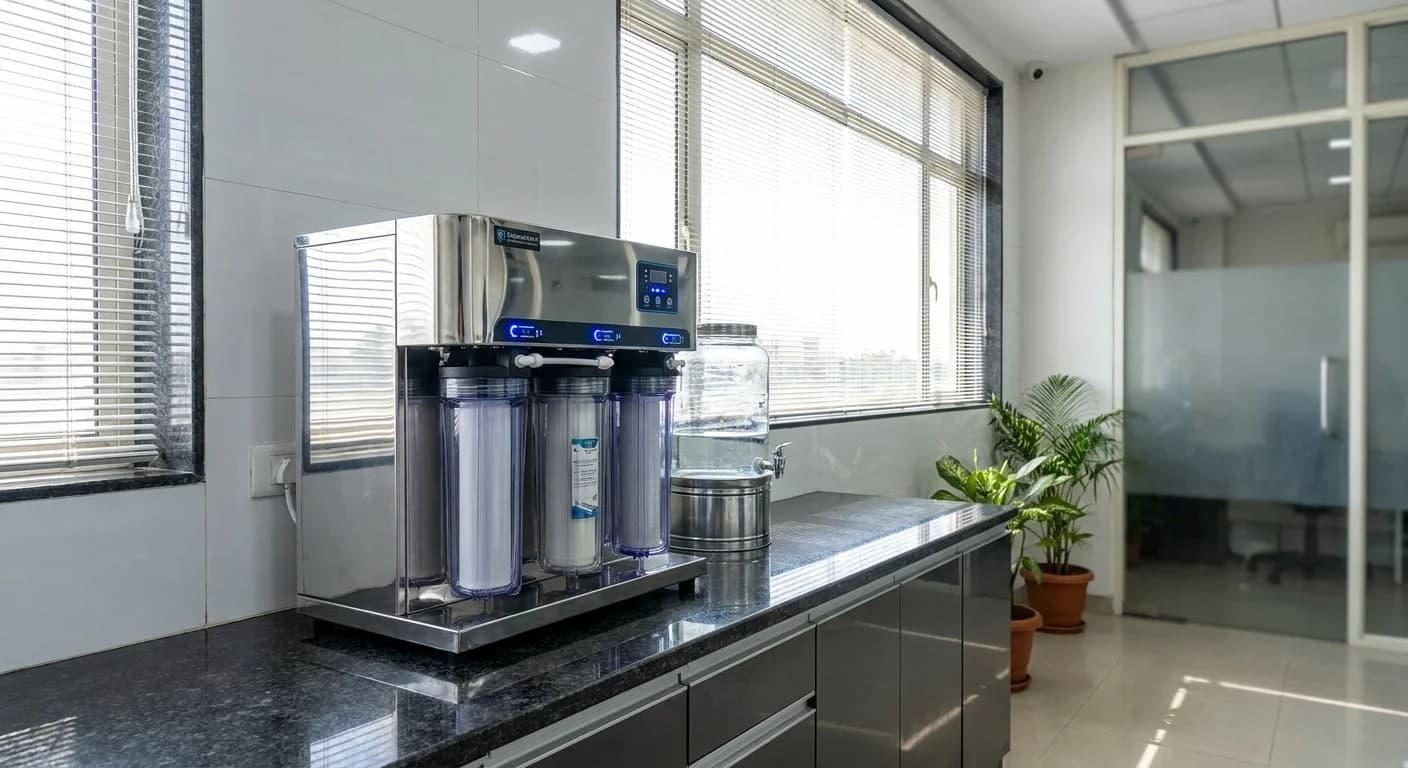
Transforming Business Water Quality with Advanced Purification Solutions
Access to pure, safe drinking water remains a fundamental requirement for any commercial establishment, whether it is a bustling restaurant, a multinational office space, or a manufacturing facility. Businesses across India are increasingly recognizing that investing in proper water purification infrastructure is not just about compliance but about protecting employee health, maintaining operational efficiency, and building customer trust. The demand for reliable, high-capacity water purification systems has grown exponentially, particularly in urban centers where water quality concerns are more pronounced.
When it comes to meeting the water purification needs of medium to large-scale commercial operations, capacity and reliability become paramount considerations. A commercial RO plant designed to handle substantial daily water requirements ensures that businesses never face water shortages while maintaining consistent quality standards. The technology has evolved significantly, making it possible for establishments to install systems that operate efficiently, require minimal maintenance, and deliver exceptional water quality throughout their operational lifespan.
For businesses in metropolitan regions experiencing rapid commercial growth, finding the right water purification solution involves understanding specific capacity requirements, available space, and ongoing operational costs. The selection process requires careful evaluation of daily consumption patterns, peak usage hours, and future expansion plans. This comprehensive approach ensures that the chosen system not only meets current needs but also accommodates growth without requiring frequent upgrades or replacements.
Understanding Commercial Water Purification Capacity Requirements
The water consumption patterns of commercial establishments differ dramatically from residential settings, necessitating systems with substantially higher output capabilities. A typical office with 100 employees might require anywhere between 120 to 200 liters of purified water daily, while restaurants and food service businesses often need double or triple that amount depending on their menu offerings and customer volume. Manufacturing units and industrial facilities frequently require even larger capacities to support both drinking water needs and process requirements.
A 150 lph ro plant represents an ideal solution for mid-sized commercial operations, offering a balanced combination of capacity, footprint, and operational efficiency. This capacity designation means the system can produce 150 liters of purified water per hour, translating to approximately 3,600 liters in a standard 24-hour operation cycle. For businesses operating during regular working hours, this typically provides between 1,200 to 1,800 liters of purified water daily, sufficient for establishments with 150 to 250 regular occupants or customers.
The efficiency of such systems goes beyond mere output numbers. Modern commercial purification systems incorporate multi-stage filtration processes, including sediment filters, activated carbon blocks, and reverse osmosis membranes that remove up to 99 percent of dissolved solids, heavy metals, and microbiological contaminants. Storage tank integration allows businesses to maintain reserve capacity during peak usage periods, ensuring uninterrupted supply even when demand temporarily exceeds production rates. Additionally, businesses installing a ro plant in gurgaon or similar urban locations benefit from systems specifically designed to handle the high TDS levels commonly found in groundwater sources throughout North India.
Installation Considerations and Infrastructure Requirements
Setting up a commercial water purification system involves several technical and logistical considerations that extend beyond simply purchasing the equipment. Space allocation represents the first critical decision, as commercial systems require dedicated areas for the purification unit, storage tanks, and electrical connections. A typical 150 lph installation needs approximately 15 to 25 square feet of floor space, depending on the configuration and number of storage tanks included in the setup.
Electrical requirements for commercial systems are considerably higher than residential units, typically requiring three-phase power supply with dedicated circuit breakers and voltage stabilization equipment. Water pressure also plays a crucial role in system performance, with most commercial units requiring input pressure between 40 to 60 PSI for optimal operation. Properties with inadequate water pressure must incorporate booster pumps, while locations with excessive pressure need pressure-reducing valves to prevent membrane damage and ensure longevity.
Plumbing infrastructure must accommodate both the feed water supply and waste water disposal systems. Commercial ro plant installations produce reject water that typically ranges from 30 to 50 percent of the input volume, depending on source water quality and system efficiency. Progressive businesses are increasingly implementing reject water recovery systems that redirect this output to gardening, cooling towers, or floor cleaning applications, significantly reducing overall water wastage. Pre-installation water testing proves essential for determining the appropriate membrane type, filtration stages, and any additional treatment requirements specific to the local water chemistry.
Operational Benefits and Long-Term Business Value
The decision to install commercial-grade water purification systems delivers multiple tangible and intangible benefits that extend well beyond providing safe drinking water. Employee health and productivity improvements represent the most immediate returns, as access to pure water reduces waterborne illness incidents, decreases sick leave frequency, and demonstrates employer commitment to staff wellbeing. Studies conducted across Indian corporate environments have shown that companies providing purified water experience up to 30 percent fewer water-related health complaints compared to those relying on external water supply vendors.
Financial advantages accumulate over time through elimination of recurring bottled water expenses, which for a medium-sized office can amount to substantial annual costs. The typical breakeven period for commercial purification system investments ranges from 18 to 36 months, after which businesses enjoy pure water at a fraction of previous costs. Maintenance expenses remain predictable and manageable, with filter replacements required quarterly and membrane changes necessary every two to three years depending on usage intensity and source water quality.
Brand reputation and customer perception also benefit significantly, particularly for hospitality and food service businesses where water quality directly impacts customer experience. Restaurants using purified water in cooking and beverage preparation report enhanced taste profiles and customer satisfaction scores. Healthcare facilities, educational institutions, and corporate offices that prominently feature water purification systems signal their commitment to health standards, often becoming preferred choices for quality-conscious consumers and employees.
Types and Configurations Available in the Market
Commercial water purification systems come in several configurations designed to address specific business requirements and operational contexts. Wall-mounted systems offer space-saving solutions for establishments with limited floor space, typically suitable for smaller commercial applications requiring up to 100 liters per hour capacity. Floor-standing models provide higher capacities and easier maintenance access, making them the preferred choice for most commercial installations including the standard 150 lph configurations.
Modular commercial systems allow businesses to scale capacity by adding parallel purification units as demand grows, providing exceptional flexibility for expanding operations. Hot and cold water dispensing models integrate temperature control features, eliminating the need for separate water coolers and creating a unified water service point. Specialized configurations exist for specific industries, including pharmaceutical-grade systems producing ultra-pure water and food processing systems meeting stringent hygiene standards required for direct product incorporation.
Smart commercial systems now incorporate IoT connectivity, providing real-time monitoring of water quality parameters, filter status, and production metrics through mobile applications or web dashboards. These technological enhancements enable proactive maintenance scheduling, immediate problem detection, and detailed consumption analytics that help businesses optimize their water management strategies.
Making the Right Choice for Your Business
Selecting and implementing an appropriate water purification system represents a strategic investment in operational infrastructure that delivers sustained value across multiple dimensions. Businesses must evaluate their specific requirements against available options, considering not just initial costs but total ownership expenses including installation, maintenance, and operational efficiency. The commercial water purification landscape offers solutions for virtually every business type and size, from compact systems for small offices to high-capacity installations serving hundreds of people daily. By prioritizing quality, capacity, and reliability in the selection process, businesses ensure they establish water purification infrastructure that serves their needs effectively for years to come.
FAQ
Q: What types of businesses benefit most from installing a 150 LPH capacity water purification system?
A: Medium to large-sized commercial establishments with 150-250 daily occupants find these systems ideal for their operations. Corporate offices, educational institutions, hotels, restaurants, healthcare facilities, and manufacturing units commonly install such capacity systems. The system produces approximately 1,200-1,800 liters during standard working hours, making it suitable for businesses requiring consistent, high-quality water throughout the day. Food service establishments and hospitality businesses particularly benefit as water quality directly impacts their service standards and customer satisfaction.
Q: How does a 150 LPH system differ from smaller residential purification units in terms of operational requirements?
A: Commercial systems are engineered for continuous, high-volume operation unlike residential units designed for intermittent use. These larger capacity plants require three-phase electrical connections, dedicated installation space, and professional maintenance schedules to ensure consistent performance. The filtration components are built for durability and longer service intervals, reducing downtime for businesses. Additionally, commercial systems incorporate automated monitoring features that alert operators to maintenance needs, ensuring uninterrupted water supply during critical business hours.
Q: What factors should businesses consider when calculating their actual water purification capacity needs?
A: Businesses must evaluate their peak consumption hours, total number of employees and visitors, and specific usage patterns before selecting capacity. A standard office employee consumes 1.5-2 liters daily, while restaurants require significantly more for cooking, beverages, and cleaning purposes. Seasonal variations, expected business growth over 3-5 years, and backup requirements during maintenance periods should factor into calculations. It's advisable to choose a system with 20-30% higher capacity than current needs to accommodate fluctuations and future expansion without compromising water availability.
Q: How do commercial water purification systems contribute to long-term cost savings for businesses?
A: Installing an in-house purification system eliminates recurring expenses of purchasing bottled water or water cans, which accumulate substantially over time. Businesses reduce logistics costs, storage space requirements, and the environmental impact associated with plastic waste. Consistent access to quality water improves employee health and productivity while reducing sick leave expenses. Additionally, modern systems operate with optimized energy consumption and require minimal maintenance when serviced regularly, ensuring predictable operational costs and strong return on investment within 18-24 months for most commercial establishments.