
500 LPH RO Plant Price Guide & Cost Breakdown 2026
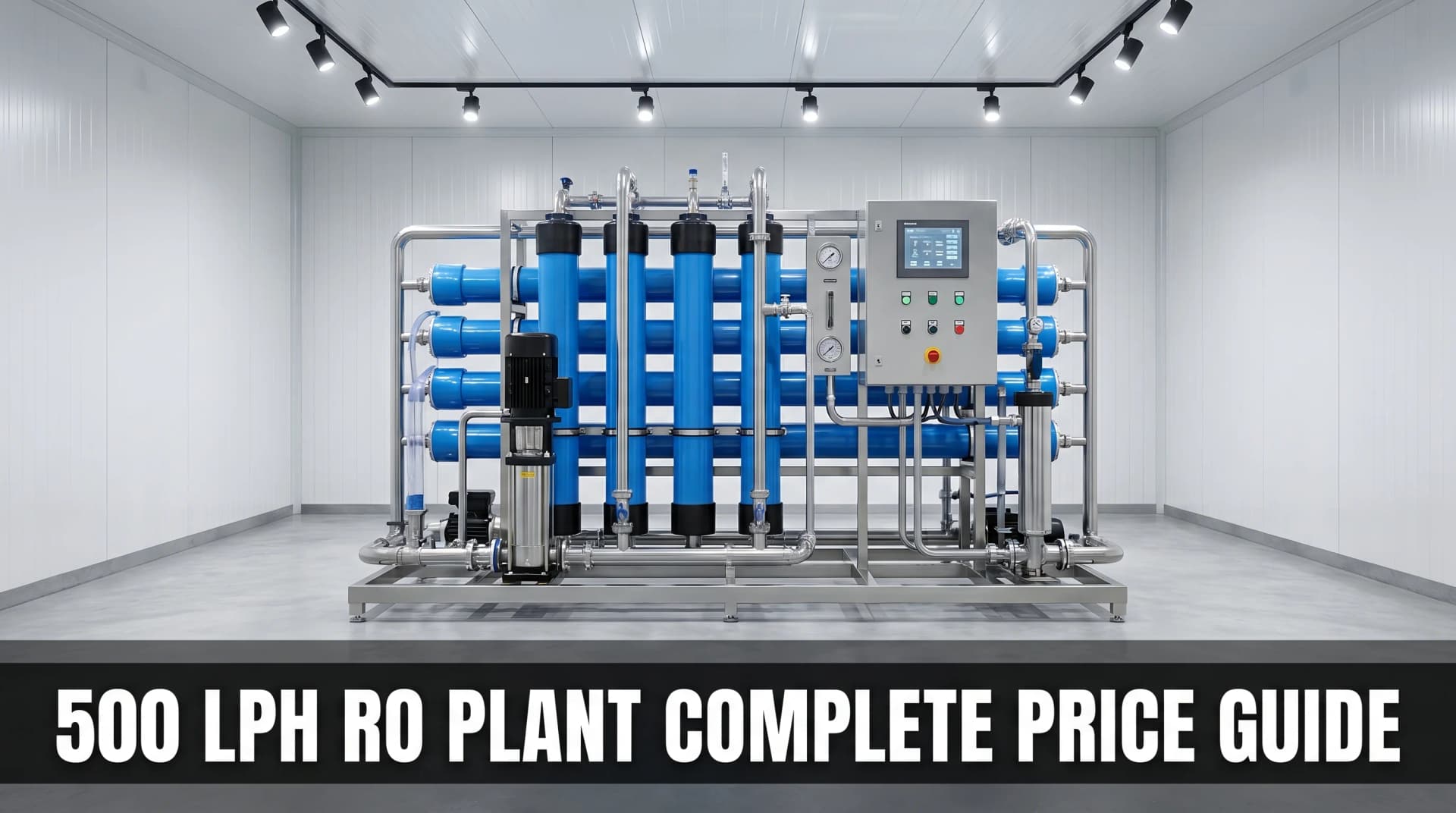
Understanding Commercial Water Purification Investment for Medium-Scale Operations
Water purification has become an essential requirement for businesses, institutions, and commercial establishments across India. With increasing awareness about water quality and stringent health regulations, organizations are investing in reliable purification systems that can handle substantial daily water requirements. Among various capacity options available in the market, medium-capacity reverse osmosis systems have gained significant popularity for their balance between output and operational efficiency. These systems cater perfectly to establishments that need consistent, high-quality purified water throughout the day without the excessive infrastructure demands of larger industrial units.
The commercial water purification landscape in India has evolved dramatically over the past decade. What was once considered a luxury reserved for large corporations has now become a necessity for restaurants, hotels, schools, hospitals, and corporate offices. This shift has been driven by multiple factors including deteriorating groundwater quality, stricter food safety regulations, and growing consumer awareness about waterborne diseases. Organizations today recognize that investing in proper water purification infrastructure is not merely a compliance requirement but a fundamental aspect of operational excellence and customer satisfaction.
When evaluating water purification solutions for commercial applications, capacity becomes the primary consideration. A ro plant designed to produce 500 liters per hour strikes an ideal balance for medium-sized establishments. This capacity translates to approximately 12,000 liters daily in continuous operation, making it suitable for facilities serving 200-500 people or businesses with moderate water consumption patterns. Understanding the financial implications of such an investment requires examining multiple cost components beyond the initial purchase price.
The investment in commercial water purification extends far beyond the sticker price of the equipment. Savvy business owners and facility managers must consider installation expenses, operational costs, maintenance requirements, and long-term value propositions. This comprehensive understanding ensures that the chosen solution aligns with both immediate budgetary constraints and future operational goals. The following sections provide detailed insights into pricing structures, cost variables, and strategic considerations for making an informed purchasing decision in 2026.
Breaking Down the Financial Investment for Medium Capacity Systems
The 500 lph ro plant cost encompasses several distinct components that collectively determine the total ownership expense. The base equipment price typically ranges from Rs 1,85,000 to Rs 3,50,000 depending on technology specifications, brand positioning, and included features. Entry-level systems with basic purification stages and manual operations fall at the lower end of this spectrum, while fully automated units with advanced monitoring capabilities, stainless steel construction, and multi-stage purification processes command premium pricing.
Installation costs represent another significant investment component, usually adding Rs 15,000 to Rs 45,000 to the total project expense. This variation depends on site-specific factors including plumbing modifications required, electrical work for power connections, civil work for mounting and housing the system, and the complexity of inlet water conditions. Establishments with existing infrastructure conducive to system installation experience lower costs, while facilities requiring extensive modifications face higher implementation expenses. Professional installation ensures optimal system performance and validates warranty coverage, making it a worthwhile investment despite the additional cost.
Pre-treatment requirements substantially influence overall investment. Indian water sources frequently contain high levels of total dissolved solids, hardness, iron, and sediment. A comprehensive 500 lph ro plant typically requires multi-media filters, activated carbon filters, and water softeners as pre-treatment stages. These components add Rs 35,000 to Rs 85,000 depending on inlet water quality and desired output specifications. Locations with particularly challenging water chemistry may require additional specialized pre-treatment, further increasing initial investment.
Operational expenses merit careful consideration when evaluating true ownership costs. Electricity consumption for a system of this capacity ranges from 3 to 5 units per hour of operation, translating to monthly power costs between Rs 4,500 and Rs 8,000 for typical usage patterns. Membrane replacements required every 2-3 years cost approximately Rs 25,000 to Rs 45,000, while filter cartridges needing quarterly replacement add Rs 3,000 to Rs 6,000 to monthly operational budgets. Annual maintenance contracts typically range from Rs 18,000 to Rs 35,000, providing scheduled servicing and emergency support.
Regional Market Dynamics and Price Variations
Geographic location significantly impacts pricing structures for commercial water purification systems. A ro plant in Gurgaon typically costs 8-15 percent more than equivalent systems in tier-2 cities, reflecting higher operational costs, premium real estate, and concentrated corporate demand in metropolitan markets. However, this price premium often comes with advantages including faster service response, broader vendor options, and access to latest technologies. Gurgaon's position as a corporate hub means suppliers maintain extensive inventories and specialized technical teams, ensuring minimal downtime and superior after-sales support.
Urban markets like Gurgaon, Mumbai, Bangalore, and Pune demonstrate higher adoption rates of advanced purification technologies, driving competitive pricing for feature-rich systems. Vendors in these markets frequently offer customization options, flexible financing arrangements, and comprehensive service packages that may not be readily available in smaller cities. The concentration of potential customers enables suppliers to maintain dedicated service infrastructure, ultimately benefiting end users through improved reliability and faster problem resolution.
Rural and semi-urban markets present different pricing dynamics. While base equipment costs may be marginally lower due to reduced overhead expenses, transportation charges, limited service networks, and extended response times can offset these savings. Organizations in such locations should factor potential delays in obtaining replacement parts and technical support when evaluating total cost of ownership. Some forward-thinking suppliers have begun establishing service partnerships in tier-2 and tier-3 cities, gradually improving service accessibility while maintaining competitive pricing.
System Classifications and Capacity Considerations
Commercial ro plant systems are categorized based on automation levels, construction materials, and technological sophistication. Manual systems require operator intervention for startup, shutdown, and monitoring, making them suitable for establishments with dedicated maintenance personnel. These units represent the most economical option, with 500 lph ro plant configurations starting around Rs 1,85,000. Despite lower initial costs, manual systems demand more attention and potentially higher labor expenses over time.
Semi-automatic systems incorporate timers, auto-flush mechanisms, and basic monitoring capabilities while retaining manual control for critical functions. Priced between Rs 2,35,000 and Rs 2,85,000, these systems balance affordability with operational convenience. They suit businesses seeking reduced operator involvement without the premium associated with fully automated solutions. Semi-automatic configurations represent popular choices for hotels, restaurants, and educational institutions where staff can perform basic monitoring without requiring specialized technical expertise.
Fully automatic systems feature advanced controls, remote monitoring capabilities, digital displays, automatic membrane cleaning, and comprehensive alarm systems. These premium units range from Rs 2,95,000 to Rs 3,50,000 for 500 lph capacity. The investment delivers reduced operator dependency, optimized performance, extended membrane life, and comprehensive data logging for compliance documentation. Large corporate offices, hospitals, and food processing units justify this premium through operational efficiency gains and reduced long-term maintenance requirements.
Stainless steel construction versus mild steel with epoxy coating represents another classification dimension. Stainless steel systems cost approximately 25-30 percent more but offer superior corrosion resistance, extended lifespan, and easier sanitization. Food service establishments and pharmaceutical applications frequently specify stainless steel construction despite higher costs, viewing it as essential for maintaining hygiene standards and regulatory compliance.
Making Informed Investment Decisions
Selecting the appropriate commercial water purification system requires balancing immediate budget constraints against long-term operational considerations. Organizations should conduct comprehensive water quality testing before finalizing specifications, ensuring the chosen system adequately addresses site-specific contamination challenges. Undersized or improperly specified systems lead to frequent breakdowns, excessive maintenance, and shortened equipment lifespan, ultimately costing more than investing correctly from the outset.
Vendor selection deserves careful attention beyond price comparisons. Established suppliers with proven service networks, readily available spare parts inventories, and trained technical teams provide superior value despite potentially higher initial pricing. The cheapest option frequently becomes the most expensive when factoring downtime costs, repeated service calls, and premature replacement requirements. References from existing customers operating similar capacity systems provide invaluable insights into real-world performance and service quality.
Financial planning should encompass the complete five-year ownership cycle including equipment cost, installation, operational expenses, scheduled maintenance, and anticipated component replacements. This comprehensive approach reveals the true investment requirement and prevents budget surprises. Many suppliers offer financing options, annual maintenance contracts bundled with installation, and performance guarantees that enhance value propositions beyond base pricing.
The investment in a properly specified and professionally installed 500 lph ro plant delivers substantial returns through consistent water quality, reduced health risks, regulatory compliance, and enhanced reputation. Organizations that approach this decision strategically, considering both financial and operational dimensions, position themselves for long-term success in an increasingly quality-conscious marketplace.
FAQ
Q: What is the typical price range for a 500 LPH RO plant in India?
A: The price for a 500 LPH RO plant typically ranges from Rs 1,85,000 to Rs 3,50,000, depending on various factors. Entry-level systems with basic purification stages and manual operations are available at the lower end of this price range. Fully automated units with advanced features, superior component quality, and comprehensive control systems command higher prices. The final cost also depends on customization requirements, brand reputation, and included accessories.
Q: How much daily water output can a 500 LPH RO plant provide?
A: A 500 LPH RO plant can produce approximately 12,000 liters of purified water daily when operated continuously. This output capacity makes it ideal for medium-sized establishments such as restaurants, hotels, schools, hospitals, and corporate offices. The system is suitable for facilities serving between 200 to 500 people with moderate water consumption patterns. Actual daily output may vary based on operational hours, source water quality, and maintenance schedules.
Q: What are the main factors that affect the cost of a 500 LPH RO plant?
A: Several factors influence the total cost beyond the base equipment price. Technology specifications and the number of purification stages significantly impact pricing, with multi-stage systems costing more than basic configurations. Automation level is another major factor, as fully automated systems with digital controls are priced higher than manual units. Brand positioning, component quality, membrane type, and customization requirements also contribute to price variations. Additionally, installation expenses, operational costs, and long-term maintenance requirements should be factored into the total investment calculation.
Q: Who should consider investing in a 500 LPH capacity RO plant?
A: A 500 LPH RO plant is ideal for medium-sized commercial establishments and institutions with consistent water purification needs. This includes restaurants, hotels, educational institutions, hospitals, corporate offices, and food processing facilities. Organizations serving 200-500 people daily or those with moderate water consumption patterns will find this capacity most suitable. Businesses prioritizing operational efficiency without requiring the infrastructure of larger industrial units should consider this capacity range. It's particularly appropriate for establishments where water quality directly impacts compliance with health regulations and customer satisfaction.
Understanding the investment required for a 500 LPH RO plant helps organizations make informed decisions about water purification infrastructure. These systems typically range from ₹1.5 lakhs to ₹4 lakhs depending on automation level, membrane quality, and additional features like UV sterilization or mineralization. The price variation reflects differences in component quality, brand reputation, pre-treatment stages, and post-installation support. Organizations should evaluate their specific water quality parameters, daily consumption patterns, and operational requirements before finalizing their purchase. Learn more about capacity calculations, maintenance costs, and operational efficiency factors to discover how the right RO plant specification can optimize your water purification investment while ensuring consistent output quality that meets safety standards for your facility's needs.