Sirsa's groundwater supply carries high levels of dissolved minerals and salts, which puts additional stress on reverse osmosis systems. The high TDS (total dissolved solids) content means your Eureka Forbes purifier works harder than units in regions with softer water. This accelerated wear makes regular maintenance not optional but essential — filters clog faster, membranes lose efficiency sooner, and neglected units can fail suddenly during peak summer demand when safe water is hardest to find.
The agricultural and industrial activity across Sirsa district also introduces contaminants that require vigilant filtration. Keeping your purifier properly serviced ensures the water your household depends on remains genuinely safe, regardless of seasonal variations or fluctuations in groundwater quality.
Select Service

.webp&w=256&q=75)
Everything you need to know
Unlike cities with treated municipal water supplies, many Sirsa households rely on borewell water or surface sources that carry naturally high mineral content. Calcium, magnesium, and dissolved salts accumulate quickly inside an RO unit when processing this water. The filters that are designed to last six to eight months in areas with lower TDS may become saturated in three to four months in Sirsa. This isn't a defect in the purifier — it's a direct result of your local water chemistry.
The phenomenon becomes especially pronounced during summer months, when water levels drop and mineral concentration rises further. Homeowners who don't adjust their service schedule accordingly often face surprise breakdowns in May or June, precisely when they need reliable drinking water most. Understanding this pattern and planning your maintenance accordingly prevents these frustrating lapses.
An RO purifier communicates through several warning signs when it's approaching the limits of its current filters or components. Learning to recognize these signals early can mean the difference between a quick filter replacement and a costly component failure:
In Sirsa's high-TDS environment, tracking these signs and servicing promptly keeps your purifier efficient and extends its overall lifespan considerably.
When your purifier needs attention, you have flexibility in how you pay for and schedule that work. Understanding the difference between ad-hoc service calls and structured maintenance contracts helps you choose what fits your situation:
You contact a technician when a specific problem arises — a filter change, a leak, a performance drop — and pay for that individual visit. This approach suits households whose purifiers are relatively new, those still covered by manufacturer warranty, or anyone uncertain how often they'll actually need service. The downside is that without scheduled maintenance, you may miss early warning signs and end up needing more expensive work than routine filter replacement would have required.
An AMC plan typically includes two to four scheduled visits per year, filter replacements within agreed limits, and priority technician availability. For a household in Sirsa dealing with high-TDS water, an AMC often proves economical because it front-loads the cost of inevitable filter changes and spreads the expense across monthly or annual payments. You also get predictable bills rather than surprise repair costs in summer when demand peaks.
Most AMC tiers in this region are structured around filter replacement every three to four months and a comprehensive inspection annually. The exact schedule should reflect your water consumption and the mineral load of your specific water source.
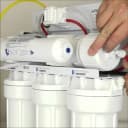
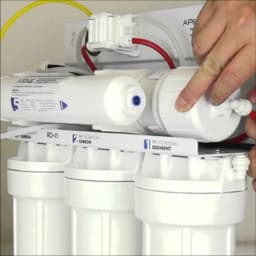
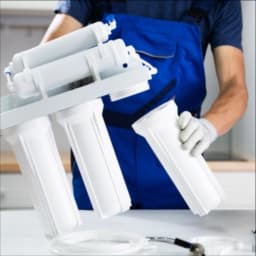
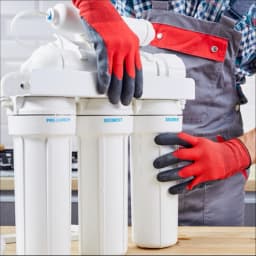
Your Eureka Forbes purifier contains several distinct filtration stages, and each one deteriorates at a different rate depending on your water chemistry. Understanding what's happening inside the unit helps you make informed decisions when a technician recommends replacement:
The sediment pre-filter captures large particles — sand, silt, rust particles — before water reaches more delicate stages. In Sirsa's mineral-rich groundwater, this filter often clogs within three months, especially if borewell water has undergone seasonal stirring or if local water table fluctuations have increased debris content. Replacing it regularly isn't waste; it's directly preventing scaled mineral deposits from reaching your RO membrane.
The carbon filter removes chlorine, organic compounds, and some dissolved salts. With high TDS water, this filter works harder and saturates faster. Once saturated, it no longer improves taste or odor, and water may begin to smell faintly metallic or chemical — a clear signal that replacement is overdue.
The RO membrane is the heart of the system. It's a thin, semi-permeable material that forces water molecules through while blocking mineral ions and other dissolved solids. In high-TDS regions like Sirsa, the pressure inside this membrane builds constantly. Most membranes in this district last 12 to 18 months rather than the 18 to 24 months claimed for softer-water areas. Pushing beyond this timeline risks membrane degradation and — in worst cases — allowing untreated mineral-heavy water to pass through into your storage tank.
The post-carbon filter polishes the output water just before storage. Though less critical than the membrane, a worn post-filter allows some residual odor or taste to persist despite proper RO filtration upstream.
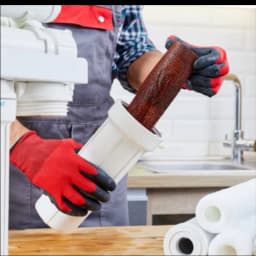
A complete Eureka Forbes service visit in Sirsa typically follows this sequence, though the depth may vary based on what triggered the appointment:
This methodical approach takes longer than a quick filter swap, but it identifies secondary problems before they compound and gives you confidence that your purifier is actually delivering safe water.
Service charges vary based on several concrete factors. Rather than a flat rate, most technicians price service according to:
It's reasonable to request a diagnostic visit first — many technicians will assess the purifier's condition and provide a written breakdown of recommended work and associated costs before you authorize any replacements. This transparency helps you budget and avoid surprise expenses.
An Annual Maintenance Contract in Sirsa typically includes the following across various tiers:
Usually covers two scheduled visits annually with filter replacements as needed, plus unlimited emergency call-outs for leaks or total failure. Does not typically cover sediment pre-filter changes if they occur outside the scheduled visits.
Includes quarterly visits (four per year), all filter replacements within the agreed schedule, tank sanitization annually, and emergency repairs covered with no additional charges. This tier aligns better with Sirsa's high-TDS environment where filters require more frequent attention.
Covers all stages above plus priority technician response, replacement of worn pumps or valves up to a specified limit, and sometimes includes water quality testing kits delivered with each visit. Best suited for large households or families with very high water consumption who depend heavily on the purifier.
Before choosing a plan, clarify whether filters are unlimited or capped at a certain number per year, whether membrane replacement (if needed) is included or charged separately, and what the contract says about emergency response during monsoon or peak summer periods when service demand is highest.
Service needs in Sirsa shift with the agricultural and climatic cycles of Haryana. Summer months — April through June — see dramatically increased water demand and higher mineral concentration as groundwater levels drop. Purifiers often struggle during this period, and filter wear accelerates noticeably. Scheduling a comprehensive service visit in early April, before summer stress peaks, prevents mid-season breakdowns.
Monsoon and post-monsoon periods (July through September) sometimes bring temporary improvements in water quality as rainfall recharges groundwater sources. However, heavy rains can introduce sediment and organic matter into borewell supplies, requiring more frequent pre-filter changes. Winter months (October through February) are generally easier on RO systems, with more stable water chemistry and lower peak demand periods, though service still matters.
Aligning your AMC or service schedule with these seasonal patterns — perhaps scheduling thorough maintenance at the start of summer and just before monsoon — optimizes both performance and cost-effectiveness across the year.
Once you decide you need service, selecting the right technician matters significantly. Look for providers who demonstrate the following attributes:
A technician familiar with high-TDS water systems understands Sirsa's unique challenges and won't recommend unnecessary work or suggest that your frequent filter changes indicate a defective unit. Experience with local water chemistry translates to faster diagnosis and more accurate guidance on appropriate service intervals.
Providers who maintain a ready stock of Eureka Forbes spare parts can complete your service in a single visit rather than leaving your purifier non-functional while parts are ordered. Verify that they supply components rated for your specific purifier model, since generic or non-OEM parts may compromise water quality or fit poorly.
Transparent communication about pricing and technical issues prevents frustration. A technician who explains what they're doing, why, and what it costs, while giving you the opportunity to ask questions, is far preferable to one who works silently and presents a surprise bill afterward.
Finally, availability and responsiveness matter in Sirsa's climate. During summer months especially, a provider who can schedule service quickly keeps you from going without safe drinking water for extended periods.
After each service visit, keep the technician's report in an accessible place. This record should include the date of service, which components were replaced, water quality measurements before and after service, and the recommended date for the next maintenance visit. Over time, this documentation provides valuable context — it shows whether your purifier's maintenance needs are stable or increasing, which helps predict future expenses and informs decisions about whether an upgrade is worth considering.
If you plan to sell your home or transfer the purifier to another household, this service history also demonstrates that the unit has been well-maintained, which can affect its resale value.
What makes us different
Sirsa's groundwater supply carries high levels of dissolved minerals and salts, which puts additional stress on reverse osmosis systems. The high TDS (total dissolved solids) content means your Eureka Forbes purifier works harder than units in regions with softer water. This accelerated wear makes regular maintenance not optional but essential — filters clog faster, membranes lose efficiency sooner, and neglected units can fail suddenly during peak summer demand when safe water is hardest to find.
The agricultural and industrial activity across Sirsa district also introduces contaminants that require vigilant filtration. Keeping your purifier properly serviced ensures the water your household depends on remains genuinely safe, regardless of seasonal variations or fluctuations in groundwater quality.
Step-by-step guidance
Don't wait! Get the at the most competitive rates. Contact rocareindia today for a free consultation and quote.
Real repairs · Real customers · Real results

Verified Professionals

Work Assurance

On-Time Support

Covid-19 Safety
Find answers to common questions about our services
Find our nearby franchise stores in your city
Pure water, delivered.