Select Service


.webp&w=256&q=75)
Everything you need to know
Hisar draws water from both municipal supply lines and private borewell systems, both of which carry characteristics that affect RO performance. The municipal water often shows high salinity, particularly in summer months when demand peaks and supply becomes more concentrated. Boreholes in the region tend to yield water with significant dissolved solids — calcium, magnesium, and other minerals that give water its "hardness." This combination means sediment and mineral deposits accumulate inside your purifier much faster than in softer-water regions.
When filters are working under these conditions and nobody replaces them on schedule, three things happen in sequence. First, water flow slows to a trickle because sediment blocks the pre-filter. Second, the RO membrane, now forced to process harder water while clogged, fails to remove dissolved salts effectively. Third, the pump, straining against resistance, begins to wear and can eventually fail — a repair far more expensive than routine filter maintenance.
Understanding this cycle is the first step toward protecting your investment. The harder your local water, the more your purifier benefits from scheduled professional attention.
Most Hisar homeowners assume they can ignore a purifier until it stops working, but that approach often leads to worse damage and higher bills. Learning to spot early warning signs lets you book service before a minor issue becomes a major breakdown.
In Hisar's mineral-rich water environment, paying attention to these signs becomes even more important because high-TDS water causes faster deterioration of internal components.
Searching for "RO service near me" brings results, but not all are equally reliable. A few concrete factors distinguish a good technician from one who cuts corners or overcharges.
Speed of response matters in this city. Hisar summers are intense, and running without purified water even for a day creates real difficulty for families. A service provider who can visit same-day or next-morning for urgent repairs is worth the small premium you might pay, because boiling and storing water is neither safe nor practical long-term.
Technical knowledge of your specific model is essential. Eureka Forbes has sold many models in Hisar — Aquaguard, Aquasure, hybrid RO-UV systems — and each design has different internal architecture. A technician who knows your exact model works faster, diagnoses more accurately, and avoids replacing parts that don't actually need changing.
Transparent pricing upfront prevents arguments later. Before the technician begins, ask for a written estimate that breaks down the visit charge, labor cost, and price of any parts. This clarity means no surprises when you receive the bill and lets you compare fairly between providers.
Quality spare parts protect your water quality. Ask what brand filters and membranes the technician uses. Genuine or certified compatible parts maintain water purity and last longer than cheap aftermarket alternatives that may reduce filtration effectiveness.
Post-service follow-up shows genuine care. A professional provider calls or messages to confirm your purifier is working as expected and reminds you when the next service is due. This small step builds trust and ensures you don't lose track of maintenance schedules.
When homeowners ask "How much will this repair cost?" the truthful answer is that price depends on several interconnected factors.
The nature of the work makes the biggest difference. A simple filter replacement takes less time and costs less than a full RO membrane change or pump repair. A basic sediment or carbon filter change might be at one price point, while a membrane replacement with cleaning and sanitization is substantially higher.
Your purifier's model complexity influences cost. Units with multiple filtration stages — RO plus UV plus UF — have more parts to inspect and maintain than single-stage systems, which naturally raises the overall service charge.
Parts themselves carry different prices. Sediment pre-filters, activated carbon filters, and RO membranes all vary in cost. The technician should itemize these separately from the service visit charge so you understand what you're paying for.
How hard your water is affects long-term spending. If your Hisar home uses borewell water with TDS levels above 800 ppm, expect more frequent filter replacements and earlier membrane wear than homes on municipal supply. This is a reality of the region, not a reason to avoid service — it's simply a fact that changes your budgeting.
Whether you're covered by warranty or AMC changes everything. If your purifier is still under manufacturer warranty or you hold an active AMC plan, many costs disappear or drop significantly. Always check your coverage status before booking paid service.
The best practice is to request a written estimate before authorizing work. This protects you and gives the technician a clear scope to work within.
An AMC plan bundles filter replacements, seasonal servicing, and minor repairs into a single annual fee rather than paying per visit. For many Hisar households using harder water, an AMC often saves money and guarantees that maintenance never gets delayed.
Given the region's high mineral content and variable water quality between seasons, staying on a predictable service schedule protects both water quality and equipment reliability. An AMC typically includes:
Before committing to any AMC plan, read the terms carefully. Some plans cover unlimited service visits but charge separately for filters. Others bundle everything into one price. Knowing exactly what's included saves confusion when you actually need work done and prevents disputes about what should or shouldn't be free.
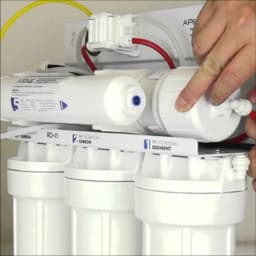
Replacing filters on schedule is the single most critical act of purifier maintenance, yet it's also the step people delay most often. Understanding what each filter does and how long it typically lasts helps you stay proactive.
Sediment pre-filter: Typically replaced every 4 to 6 months in Hisar homes, especially those on borewell supply. This filter catches sand, rust particles, and organic matter before they reach finer stages. In high-sediment water, it can clog faster than the timeline suggests, so keep an eye on water flow as an indicator.
Carbon filter: Usually needs changing every 6 to 9 months. This filter removes chlorine, odor, and organic compounds that affect taste and smell. In Hisar, where summer heat can accelerate wear, it's worth checking earlier if taste changes.
RO membrane: The core filtration layer, typically lasting 12 to 24 months depending on incoming water hardness and TDS levels. High mineral content in Hisar's borewell water often shortens this to the lower end of the range — meaning membrane replacement becomes a more frequent expense than homeowners in softer-water areas experience.
Post-carbon filter: Installed after the RO membrane to polish water just before it reaches your tap. Usually replaced annually, since this filter handles water already processed but still benefits from a final odor and taste check.
Delaying filter replacement doesn't just affect how your water tastes — it directly impacts whether your purifier can actually filter out the contaminants present in Hisar's water supply. A membrane operating well past its lifespan loses the ability to reject dissolved salts, meaning you're essentially drinking partially treated water while believing it's purified. Setting calendar reminders or asking your service provider to send notifications ensures this step never gets forgotten.
Knowing the process helps you evaluate whether a technician is doing thorough work or rushing through a job.
If a technician rushes through any of these steps or wants to replace parts without explaining why, that's a signal to ask questions or seek a second opinion.
Beyond waiting too long between services, a few other habits drive up costs unnecessarily.
Mixing brands of filters and membranes can seem like a cost-saving move, but cheap aftermarket parts often don't fit precisely or perform consistently, leading to leaks, poor filtration, or need for replacement sooner than quality parts would require. It's false economy to save fifty rupees on a filter if it means another service visit a few months later.
Running the purifier with no input water — which happens accidentally when a storage tank is empty or a valve is closed — forces the pump to work against resistance. Even brief periods of this put strain on the motor and can shorten its lifespan unexpectedly.
Ignoring the indicator lights on your purifier is another path to expensive repairs. These lights exist to tell you something needs attention before it becomes a serious problem. Treating them as informational rather than urgent often means catching an issue at the filter stage rather than at the membrane or pump stage.
Forgetting to document your last service date means you have no record of when filters were changed or when the next service is due. Keep this information somewhere visible — on your calendar, a note on the fridge, or in your phone — so maintenance schedules don't slip.
Some homeowners prefer to book service only when something goes wrong. Others see the value in planning ahead with annual contracts. The right choice depends on your household's water usage, your purifier's age, and your budget preference.
Pay-as-you-go service works if your water usage is light, your unit is relatively new, and you're comfortable with unexpected repair bills. However, in Hisar's harder water, this approach often leads to neglected maintenance and emergency calls when filters finally fail completely.
Annual maintenance contracts suit most Hisar households because they lock in predictable costs, ensure filters get changed on schedule (preventing sudden breakdown), and often come with priority booking during peak demand periods. The upfront cost is higher, but the total spent over a year typically balances out to less than paying for emergency repairs after neglect.
Whichever approach you choose, document everything — service dates, parts replaced, costs paid — so you build a complete record of your purifier's maintenance history. This record becomes valuable if you ever need to make a warranty claim or decide whether to repair or replace the unit.
What makes us different
Hisar's water supply contains elevated mineral content and often carries particles stirred up from seasonal canal flow and local borewell sources. An Eureka Forbes water purifier working in these conditions faces more strain than units in areas with cleaner municipal water. Filters clog faster, membranes work harder against high TDS levels, and sediment buildup happens more frequently — making professional service not just a convenience but essential for health and equipment longevity.
Without regular maintenance, your purifier gradually loses its ability to filter dissolved salts and contaminants. What started as clean drinking water can turn into partially treated water over months of neglect. Scheduling timely service ensures your family drinks truly safe water and prevents expensive breakdowns that leave you without purified water for days.
Step-by-step guidance
Don't wait! Get the Best water purifier service at the most competitive rates. Contact rocareindia today for a free consultation and quote.

Verified Professionals

Work Assurance

On-Time Support

Covid-19 Safety
Find answers to common questions about our services
Pure water, delivered.