



RO Care India water purification services

Repair

★4.7
(2k+ Bookings)
  • •Price include visit & diagnosis charges
  • •Spare part rate applicable as per rate card
Repair
₹399₹450

Service

★4.7
(3k+ Bookings)
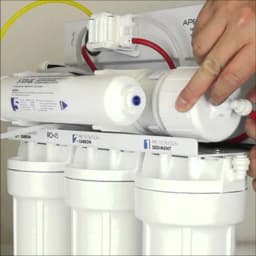
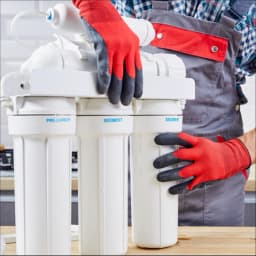
  • •Thorough inspection and repair of your RO for issues like leakage, less water flow, dirty/smelly water etc.
  • •Cleaning of Machine and Filters
Service
₹399₹450

Installation

★4.7
(3k+ Bookings)
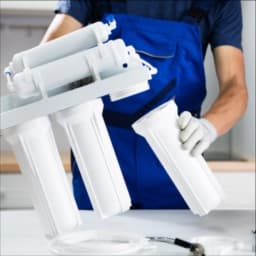
  • •Include Fixing of water purifier stand on wall
  • •Connect inlet water assembly to water purifier
Installation
₹499₹700

Un-installation

★4.7
(4k+ Bookings)
  • •Dismantle of water purifier from the wall
  • •Dismantle of inlet water assembly from water purifier
Un-installation
₹399₹499

AMC Plan 1

★4.3
(6k+ Bookings)
  • •Three periodical services
  • •Any addition visit by intimation
AMC Plan 1
₹999₹1200

AMC Plan 2

★4.3
(7k+ Bookings)
  • •Three periodical services
  • •Any addition visit by intimation
AMC Plan 2
₹2500₹3000

AMC Plan 3

★4.3
(2k+ Bookings)
  • •Three periodical services
  • •Any addition visit by intimation
AMC Plan 3
₹2600₹3000

AMC Plan 4

★4.3
(1k+ Bookings)
  • •Three periodical services
  • •Any addition visit by intimation
AMC Plan 4
₹3999₹4500

AMC Plan 5 (CAMC)

★4.4
(3k+ Bookings)
  • •Three periodic services
  • •Additional visits with prior intimation
AMC Plan 5 (CAMC)
₹4999₹5500

AMC Plan 6 (CAMC)

★4.4
(4k+ Bookings)
  • •Three periodic services
  • •Additional visits with prior intimation
AMC Plan 6 (CAMC)
₹5999₹6500

Premium Water Solutions

What makes us different

Why Gaya's Water Quality Demands Reliable Purifier Maintenance

Gaya draws water from both the Ganges river system and borewell sources serving different neighbourhoods. The municipal supply often carries high dissolved solids, seasonal sediment during monsoon runoff, and mineral content that varies significantly depending on where you live — whether in Asthapan, Wazirganj, or the Old City. When water quality fluctuates this way, your RO purifier works harder than average to maintain filtration standards.

Unlike a new unit fresh from the factory, a purifier deployed in Gaya's challenging water conditions accumulates stress on its internal components much faster. Filters clog sooner, membranes lose efficiency quicker, and the mineral-rich water deposits scale on delicate parts. Neglecting maintenance in this environment doesn't just reduce water quality — it can lead to expensive mid-life component failure that could have been prevented by timely service.

Service Overview

Everything you need to know

Understanding Gaya's Water and What It Means for Your Purifier

Gaya's water supply presents unique challenges that differ from cities with cleaner municipal systems. The Ganges-fed supply carries seasonal variation — during monsoon months (June to September), sediment load spikes dramatically, choking pre-filters faster than they would in a city with more stable water sources. In summer and post-monsoon, TDS levels often climb, placing heavier demand on the RO membrane to strip dissolved minerals.

Borewell-dependent areas face a different problem: naturally high mineral content and occasional iron or manganese deposits that ordinary carbon filtration doesn't fully address. A purifier installed in a borewell-fed home in Gaya needs more aggressive pre-filtration and more frequent membrane attention than the same model would need in a city with lower-TDS municipal water.

Understanding your specific water source — whether you're on Ganges municipal supply, private borewell, or a mixed system — helps determine your purifier's service frequency and which filter stages will wear fastest. This is not a generic maintenance schedule; it's tailored to Gaya's geology and seasonal patterns.

Signs Your Purifier Is Struggling with Gaya's Water

Because Gaya's water quality challenges are more pronounced than many cities, you should watch for these warning signs more carefully:

  1. Water output has dropped to a trickle. This happens when sediment-heavy monsoon water clogs your pre-filter faster than expected. It's a clear signal the first stage of filtration is overwhelmed and needs immediate replacement.
  2. The purifier cycles on and off repeatedly. Frequent cycling often indicates the RO membrane is becoming fouled by mineral deposits or sediment, forcing the pump to work inefficiently. This behavior is especially common in Gaya during late summer when TDS peaks.
  3. Water tastes mineral-rich despite having an RO unit. If your drinking water suddenly tastes noticeably salty or has a mineral tang, the RO membrane isn't removing dissolved solids as it should — a sign it's nearing the end of its service life.
  4. Faint rust or iron smell from the tap. Borewell-fed systems sometimes release iron particles that the pre-filters aren't catching completely. A technician can assess whether you need a specialized iron-removal cartridge in addition to standard stages.
  5. The purifier is unusually loud or makes grinding sounds. Hard mineral deposits in the feed water can accumulate inside the pump housing. Noise escalation indicates mineral scaling that requires professional cleaning or part replacement.
  6. Visible cloudiness or particles in collected water. This suggests sediment is bypassing your filtration stages entirely — a failure condition that needs urgent attention before water quality becomes unsafe.

How to Assess the True Cost of Purifier Service

Service cost for an RO purifier in Gaya depends on several connected factors, and understanding them helps you avoid surprises when you book a technician:

  • What stage is actually failing. A pre-filter replacement is a low-cost service; an RO membrane replacement costs significantly more. Identifying the problem correctly upfront prevents unnecessary part changes.
  • Whether your water source is particularly harsh. Borewell systems or areas fed by high-TDS supply often need additional specialized cartridges or more frequent servicing, which affects overall annual cost.
  • How long since the last service. If your purifier hasn't been serviced in over 18 months, expect higher costs because mineral buildup and sediment accumulation require deeper cleaning or tank sanitization.
  • Spare parts availability and quality. Genuine filters and membranes cost more than off-brand alternatives, but they preserve water quality and last longer — a trade-off worth considering for your health.
  • Technician call-out charges versus component cost. Many service visits include a diagnosis fee or call-out charge separate from the parts and labor. Clarifying this breakdown before work begins prevents billing disputes later.

Getting a written estimate that itemizes each cost category — call-out charge, parts, labor, and testing — gives you a clear picture of what you're paying for and allows you to compare fairly between service providers.

Annual Maintenance Contracts Make Sense for Gaya Households

Given Gaya's challenging water conditions, many household owners find that an Annual Maintenance Contract provides better value and peace of mind than paying for each service visit separately.

How an AMC typically works

You pay a fixed annual fee that covers scheduled preventive visits (usually quarterly or as needed), routine filter replacements, tank cleaning, and minor repair work. Major component failures may carry an additional charge depending on the plan terms, but routine maintenance is bundled into your yearly cost.

Why an AMC fits Gaya's situation

  • Seasonal monsoon spikes and summer TDS peaks are predictable; scheduled visits ensure filters are fresh before these periods hit
  • Borewell users benefit from regular system assessment and any necessary specialty cartridge updates without paying for ad-hoc diagnostics
  • Budget certainty — you know your annual water maintenance cost and avoid surprise repair bills
  • Technicians familiar with local water conditions can adjust your service plan mid-year if water quality changes unexpectedly

When an AMC might not be right for you

  • If your purifier is brand new and still under manufacturer warranty, paying an AMC fee on top could be redundant
  • If you use water very sparingly (single person, light household consumption) and don't rely on the purifier daily
  • If you're renting and plan to move within the next year

Filter Lifespan in Gaya's Water Environment

Standard filter replacement timelines published by purifier manufacturers assume average water quality. Gaya's reality is different, especially if you're on borewell or you live through the monsoon season:

  • Sediment pre-filter (stage 1): Typically lasts 3 to 4 months in Gaya, compared to the 6-month standard. Monsoon sediment load and borewell silt compress this timeframe significantly.
  • Carbon filter (stage 2): Generally 5 to 7 months in Gaya's high-mineral environment, versus 8 months in cleaner water areas.
  • RO membrane (core stage): Expect 12 to 18 months in Gaya, depending heavily on your water source. Borewell users may need replacement as frequently as every 12 months; municipal supply users might stretch to 18 months.
  • Post-carbon polish filter: Usually replaced annually in Gaya to maintain final taste and odor removal.

These timelines are realistic for local conditions — neither optimistic nor overly cautious. Paying attention to your specific water source and tracking service dates prevents the false economy of delaying filter changes to save cost. A membrane running past its effective life lets through dissolved minerals you're paying to remove, defeating the entire purpose of having an RO system.

Choosing a Service Provider for Gaya

When you need RO service in Gaya, quality matters more than finding the cheapest option. Here's what to evaluate:

  • Local experience with your water source. A technician familiar with Ganges municipal supply challenges and borewell water patterns can diagnose issues faster and recommend appropriate preventive measures.
  • Willingness to assess before charging. A reliable provider will inspect your unit, test water flow and TDS, and explain what needs attention — not just immediately quote a filter replacement without checking.
  • Spare parts stock suited to Gaya conditions. Does the technician carry specialty sediment cartridges for high-load periods, or iron-removal media for borewell-fed systems? Not all providers stock these.
  • Follow-up and scheduling consistency. Good service providers maintain records of your service history and proactively suggest the next visit based on local seasonal patterns — monsoon before heavy runoff, for instance.
  • Transparent communication about costs. Being quoted upfront before work begins, and receiving an itemized receipt after, shows professionalism and builds trust.

The Service Visit Process

Knowing what to expect during a technician visit helps you confirm work is being done properly:

  1. Initial inspection of water flow, pressure, and any visible leaks or unusual sounds
  2. TDS testing of both inlet and outlet water to assess membrane performance
  3. Individual inspection of each filter stage to determine which need replacement versus cleaning
  4. Storage tank inspection and cleaning if sediment or biofilm buildup is detected
  5. Replacement of identified components with customer approval and confirmation of part authenticity
  6. Final water quality testing and flow verification after service
  7. Documentation of work performed and recommendation for next service timing

A thorough visit often takes 45 minutes to over an hour. If a technician finishes in under 20 minutes, ask what specifically was inspected and why no cleaning was required — it's possible, but worth clarifying.

Seasonal Service Planning for Gaya

Gaya's monsoon season (June to September) creates distinct purifier stress that you can plan around. Before monsoon, schedule a preventive visit to ensure your pre-filters are fresh and your system is operating at peak efficiency. This small investment avoids mid-monsoon breakdowns when every household's demand for water purifier service spikes and technician availability becomes tight.

After monsoon ends, another inspection helps identify any sediment accumulation or bacterial growth that heavy runoff may have introduced. Summer (April to May) brings different challenges — high evaporation, reduced municipal supply in some areas, and TDS peaks. If you rely on borewell during summer, your filter schedule may accelerate compared to monsoon periods, making it worth revisiting your service plan twice yearly.

Protecting Your Investment Long-Term

A well-maintained RO purifier serves a household reliably for 8 to 10 years. In Gaya's water environment, the difference between regular service and neglect often shows up within just 3 to 4 years — the gap between a unit that keeps working and one that requires major component replacement.

Think of filter replacement and preventive servicing not as an optional expense, but as insurance that keeps your water safe and your purifier's lifespan long. When you compare the cost of staying on schedule against the cost of a membrane or pump failure, the math becomes clear quickly.

Book Your Water Purifier ServiceToday!

Don't wait! Get the Best water purifier service at the most competitive rates. Contact rocareindia today for a free consultation and quote.

Free Consultation
Competitive Rates
Expert Technicians
Quick Service

Happiness Guarantee

Verified Professionals

Verified Professionals

Work Assurance

Work Assurance

On-Time Support

On-Time Support

Covid-19 Safety

Covid-19 Safety

Frequently Asked Questions

Find answers to common questions about our services

Quick Links

Important Links
RO Service Popular Cities
Buy Water Purifier
Also RO Plant