
How to Choose the Best 100 LPH RO Plant (2026)
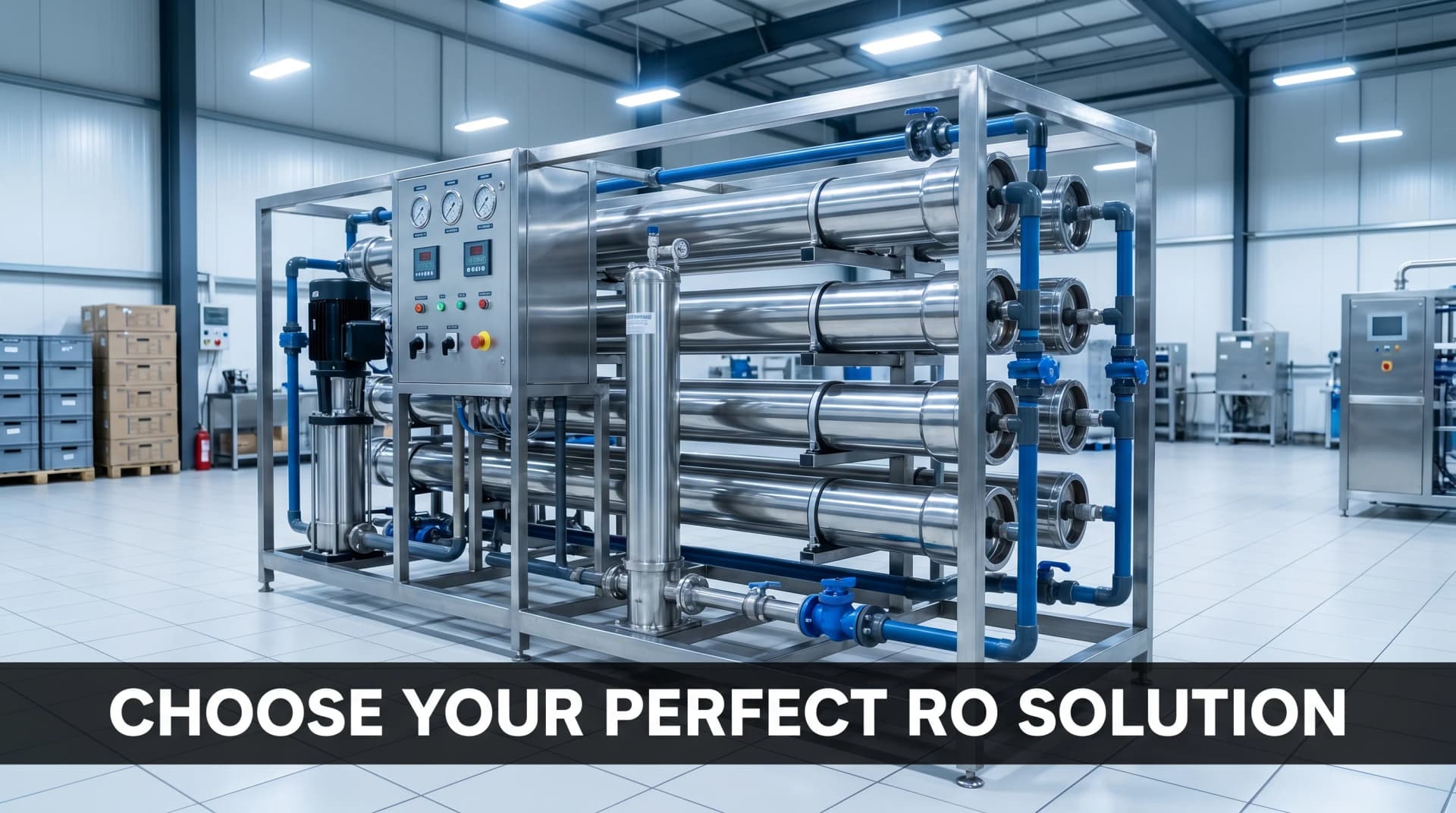
Smart Selection Strategies for Commercial Water Purification Systems That Deliver Results
Water quality concerns continue to dominate conversations across Indian commercial establishments, factories, and institutions in 2026. Business owners and facility managers face mounting pressure to provide safe drinking water while managing operational costs effectively. The quest for reliable water purification solutions has intensified, particularly as awareness about waterborne contaminants grows among employees and customers alike. Industrial water treatment represents a critical investment that demands careful evaluation and informed decision-making.
Commercial water purification systems have evolved dramatically over the past decade, offering sophisticated filtration capabilities that address diverse water quality challenges. Organizations ranging from manufacturing units to hospitals now recognize that water treatment infrastructure directly impacts health outcomes, productivity levels, and regulatory compliance. The technology has matured considerably, incorporating advanced membrane filtration processes that remove dissolved solids, bacteria, viruses, and chemical contaminants with impressive efficiency. Understanding the technical specifications and practical considerations becomes essential for anyone responsible for water quality management.
Modern enterprises require purification solutions that balance performance, reliability, and economic viability. A typical commercial establishment might evaluate various capacity options, from smaller units processing around 100 liters per hour to larger installations handling 500 liters or more hourly. The selection process involves analyzing water consumption patterns, understanding source water quality, considering space constraints, and projecting long-term maintenance requirements. Each organization faces unique circumstances that influence which system configuration delivers optimal results.
This comprehensive guide explores critical factors that determine successful water purification investments for commercial applications. Whether managing a busy restaurant, operating a bottling facility, or overseeing a corporate campus, the principles discussed here provide actionable insights for making informed purchasing decisions. The following sections break down technical considerations, cost analysis frameworks, and practical implementation strategies that ensure your investment delivers clean water reliably for years ahead.
Understanding Commercial Water Purification Capacity Requirements
Determining appropriate system capacity starts with accurate water consumption analysis. Commercial establishments typically calculate their requirements based on peak usage periods rather than average consumption. A mid-sized office with 100 employees might consume 200 to 300 liters daily during summer months, while a restaurant serving 150 customers daily could require 400 to 600 liters. These calculations directly influence whether a 100 lph ro plant, meets your needs or if larger capacity becomes necessary.
Flow rate specifications significantly impact operational efficiency. A system producing 100 liters hourly operates for approximately three hours to deliver 300 liters total output, whereas a 500 lph unit completes the same task in just 36 minutes. This time difference matters tremendously during peak demand periods when multiple users simultaneously require access to purified water. Facilities with concentrated usage patterns during specific hours benefit substantially from higher capacity installations that prevent supply shortages.
Real-world applications demonstrate how capacity mismatches create operational challenges. Consider a diagnostic laboratory requiring purified water for equipment sterilization and testing procedures throughout the day. Installing undersized equipment forces staff to schedule activities around water availability, reducing productivity and potentially compromising service delivery. Conversely, excessive capacity increases the ro plant cost unnecessarily while consuming more electricity and generating higher maintenance expenses. Precise capacity matching optimizes both performance and economics.
Regional water quality variations also influence capacity decisions. Areas with high total dissolved solids typically experience lower recovery rates, meaning the system rejects more input water to maintain output quality standards. A location with 2000 ppm TDS might achieve only 30 percent recovery, requiring significantly more raw water input compared to regions with 500 ppm TDS achieving 50 percent recovery. These technical factors directly affect the practical output available for consumption and should inform capacity selection.
Financial Considerations and Investment Planning
The initial purchase price of a commercial ro plant encompasses multiple components beyond the equipment itself. Installation expenses include civil work for proper foundation, plumbing modifications, electrical connections, and pre-treatment equipment when source water contains elevated sediment or hardness levels. Professional installations for commercial systems typically range from 15,000 to 45,000 rupees depending on site conditions and system complexity. Budget planning must account for these auxiliary expenses to avoid mid-project financial surprises.
Operating costs represent ongoing financial commitments that accumulate throughout the system lifespan. Electricity consumption varies based on source water pressure and quality, with most commercial units consuming 0.5 to 1.5 units per 100 liters produced. Membrane replacement schedules typically range from 24 to 36 months under normal operating conditions, with costs varying between 8,000 to 25,000 rupees depending on membrane quality and configuration. Pre-filter and post-filter cartridges require replacement every three to six months, adding another 3,000 to 6,000 rupees annually.
Return on investment calculations should compare purification system expenses against alternative water procurement methods. Organizations currently purchasing packaged drinking water often discover that commercial ro plant installations achieve payback within 12 to 18 months. A facility spending 15,000 rupees monthly on bottled water saves 180,000 rupees annually, easily justifying a 150,000 rupee purification system investment. Additionally, environmental benefits from eliminating plastic bottle waste align with corporate sustainability commitments increasingly valued by stakeholders.
Geographic location influences both acquisition and operational costs substantially. Metropolitan areas like Gurgaon, Mumbai, or Bangalore typically offer more competitive equipment pricing due to higher dealer density and market competition. However, service availability and technician expertise matter equally for long-term operational success. Evaluating a 100 lph ro plant in gurgaon might reveal different pricing dynamics compared to tier-two cities, though service quality variations often prove more significant than initial price differences.
Technical Features That Define System Performance
Membrane technology represents the heart of any reverse osmosis purification system. Commercial applications typically utilize thin-film composite membranes rated for 98 to 99 percent salt rejection efficiency. These membranes effectively remove dissolved salts, heavy metals, fluoride, nitrates, and microbiological contaminants when operating within specified pressure and temperature ranges. Membrane configuration varies between spiral-wound designs for higher flow applications and hollow fiber arrangements for compact installations. Understanding these technical distinctions helps evaluate different system offerings objectively.
Pre-treatment components directly impact membrane longevity and system reliability. Sediment filters remove particulate matter that could physically damage delicate membrane surfaces, while activated carbon filters eliminate chlorine and organic compounds that cause premature membrane degradation. Antiscalant dosing systems prevent mineral precipitation on membrane surfaces in regions with hard water, extending operational intervals between chemical cleaning cycles. Comprehensive pre-treatment typically adds 20 to 30 percent to equipment costs but delivers substantial value through reduced maintenance requirements and extended membrane life.
Automation features enhance operational convenience while protecting equipment from damage. Automatic low-pressure cutoffs prevent membrane operation without adequate feed pressure, avoiding permanent damage from dry running. Auto-flush systems periodically rinse membrane surfaces, reducing fouling accumulation and maintaining consistent performance. Digital monitoring panels display real-time data including inlet pressure, permeate quality, and production volume, enabling proactive maintenance scheduling before problems escalate into costly failures.
Recovery ratio optimization balances water conservation with operational efficiency. Systems configured for 40 percent recovery generate less waste water compared to 30 percent recovery designs, reducing environmental impact and lowering drain disposal volumes. However, higher recovery rates potentially accelerate membrane fouling in challenging water conditions, requiring more frequent cleaning interventions. Site-specific water analysis determines the optimal recovery setting that maximizes efficiency without compromising membrane longevity.
Installation Planning and Long-Term Success Factors
Site preparation significantly influences installation success and system performance. Commercial installations require dedicated space with adequate ventilation, proper drainage for reject water, and stable electrical supply with appropriate voltage protection. Floor loading capacity matters for larger systems, as a fully assembled 100 lph unit with storage tanks might weigh 300 to 500 kilograms when operational. Planning these infrastructure requirements during the design phase prevents expensive modifications during installation.
Water source evaluation determines necessary pre-treatment investments and realistic performance expectations. Comprehensive water testing should analyze TDS levels, hardness, iron content, bacterial contamination, and pH values. Results guide equipment configuration decisions, including appropriate membrane selection, pre-treatment components, and post-treatment requirements. Skipping this analytical step often results in premature equipment failure or inadequate output quality, undermining the entire investment.
Maintenance contracts provide valuable protection against unexpected repair costs and system downtime. Structured service agreements typically include quarterly preventive maintenance visits, annual membrane cleaning, emergency repair coverage, and consumable supply at negotiated rates. While adding 10 to 15 percent annually to operating costs, these contracts ensure consistent performance and maximize equipment lifespan through professional oversight. Evaluating service provider reputation and response capabilities deserves equal attention to equipment selection.
Documentation and training complete the installation process. Comprehensive operation manuals, warranty certificates, and water quality test reports establish baseline performance metrics for future reference. Staff training sessions covering daily operation procedures, basic troubleshooting techniques, and emergency shutdown protocols empower facility personnel to manage routine activities confidently. Organizations investing in thorough commissioning and training typically experience fewer operational disruptions and achieve better long-term satisfaction with their purification systems.
Bringing Your Water Purification Investment Together
Selecting appropriate commercial water purification equipment requires balancing technical specifications, financial considerations, and operational requirements within your specific context. The factors explored throughout this guide provide a structured framework for evaluating options and making informed decisions that deliver reliable performance. Whether your facility requires a compact 100 lph system or larger capacity solution, applying these selection principles ensures your investment meets immediate needs while accommodating future growth. Success ultimately depends on thorough planning, professional installation, and committed maintenance that preserves water quality and protects your equipment investment throughout its operational lifespan.
FAQ
Q - How do I calculate the right water purification capacity for my commercial establishment?
A - Start by analyzing your peak water consumption rather than average usage, as this ensures adequate supply during high-demand periods. Count the number of people who will use the water daily and multiply by 3-4 liters per person for drinking purposes. For restaurants and food service businesses, add extra capacity for cooking and food preparation needs. Consider seasonal variations, as summer months typically see 30-40% higher consumption, and always choose a system that can handle 20-25% more than your calculated peak requirement to avoid supply shortages.
Q - What are the typical operating costs associated with running a commercial water purification system?
A - Operating costs include electricity consumption, which typically ranges from 1.5 to 2.5 units per hour depending on system efficiency and source water quality. Membrane replacement usually occurs every 2-3 years and represents a significant maintenance expense, while pre-filters and post-filters need changing every 6-12 months. Regular sanitization, water quality testing, and technician visits add to annual expenses. Budget approximately 15-20% of the initial equipment cost annually for comprehensive maintenance and consumables to ensure consistent water quality.
Q - How does source water quality affect the selection of a commercial purification system?
A - Source water quality significantly impacts system design, component selection, and operational efficiency. High TDS (Total Dissolved Solids) levels above 2000 ppm require more powerful pumps and may reduce membrane lifespan, increasing maintenance frequency. Hard water with elevated calcium and magnesium necessitates additional pre-treatment like water softeners to protect membranes from scaling. If your water contains iron, chlorine, or organic contaminants, you'll need specialized pre-filters, which affect both initial investment and ongoing operational costs.
Q - What are the space and infrastructure requirements for installing a commercial water purification system?
A - A typical commercial system requires 20-40 square feet of floor space depending on capacity and configuration, with adequate clearance for maintenance access on all sides. The installation area needs proper drainage for reject water, electrical connections with voltage stabilizers, and preferably temperature-controlled environment between 10-40°C for optimal performance. Water supply pressure should ideally be 2-3 bar; lower pressure requires booster pumps, while higher pressure needs reduction valves. Additionally, plan for storage tank space equal to 50-75% of hourly production capacity to ensure continuous availability during peak usage times.
Explore further how advanced 500 LPH RO systems address India's evolving water quality challenges through multi-stage filtration, energy-efficient designs, and smart monitoring capabilities. Learn more about capacity planning methodologies, membrane technology comparisons, and maintenance protocols that ensure consistent performance across diverse commercial applications. Discover how facility managers evaluate total cost of ownership, water recovery rates, and compliance requirements when selecting industrial-grade purification systems. Stay informed about the latest innovations in automation, remote diagnostics, and sustainability features that distinguish modern RO plants from conventional solutions.