
Best 100 LPH RO Plant: Top Models & Price Guide 2026
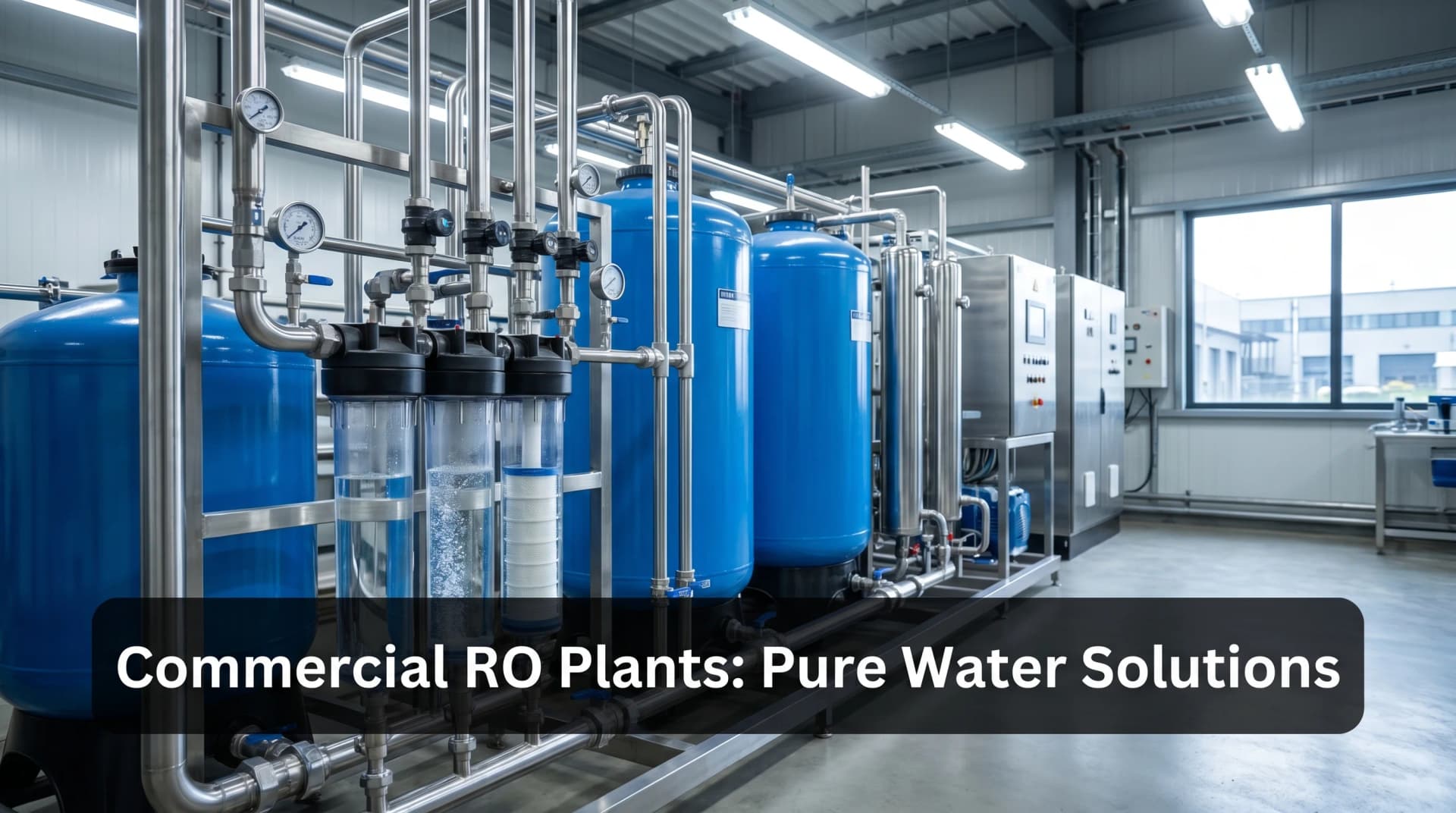
Choosing the Right Commercial Water Purification System for Your Growing Business Needs
Access to clean, safe drinking water has become a critical concern for businesses across India, especially in rapidly developing urban centers where water quality varies significantly. Commercial establishments, small manufacturing units, educational institutions, and healthcare facilities require reliable water purification solutions that can handle substantial daily consumption without compromising on quality. The demand for efficient purification systems has grown tremendously as awareness about waterborne diseases and contamination increases among business owners and facility managers.
When planning water purification infrastructure for commercial spaces, understanding capacity requirements becomes the foundation of making an informed decision. A system producing around one hundred liters per hour strikes an excellent balance between serving medium-sized operations and maintaining manageable operational costs. This capacity range suits restaurants, small hotels, corporate offices with fifty to hundred employees, dental clinics, pathology labs, and educational institutions with moderate student populations. The selection process involves evaluating multiple factors including source water quality, daily consumption patterns, available installation space, and long-term maintenance considerations.
The water quality challenges faced by businesses in metropolitan regions require sophisticated purification technology that can address multiple contaminants simultaneously. Hard water with excessive total dissolved solids, bacterial contamination, heavy metal presence, and chemical pollutants demand multi-stage filtration processes. A properly configured commercial purification system employs reverse osmosis technology as its core treatment method, supported by pre-filtration and post-treatment stages. This comprehensive approach ensures that the output water meets Bureau of Indian Standards specifications for drinking water while maintaining essential mineral content for taste and health benefits.
Investment in commercial water purification equipment represents a strategic decision that impacts operational efficiency, employee health, customer satisfaction, and regulatory compliance. Businesses must evaluate both initial acquisition costs and ongoing operational expenses to understand the true cost of ownership. The price variations in the market reflect differences in build quality, component brands, automation features, and after-sales support. Making an informed choice requires understanding what features justify higher prices and which aspects can be compromised without affecting water quality or system reliability.
Understanding Capacity Requirements and System Specifications
The capacity measurement in liters per hour provides a clear indication of how much purified water a system can produce during continuous operation. A 100 lph ro plant typically processes water at a steady rate that translates to approximately twenty-four hundred liters per day when operated for twenty-four hours. However, practical daily output depends on operating hours, source water quality, and maintenance schedules. Businesses should calculate their peak consumption periods and total daily requirements to ensure the selected system capacity provides adequate supply with some buffer for unexpected demand spikes.
Source water characteristics significantly influence system performance and output quality. Water with total dissolved solids levels above thousand parts per million requires more aggressive treatment, which may reduce the effective output rate. Similarly, water with high turbidity or bacterial contamination necessitates additional pre-treatment stages. Testing source water before system selection helps in configuring the appropriate pre-filters, membrane specifications, and post-treatment requirements. Professional water quality analysis provides detailed information about hardness, pH levels, microbial content, and chemical contaminants that inform system design decisions.
Component quality directly impacts system reliability and maintenance frequency. High-grade reverse osmosis membranes from reputed manufacturers deliver consistent performance over extended periods, typically lasting two to three years under normal operating conditions. The pump assembly, pressure vessels, flow restrictors, and control valves represent critical components where quality differences become apparent during long-term operation. Stainless steel construction for critical contact points ensures durability and prevents corrosion that could compromise water quality. Electronic controllers with automatic flush cycles and pressure monitoring extend membrane life and maintain optimal performance.
Key Features That Distinguish Premium Systems
Advanced purification systems incorporate multiple protection mechanisms that ensure consistent water quality regardless of input water variations. Automatic flush systems activate at predetermined intervals to clean membrane surfaces, preventing scaling and biological growth that reduce efficiency. High-pressure pumps maintain optimal operating pressure across the reverse osmosis membrane, ensuring effective contaminant rejection. Booster pumps become necessary when source water pressure falls below the minimum required for efficient reverse osmosis operation, which commonly occurs in areas with municipal water supply challenges.
Storage capacity planning complements purification capacity to ensure uninterrupted water availability during peak demand periods. A well-designed installation includes food-grade storage tanks sized to hold several hours of production, allowing the purification system to operate during off-peak hours when power costs may be lower. Tank materials should resist bacterial growth while maintaining water quality during storage. Float switches and level indicators automate system operation, starting production when storage levels drop and stopping when tanks reach capacity.
Energy efficiency considerations become increasingly important as businesses focus on sustainability and operating cost reduction. Modern systems incorporate energy-saving features like variable speed drives on pumps, optimized membrane configurations for lower operating pressure, and intelligent controllers that minimize unnecessary operation. Power consumption for a ro plant typically ranges from one to two kilowatts per hour, translating to significant electricity costs over years of operation. Comparing energy efficiency ratings alongside purchase prices provides a more accurate picture of long-term cost implications.
Investment Analysis and Market Pricing Dynamics
The 100 lph ro plant price varies considerably across the Indian market, ranging from seventy-five thousand to two hundred fifty thousand rupees depending on specifications and features. Entry-level systems with basic components and manual operation fall at the lower end, suitable for businesses with tight budgets and technical staff who can manage manual monitoring. Mid-range offerings incorporate semi-automatic operation, better component quality, and basic monitoring systems, typically priced between one hundred twenty thousand and one hundred seventy thousand rupees. Premium systems with fully automatic operation, remote monitoring capabilities, and superior build quality command higher prices but deliver better reliability and lower maintenance costs.
Geographic variations in pricing reflect local market dynamics, transportation costs, and service network availability. Businesses seeking a ro plant gurgaon face pricing influenced by the region's competitive market and proximity to manufacturing hubs. The National Capital Region benefits from numerous suppliers and service providers, creating price competition that can favor buyers. However, evaluating suppliers based solely on initial purchase price overlooks critical factors like installation quality, service response times, and genuine replacement part availability.
Total cost of ownership calculations should include installation expenses, annual maintenance contracts, filter replacement schedules, and membrane replacement costs. Professional installation typically adds ten to fifteen percent to the equipment cost but ensures proper commissioning and warranty coverage. Annual maintenance contracts ranging from twelve to twenty thousand rupees provide scheduled servicing, emergency support, and consumable replacements. Pre-filters require replacement every three to six months at costs between fifteen hundred and three thousand rupees per set, while membrane replacement every two to three years costs between eighteen thousand and thirty-five thousand rupees depending on membrane type and brand.
System Variants and Configuration Options
Single-stage reverse osmosis systems provide basic purification suitable for source water with moderate contamination levels. These configurations include sediment pre-filtration, carbon filtration for chlorine removal, and the reverse osmosis membrane stage. Output water typically achieves seventy to eighty percent reduction in total dissolved solids, adequate for most drinking water applications. The simplicity of single-stage systems translates to lower initial costs and straightforward maintenance, making them popular choices for businesses with limited technical capabilities.
Double-pass configurations circulate water through two reverse osmosis stages, achieving higher purity levels necessary for specialized applications like pharmaceutical preparation, laboratory use, or electronics manufacturing. The second pass reduces total dissolved solids to below twenty parts per million, producing water quality comparable to distilled water. These systems command premium pricing due to additional membranes, storage tanks, and pumping equipment. Operating costs also increase due to higher power consumption and more frequent membrane maintenance.
Hybrid systems combine reverse osmosis with ultraviolet sterilization and ultrafiltration to address specific water quality challenges. Ultraviolet chambers positioned after the storage tank eliminate any bacterial regrowth that might occur during storage, ensuring microbiologically safe water at the dispensing point. Ultrafiltration membranes remove suspended particles and larger molecules that reverse osmosis might pass at trace levels. These enhanced configurations suit healthcare facilities, food processing units, and other applications where water purity directly impacts product quality or customer health.
Making the Right Choice for Long-Term Success
Selecting commercial water purification equipment requires balancing immediate budget constraints against long-term operational requirements and cost implications. Businesses should prioritize systems from manufacturers with established service networks in their geographic area, ensuring prompt support when technical issues arise. Warranty coverage extending beyond the standard one year, particularly for critical components like pumps and membranes, indicates manufacturer confidence in product quality. Documentation quality, including operation manuals, maintenance schedules, and troubleshooting guides in local languages, facilitates effective system management by facility staff.
Installation location planning impacts system performance and maintenance accessibility. Adequate ventilation prevents heat buildup around electrical components, while protection from direct sunlight preserves plastic components and prevents algae growth in transparent tubing. Proper drainage connections for reject water disposal prevent flooding and enable water recovery for non-potable applications like floor cleaning or landscaping. Electrical connections with dedicated circuits and appropriate surge protection safeguard sensitive electronic controls from power fluctuations common in many Indian localities.
The commercial water purification landscape continues evolving with technological advances in membrane materials, automation capabilities, and remote monitoring systems. Businesses investing today should consider systems designed for future upgrades, including provisions for additional pre-treatment stages, enhanced automation, or capacity expansion. A thoughtfully selected system serves as infrastructure that supports business growth, protects employee and customer health, and demonstrates organizational commitment to quality and safety standards. The investment pays dividends through reduced bottled water expenses, improved employee satisfaction, regulatory compliance, and enhanced corporate reputation among environmentally conscious stakeholders.
FAQ
Q - What types of businesses are best suited for a 100 LPH capacity water purification system?
A - A 100 LPH capacity system works ideally for medium-sized commercial establishments with moderate daily water consumption needs. This includes restaurants serving 50-80 customers daily, corporate offices with 50-100 employees, small hotels, dental and pathology clinics, educational coaching centers, and small manufacturing units. The capacity provides approximately 2,400 liters per day during continuous operation, which comfortably meets the drinking water requirements of such establishments. Businesses should assess their peak consumption hours and total daily requirements to ensure this capacity aligns with their operational needs without causing water shortages during high-demand periods.
Q - What are the main water quality issues that commercial purification systems need to address in Indian cities?
A - Commercial establishments in Indian metropolitan areas typically face multiple water contamination challenges that require comprehensive treatment solutions. The most common issues include high total dissolved solids causing hardness, bacterial and microbial contamination posing health risks, presence of heavy metals like lead and arsenic, and chemical pollutants from industrial activities. Additionally, chlorine from municipal treatment and sediment particles affect taste and appearance. A properly designed commercial system addresses these concerns through multi-stage filtration combining pre-treatment filters, reverse osmosis technology, and post-treatment processes to ensure the output water meets safety standards while retaining beneficial minerals.
Q - Besides the initial purchase price, what ongoing costs should businesses consider when investing in commercial water purification equipment?
A - The true cost of ownership extends well beyond the initial equipment investment and includes several recurring expenses. Regular filter replacements form the primary operational cost, with pre-filters requiring changes every 3-6 months and membrane replacements needed annually or bi-annually depending on source water quality. Electricity consumption for running pumps and control systems adds to monthly utility bills. Periodic professional servicing, water quality testing, and replacement of worn components like O-rings and fittings contribute to maintenance expenses. Businesses should also factor in potential water wastage during the purification process and calculate the total cost per liter of purified water for accurate budgeting.
Q - How does reverse osmosis technology work in commercial water purification systems and why is it preferred?
A - Reverse osmosis technology works by forcing water under pressure through a semi-permeable membrane that blocks contaminants while allowing pure water molecules to pass through. The membrane's microscopic pores effectively remove up to 90-95% of dissolved salts, heavy metals, bacteria, viruses, and chemical pollutants from the source water. This technology is preferred for commercial applications because it addresses multiple contamination types simultaneously without requiring chemical additives. The process produces consistent water quality regardless of source water fluctuations, requires minimal operator intervention once properly set up, and provides a reliable solution that meets stringent health and safety standards required for commercial establishments serving customers or employees.
When selecting a 100 LPH RO plant for your commercial or industrial facility, understanding the technical specifications, maintenance requirements, and long-term operational costs becomes essential for making an informed investment. Learn more about how advanced membrane technology, multi-stage filtration processes, and automated monitoring systems work together to deliver consistent water quality that meets Bureau of Indian Standards. Explore further into the comparative analysis of leading manufacturers, their after-sales support infrastructure, and real-world performance data from similar businesses in your sector to discover how the right RO system can reduce downtime, minimize waste, and ensure uninterrupted access to purified water for your operations.
Related Blogs
How to Choose best 100 LPH RO Plant