
RO Freezing or Slow in Winter: Causes and Fixes
RO Freezing or Slow in Winter: Causes and Fixes
Winter months bring relief from scorching heat, but they also introduce unique challenges for household appliances, especially water purifiers. Many homeowners notice their reverse osmosis systems performing poorly during cold weather, with reduced water output or complete freezing in extreme conditions. Understanding why your RO system struggles in winter and knowing how to address these issues can save you from inconvenience and costly repairs. If you experience persistent problems, reaching out to ro service gurgaon professionals ensures your purifier operates efficiently throughout the season.
The drop in temperature affects the membrane efficiency and overall performance of RO systems significantly. Water viscosity increases in cold conditions, making it harder for water molecules to pass through the semi-permeable membrane. This scientific phenomenon explains why your purifier produces less water or takes longer to fill the storage tank during winter mornings. Additionally, if your RO unit is installed in an outdoor area, garage, or unheated space, the risk of freezing becomes even more pronounced.
Many households across northern Indian cities experience these winter-related RO issues annually. The temperature variations between day and night can be drastic, especially in regions experiencing harsh winters. When water inside the RO components freezes, it can damage delicate parts like membranes, filters, and tubing. Prevention is always better than cure, which is why understanding the root causes and implementing timely solutions is essential for maintaining uninterrupted access to clean drinking water.
This comprehensive guide explores the primary reasons behind RO freezing and slow performance in winter, along with practical solutions you can implement immediately. We will also discuss when professional intervention from ro customer care gurgaon becomes necessary to prevent permanent damage to your water purification system.
Understanding How Cold Weather Affects RO Systems
Reverse osmosis systems rely on water pressure and membrane permeability to filter contaminants effectively. During winter, several physical and mechanical factors combine to reduce system efficiency. The membrane pores contract slightly in cold temperatures, restricting water flow through them. Simultaneously, cold water becomes denser and more viscous, requiring greater pressure to push through the filtration stages.
The ideal operating temperature for most RO systems ranges between 25 to 30 degrees Celsius. When temperatures drop below 15 degrees Celsius, you may notice a significant decrease in purified water production. Some systems can lose up to 50 percent of their normal output when operating in temperatures around 5 to 10 degrees Celsius. This dramatic reduction often leads homeowners to believe their purifier has malfunctioned, when in reality, it is simply responding to environmental conditions.
The pre-filters and sediment filters also perform less efficiently in cold weather. Particulate matter may not be trapped as effectively, and the carbon filters designed to remove chlorine and organic compounds work slower at lower temperatures. The entire multi-stage filtration process experiences a slowdown, resulting in reduced water flow from the faucet. Understanding these temperature-related dynamics helps you set realistic expectations and implement appropriate winterizing measures.
Common Causes of RO Freezing in Winter
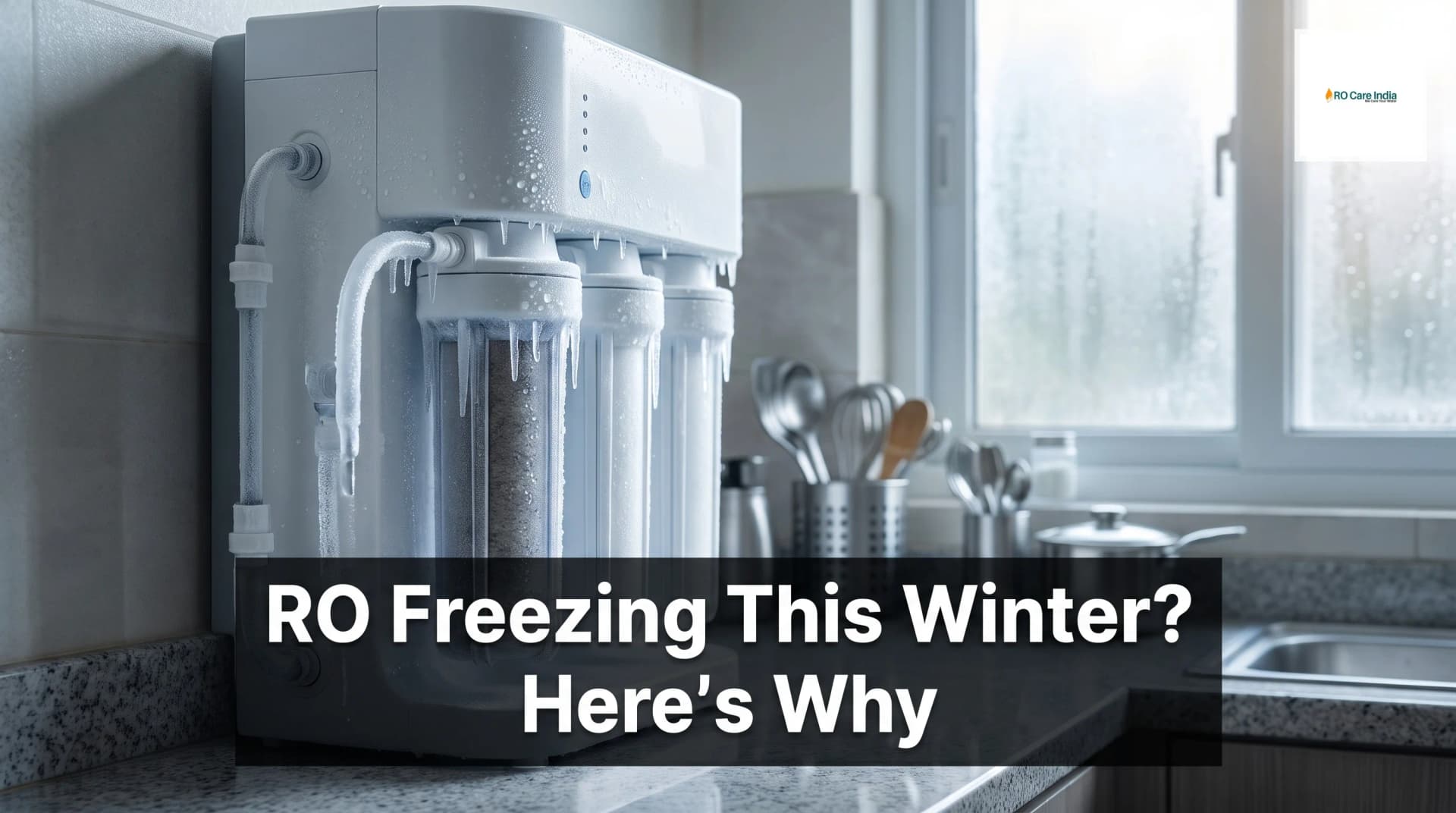
Frozen water inside RO components represents one of the most serious winter-related issues. When water freezes, it expands by approximately 9 percent, potentially cracking filters, housings, and membranes. Identifying what causes freezing helps you take preventive action before damage occurs.
Installation location plays a crucial role in freezing risk. RO systems installed in unheated basements, garages, balconies, or outdoor utility areas face the highest danger. Even if your indoor temperature remains comfortable, pipes running through exterior walls or uninsulated spaces can freeze overnight. Many Indian homes have water purifiers installed near kitchen windows or in service balconies where temperatures can drop significantly after sunset.
Inadequate insulation around water lines and RO components allows heat to escape rapidly. The thin plastic tubing used in most RO systems offers minimal insulation value. When exposed to freezing temperatures for extended periods, the water inside these tubes solidifies. The storage tank, despite being indoors, can also freeze if placed directly against cold exterior walls or in poorly insulated areas.
Power outages during winter nights can disable heating elements or temperature regulation features in advanced RO models. Without continuous operation, water sitting idle in the system becomes vulnerable to freezing. Additionally, systems that have not been properly drained before winter or those with stagnant water in rarely used sections face higher freezing risks.
Low water pressure during winter months, often caused by municipal supply issues or frozen input lines, can cause the RO system to work harder and longer. This extended operation in cold conditions increases the likelihood of ice formation within the system components.
Why Your RO Produces Water Slowly in Winter
Beyond complete freezing, many RO systems experience significantly reduced flow rates during cold months. This gradual slowdown frustrates users who depend on consistent water supply for daily needs. Several interconnected factors contribute to this winter sluggishness.
Membrane performance degradation tops the list of causes for slow water production. The TFC (Thin Film Composite) membranes commonly used in residential RO systems are temperature-sensitive. As temperatures decrease, the molecular activity slows down, and the membrane's rejection rate increases while permeate flow decreases. A membrane producing 50 liters per day at normal temperature might only produce 25 to 30 liters when operating at 10 degrees Celsius.
Increased water viscosity at lower temperatures requires more pressure to push water through the membrane. Standard household water pressure may be insufficient during winter, especially in the early morning hours when temperatures are lowest. The pump works harder but achieves less output, leading to longer filling times for the storage tank.
Clogged pre-filters compound the problem during winter. Sediment and particulate matter accumulate faster when water flows slowly, and the reduced flow prevents effective backwashing of filter media. If your filters have not been replaced recently, winter performance will suffer even more dramatically. Combining old filters with cold water creates a perfect scenario for minimal output.
The automatic shut-off valve may also malfunction in cold weather. This valve stops water production when the storage tank is full, but cold temperatures can cause it to activate prematurely or stick in the closed position. If your tank is not filling completely or production stops unexpectedly, the shut-off valve may need adjustment or replacement. Contacting ro service center gurgaon technicians can help diagnose and resolve valve-related issues efficiently.
Immediate Fixes You Can Implement at Home
Before calling professional help, several troubleshooting steps can restore your RO system to better winter performance. These practical solutions address common cold-weather problems and can be implemented by most homeowners without specialized tools.
Relocate the RO system if possible. Moving your purifier from an unheated area to a warmer location inside the home provides immediate improvement. Even shifting it a few feet away from exterior walls or cold windows can make a significant difference. Ensure the new location has proper drainage access and electrical connectivity.
Insulate exposed pipes and components using foam pipe insulation sleeves available at hardware stores. Wrap all visible tubing, especially sections running through cold areas. Pay special attention to the feed water line and the drain line. For the storage tank, consider placing it inside an insulated box or wrapping it with thermal blankets designed for water heaters. This simple measure can prevent freezing even when room temperatures drop significantly.
Install a recirculation system or allow water to drip continuously from the RO faucet during extremely cold nights. Moving water freezes much slower than stagnant water. Allowing a small stream to flow prevents ice formation in the lines. While this wastes some water, it protects your investment from freeze damage.
Increase room temperature in the area where your RO is installed. Using a small space heater near the unit during coldest hours maintains optimal operating conditions. Ensure the heater is placed safely away from water sources and follows all electrical safety guidelines. Alternatively, heat lamps designed for plumbing protection can be directed toward the RO system.
Check and adjust water pressure using the pressure gauge on your system. If pressure has dropped below the recommended range (typically 40 to 60 ppm), you may need to install a booster pump or adjust your existing pump settings. Many service providers offer pressure testing and pump installation services.
Replace filters before winter if they are approaching their replacement schedule. Fresh filters process cold water more efficiently than clogged ones. Carbon filters and sediment filters should be changed according to manufacturer recommendations, typically every 6 to 12 months depending on water quality and usage.
Professional Solutions and When to Call Experts
While DIY measures help with minor winter performance issues, certain problems require professional diagnosis and repair. Recognizing when to seek expert assistance prevents further damage and ensures safe operation of your water purification system.
Persistent freezing despite insulation efforts indicates a more serious problem with system design or installation location. Professional technicians can assess your setup and recommend permanent solutions like relocating the unit, installing heating cables, or upgrading to a winterized RO model with built-in temperature protection.
Strange noises such as loud grinding, continuous running, or unusual vibrations suggest mechanical problems that worsen in cold weather. The pump may be straining against increased water viscosity, or internal components may have sustained freeze damage. Continuing to operate a malfunctioning system can lead to complete failure and expensive replacements.
When to Contact Professional Services:
- No water production despite troubleshooting attempts
- Water leaking from anywhere in the system
- Foul taste or odor in purified water
- Visible cracks in filter housings or storage tank
- System runs continuously without shutting off
- Reduced water quality indicated by TDS meter readings
- System makes loud or unusual sounds
- Multiple error codes displayed on digital models
- Recently experienced a complete freeze
Professional technicians bring diagnostic equipment, genuine replacement parts, and expertise in handling complex RO systems. They can perform membrane integrity tests, pressure checks, and component replacements that ensure optimal performance. Annual maintenance contracts with service providers offer preventive care that identifies potential winter problems before they cause system failure.
Preventive Measures for Future Winters
Preparing your RO system before winter arrives prevents most cold-weather problems. A proactive approach saves money on emergency repairs and ensures uninterrupted access to clean water throughout the season.
Pre-Winter Inspection Checklist:
- Schedule professional maintenance in late October or early November
- Replace all filters due for change within the next three months
- Inspect all tubing for cracks, brittleness, or loose connections
- Test the auto shut-off valve and high-pressure switch
- Verify adequate insulation around exposed components
- Check the drain line for proper flow and positioning
- Test water pressure at different times of day
- Clean the storage tank if sediment has accumulated
- Verify the system location provides adequate warmth
Install a temperature monitoring system in the area where your RO is located. Digital thermometers with alert functions can notify you when temperatures approach freezing, allowing immediate action. Some advanced RO models come with built-in temperature sensors that automatically adjust operation based on ambient conditions.
Consider upgrading to a winterized RO model if you live in areas with severe winters. These systems feature heated storage tanks, insulated housings, and pumps designed to operate efficiently in cold temperatures. While initially more expensive, they eliminate recurring winter problems and provide consistent performance year-round.
Maintain a winter emergency kit including spare filters, tubing, and fittings. Having these items readily available enables quick repairs without waiting for parts delivery during cold snaps. Keep contact information for reliable service providers easily accessible for situations requiring immediate professional assistance.
Understanding RO System Types and Winter Performance
Different RO system configurations respond differently to winter conditions. Understanding your specific system type helps you implement appropriate winterization strategies.
| System Type | Winter Vulnerability | Recommended Protection |
|---|---|---|
| Under-sink manual RO | Moderate | Standard insulation, filter replacement |
| Electric pump-assisted RO | Low to Moderate | Pump maintenance, pressure monitoring |
| Storage tank systems | Moderate to High | Tank insulation, location optimization |
| Tankless RO systems | Low | Minimal protection needed |
| Commercial multi-stage | High | Professional winterization service |
Under-sink manual systems rely entirely on municipal water pressure, making them highly susceptible to winter slowdown when water viscosity increases. These systems benefit most from pressure boosters during cold months. Electric pump models handle cold water better because the pump compensates for increased resistance, though the membrane still operates at reduced efficiency.
Storage tank systems face dual challenges—both the tank and the membrane assembly require protection from freezing. The tank, typically holding 8 to 12 liters, can crack if water freezes inside. Tankless or direct-flow systems eliminate storage-related freezing risks but may experience reduced instantaneous flow rates in winter.
Conclusion
Winter challenges for RO water purifiers are common across India, particularly in northern regions experiencing significant temperature drops. The combination of reduced membrane efficiency, increased water viscosity, and freezing risks creates performance issues ranging from slow water production to complete system failure. Understanding these causes empowers homeowners to implement effective preventive measures and timely fixes.
Simple steps like insulating exposed components, relocating the system to warmer areas, maintaining proper water pressure, and replacing filters before winter can resolve most cold-weather problems. However, persistent issues, strange noises, leaks, or complete freezing require professional intervention to prevent permanent damage. Establishing a relationship with trusted service providers ensures rapid response when emergency situations arise.
Preparing your RO system before winter arrives through comprehensive inspection and maintenance prevents most problems. Investing in proper insulation, monitoring temperature conditions, and considering system upgrades for severe climates protects your investment and ensures uninterrupted access to clean drinking water. Taking proactive measures today saves money on expensive repairs and provides peace of mind throughout the coldest months of the year.
Winter temperatures significantly impact reverse osmosis systems, causing slower filtration rates and potential freezing damage to membranes and storage tanks. Cold water molecules move more slowly through RO membranes, reducing purification efficiency by up to 50% below 77°F. Frozen pipes can crack housings and permanently damage sensitive filtration components. Learn more about protecting your RO system with insulation wraps, relocating units to warmer areas, and installing freeze-prevention devices to maintain optimal water quality throughout winter months.
Related Blogs
- Why RO Water Pressure Low in Mumbai: How to Fix It at Home?
- Why Does My RO Purifier Keep Tripping the Electrical Switch in Mumbai?
- RO Purifier Air Lock Problem in Kolkata: How to Identify and Fix It
- Why Aquaguard Leaking From Filter Housing in Kolkata: How to Fix it?
- RO Power Light Blinking But No Water: What's Wrong and How to Fix It?