
Why RO Water Pressure Low in Mumbai: How to Fix It at Home?
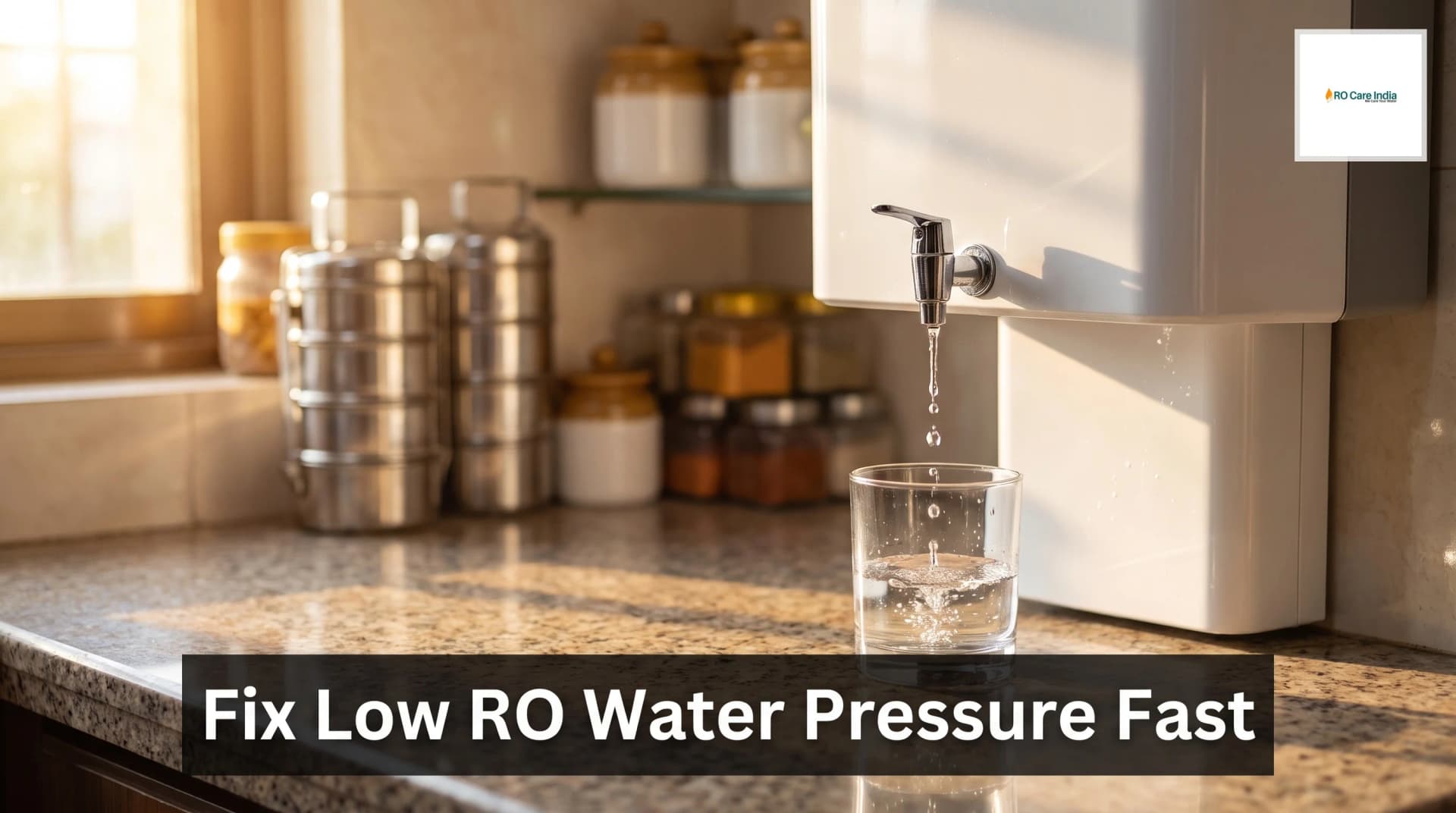
Why RO Water Pressure Low in Mumbai: How to Fix It at Home?
Mumbai residents know the struggle of dealing with inconsistent water supply and pressure issues, especially when it comes to water purifiers. When your RO system starts delivering water at a frustratingly slow pace, it can disrupt your entire household routine. Low water pressure in RO purifiers is one of the most common complaints in Mumbai homes, affecting everything from drinking water availability to cooking needs. Understanding why this happens and knowing how to fix it can save you time, money, and unnecessary stress.
The good news is that most low-pressure issues can be resolved without professional intervention. However, knowing when to call for ro service mumbai assistance is equally important. Many homeowners in the city face this problem due to the unique water supply challenges Mumbai presents, including fluctuating municipal pressure, high TDS levels, and aging water infrastructure. Whether you live in a high-rise apartment in Andheri or an independent house in Bandra, low RO water pressure can happen to anyone.
Before you panic and search for the nearest ro service center, it helps to understand the root causes of this issue. From clogged filters and membrane fouling to pressure tank problems and booster pump failures, several factors can contribute to reduced water flow. Some fixes are as simple as replacing a filter, while others might require technical expertise. This comprehensive guide will walk you through the common causes, DIY solutions, and when to seek professional help.
By the end of this article, you will have a clear understanding of how to diagnose and fix low water pressure issues in your RO system. We will also discuss preventive maintenance tips to ensure your purifier continues to deliver clean water at optimal pressure throughout the year. Let us dive into the details and help you restore your RO system to peak performance.
Common Causes of Low RO Water Pressure in Mumbai Homes
Understanding the root cause of low water pressure is the first step toward fixing the problem. Mumbai's unique water supply characteristics make RO systems particularly vulnerable to certain issues. The city's hard water with high TDS levels often leads to faster accumulation of minerals and sediments in the filtration system, reducing water flow over time.
Clogged pre-filters are among the most frequent culprits. These filters are designed to remove larger particles, sediments, and chlorine before water reaches the RO membrane. In Mumbai, where water quality varies significantly across neighborhoods, these filters can become saturated quickly. When pre-filters are blocked, water struggles to pass through, resulting in reduced output pressure. Most experts recommend replacing sediment and carbon filters every six to twelve months, depending on your water quality and usage.
The RO membrane itself can also become fouled or damaged. This semi-permeable membrane is the heart of your purification system, removing dissolved solids, bacteria, and contaminants. Over time, mineral deposits, especially calcium and magnesium common in Mumbai's hard water, coat the membrane surface. This scaling reduces the effective filtration area, slowing down water production dramatically. A fouled membrane not only affects pressure but also compromises water quality.
Pressure tank problems represent another significant cause of low water flow. The storage tank in your RO system maintains water pressure for dispensing. If the tank's air bladder loses pressure or ruptures, water flow becomes weak and inconsistent. You can check this by pressing the pressure valve on the tank. If water comes out instead of air, the bladder needs replacement. Additionally, low inlet water pressure from your municipal supply can directly impact RO performance. Mumbai's water supply pressure varies greatly by area and time of day, with some localities experiencing pressure as low as 20-30 PSI when RO systems typically need 40-60 PSI to function optimally.
DIY Fixes You Can Try at Home
Before contacting ro service mumbai professionals, several troubleshooting steps can help you identify and potentially resolve the issue yourself. Start with the simplest solution by checking your inlet water supply. Turn off your RO system and open a regular tap nearby to verify the incoming water pressure. If the pressure seems adequate, proceed to inspect the RO unit's shut-off valve, ensuring it is fully open. Sometimes valves get partially closed during cleaning or maintenance, restricting water flow.
Next, examine and replace your pre-filters if they have not been changed recently. Most RO systems have two or three pre-filters visible when you open the housing unit. Turn off the water supply and carefully unscrew the filter housings using the provided wrench. Remove the old filters and inspect them for discoloration, sediment buildup, or foul odors. Replace them with compatible new filters, ensuring proper sealing when reassembling. After installation, run water through the system for a few minutes to flush out air bubbles and loose particles.
Check the pressure tank by locating the pressure valve, typically found at the bottom or side of the tank. Use a tire pressure gauge to measure the air pressure when the tank is empty. The ideal pressure should be between 7-8 PSI. If the reading is lower, use a bicycle pump or air compressor to inflate it to the recommended level. If water leaks from the valve during this process, the bladder is likely damaged and requires replacement. Cleaning the membrane housing can also help restore pressure, though this requires more technical knowledge. Flush the system by closing the storage tank valve and opening the faucet, allowing water to flow directly from the membrane for several minutes.
Inspect all tubing connections for kinks, bends, or blockages. The quarter-inch tubing used in RO systems can develop calcium deposits or get pinched during installation. Straighten any bent tubes and consider replacing sections that appear heavily scaled. Finally, examine the flow restrictor, a small component that regulates wastewater flow. If it becomes clogged with debris, it can create back-pressure that reduces purified water output. Remove and clean it under running water, or replace if damaged.
When to Call Professional RO Service in Mumbai
While many pressure issues can be resolved at home, certain situations require expert intervention. If you have attempted the DIY fixes mentioned above without success, it is time to contact ro customer care number mumbai, for professional assistance. Persistent low pressure despite filter replacements and maintenance checks often indicates deeper mechanical or component failures that need specialized tools and expertise to diagnose.
Booster pump failures are a common issue that demands professional attention. RO systems in areas with consistently low municipal water pressure require booster pumps to push water through the membrane effectively. These pumps can fail due to electrical issues, motor burnout, or mechanical wear. Diagnosing and repairing booster pumps requires electrical knowledge and proper testing equipment. Attempting repairs without expertise can damage the pump further or create safety hazards.
Membrane replacement is another task best left to professionals. While technically possible for experienced DIYers, improper membrane installation can lead to leaks, contamination, or system damage. Professional technicians from an authorized ro service center can properly sanitize the system, install genuine replacement membranes, and ensure optimal performance. They can also perform water quality tests to verify that TDS levels are within acceptable ranges after membrane replacement.
Complex pressure tank issues, such as bladder replacement or tank malfunctions, also warrant professional help. These repairs require draining the system completely, handling pressurized components safely, and ensuring proper reassembly. Additionally, if your RO system shows multiple symptoms like strange noises, water leaks, electrical issues, or consistently poor water quality alongside low pressure, comprehensive professional diagnostics are necessary to identify and resolve all problems effectively.
Comparison of Service Options in Mumbai
| Service Type | Average Cost (INR) | Response Time | Best For | Warranty Coverage |
|---|---|---|---|---|
| Authorized Service Center | 500-2000 | 24-48 hours | Complex repairs, membrane replacement | Yes, genuine parts |
| Local Technician | 300-1000 | Same day | Basic repairs, filter changes | Limited or none |
| Annual Maintenance Contract | 1500-4000/year | Priority scheduling | Regular maintenance, preventive care | Included in contract |
| DIY Repairs | 200-800 (parts only) | Immediate | Simple fixes, filter replacement | No professional warranty |
Choosing the right service option depends on your specific situation, technical comfort level, and budget. Authorized service centers provide genuine parts and trained technicians but may charge higher fees and have longer wait times. Local technicians offer quick, affordable service but might use non-genuine components. Annual maintenance contracts work well for households that prioritize convenience and preventive care, ensuring regular servicing without the hassle of scheduling individual appointments.
Preventive Maintenance Tips for Optimal RO Performance
Preventing low water pressure issues is far more cost-effective than fixing them repeatedly. Establishing a regular maintenance schedule is crucial for Mumbai households where water quality challenges are constant. Mark your calendar to replace sediment and carbon pre-filters every six months, or more frequently if your water source has high turbidity. Post-monsoon is an especially important time for filter replacement, as municipal water quality often deteriorates during heavy rains.
Monitor your water TDS levels regularly using an affordable TDS meter available for 300-500 rupees. Mumbai's water TDS varies from 200-800 ppm depending on your location, with some areas experiencing seasonal fluctuations. High TDS readings indicate your membrane may be working harder, potentially leading to faster fouling and reduced pressure. If readings consistently exceed 300 ppm for purified water, schedule a professional inspection.
Sanitize your RO system annually to prevent bacterial growth and biofilm formation, which can clog components and reduce flow. Professional sanitization involves using food-grade disinfectants to clean all parts of the system, ensuring both safety and performance. Between professional cleanings, wipe down external surfaces and check for any visible leaks or moisture around connections.
Additional preventive measures include installing a pre-filter for your main water line if you live in an area with particularly poor water quality. This extra filtration layer protects your RO system from excessive sediment load. Ensure adequate water pressure by checking your building's overhead tank regularly and maintaining proper water levels. Consider installing a pressure gauge on your RO inlet to monitor supply pressure, allowing you to identify municipal supply issues before they damage your system.
Keep your RO system's area clean and well-ventilated to prevent dust accumulation and moisture-related problems. Avoid placing heavy items on or near the unit that could damage tubing or components. Finally, maintain a service log documenting all maintenance activities, filter changes, and professional visits. This record helps you track patterns, predict maintenance needs, and provide valuable information to technicians when issues arise.
Understanding Mumbai's Water Supply Challenges
Mumbai's water supply system presents unique challenges that directly impact RO purifier performance. The city receives water from multiple sources including Tansa, Vihar, Tulsi, and Powai lakes, each with varying quality characteristics. During monsoon season, source water can have higher turbidity and microbial content, while summer months often see increased TDS levels due to lower water volumes and higher evaporation rates.
Different neighborhoods experience vastly different water quality. Areas closer to distribution points typically receive better quality water at higher pressure, while locations at the network's periphery often struggle with both quality and pressure issues. High-rise buildings add another complexity layer, as water must be pumped to overhead tanks, creating additional pressure variations based on tank levels and pump conditions.
The aging water infrastructure in many Mumbai localities contributes to contamination and pressure inconsistencies. Pipe corrosion introduces iron and other metals into the water supply, while leaks and breaks allow external contamination. These factors make robust pre-filtration and regular RO maintenance essential for consistent water quality and flow. Understanding your specific area's water characteristics helps you anticipate maintenance needs and choose appropriate filtration settings.
Municipal supply interruptions, common during maintenance work or infrastructure repairs, can also affect RO performance. When supply resumes after interruptions, initial water flow often carries higher sediment loads that can quickly clog filters. Running taps for a few minutes before allowing water into your RO system after supply restoration helps protect your filtration components.
Choosing the Right RO System for Mumbai Conditions
Selecting an RO purifier designed to handle Mumbai's specific water challenges can prevent many pressure-related issues. Systems with higher gallon-per-day (GPD) ratings, typically 75-100 GPD, maintain better output pressure even as filters age. Multi-stage filtration with dedicated sediment, carbon, and post-carbon filters provides superior protection for the RO membrane, extending its life and maintaining consistent pressure.
Built-in booster pumps are essential for Mumbai homes where municipal supply pressure is unreliable. These pumps ensure consistent pressure to the membrane regardless of inlet variations, maintaining steady water production. Look for systems with pressure gauges that help you monitor performance and identify issues early. Storage tank capacity matters too—larger tanks provide more reserve water during low-pressure periods, ensuring availability even when production slows.
Consider RO systems with automatic flushing features that clean the membrane periodically, reducing scaling and fouling. This automation helps maintain pressure without requiring manual intervention. Water-saving technology is also important in a city facing water scarcity. Systems with improved recovery rates waste less water during purification, making them more sustainable and cost-effective. When investing in a new system, factor in the availability of local service support, genuine spare parts, and the manufacturer's service network in Mumbai. A well-chosen system matched to local conditions requires less frequent repairs and maintains optimal pressure longer.
Conclusion
Low RO water pressure in Mumbai homes is a solvable problem when approached systematically. By understanding common causes like clogged filters, fouled membranes, pressure tank issues, and insufficient inlet pressure, you can diagnose problems accurately and apply appropriate solutions. Many issues can be resolved through simple DIY fixes including filter replacement, tank pressure adjustment, and connection inspection, saving both time and money.
However, recognizing when to seek professional help from ro customer care number mumbai or visit a ro service center prevents minor issues from becoming major failures. Regular preventive maintenance, including scheduled filter changes, annual sanitization, and TDS monitoring, keeps your system operating at peak efficiency and prevents pressure problems before they start. Mumbai's unique water supply challenges demand extra attention to filtration system maintenance, but the reward is consistent access to clean, safe drinking water at adequate pressure. By implementing the strategies outlined in this guide, you can ensure your RO system delivers optimal performance year-round, providing your family with the pure water they deserve.
Low water pressure in your RO system can stem from clogged pre-filters, membrane fouling, or inadequate inlet pressure—common issues in Mumbai's varying water supply conditions. Learn more about diagnostic steps to identify whether your pressure problem originates from municipal supply fluctuations, filter saturation, or pump malfunctions, and discover how regular maintenance schedules can prevent these disruptions before they affect your daily water access.
Related Blogs
- Why Does My RO Purifier Keep Tripping the Electrical Switch in Mumbai?
- RO Purifier Air Lock Problem in Kolkata: How to Identify and Fix It
- Why Aquaguard Leaking From Filter Housing in Kolkata: How to Fix it?
- RO Power Light Blinking But No Water: What's Wrong and How to Fix It?
- Why RO Filter Change Indicator Not Working in Kolkata: What to Check?