
Why Does My RO Purifier Keep Tripping the Electrical Switch in Mumbai?
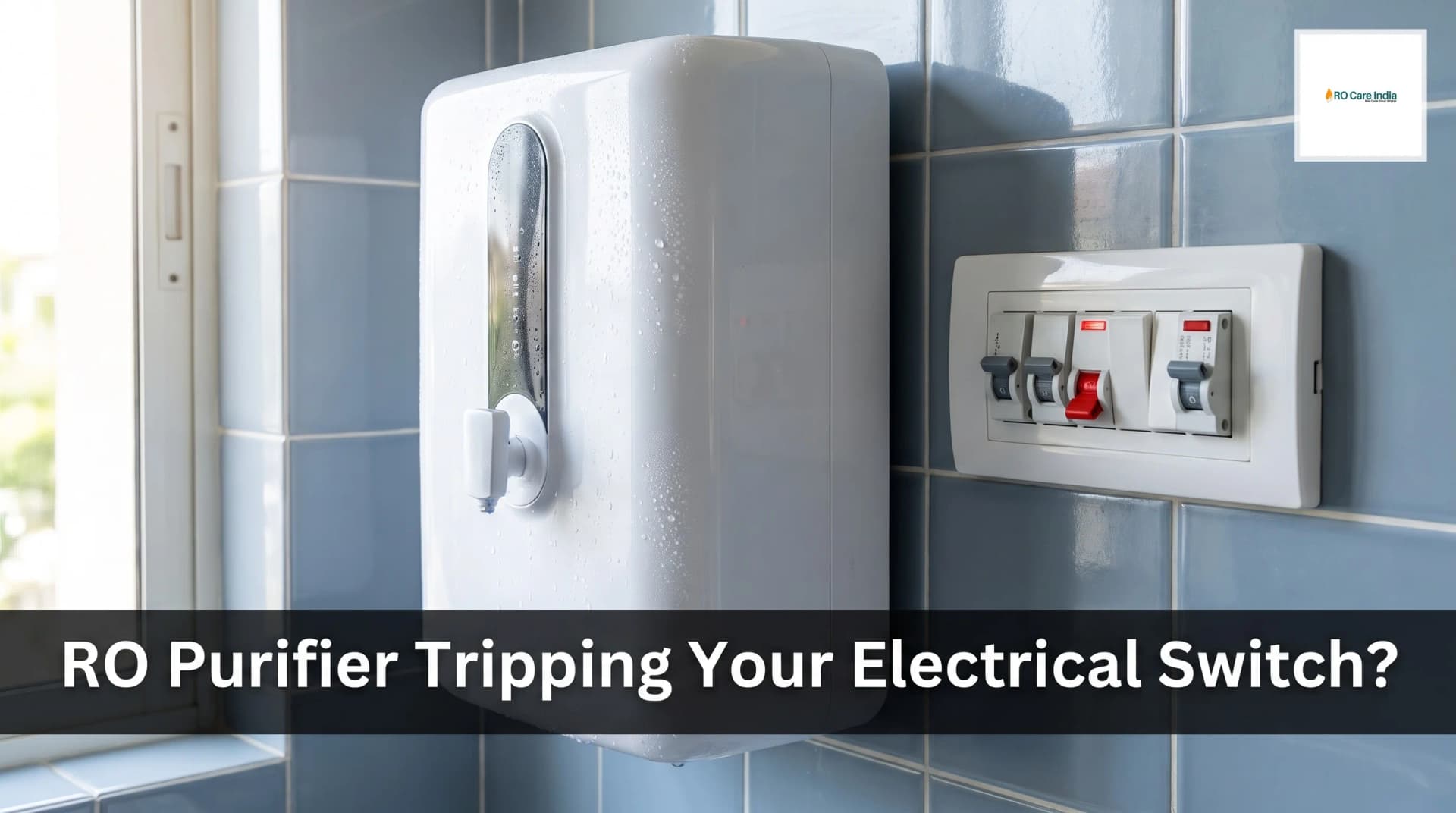
Why Does My RO Purifier Keep Tripping the Electrical Switch in Mumbai?
If your RO water purifier keeps tripping the electrical switch at your Mumbai home, you're not alone in facing this frustrating problem. Many households across the city experience this issue, especially during monsoon months when humidity levels spike or during summer when power fluctuations become more common. This electrical tripping can disrupt your daily water supply and potentially damage your purifier's components if left unaddressed. Understanding why this happens and knowing when to contact ro service mumbai professionals can save you time, money, and ensure your family continues to receive safe drinking water without interruptions.
The good news is that most electrical tripping issues with RO purifiers are fixable once you identify the root cause. Whether it's a faulty component, wiring problem, or external electrical issue, getting prompt assistance from qualified ro customer care mumbai technicians ensures the problem doesn't escalate. Mumbai's unique environmental conditions – high humidity, salt-laden air from coastal proximity, and frequent voltage variations – make water purifiers particularly susceptible to electrical issues that homeowners in other cities might not encounter as frequently.
In this comprehensive guide, we'll explore the common reasons why RO purifiers trip electrical switches, how to diagnose the problem yourself, when professional intervention becomes necessary, and preventive measures to avoid future occurrences. We'll also discuss the importance of choosing reliable ro service center options in Mumbai that understand local conditions and can provide quick, effective solutions.
By the end of this article, you'll have practical knowledge to troubleshoot basic issues and make informed decisions about repair and maintenance. Whether you're in South Mumbai, the Western suburbs, or the extended metropolitan region, these insights will help you maintain uninterrupted access to purified water while protecting your electrical system from potential damage.
Common Causes of Electrical Tripping in RO Purifiers
Understanding why your RO water purifier trips the electrical switch requires looking at both the purifier's internal components and external electrical factors. The most frequent culprit is a malfunctioning solenoid valve, which controls water flow through the purification system. When this valve develops internal short circuits due to moisture ingress or component aging, it draws excessive current that triggers the circuit breaker. Mumbai's high humidity levels accelerate the deterioration of electrical components, making solenoid valve failures more common here than in drier climates.
The SMPS (Switched-Mode Power Supply) board represents another critical component that often causes tripping issues. This board converts your home's AC supply to the DC voltage required by the purifier's electronic components. Over time, capacitors on this board can bulge or leak, transistors can fail, and circuit traces can corrode – especially in coastal areas of Mumbai where salt particles in the air accelerate corrosion. When the SMPS malfunctions, it can create short circuits that immediately trip your electrical switch.
Water leakage inside the purifier creates dangerous electrical hazards and frequent tripping. RO purifiers contain multiple water connections, storage tanks, and membrane housings. If any of these develop cracks or loose fittings, water can seep into electrical compartments, causing short circuits. This issue becomes particularly problematic during Mumbai's monsoon season when humidity is already high, and any additional moisture can trigger electrical faults. Regular inspections by professional technicians can identify potential leak points before they cause serious damage.
Motor or pump failure represents another significant cause of electrical tripping. The booster pump that pushes water through the RO membrane works continuously during filtration cycles. If the pump bearings seize due to scale buildup from Mumbai's hard water, the motor draws excessive current while struggling to operate, eventually tripping the breaker. Similarly, if the pump capacitor weakens – a common issue after 2-3 years of operation – the motor cannot start properly and creates current surges that activate overcurrent protection.
External electrical issues often get overlooked but frequently contribute to tripping problems. Loose connections in your home's electrical wiring, deteriorated MCB (Miniature Circuit Breaker), or shared circuits with high-load appliances can all cause your purifier to trip the switch. In many Mumbai apartments, especially older buildings, electrical wiring hasn't been upgraded to handle modern appliance loads, creating situations where multiple devices on the same circuit lead to frequent tripping.
Diagnosing the Problem: A Step-by-Step Approach
Before calling professional repair services, you can perform some basic diagnostic steps to identify the issue. Start by unplugging the RO purifier and inspecting the power cord and plug for any visible damage, burn marks, or loose connections. Check if the plug prongs are corroded – a common issue in Mumbai's humid climate. If you notice any physical damage to the cord or plug, this could be causing the electrical fault and needs immediate replacement.
Next, examine the circuit breaker or MCB that trips when you operate the purifier. Reset it and try plugging in a different appliance of similar wattage to test whether the breaker itself is functioning correctly. If other appliances also trip the same breaker, the problem lies with your home's electrical system rather than the purifier. However, if only the RO purifier causes tripping, the fault is likely within the appliance itself.
Perform a visual inspection of your purifier's exterior for any signs of water leakage. Check around the base, near connection points, and underneath the unit if accessible. Even minor moisture can indicate internal leakage that might be reaching electrical components. Look for rust stains, water marks, or dampness that suggest water is escaping from the purification system. If you find evidence of leaks, contact a qualified service provider immediately rather than attempting repairs yourself.
Listen carefully to your purifier when you turn it on (if it runs briefly before tripping). Unusual sounds like grinding, buzzing, or clicking can indicate motor problems, relay issues, or solenoid valve malfunctions. A healthy RO purifier produces a consistent humming sound from the pump. Any deviation from normal operating noise patterns suggests internal component failure that requires professional attention.
Try the purifier on a different electrical outlet, preferably one on a separate circuit. This test helps determine if the issue is circuit-specific or purifier-specific. If the purifier works fine on another outlet, your original circuit may be overloaded or have wiring problems. If it still trips on different outlets, the purifier definitely has an internal fault requiring professional repair services from qualified technicians.
When to Call Professional RO Service Providers
Certain situations demand immediate professional intervention rather than DIY troubleshooting. If you smell burning plastic or notice smoke coming from the purifier, immediately disconnect power and call emergency services. Electrical fires can start quickly, and attempting to operate a damaged purifier poses serious safety risks. Professional technicians have the tools and expertise to safely diagnose and repair electrical faults without endangering your family or property.
Repeated tripping despite basic troubleshooting indicates complex internal problems that require specialized knowledge. Modern RO purifiers contain sophisticated electronics, pressure sensors, TDS meters, and control boards that interconnect in ways that make accurate diagnosis challenging without proper training and testing equipment. Authorized service technicians use multimeters, insulation testers, and component analyzers to pinpoint exact failure points quickly.
Water contamination inside electrical compartments necessitates professional service because simply drying the components isn't sufficient. Moisture can leave mineral deposits and cause ongoing corrosion that leads to future failures. Professional technicians disassemble affected areas, clean components with specialized solutions, replace corroded parts, and apply protective coatings to prevent recurrence. They also identify and fix the water leak source to prevent the problem from happening again.
If your purifier is still under warranty, attempting repairs yourself will void coverage. Most manufacturers require that repairs be performed by authorized service centers to maintain warranty validity. Even if you identify the problem, calling authorized technicians ensures you receive genuine replacement parts and proper documentation for warranty claims. This becomes particularly important for expensive components like SMPS boards, pumps, or membrane assemblies.
Preventive Maintenance to Avoid Electrical Issues
Regular preventive maintenance significantly reduces the likelihood of electrical tripping problems. Schedule professional servicing every six months with reputable providers who understand local water conditions and their impact on purifier components. During these visits, technicians inspect electrical connections, clean components, check for early signs of wear, and replace consumables before they fail catastrophically. This proactive approach costs far less than emergency repairs and prevents inconvenient breakdowns.
Keep your purifier's installation area clean and dry. Ensure adequate ventilation around the unit to prevent moisture accumulation, especially important in Mumbai's humid climate. Avoid placing the purifier directly on the floor in bathrooms or kitchens where water splashing is common. Instead, install it at an elevated position with proper drainage provisions if leaks occur. Clean the exterior regularly with a dry cloth to remove dust and salt particles that can contribute to electrical corrosion.
Use a voltage stabilizer specifically designed for RO purifiers if your area experiences frequent power fluctuations. Mumbai's electrical grid, while generally reliable, does experience voltage variations during peak consumption hours and monsoon-related disruptions. A good quality stabilizer protects your purifier's sensitive electronics from damage caused by high voltage spikes or low voltage conditions. This investment extends component life and reduces electrical fault occurrences significantly.
Replace filters and membranes according to manufacturer recommendations rather than extending their service life. Clogged filters force the pump to work harder, increasing electrical current draw and stressing components. When membranes become scaled, back pressure builds up, making the motor struggle and potentially overheat. Following proper maintenance schedules ensures optimal performance with normal electrical consumption. Reliable service providers can set up reminder systems for timely filter replacements.
Install a dedicated electrical circuit for your RO purifier rather than sharing it with high-load appliances. This ensures stable power supply and prevents tripping caused by circuit overloading. Use appropriately rated MCBs specifically for water appliance protection that include earth leakage protection. In Mumbai's coastal areas, consider using corrosion-resistant electrical fittings and periodically checking earth connections to maintain proper electrical safety standards.
Understanding Mumbai-Specific Challenges
Mumbai's coastal location creates unique challenges for RO purifier operation and longevity. The salt-laden air accelerates corrosion of electrical contacts, terminals, and metal components within the purifier. Over months and years, this corrosion can create high-resistance connections that heat up during operation and eventually fail, causing electrical tripping. Choosing purifiers with corrosion-resistant components and applying protective coatings during installation helps mitigate these environmental effects. Regular servicing by experienced technicians familiar with coastal environment challenges ensures early detection and prevention of salt-induced damage.
The city's water quality varies significantly across different areas, affecting purifier operation. Areas receiving water from Tulsi, Vihar, and Powai lakes generally have softer water, while regions dependent on groundwater or Vaitarna supply face harder water with higher TDS levels. Hard water increases scale formation inside pumps, valves, and membrane housings, leading to mechanical stress and electrical overload. Understanding your locality's water characteristics helps in selecting appropriate pre-filters and maintenance schedules that prevent premature component failure.
Monsoon months bring additional complications with sudden power fluctuations, humidity spikes, and potential water ingress through ventilation openings. During this season, electrical tripping issues increase across Mumbai as moisture affects not just purifiers but entire electrical systems. Taking preventive measures like waterproofing electrical connections, ensuring proper drainage around the purifier installation, and increasing inspection frequency during monsoon helps maintain reliable operation. Many service providers offer special monsoon preparedness checks that address seasonal vulnerability points.
Mumbai's compact living spaces often result in RO purifiers being installed in cramped areas with poor ventilation. This creates heat buildup around the unit, causing components to operate at higher temperatures than designed for, accelerating wear and increasing electrical fault probability. If possible, ensure your purifier has at least four inches of clearance on all sides for air circulation. Avoid enclosing it completely in cabinets without ventilation provisions, as heat accumulation shortens component life and increases breakdown frequency.
Cost Considerations and Service Options
Understanding repair costs helps you make informed decisions when facing electrical tripping issues. Simple problems like replacing a damaged power cord cost between INR 300-600, while more complex repairs involving SMPS board replacement range from INR 1800-3500 depending on purifier brand and model. Solenoid valve replacements typically cost INR 800-1500, and complete pump assemblies range from INR 2500-4500. Getting multiple quotes from different service providers in Mumbai helps ensure fair pricing while avoiding unnecessarily expensive repairs.
Consider the age and overall condition of your purifier when deciding between repair and replacement. If your unit is over five years old, has required multiple repairs, and now faces electrical issues, replacement might offer better long-term value. Modern RO purifiers consume less electricity, offer better filtration efficiency, and come with improved electrical safety features. Calculate the total cost of ownership including repairs, electricity consumption, and filter replacement when making this decision.
Many service providers offer Annual Maintenance Contracts that include regular servicing, filter replacements, and priority repair response. These contracts typically cost between INR 2000-4000 annually depending on purifier capacity and services included. For families heavily dependent on their RO purifier, these contracts provide peace of mind and often prove more economical than paying for individual service calls and emergency repairs. They also ensure your purifier receives attention from the same technicians who become familiar with your specific unit's history and quirks.
Insurance coverage for home appliances has become increasingly available in Mumbai, with some policies covering electrical damage and mechanical breakdowns. Check if your home insurance policy includes coverage for water purifiers, or consider standalone appliance insurance that covers repair costs beyond manufacturer warranty. While this adds to ownership costs, it protects against expensive unexpected repairs and provides access to authorized service providers without out-of-pocket expenses.
Conclusion
Electrical tripping in RO purifiers represents a common but manageable problem that Mumbai residents face due to environmental conditions, water quality characteristics, and electrical infrastructure variations. By understanding the common causes – from solenoid valve failures and SMPS board issues to water leakage and pump problems – you can better communicate with service providers and make informed decisions about repairs. Basic diagnostic steps help identify whether the issue lies within the purifier or your home's electrical system, guiding your next actions appropriately.
Professional intervention from qualified technicians becomes essential when dealing with complex electrical faults, warranty concerns, or safety hazards like burning smells or smoke. Regular preventive maintenance, proper installation practices, and environmental considerations specific to Mumbai's coastal climate significantly reduce the frequency of electrical issues. Investing in voltage stabilizers, maintaining adequate ventilation, and following recommended service schedules protects your investment and ensures continuous access to purified water.
The cost of addressing electrical tripping varies widely depending on the root cause, but understanding typical repair expenses helps you budget appropriately and recognize fair pricing. Whether opting for individual repairs or comprehensive maintenance contracts, choosing reliable providers with proper training, genuine parts availability, and responsive customer support makes all the difference in your long-term satisfaction with your water purification system. Remember that safety should always be your primary concern when dealing with electrical issues in water appliances, and when in doubt, professional assistance from experienced teams provides the safest and most effective resolution path.
Want to understand the electrical issues affecting your RO purifier? Learn more about voltage fluctuations, humidity impact, and wiring problems common in Mumbai homes. Explore further into preventive maintenance tips, circuit breaker compatibility, and when professional inspection becomes necessary to keep your water purification system running smoothly year-round.
Related Blogs
- RO Purifier Air Lock Problem in Kolkata: How to Identify and Fix It
- Why Aquaguard Leaking From Filter Housing in Kolkata: How to Fix it?
- RO Power Light Blinking But No Water: What's Wrong and How to Fix It?
- Why RO Filter Change Indicator Not Working in Kolkata: What to Check?
- Why Does My RO Water Taste Different After Filter Change?