
Why Aquaguard Leaking From Filter Housing in Kolkata: How to Fix it?
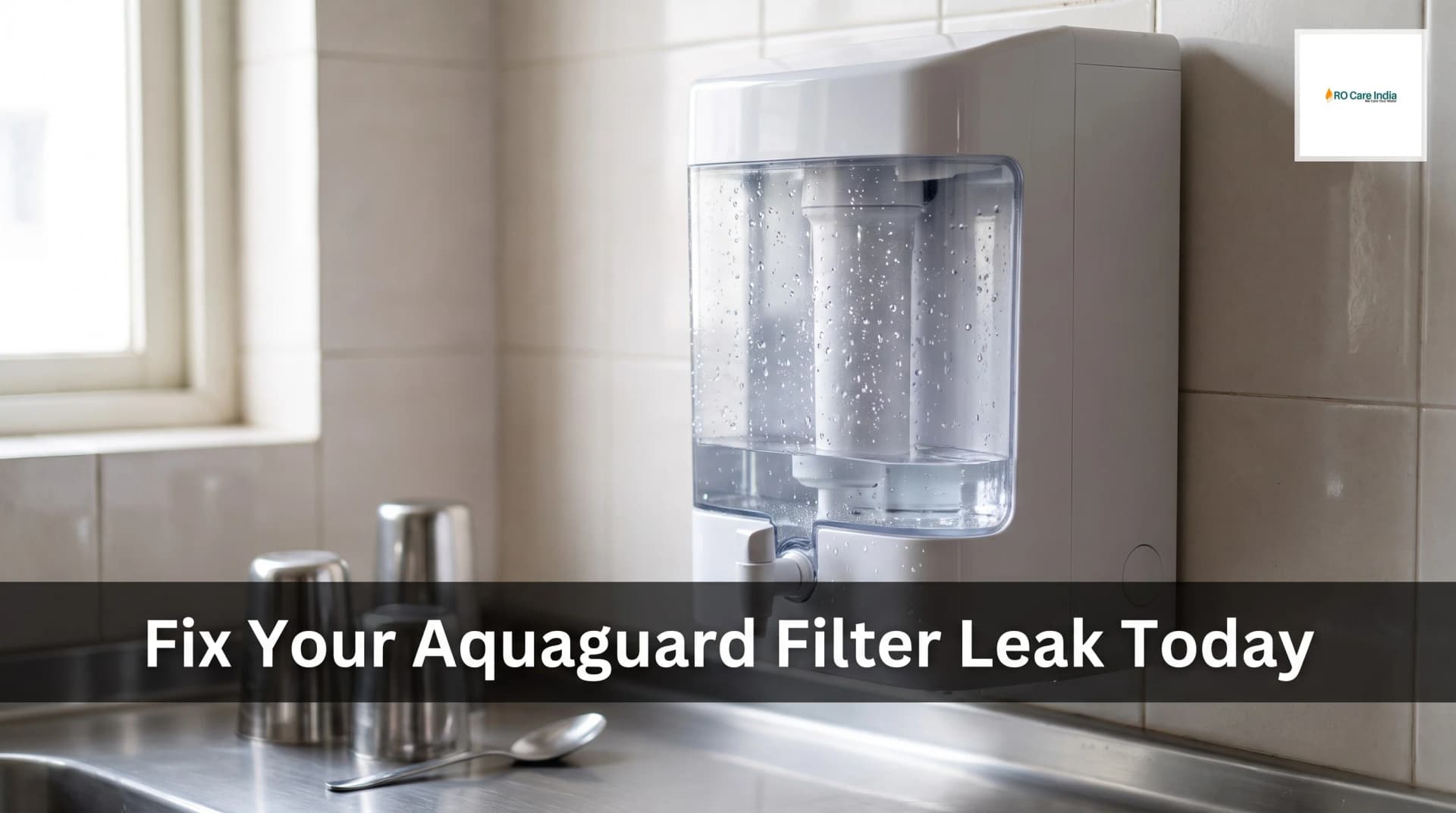
Why Aquaguard Leaking From Filter Housing in Kolkata: How to Fix it?
Water leaking from your Aquaguard filter housing can be frustrating, especially when you depend on clean drinking water for your family. In Kolkata, where humidity levels remain high throughout the year and water quality varies significantly across different neighborhoods, filter housing leaks are a common complaint among RO water purifier users. If you notice water dripping from the filter compartment or pooling around the base of your purifier, you need immediate attention to prevent wastage and potential damage to your kitchen cabinets. Finding reliable Aquaguard repair service near me kolkata becomes crucial when dealing with such issues, as improper handling can worsen the problem and lead to complete system failure.
The filter housing in your Aquaguard system plays a critical role in maintaining water purity by holding the sediment filters, carbon filters, and other filtration components securely in place. When leaks occur from this housing unit, it typically indicates worn-out O-rings, cracked filter bodies, loose connections, or improper installation after filter replacement. Many households in Kolkata experience these problems during monsoon season when water pressure fluctuates and sediment levels in municipal water increase dramatically. Understanding the root causes and knowing how to address them can save you both time and money while ensuring your family continues to receive safe drinking water.
Before attempting any repair work yourself, assess the severity of the leak and consider whether you need professional assistance. Minor drips caused by loose connections can often be fixed at home with basic tools, but significant leaks or cracks in the housing unit require expert intervention. Contacting Aquaguard customer care number kolkata gives you access to trained technicians who understand the specific water conditions and common issues faced by residents in different parts of the city. Professional ro service kolkata providers have the right replacement parts and diagnostic equipment to identify hidden problems that might not be immediately visible.
This comprehensive guide will walk you through the common causes of filter housing leaks, step-by-step troubleshooting methods, DIY repair solutions, and when to call professional help. Whether you live in Salt Lake, New Town, Behala, or any other area of Kolkata, these practical tips will help you restore your water purifier to optimal functioning and prevent future leakage problems.
Common Causes of Filter Housing Leaks in Kolkata
Understanding why your Aquaguard filter housing leaks is the first step toward effective repair. The high mineral content in Kolkata municipal water, combined with seasonal variations in water pressure, creates unique challenges for water purification systems. One of the most frequent causes is deteriorated O-ring seals that sit between the filter housing cap and the body. These rubber rings naturally degrade over time due to constant exposure to water, pressure changes, and temperature fluctuations. In Kolkata's humid climate, O-rings can become brittle or lose their elasticity within 12 to 18 months, even faster if the water contains high chlorine levels from municipal treatment.
Cross-threaded or improperly tightened filter housings represent another major cause of leaks. When homeowners change filters themselves without following proper procedures, they might not align the threads correctly or apply uneven pressure while tightening the housing cap. This creates gaps where water can escape during operation. Some residents over-tighten the housing in an attempt to stop minor leaks, which actually damages the threads and worsens the problem over time. The plastic materials used in most RO filter housings can crack under excessive force, especially in areas where water pressure regularly exceeds recommended levels.
Sediment buildup and contamination inside the filter housing also contribute to leakage issues. Kolkata tap water often carries high levels of suspended particles, especially during monsoon months when the Hooghly River swells and municipal filtration systems face increased load. These particles accumulate on O-ring surfaces and thread grooves, preventing proper sealing even when all components appear intact. Additionally, filter cartridges that have exceeded their service life can swell or deform, pushing against the housing walls and creating pressure points that eventually lead to cracks.
Physical damage to the filter housing body itself, though less common, can occur from accidental impacts, exposure to direct sunlight, or manufacturing defects. Hairline cracks may not be visible during casual inspection but become apparent when the system pressurizes during operation. Poor water quality with extreme pH levels can also degrade the plastic material of filter housings faster than expected, particularly in older purifier models. When seeking professional repair assistance, technicians typically inspect all these potential failure points to determine the exact cause of your specific leak.
Step-by-Step Troubleshooting Guide
Before calling for professional ro service kolkata, you can perform several diagnostic checks to identify the leak source and potentially resolve minor issues yourself. Start by completely shutting off the water supply to your purifier and unplugging the unit from the electrical outlet for safety. Place towels or a container beneath the filter housing to catch any residual water that drains during inspection. Carefully examine the entire filter housing assembly, looking for visible cracks, wet spots, or areas where water accumulates when the system runs.
Check the filter housing cap and O-ring seal first, as these are the most common culprits. Slowly unscrew the housing cap by turning it counterclockwise, taking note of any unusual resistance or grinding sensation that might indicate cross-threading. Once removed, inspect the O-ring for signs of wear, including flattening, cracking, hardening, or visible tears. A healthy O-ring should be soft, pliable, and uniformly round without any deformities. If the O-ring appears damaged or has lost its shape, replacement is necessary. Clean the O-ring groove on both the cap and housing body using a soft cloth to remove any sediment or debris that might prevent proper sealing.
Examine the filter cartridge itself for any swelling, deformation, or damage that could cause it to press against the housing walls. Filters that have been in use beyond their recommended lifespan often absorb water and expand, creating pressure inside the housing. Check the bottom of the filter cartridge for cracks or separation where the water inlet connects. If you recently replaced the filter, verify that you installed the correct model for your specific Aquaguard system, as using incompatible filters can lead to improper fit and subsequent leaks.
Inspect the housing body thoroughly under good lighting, rotating it to view all angles. Look for hairline cracks, stress marks, or areas where the plastic appears thinner or discolored. Pay special attention to the bottom of the housing where the inlet and outlet connections attach, as these stress points are vulnerable to cracking over time. If you discover any cracks, even small ones, the entire housing unit requires replacement rather than temporary sealing with adhesives. Attempting to patch cracked housings creates contamination risks and rarely provides a lasting solution. For accurate diagnosis and proper replacement parts, contacting authorized service centers ensures you receive genuine components designed for your specific model.
DIY Repair Solutions for Minor Leaks
For minor leaks caused by worn O-rings or loose connections, you can often perform repairs without professional assistance using basic tools and replacement parts. Begin by purchasing genuine O-ring replacement kits specifically designed for your Aquaguard model, available through authorized service centers or reputable online retailers. Generic O-rings from hardware stores might not provide the correct seal due to variations in size and material composition. Quality O-rings for water purifier applications cost between INR 50 to INR 150 depending on the model and typically come in sets of three to five pieces.
To replace the O-ring, completely remove the old seal from its groove and clean the seating area thoroughly with a lint-free cloth. Remove all traces of sediment, mineral deposits, or old lubricant that might interfere with the new seal. Before installing the new O-ring, apply a thin coating of food-grade silicone grease around its circumference. This lubrication helps the O-ring seat properly and move smoothly during installation without twisting or pinching. Place the O-ring into the groove, ensuring it sits evenly without any twists or bulges protruding above the groove level.
When reassembling the filter housing, insert the filter cartridge carefully, making sure it sits flush at the bottom without tilting or hanging at an angle. Align the housing cap threads with the body threads before beginning to turn, preventing cross-threading that causes leaks. Hand-tighten the cap in a clockwise direction until you feel resistance, then give it an additional quarter turn using the provided wrench. Avoid over-tightening, which can compress the O-ring excessively and damage the threads. The goal is firm, even pressure around the entire circumference of the seal.
After reassembly, slowly open the water supply valve and carefully observe the housing for any signs of leakage. Keep paper towels handy to immediately identify the leak location if water appears. Allow the system to pressurize for several minutes while monitoring all connection points. If minor seepage occurs, you can try tightening the cap slightly more, but if significant leaking continues, disassemble and check for proper O-ring installation or hidden damage. Some residents in Kolkata find that scheduling regular preventive maintenance through reliable service providers every six months helps catch wear issues before they develop into major leaks.
When to Call Professional Repair Services
While many homeowners can handle simple O-ring replacements, certain situations require professional intervention from experienced technicians. If you have replaced the O-ring multiple times but leaks persist, the problem likely involves housing damage, internal component failure, or pressure regulation issues that require specialized diagnostic equipment. Cracked or damaged filter housing bodies cannot be safely repaired and must be replaced completely to maintain water quality standards and prevent contamination. Attempting DIY repairs on cracked housings using sealants or adhesives creates serious health risks as these materials can leach chemicals into your drinking water.
Complex leaks originating from multiple connection points simultaneously indicate system-wide pressure problems that exceed normal operating parameters. Kolkata's municipal water pressure varies significantly across different neighborhoods, with some areas experiencing surges that stress RO components beyond their design limits. Professional technicians can install pressure regulators and check valves to protect your system from these fluctuations. If your purifier is still under warranty, any DIY repair attempts might void coverage, making professional service through authorized channels your best option.
Recurring leaks after multiple repair attempts suggest underlying issues with installation, component compatibility, or water quality extremes that require expert assessment. Technicians have access to genuine replacement parts with proper specifications, unlike generic aftermarket components that might not provide reliable performance. They also carry specialized tools for tasks like thread repair, pressure testing, and flow rate measurement that help identify problems invisible during basic visual inspection. Professional service visits typically cost between INR 300 to INR 800 for diagnosis and minor repairs in Kolkata, with additional charges for replacement parts depending on the components needed.
Emergency situations like major housing cracks causing significant water damage, electrical components exposed to water leakage, or complete system failure require immediate professional attention. Water leaking near electrical connections poses serious safety hazards including short circuits and potential fire risks. In such cases, immediately shut off water supply and power to the unit, then contact emergency service providers for urgent assistance. Many authorized service centers in Kolkata offer same-day or next-day appointments for urgent repair needs, ensuring minimal disruption to your household water supply.
Preventive Maintenance to Avoid Future Leaks
Regular maintenance significantly extends the lifespan of your Aquaguard filter housing and prevents leaks before they start. Create a maintenance schedule based on your local water conditions and usage patterns, typically involving filter replacement every three to six months depending on water quality. When changing filters, always inspect the O-ring and replace it annually even if it appears intact, as rubber seals naturally degrade over time. This proactive approach costs far less than emergency repairs or housing replacement.
Monitor your water pressure regularly using a simple pressure gauge attached to an outdoor tap or the RO inlet connection. Ideal operating pressure for most Aquaguard systems ranges between 40 to 60 PSI. If your home pressure consistently exceeds these levels, consider installing a pressure-reducing valve to protect not just your water purifier but all plumbing fixtures. Areas in Kolkata like New Town and certain parts of Salt Lake experience higher-than-average municipal pressure that accelerates wear on RO components.
Keep detailed records of all filter changes, part replacements, and service visits in a maintenance log. Note any unusual observations like decreased flow rate, taste changes, or minor seepage that resolves on its own. These patterns help technicians diagnose problems faster during service calls. Clean the exterior of filter housings during routine maintenance, wiping away dust and checking for early signs of stress or discoloration that might indicate internal problems developing.
Schedule professional inspection and servicing through qualified service providers at least once annually, even if your system appears to function normally. Comprehensive service visits include pressure testing, TDS level verification, membrane cleaning, and replacement of wear components before they fail. This preventive approach typically costs between INR 500 to INR 1200 annually but prevents expensive emergency repairs and extends your purifier's operational life by several years. Many service providers offer annual maintenance contracts that include multiple visits, priority response times, and discounted parts, providing excellent value for households dependent on consistent water purification.
Conclusion
Filter housing leaks in Aquaguard water purifiers represent a common but manageable problem for Kolkata residents when addressed promptly with proper diagnosis and appropriate repair methods. Understanding the causes, from worn O-rings and improper installation to housing damage and pressure issues, empowers you to make informed decisions about DIY repairs versus professional service. While simple O-ring replacement and proper reassembly techniques can resolve many minor leaks, significant damage, recurring problems, or safety concerns warrant immediate professional attention through qualified providers. Regular preventive maintenance, including timely filter changes, O-ring replacement, and annual professional servicing, prevents most leakage issues while ensuring your family continues receiving safe, clean drinking water. By following the troubleshooting steps and maintenance recommendations outlined in this guide, you can minimize disruptions from filter housing leaks and maximize the lifespan of your water purification investment. Remember that maintaining your water purifier properly not only prevents leaks but also ensures optimal performance in removing contaminants specific to Kolkata's municipal water supply, protecting your family's health for years to come.
Learn more about the common causes of Aquaguard filter housing leaks in Kolkata's unique climate conditions. Discover how factors like high humidity, water pressure fluctuations, and worn-out O-rings contribute to this issue. Explore further maintenance tips and preventive measures to keep your RO system functioning optimally year-round.
Related Blogs
- RO Power Light Blinking But No Water: What's Wrong and How to Fix It?
- Why RO Filter Change Indicator Not Working in Kolkata: What to Check?
- Why Does My RO Water Taste Different After Filter Change?
- RO Booster Pump Failure in Kolkata: How to Fix It?
- Why RO Display Panel Not Responding in Kolkata: How to Fix it?