
RO Booster Pump Failure in Kolkata: How to Fix It?
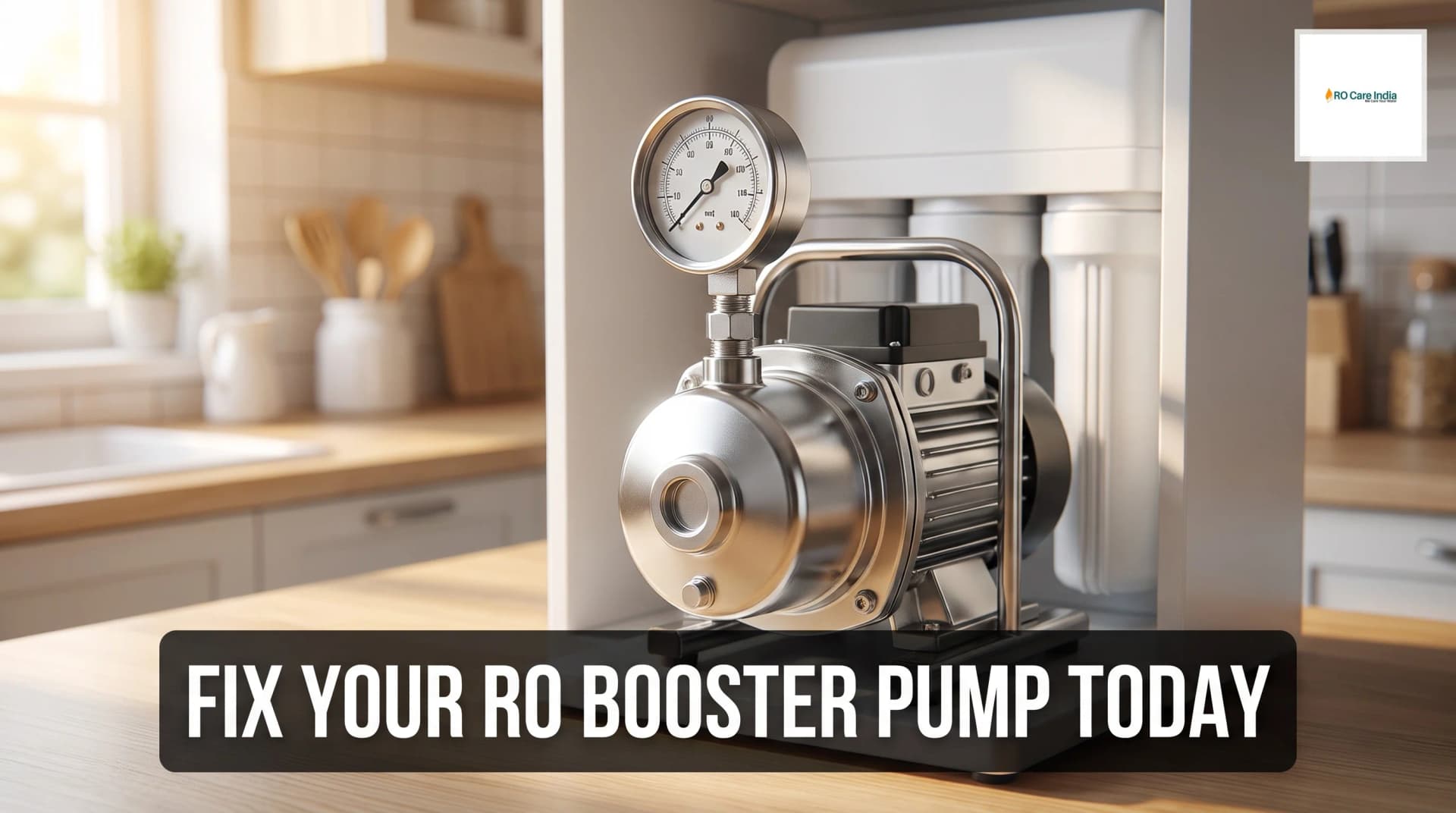
RO Booster Pump Failure in Kolkata: How to Fix It?
Water purification has become an essential aspect of every household in Kolkata, where municipal water supply often contains high levels of TDS and contaminants. Reverse osmosis systems have emerged as the most reliable solution for safe drinking water, but their performance heavily depends on a crucial component – the booster pump. When your RO booster pump fails, your entire water purification system can stop functioning, leaving your family without access to clean drinking water. Understanding how to identify and fix booster pump issues can save you time, money, and ensure your family's health remains protected.
Many residents across Kolkata face booster pump failures, especially during the summer months when water demand increases significantly. The booster pump serves as the heart of your RO system, creating the necessary pressure to push water through the semi-permeable membrane. Without adequate pressure, the filtration process becomes ineffective or completely stops. If you notice reduced water flow from your RO tap or no water output at all, your booster pump might be the culprit. In such situations, reaching out to ro service kolkata professionals becomes necessary to diagnose and resolve the issue promptly.
The complexity of booster pump failures varies from simple electrical connection problems to complete motor burnout requiring replacement. While some issues can be resolved through basic troubleshooting steps that homeowners can perform themselves, others demand professional intervention from qualified technicians. Knowing the difference between DIY fixes and situations requiring expert help prevents further damage to your water purifier and ensures safe repairs. The good news is that most booster pump problems can be identified through common symptoms and resolved efficiently.
Kolkata's unique water conditions, including fluctuating pressure levels in different neighborhoods and seasonal variations, contribute to specific challenges for RO systems. Areas like Salt Lake, New Town, Behala, and South Kolkata experience different water pressure issues that directly impact booster pump performance. Understanding these local factors helps in better maintenance and quicker problem resolution when issues arise with your water purification system.
Understanding RO Booster Pump Function and Common Failure Signs
The booster pump in your RO system plays a critical role in maintaining optimal water pressure for effective filtration. Standard household water pressure in Kolkata ranges between 20-40 PSI, but RO membranes require approximately 60-80 PSI to function properly. The booster pump bridges this pressure gap by increasing the incoming water pressure to the required level. This component operates continuously whenever the RO system is purifying water, making it susceptible to wear and tear over time.
Several unmistakable signs indicate your booster pump is failing or has already failed. The most obvious symptom is complete absence of water output from your RO faucet despite normal tap water flow. You might also notice a significant reduction in water production speed – if your system typically fills a liter in three minutes but now takes ten minutes, the pump likely struggles to generate adequate pressure. Unusual noises coming from the pump unit, such as grinding sounds, excessive vibration, or high-pitched whining, signal mechanical problems that need immediate attention.
Another telltale sign is the pump running continuously without shutting off automatically. A properly functioning booster pump operates in cycles, turning on when the storage tank needs filling and shutting off once adequate pressure is achieved. Continuous operation indicates pressure-sensing problems or internal pump failure. You might also observe frequent pump cycling – turning on and off repeatedly in short intervals – which suggests pressure switch issues or internal leakage within the system.
Water leakage around the pump housing represents a serious concern requiring immediate action. Even small drips can indicate seal deterioration or housing cracks that will worsen over time. Additionally, if you notice your electricity bills increasing without other explanation, a malfunctioning booster pump drawing excessive current might be responsible. These symptoms should prompt you to contact ro customer care kolkata for professional assessment and repair.
Step-by-Step Troubleshooting Guide for Pump Failure
Before calling professional ro service near me, you can perform several basic troubleshooting steps to identify and potentially resolve simple issues. Begin by checking the electrical connections to ensure the pump receives power. Verify that the power switch is in the ON position and examine the electrical outlet by plugging in another device to confirm it works. Inspect the power cord for visible damage, fraying, or exposed wires that might interrupt electrical supply.
Next, examine the pressure switch, which controls when the pump activates and deactivates. This small component can malfunction due to mineral buildup or mechanical failure. Turn off the RO system and carefully remove the pressure switch cover. Look for corrosion, loose wiring, or physical damage. Clean any mineral deposits using a soft brush and white vinegar solution. Reconnect everything properly and test the system.
Check all water connections leading to and from the booster pump for leaks or blockages. Sediment buildup in the pre-filter can restrict water flow, causing the pump to struggle or fail. Replace pre-filters if they appear dirty or clogged – this simple maintenance step resolves many apparent pump failures. Ensure all tubing connections are tight and properly seated in their fittings, as air leaks can prevent the pump from building adequate pressure.
Inspect the storage tank pressure, as incorrect tank pressure can cause the pump to behave abnormally. Use a tire pressure gauge to check the air pressure in the empty storage tank (turn off the system and drain the tank first). The pressure should typically be between 5-7 PSI. If it is significantly lower, use a bicycle pump to restore proper pressure. Low tank pressure forces the booster pump to work harder and cycle more frequently, leading to premature failure.
If these basic steps do not resolve the issue, the problem likely requires professional intervention. Internal pump components such as the motor, impeller, or seals may have failed and need replacement. Attempting complex repairs without proper knowledge and tools can cause additional damage and void warranties.
Common Causes of Booster Pump Failure in Kolkata
Several environmental and operational factors specific to Kolkata contribute to booster pump failures. The city's water supply contains high levels of dissolved minerals, particularly calcium and magnesium, which cause scaling inside pump components. Over time, this mineral buildup restricts water flow and increases friction on moving parts, leading to motor strain and eventual failure. Regular descaling maintenance becomes essential for prolonging pump life in Kolkata's hard water conditions.
Voltage fluctuations represent another significant challenge in many Kolkata neighborhoods. The electrical supply often experiences surges and drops, especially during monsoon season and peak usage hours. These voltage irregularities can damage the pump motor's electrical components or cause it to overheat. Installing a voltage stabilizer specifically for your RO system protects the booster pump from electrical damage and extends its operational lifespan considerably.
Continuous operation without adequate rest periods accelerates wear on pump components. Many households run their RO systems unnecessarily, keeping them powered on even when the storage tank is full. This leads to frequent cycling and motor stress. Modern RO systems include auto-shutoff features, but older models may lack this protection. Ensuring your system has proper automatic controls prevents unnecessary pump operation.
Poor quality replacement parts during previous repairs can cause recurring failures. Using substandard pumps or incompatible components compromises system performance and reliability. Always insist on original manufacturer parts or high-quality alternatives when repairs become necessary. The initial cost savings from cheap replacements often result in repeated failures and higher long-term expenses.
Lack of regular maintenance is perhaps the most common cause of premature pump failure. Many Kolkata residents neglect scheduled servicing until problems arise. Professional maintenance includes cleaning pump components, checking electrical connections, testing pressure levels, and replacing worn parts before they fail completely. Establishing a relationship with reliable service providers ensures your system receives proper care and prevents unexpected breakdowns.
When to Call Professional RO Service Experts
While basic troubleshooting can resolve simple issues, certain situations demand professional expertise from qualified technicians. If you have checked all electrical connections, replaced filters, and verified water supply but the pump still fails to operate, internal component failure likely requires professional diagnosis. Attempting to disassemble the pump motor without proper knowledge risks electric shock, further damage, or personal injury.
Unusual electrical symptoms such as burning smells, sparking, or repeated circuit breaker trips indicate serious electrical problems requiring immediate professional attention. These signs suggest short circuits or motor failure that could pose fire hazards. Disconnect the system immediately and contact professional technicians who have the tools and expertise to safely diagnose and repair electrical issues.
If your system is still under warranty, any repair attempts by unauthorized persons will void coverage. Professional service providers authorized by manufacturers ensure repairs meet warranty requirements while using genuine parts. They also provide service documentation necessary for future warranty claims or system upgrades.
Recurring problems despite previous repair attempts suggest underlying issues that need expert diagnosis. Professional technicians can identify root causes rather than just treating symptoms. They possess specialized testing equipment to measure pressure levels, electrical current, voltage supply, and component functionality accurately, leading to comprehensive solutions rather than temporary fixes.
Water contamination concerns also warrant professional evaluation. If pump failure coincides with unusual taste, odor, or appearance in purified water, the entire system needs thorough inspection. Professionals can test water quality, examine membrane condition, and ensure all components function properly to deliver safe drinking water.
Comparing Repair Versus Replacement Options
When facing booster pump failure, deciding between repair and replacement involves considering several factors including age, repair costs, and overall system condition. The following comparison helps make informed decisions:
| Factor | Repair | Complete Replacement |
|---|---|---|
| Cost | INR 800-2000 for parts | INR 2500-5000 for new pump |
| Time Required | 1-2 hours | 2-3 hours |
| Warranty | 3-6 months on parts | 1-2 years on new pump |
| Lifespan Extension | 6-12 months typically | 3-5 years typically |
| Energy Efficiency | Same as before | Improved with newer models |
| System Compatibility | Guaranteed | May need adjustments |
If your RO system is less than three years old and the pump failure results from a single damaged component, repair typically makes financial sense. Replacing specific parts such as pressure switches, capacitors, or seals costs considerably less than complete pump replacement. However, if your system has operated for five years or more and experienced multiple issues, investing in a new booster pump provides better long-term value.
Consider the total cost of ownership when making this decision. While repairs appear cheaper initially, recurring failures require repeated service calls, creating inconvenience and cumulative costs. A new pump includes warranty coverage and improved energy efficiency, potentially reducing electricity consumption by 15-20 percent compared to older models.
Evaluate whether your current pump capacity matches your household needs. If your family has grown or water consumption increased since original installation, upgrading to a higher-capacity pump during replacement might better serve your requirements. Professional providers can assess your usage patterns and recommend appropriate pump specifications.
Preventive Maintenance Tips to Avoid Future Failures
Implementing regular preventive maintenance significantly reduces the likelihood of unexpected booster pump failures. Schedule professional servicing every six months, particularly before summer and monsoon seasons when water demand and quality issues peak. During these visits, technicians clean pump components, check electrical connections, test pressure switches, and identify potential problems before they cause system failure.
Replace pre-filters according to manufacturer recommendations, typically every 6-12 months depending on water quality and usage. Clean pre-filters trap sediment and particles before they reach the booster pump, reducing wear on internal components. Clogged pre-filters force the pump to work harder, increasing energy consumption and accelerating component degradation.
Install a voltage stabilizer if you experience frequent power fluctuations in your area. This investment protects not only the booster pump but also other RO system components from electrical damage. Choose stabilizers rated for at least 500VA capacity to handle the pump's power requirements plus margin for voltage variations.
Monitor your RO system regularly for early warning signs. Check water production speed weekly and note any gradual decreases that might indicate developing problems. Listen for unusual noises during pump operation and investigate immediately rather than waiting for complete failure. Early detection allows for simpler, less expensive repairs.
Maintain proper storage tank pressure by checking it quarterly. This simple five-minute task prevents many pump-related issues and ensures optimal system performance. Keep a tire pressure gauge specifically for this purpose and maintain tank pressure between 5-7 PSI when empty.
Ensure adequate ventilation around the RO system and booster pump. Overheating accelerates component wear and can cause premature motor failure. Keep the installation area clean and free from excessive dust, which can accumulate on electrical components and cause short circuits or connection problems.
Choosing Reliable Service Providers in Kolkata
Selecting qualified service providers ensures your RO system receives proper care and repairs. Look for technicians with manufacturer certifications and several years of experience specifically with water purifier systems. Ask about their training credentials and whether they regularly update their knowledge about new technologies and repair techniques.
Verify that service providers use genuine replacement parts rather than generic alternatives. Quality components ensure reliable repairs and maintain your system's warranty validity. Reputable companies provide warranties on both parts and labor, demonstrating confidence in their work quality.
Check customer reviews and testimonials from other Kolkata residents who have used their services. Online platforms and local community groups often provide honest feedback about service quality, pricing, and reliability. Companies with consistently positive reviews and repeat customers typically deliver superior service.
Compare pricing structures transparently. Reliable providers offer clear cost estimates before beginning work and explain exactly what repairs are necessary and why. Be cautious of unusually low prices that might indicate use of inferior parts or inexperienced technicians. Similarly, avoid providers who recommend unnecessary repairs or replacement of components that function properly.
Accessibility matters when selecting service providers. Choose companies that offer prompt response times and emergency services, especially if you rely heavily on purified water for health reasons. Many established providers in Kolkata offer same-day service for urgent issues and maintain customer support channels through phone, WhatsApp, and online booking systems.
Conclusion
RO booster pump failure in Kolkata represents a common but manageable problem that disrupts access to clean drinking water for many households. Understanding the symptoms of pump failure, from reduced water output to unusual noises and continuous operation, enables early detection and quicker resolution. Basic troubleshooting steps such as checking electrical connections, examining pressure switches, and replacing clogged pre-filters can resolve many issues without professional help.
However, recognizing when to call qualified providers prevents further damage and ensures safe, effective repairs. Professional technicians bring expertise, proper tools, and genuine replacement parts that guarantee lasting solutions. The decision between repairing existing pumps and replacing them entirely depends on system age, repair costs, and long-term value considerations.
Preventive maintenance remains the most effective strategy for avoiding unexpected booster pump failures. Regular professional servicing, timely filter replacements, proper voltage protection, and routine monitoring significantly extend pump lifespan and ensure consistent access to purified water. By investing in quality service providers and implementing recommended maintenance practices, Kolkata residents can minimize disruptions and enjoy reliable water purification for years to come. Remember that a well-maintained RO system not only provides safe drinking water but also delivers better value through reduced repair costs and extended component life.
When your RO booster pump fails in Kolkata, first check the power supply and electrical connections. Examine the pressure switch settings and clean or replace clogged pre-filters that may cause pump strain. Inspect for leaks in tubing and fittings. If the pump runs but produces no pressure, the motor may need replacement. Learn more about maintaining optimal water pressure in your RO system to ensure consistent purification performance and extend your pump's lifespan through regular preventive care.
Related Blogs
- Why RO Display Panel Not Responding in Kolkata: How to Fix it?
- Why Is My RO Purifier Leaking From the Tap in Kolkata and How to fix it?
- Why RO Red Light Blinking in Kolkata: What It Means and How to Fix It
- Why RO Dripping Constantly in Kolkata: Common Causes Explained
- RO UV Light Not Working in Kolkata: Common Reasons and How to Fix it