
RO UV Light Not Working in Kolkata: Common Reasons and How to Fix it
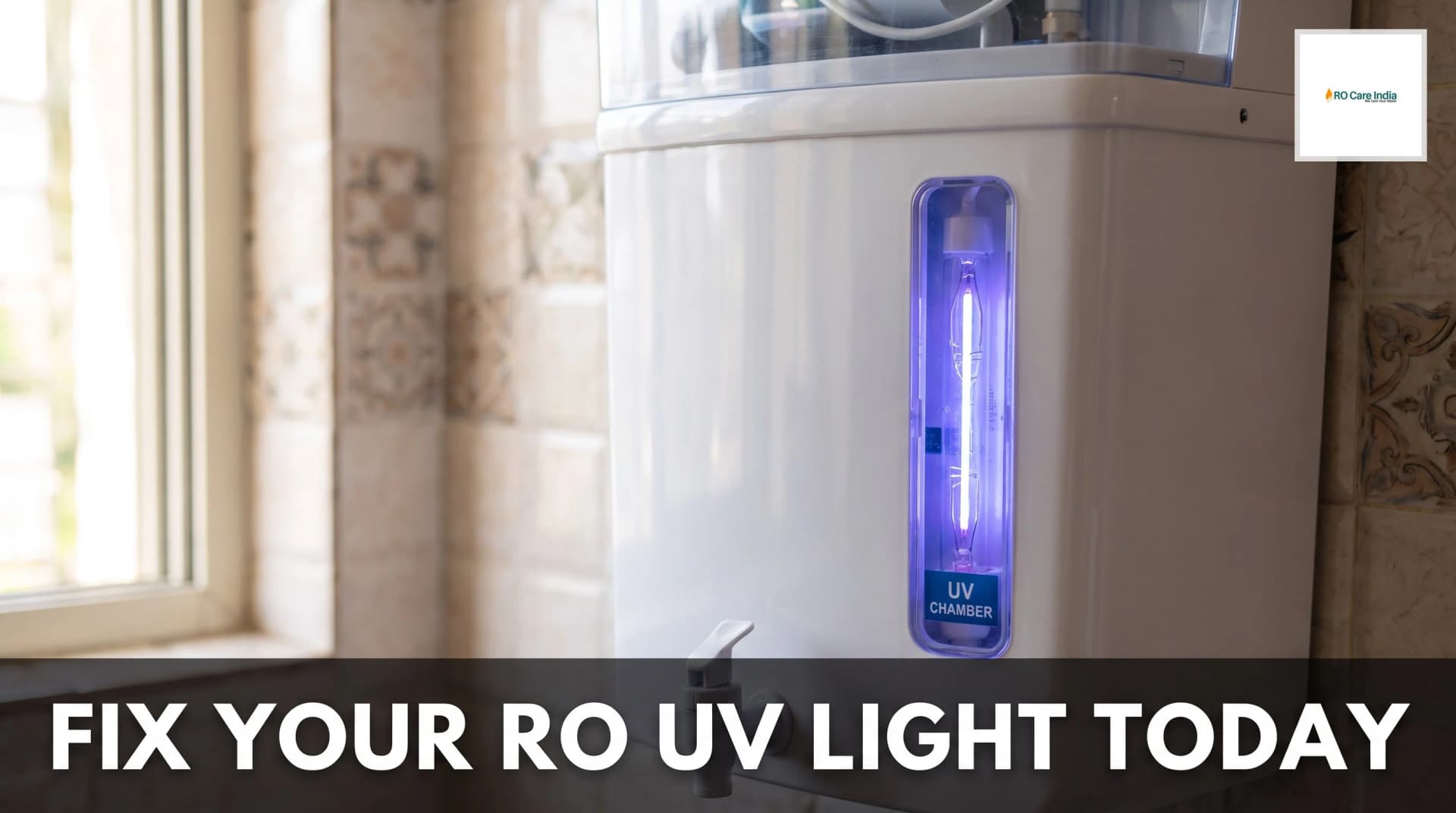
RO UV Light Not Working in Kolkata: Common Reasons and How to Fix it
Have you noticed that the ultraviolet light indicator on your water purifier has stopped glowing? This is a common concern among Kolkata households, where water quality demands reliable purification systems. The UV light in your RO system plays a critical role in eliminating harmful bacteria, viruses, and microorganisms that chemical filtration alone cannot remove. When this component fails, your family's health could be at risk from contaminated drinking water.
Many residents across Kolkata face this issue regularly, especially during the humid monsoon months when water contamination peaks. The good news is that most UV light problems have straightforward solutions that you can either fix yourself or resolve quickly with professional help from ro service kolkata experts. Understanding why your UV lamp has stopped functioning is the first step toward ensuring your family continues to receive safe, purified drinking water.
The UV sterilization chamber works by exposing water to ultraviolet radiation that destroys the DNA of microorganisms, rendering them harmless. Without this protection layer, even though your water may look clear after RO filtration, it might still harbor dangerous pathogens. This makes addressing UV light failures urgently important rather than something you can postpone.
In this comprehensive guide, we will explore the most common reasons why UV lights fail in Kolkata's climate conditions, provide step-by-step troubleshooting methods, and help you understand when to seek professional ro rservice center kolkata assistance versus when you can handle repairs independently.
Understanding How UV Light Systems Work in RO Purifiers
Before diagnosing problems, it helps to understand the basic functioning of UV technology in water purification systems. The UV chamber contains a specialized mercury vapor lamp that emits ultraviolet light at a wavelength of 254 nanometers. This specific wavelength is most effective at disrupting microbial DNA structures.
Water flows through a transparent quartz sleeve surrounding the UV lamp. As microorganisms pass through this chamber, they receive a lethal dose of UV radiation. The entire process happens in seconds without adding chemicals or altering water taste. Most modern systems include an indicator light on the purifier exterior that confirms when the UV lamp is actively functioning.
The effectiveness of UV purification depends on several factors including lamp intensity, water flow rate, and water clarity. If any component in this system fails, the indicator light typically stops glowing, alerting you to the problem. Understanding this mechanism helps you identify where the malfunction might originate.
Common Reasons Your RO UV Light Stops Working
Power Supply Issues
The most frequent cause of UV light failure is electrical problems. Kolkata experiences frequent voltage fluctuations, especially during summer months when air conditioner usage peaks. These fluctuations can damage the UV lamp ballast or electronic components.
Check if your purifier is receiving adequate power by verifying other indicators or functions. Sometimes the issue is as simple as a loose power connection or a tripped circuit breaker. Extension cords with multiple devices can also cause insufficient power delivery to your purification system.
If you suspect power issues, unplug the unit for ten minutes and reconnect it directly to a wall outlet. This simple reset resolves many electronic glitches. However, persistent power problems require professional diagnosis from ro customer care kolkata technicians who can test voltage levels and electrical components properly.
UV Lamp Lifespan Exhaustion
UV lamps have a limited operational life, typically ranging from 8,000 to 10,000 hours or approximately one year of continuous use. Even if the lamp still glows, its germicidal effectiveness diminishes significantly after this period. Many Kolkata residents continue using expired lamps without realizing their water is no longer properly sterilized.
Most manufacturers recommend annual UV lamp replacement regardless of whether it appears functional. The mercury vapor inside the lamp depletes over time, reducing UV output below effective sterilization levels. Keeping a maintenance log helps you track when replacement is due.
Quality UV lamps designed for Indian water conditions typically cost between 800 to 2,500 INR depending on your purifier model. Investing in genuine replacement lamps ensures optimal performance and protects your family's health.
Damaged or Fouled Quartz Sleeve
The quartz sleeve protecting the UV lamp from direct water contact can develop problems that block UV transmission. Hard water deposits common in Kolkata municipal supply often accumulate on the quartz surface, creating a barrier that prevents UV light from reaching the water effectively.
Physical damage like cracks or cloudiness in the quartz sleeve also compromises UV sterilization. These sleeves are fragile and can crack during rough handling or due to thermal stress from sudden temperature changes. Even minor cracks allow water to contact the electrical components, causing system failure.
Regular cleaning of the quartz sleeve every three to six months prevents mineral buildup. Use a soft cloth with mild vinegar solution to remove deposits without scratching the quartz surface. If you notice any cracks or permanent cloudiness, immediate replacement is necessary.
Ballast or Electronic Component Failure
The ballast regulates electrical current to the UV lamp, ensuring stable operation. This component is sensitive to power surges and can fail after extended use. Symptoms of ballast failure include flickering UV lights, intermittent operation, or complete lamp failure despite the bulb being new.
Kolkata's electrical infrastructure sometimes delivers inconsistent voltage, particularly in older residential areas. Installing a voltage stabilizer protects your purifier's electronic components from damage. Quality stabilizers cost between 1,500 to 4,000 INR but prevent expensive repairs.
Ballast replacement requires technical expertise and should be performed by certified water purifier repair professionals. Attempting DIY ballast replacement without proper knowledge risks electric shock and further damage to your purification system.
Step-by-Step Troubleshooting Guide
When your UV light stops working, follow this systematic approach before calling for professional help:
- Check power connection - Verify the purifier is plugged in properly and the outlet is functioning by testing with another appliance
- Inspect indicator lights - Look for any error codes or warning lights that might indicate specific problems
- Reset the system - Unplug for 15 minutes, then reconnect and observe if the UV light resumes
- Examine the UV lamp visually - If accessible, check for broken filaments or blackened ends indicating lamp failure
- Review maintenance records - Determine when the UV lamp was last replaced and if it has exceeded its lifespan
- Test with different power outlet - Rule out electrical supply issues by trying another wall socket
- Check for water leaks - Water entering electrical components can cause immediate UV system failure
If these basic troubleshooting steps do not resolve the issue, professional diagnosis becomes necessary. Contact specialized service providers to schedule an inspection and avoid using water from the purifier until UV sterilization is restored.
When to Call Professional RO Service Experts
Certain UV light problems require specialized knowledge, tools, and genuine replacement parts that only certified technicians possess. Situations demanding professional assistance include:
- UV lamp replacement in sealed or complex systems
- Ballast or electronic board replacement
- Quartz sleeve replacement requiring system disassembly
- Persistent electrical issues or recurring failures
- Water leakage into electrical compartments
- Systems still under warranty requiring authorized service
Professional technicians bring diagnostic equipment to accurately identify problems that are not visible through basic inspection. They also ensure repairs comply with safety standards and manufacturer specifications. Most service visits in Kolkata range from 300 to 800 INR for diagnosis, with repair costs varying based on required parts and labor.
Establishing a relationship with a reliable service provider ensures you receive prompt assistance during emergencies. Many service centers offer annual maintenance contracts that include scheduled UV lamp replacements and preventive inspections at discounted rates.
Preventive Maintenance to Avoid UV Light Problems
Prevention is always better and more economical than repair. Implementing these maintenance practices extends your UV system's lifespan and ensures consistent water sterilization:
Regular professional servicing every six months identifies potential issues before they cause complete system failure. Technicians clean components, test UV intensity, and replace worn parts during these visits. Annual maintenance typically costs between 1,500 to 3,000 INR but prevents expensive emergency repairs.
Keep detailed records of all maintenance activities, including UV lamp installation dates. Set calendar reminders three weeks before the lamp's expected lifespan ends to schedule replacement proactively. This prevents gaps in water sterilization protection.
Install a voltage stabilizer if you live in areas with frequent power fluctuations. This simple addition protects all electronic components in your purification system. Quality stabilizers designed for water purifiers are available at most electronics stores throughout Kolkata.
Clean pre-filters regularly to reduce sediment reaching the UV chamber. Excessive sediment clouds water and reduces UV effectiveness even when the lamp functions properly. Monthly pre-filter cleaning is recommended for most Kolkata households.
Cost Comparison of UV Light Repairs
| Repair Type | DIY Cost (INR) | Professional Service Cost (INR) | Time Required |
|---|---|---|---|
| UV Lamp Replacement | 800-2,500 | 1,200-3,500 | 30-60 minutes |
| Quartz Sleeve Cleaning | 0-50 | 400-800 | 20-40 minutes |
| Quartz Sleeve Replacement | 600-1,800 | 1,000-2,500 | 45-90 minutes |
| Ballast Replacement | Not Recommended | 1,500-4,000 | 60-120 minutes |
| Complete UV Chamber Assembly | Not Recommended | 3,000-7,000 | 90-180 minutes |
Conclusion
A non-functional UV light in your RO water purifier demands immediate attention to ensure your family's health and safety. Most issues stem from predictable causes like lamp lifespan exhaustion, power supply problems, fouled quartz sleeves, or ballast failures. While some troubleshooting steps can be performed independently, complex repairs require professional expertise from qualified technicians.
Regular maintenance, timely UV lamp replacement, and voltage stabilization significantly reduce the likelihood of unexpected failures. Keeping detailed service records and scheduling preventive inspections creates a proactive approach to water purifier care. When problems do arise, prompt action prevents prolonged exposure to potentially contaminated water.
Remember that the small investment in regular maintenance and timely repairs protects your family from waterborne diseases that could result in significant medical expenses. Whether you choose DIY troubleshooting for simple issues or professional assistance for complex repairs, addressing UV light problems quickly ensures continuous access to safe, purified drinking water for your household.
Learn more about maintaining your RO purifier's UV system through regular professional inspections and timely component replacements. Discover how proper maintenance schedules can extend your purifier's lifespan and ensure continuous protection against waterborne contaminants for your family's health and safety.