
RO Purifier Air Lock Problem in Kolkata: How to Identify and Fix It?
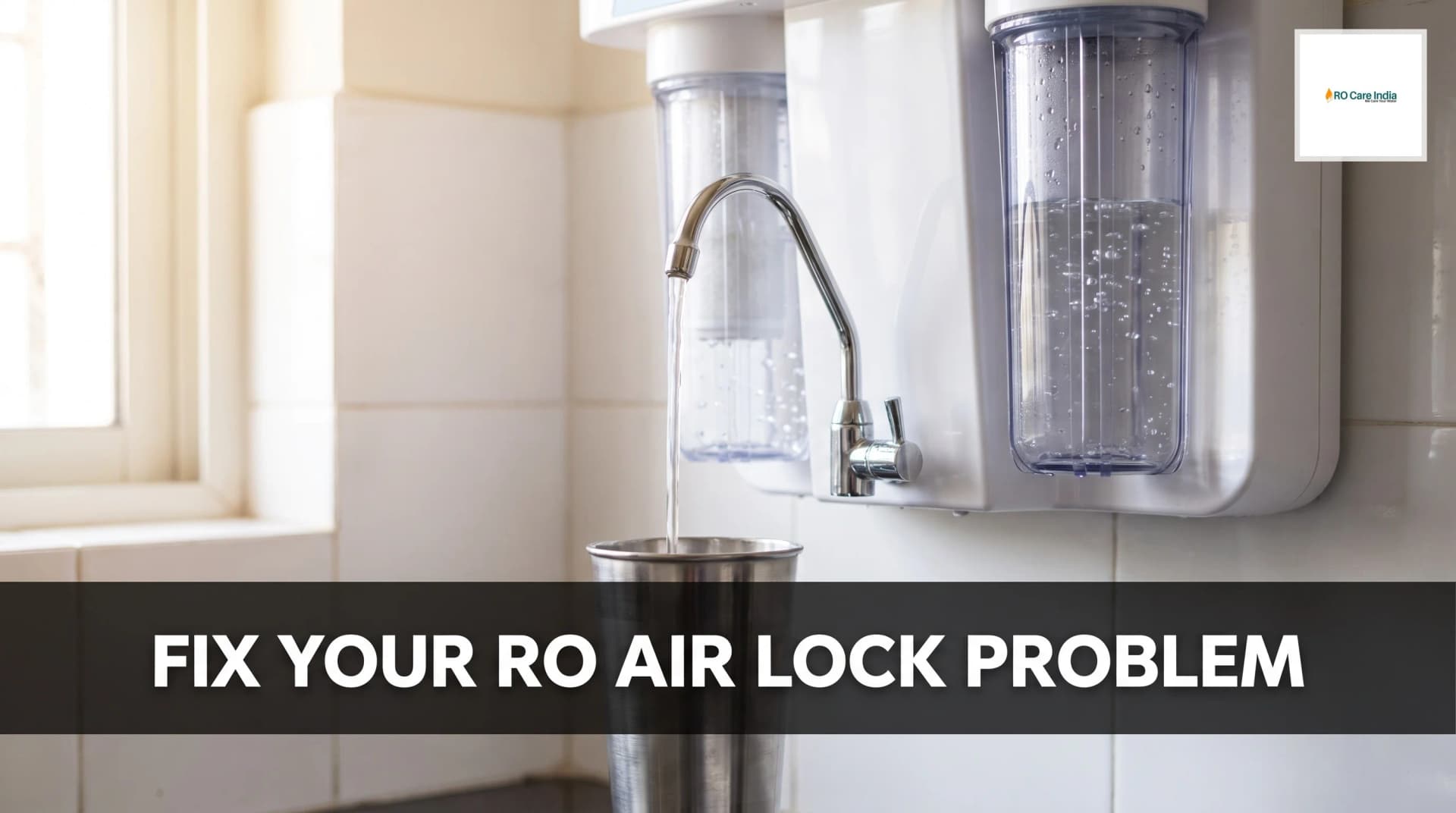
RO Purifier Air Lock Problem in Kolkata: How to Identify and Fix It?
Water purifiers have become essential appliances in Kolkata homes, ensuring safe drinking water despite the city's water quality challenges. However, even the best RO systems can develop technical issues, with air lock being one of the most common yet frustrating problems. If you've noticed reduced water flow, strange noises, or complete water stoppage from your RO purifier, you're likely dealing with an air lock issue. Understanding this problem and knowing when to contact ro service kolkata professionals can save you time, money, and ensure your family continues receiving clean drinking water without interruption.
Air lock in RO purifiers occurs when air bubbles get trapped within the system's pipes, membranes, or filters, blocking the normal water flow. This phenomenon is particularly common in Kolkata due to irregular water supply patterns and frequent pressure fluctuations in municipal water lines. Many residents experience this issue after water supply resumption following scheduled or unscheduled cuts, which are not uncommon in various neighborhoods across the city.
The good news is that while air lock problems can be annoying, they're usually fixable with proper diagnosis and timely intervention. Some minor air lock situations can be resolved through simple troubleshooting steps at home, while more persistent cases require professional assistance from qualified technicians. Knowing the difference between a DIY-solvable issue and one requiring expert help is crucial for maintaining your purifier's longevity.
This comprehensive guide will walk you through identifying air lock symptoms, understanding what causes this problem specifically in Kolkata's context, and providing practical solutions. Whether you need immediate fixes or professional ro repair service center kolkata contacts, you'll find all the essential information to restore your RO purifier's optimal performance.
Understanding Air Lock in RO Purifiers: What Exactly Happens?
Air lock represents a disruption in the continuous water flow through your RO system caused by trapped air pockets. In a properly functioning purifier, water moves smoothly through pre-filters, the RO membrane, post-carbon filters, and finally to your storage tank. When air enters this pathway and cannot escape, it creates blockages that prevent water from flowing normally.
The RO purification process relies on consistent water pressure to push impurities through semi-permeable membranes. Air pockets interrupt this pressure equilibrium, causing the system to malfunction. In Kolkata's context, the problem intensifies during monsoon seasons when water tables fluctuate and during summer months when water scarcity leads to irregular supply schedules.
Several components in your RO system are vulnerable to air lock issues. The inlet valve, where municipal water enters your purifier, often traps air when supply resumes after cuts. The pre-filter housings can accumulate air bubbles during filter replacements if not properly purged. The RO membrane chamber itself may trap air, significantly reducing purification efficiency. Even the storage tank's air valve can malfunction, causing pressure imbalances that mimic or worsen air lock symptoms.
Understanding these mechanisms helps you diagnose whether you're experiencing a simple air lock that resolves naturally, a moderate case requiring basic intervention, or a complex situation needing professional ro customer care number kolkata assistance. The severity often depends on how long the air remains trapped and which components are affected.
Identifying Air Lock Symptoms: Is Your RO Purifier Affected?
Recognizing air lock symptoms early prevents minor issues from becoming major repairs. The most obvious sign is dramatically reduced water output from your purifier's dispensing tap. If your RO system that normally fills a glass in 30 seconds now takes several minutes, air lock is a probable culprit. Complete water stoppage, where no water dispenses despite the storage tank showing adequate levels, also indicates trapped air blocking flow pathways.
Listen carefully to your purifier's operation. Unusual gurgling, hissing, or bubbling sounds coming from the unit suggest air moving through water lines. These noises are particularly noticeable during the purification cycle when the system attempts to push water through filters. In normal operation, RO purifiers produce minimal sound, so any conspicuous noise warrants investigation.
Check your storage tank's performance. A tank that feels light despite the purifier running continuously may indicate that water isn't reaching the tank due to air blockages in the delivery line. Conversely, a full tank that won't dispense water suggests air lock in the output pathway. Both situations require different troubleshooting approaches.
Observe the reject water flow from the drain pipe. Inconsistent or sputtering reject water flow, alternating between strong streams and weak drips, signals air interference in the system. Normal RO operation maintains steady reject water flow, so irregularities point toward air-related issues. Additionally, if your purifier's LED indicators show unusual patterns like constant filling signals despite a full tank, internal air lock affecting pressure sensors might be the cause. When these symptoms persist, contacting professional service providers ensures accurate diagnosis and prevents potential damage from prolonged operation under compromised conditions.
Common Causes of Air Lock in Kolkata RO Systems
Kolkata's unique water supply infrastructure significantly contributes to air lock frequency. The city experiences regular scheduled water supply interruptions in many areas, with supply timing varying from early morning hours to specific evening windows. When water supply stops, air naturally enters the pipelines. Upon resumption, this air flows directly into your RO system's inlet, creating immediate air lock potential.
Municipal water pressure fluctuations represent another major factor. Kolkata's water distribution network serves densely populated areas, causing pressure to vary dramatically between peak and off-peak hours. Low pressure periods allow air to seep into connections, valves, and fittings. High-pressure restoration then pushes this accumulated air deeper into your purifier's internal components, where it becomes trapped.
Recent filter replacements or maintenance work commonly introduce air into the system. When technicians open filter housings or disconnect water lines during servicing, air enters these components. If not properly purged during reassembly, this air circulates through the system, creating lock situations. Many residents experience air lock problems immediately after DIY filter changes precisely because proper purging procedures weren't followed.
Tank valve malfunctions also contribute significantly. The storage tank's air valve maintains pressure balance between water and air chambers. When this valve deteriorates or gets blocked, pressure imbalances occur, preventing proper water flow and creating symptoms identical to air lock. Additionally, check valve failures allow water to flow backward, creating vacuum conditions that pull air into the system. Faulty solenoid valves that control water flow timing can also trap air during their open-close cycles. These component-specific issues typically require professional evaluation from a qualified technician who can identify which part needs replacement.
Step-by-Step Solutions to Fix Air Lock Problems
Start with the simplest solution that often works for minor air lock cases. Turn off your RO purifier completely using the power switch and shut off the inlet water supply valve. Wait for approximately 10 to 15 minutes, allowing any trapped air bubbles to naturally rise and dissipate. Then, open the inlet valve first, followed by turning on the purifier. This sequence often clears minor air pockets without further intervention.
For persistent air lock, try the manual purging method. Close the storage tank's valve to prevent backflow. Open your purifier's dispensing tap fully and let it run. Initially, you'll notice sputtering and air-mixed water flow. Continue running until the flow becomes smooth and consistent, indicating air has cleared from the output pathway. This process typically takes 5 to 10 minutes depending on air accumulation severity.
Check and address the storage tank's air pressure. Locate the air valve, usually a small blue or black cap on the tank's exterior. Using a pressure gauge, verify the air pressure reads between 5 to 7 PSI when the tank is empty. If pressure is too low, air won't properly push water out, mimicking air lock symptoms. Use a bicycle pump to add air carefully until reaching the correct pressure. If pressure is too high, release some air by pressing the valve core briefly.
For filter housing air locks, the purging process requires careful attention. After ensuring power is off and inlet water closed, slowly open the filter housing. Once opened, fill it completely with water before reinstalling the filter cartridge. This pre-filling prevents air gaps. When reassembling, slightly loosen the housing as you turn on water supply, allowing trapped air to escape through the threads. Once water flows steadily without air bubbles, tighten the housing completely.
If these methods don't resolve the issue within 24 hours, the problem likely involves internal components like check valves, solenoid valves, or membrane housing air locks that require professional tools and expertise. Contact service providers to schedule a technician visit. Attempting to disassemble internal components without proper knowledge risks damaging your purifier and voiding warranties.
When to Call Professional RO Service in Kolkata
Certain air lock situations demand professional intervention from the start. If your purifier is still under warranty, attempting DIY repairs may void coverage. Always contact authorized service centers for warranty-protected units. Complex air lock cases involving membrane housing disassembly require specialized tools and replacement parts that aren't readily available to consumers.
Recurring air lock problems despite multiple DIY attempts indicate underlying system issues beyond simple air accumulation. Faulty pressure sensors, malfunctioning auto-shut valves, or deteriorated check valves need diagnostic equipment to identify accurately. Professional technicians possess multimeters, pressure gauges, and component testing tools that pinpoint exact failure points.
Water quality concerns following air lock resolution warrant professional assessment. If purified water tastes unusual, appears cloudy, or shows TDS readings significantly higher than normal after clearing air lock, your membrane or filters may have been damaged during the incident. Professionals can test membrane integrity and recommend whether replacement is necessary.
Time constraints and safety considerations also factor into the decision. If your household depends entirely on the RO purifier for drinking water and you cannot wait for troubleshooting experiments, immediate professional service ensures faster resolution. Additionally, if you're uncomfortable working with water and electrical components simultaneously, safety should override cost concerns. Professional services typically charge between INR 300 to INR 800 for air lock diagnosis and resolution in Kolkata, with parts extra if replacements are needed. This investment ensures proper repair without risking further damage or personal safety.
Preventing Future Air Lock Problems
Prevention strategies significantly reduce air lock frequency. Install a pressure stabilizer if your area experiences extreme water pressure fluctuations. These devices, costing approximately INR 1,500 to INR 3,000, maintain consistent inlet pressure regardless of municipal supply variations, preventing air entry during pressure drops.
Regular maintenance schedules prevent component deterioration that contributes to air lock. Replace pre-filters every 6 months, carbon filters annually, and RO membranes every 2 to 3 years depending on water quality and usage. Timely replacements prevent seal degradation and fitting looseness that allows air infiltration. Schedule annual professional servicing even when your purifier appears to function normally. Technicians identify early warning signs of check valve wear, solenoid issues, and fitting looseness before they cause air lock problems.
During scheduled water supply interruptions common in Kolkata, turn off your RO purifier's inlet valve. This simple habit prevents air from entering your system when supply resumes. Similarly, after extended non-use periods like vacations, run your purifier for 10 minutes with the storage tank valve closed, allowing any accumulated air to clear before normal operation resumes.
Monitor your storage tank's air pressure quarterly. Maintaining proper air pressure prevents the pressure imbalances that create air lock symptoms. Keep a simple pressure gauge handy and check pressure when the tank is empty. This five-minute check prevents hours of troubleshooting later.
Conclusion
Air lock problems in RO purifiers, while common in Kolkata due to water supply patterns and pressure fluctuations, are manageable with proper knowledge and timely action. Identifying symptoms early through reduced flow, unusual noises, and dispensing issues allows you to address problems before they escalate. Understanding causes specific to Kolkata's infrastructure helps you implement targeted prevention strategies.
Simple troubleshooting steps like system resets, manual purging, and tank pressure adjustments resolve most air lock cases without professional help. However, recognizing when to contact experts prevents damage from prolonged DIY attempts on complex issues. Regular maintenance, pressure stabilization, and mindful operation during water supply interruptions significantly reduce air lock frequency.
Your RO purifier represents an important investment in your family's health. Treating air lock problems promptly ensures continuous access to safe drinking water while extending your appliance's lifespan. Whether resolving issues yourself or seeking professional assistance, acting quickly protects both your purifier and your household's water security.
Understanding the Air Lock Issue in Your RO Purifier
If you're experiencing reduced water flow or unusual sounds from your RO purifier in Kolkata, an air lock might be the culprit. This problem occurs when air bubbles get trapped in the system's pipes or membrane housing, blocking normal water flow. Learn more about identifying telltale signs like inconsistent dispensing, gurgling noises during operation, or complete water stoppage despite adequate inlet pressure. Discover how regular maintenance and simple troubleshooting steps can help you address this issue effectively and restore your purifier's optimal performance.