
Why Aquaguard RO Pump Overheating in Kolkata: Causes and Prevention
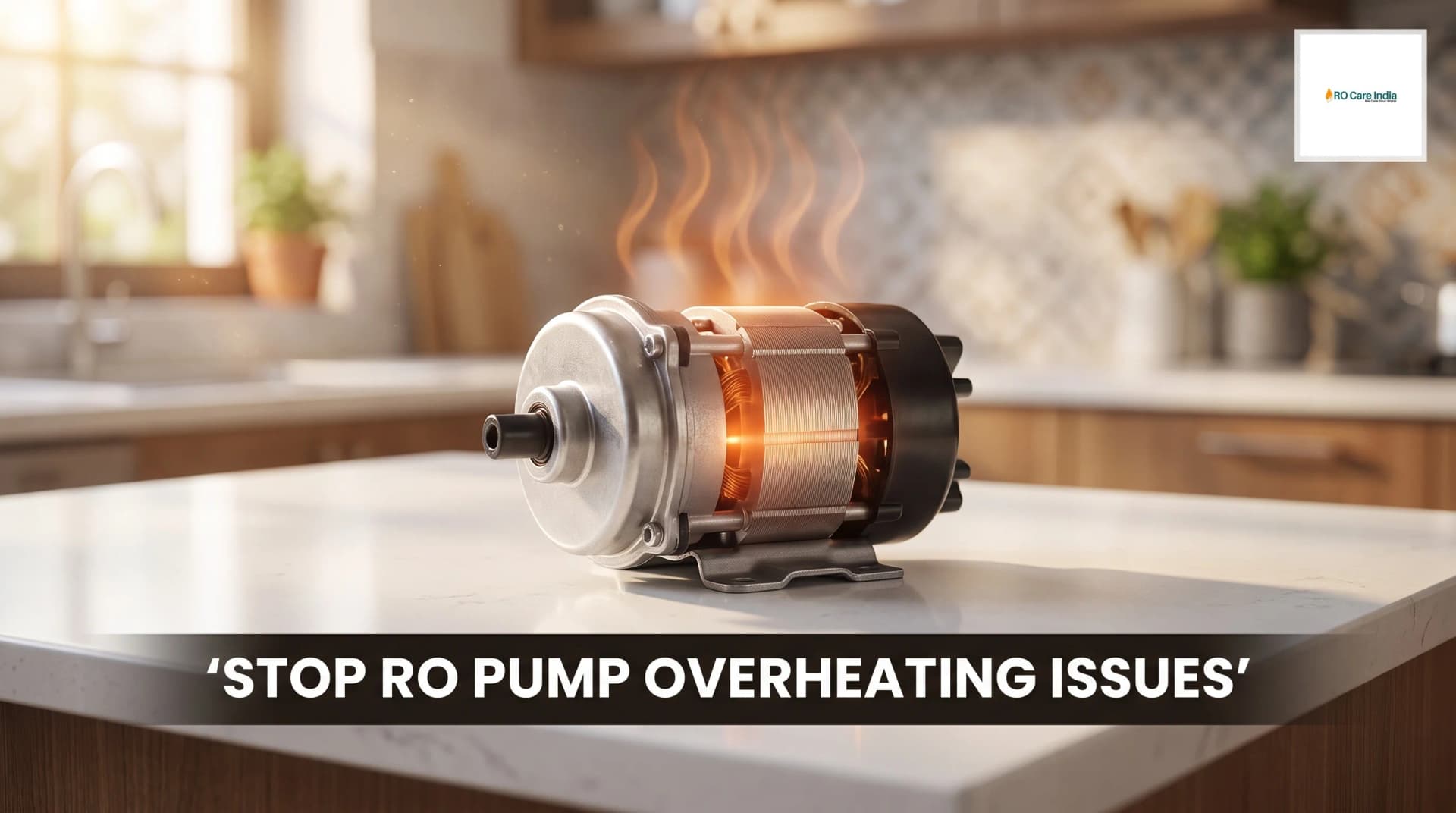
Why Aquaguard RO Pump Overheating in Kolkata: Causes and Prevention
Water purifiers have become essential appliances in every Indian household, especially in cities like Kolkata where water quality remains a persistent concern. Among various water purification systems, reverse osmosis purifiers have gained immense popularity due to their efficiency in removing contaminants. However, many users face a common yet frustrating problem—the RO pump overheating. This issue not only disrupts the water supply but can also damage the entire purification system if left unaddressed. If you're experiencing this problem, contacting Aquaguard repair service kolkata can help diagnose and resolve the issue quickly. Understanding why your RO pump overheats and how to prevent it can save you from costly repairs and ensure continuous access to clean drinking water. Whether you're dealing with frequent breakdowns or noticing unusual sounds from your purifier, knowing the root causes helps in taking timely action. In this comprehensive guide, we'll explore the various reasons behind RO pump overheating, practical prevention methods, and when to seek professional assistance through Aquaguard customer care number kolkata.
The RO pump serves as the heart of your water purification system, creating the necessary pressure to push water through the semi-permeable membrane. When this crucial component overheats, the entire purification process comes to a halt, leaving you without access to safe drinking water.
Understanding the RO Pump and Its Function
The reverse osmosis pump is designed to generate adequate pressure to force water molecules through the RO membrane while blocking impurities, dissolved solids, and contaminants. In a typical household RO system, the pump operates at pressures ranging from 60 to 80 PSI (pounds per square inch). This continuous operation, especially in areas with low water pressure or high TDS levels, puts significant stress on the pump motor. The pump consists of several components including the motor, impeller, pressure switch, and housing. Each part plays a vital role in maintaining optimal performance and preventing overheating issues.
In Kolkata's climate, where humidity levels remain high throughout the year and temperatures soar during summer months, RO pumps face additional environmental challenges. The combination of hard work and unfavorable conditions often leads to overheating problems that require immediate attention. Understanding how your RO pump functions helps in identifying early warning signs before complete failure occurs. Regular monitoring of pump performance, unusual vibrations, or changes in water flow can indicate developing problems that need professional intervention.
Common Causes of RO Pump Overheating
Several factors contribute to RO pump overheating, ranging from environmental conditions to mechanical failures. Identifying the specific cause in your situation helps in implementing the right solution and preventing future occurrences.
Continuous Operation and Inadequate Rest Cycles
One primary reason for pump overheating is continuous operation without adequate rest periods. When household water demand increases significantly, the pump runs continuously to maintain the storage tank pressure. This extended operation generates excessive heat that the pump's cooling mechanism cannot dissipate effectively. In larger families or commercial settings where water consumption remains constant, pumps experience minimal downtime, leading to heat buildup. The motor windings heat up progressively, eventually causing thermal overload and automatic shutdown. Installing a larger capacity storage tank can reduce pump cycling frequency and allow adequate cooling time between operations.
Low Input Water Pressure
Kolkata's municipal water supply often faces pressure fluctuations, particularly in high-rise buildings and densely populated neighborhoods. When input water pressure drops below the required level, the RO pump works harder and longer to achieve the necessary output pressure. This increased workload translates directly into higher heat generation and potential overheating. Areas experiencing frequent water pressure drops need booster pumps or pressure stabilizers to maintain consistent input pressure. Without adequate incoming pressure, the pump motor draws more current, generates more heat, and shortens its operational lifespan significantly.
Clogged Filters and Membranes
Pre-filters and RO membranes accumulate sediment, dirt, and dissolved particles over time, creating resistance to water flow. When these components become clogged, the pump must work harder to push water through the increased resistance. This additional strain causes the motor to overheat as it attempts to maintain required pressure levels. Regular filter replacement according to manufacturer guidelines prevents excessive load on the pump. In Kolkata, where water contains higher sediment levels during monsoon seasons, more frequent filter changes become necessary to protect pump health.
Faulty Pressure Switch or Auto-Shut-Off Valve
The automatic shut-off valve stops the pump when the storage tank reaches full capacity, allowing the motor to rest and cool down. A malfunctioning auto-shut-off valve or pressure switch fails to signal the pump to stop, resulting in continuous operation even when no water flows into the tank. This unnecessary running generates heat without productive output, leading to overheating and eventual motor damage. Testing and replacing faulty pressure switches ensures proper pump cycling and prevents overheating issues. Professional technicians can accurately diagnose and replace defective components to restore normal operation.
Voltage Fluctuations and Electrical Issues
Kolkata experiences voltage fluctuations, especially during peak consumption hours and monsoon thunderstorms. When voltage drops below optimal levels, the pump motor draws higher current to maintain performance, generating excessive heat in the process. Similarly, voltage spikes can damage motor windings and control circuits, leading to inefficient operation and overheating. Installing a voltage stabilizer protects your RO system from electrical variations and ensures consistent motor performance. Proper electrical grounding and surge protection further safeguard against damage from lightning strikes and power surges common during Kolkata's stormy weather.
Ambient Temperature and Ventilation
High ambient temperatures, particularly during Kolkata's summer months when temperatures exceed 35-40°C, reduce the pump's ability to dissipate heat effectively. Poor ventilation around the RO unit traps heat, creating an enclosed environment where temperatures rise rapidly. Many households install RO systems in confined spaces under kitchen counters or in small utility areas without adequate air circulation. This restricted airflow prevents natural cooling and accelerates overheating. Ensuring proper ventilation by maintaining clearance around the unit or installing small exhaust fans improves air circulation and heat dissipation.
Prevention and Maintenance Tips
Preventing RO pump overheating requires a combination of regular maintenance, proper installation practices, and timely interventions. Implementing these preventive measures significantly extends pump life and ensures consistent water purification performance.
Maintenance Schedule and Filter Replacement
Establish a regular maintenance schedule based on your water quality and consumption patterns. Replace sediment filters every 6-8 months, carbon filters every 8-12 months, and RO membranes every 24-36 months as recommended. In areas with high TDS levels or turbid water, more frequent replacements may be necessary. Keep a maintenance log noting filter replacement dates and any performance changes. This documentation helps identify patterns and predict when components need attention. Schedule annual professional servicing to ensure comprehensive system checks and component testing.
Proper Installation and Positioning
Install your RO system in a well-ventilated area with adequate space around all sides for air circulation. Avoid enclosed cabinets or spaces near heat sources like cooking ranges or water heaters. Ensure the unit remains level and stable to prevent vibration-related issues. Use quality electrical connections with proper grounding and circuit protection. If possible, install a dedicated electrical line for your RO system to avoid sharing circuits with high-power appliances. Professional installation ensures all components are correctly configured and positioned for optimal performance and longevity.
Monitoring and Early Detection
Pay attention to warning signs indicating potential pump problems before complete failure occurs. Listen for unusual sounds like grinding, excessive vibration, or continuous running when the tank is full. Monitor water flow rate—significant reductions may indicate filter clogging or pump weakness. Check for water leaks around connections and valves that might indicate pressure-related problems. Feel the pump housing periodically—while some warmth is normal, excessive heat that's uncomfortable to touch indicates overheating issues requiring immediate attention. Early detection and intervention prevent minor issues from escalating into costly repairs or complete system replacement.
Water Quality Management
Test your input water regularly to understand TDS levels, hardness, and sediment content. High TDS water increases the load on RO membranes and pumps, accelerating wear and overheating risks. Consider installing pre-treatment systems like water softeners if hardness levels exceed 300 ppm. Sediment pre-filters protect the pump from abrasive particles that damage impellers and seals. During monsoon seasons when water quality deteriorates, increase filter inspection frequency and replace components as needed to maintain optimal system performance.
Professional Service and Genuine Parts
When issues arise, rely on authorized service providers who use genuine replacement parts and follow proper repair protocols. Counterfeit or compatible parts may seem cost-effective initially but often lead to premature failures and recurring problems. Trained technicians understand system intricacies and can diagnose complex issues that generic repair services might miss. Establish a relationship with authorized service centers for reliable support and warranty protection. Keep contact information readily available for quick response when problems occur.
When to Seek Professional Help
While basic maintenance and troubleshooting can resolve minor issues, certain situations require professional expertise. If your pump overheats repeatedly despite regular filter changes and proper maintenance, underlying mechanical or electrical problems may exist. Unusual noises, water leaks, or complete pump failure indicate serious issues requiring immediate professional attention. Attempting DIY repairs on complex components may void warranties and cause additional damage. Contact qualified technicians when facing persistent overheating problems or if you're unsure about any aspect of system maintenance. Professional diagnosis ensures accurate problem identification and appropriate solutions, saving money and preventing recurring issues.
Comparison of Common Overheating Causes and Solutions
| Cause | Symptoms | Prevention | Solution Cost Range (INR) |
|---|---|---|---|
| Clogged Filters | Reduced flow, continuous pump running | Regular replacement every 6-8 months | 500-1500 |
| Faulty Pressure Switch | Pump doesn't stop when tank is full | Annual servicing and testing | 300-800 |
| Low Input Pressure | Slow filling, excessive pump noise | Install pressure booster | 2000-5000 |
| Voltage Fluctuations | Intermittent operation, burning smell | Use voltage stabilizer | 1500-3500 |
| Poor Ventilation | Hot pump housing, frequent shutdowns | Improve airflow, relocate unit | 0-2000 |
| Worn Pump Components | Grinding noises, vibrations | Professional maintenance | 2500-6000 |
Conclusion
RO pump overheating represents a common yet preventable problem affecting water purifiers in Kolkata and across India. Understanding the various causes—from continuous operation and low water pressure to clogged filters and electrical issues—empowers homeowners to take proactive measures. Regular maintenance, proper installation, adequate ventilation, and timely professional servicing form the foundation of reliable RO system performance. While some preventive measures require minimal investment, they significantly extend pump life and ensure consistent access to purified water. Monitoring your system's performance, addressing warning signs promptly, and maintaining a regular maintenance schedule prevent minor issues from escalating into expensive repairs. When problems exceed your troubleshooting capabilities, professional service providers offer expertise and genuine parts for lasting solutions. By implementing these prevention strategies and maintaining awareness of your RO system's condition, you can minimize overheating incidents and enjoy uninterrupted access to safe, clean drinking water throughout the year. Remember that investing in proper maintenance and quality service today saves considerably more in repair costs and system replacement tomorrow.
Discover how regular maintenance and proper installation can extend your Aquaguard RO purifier's lifespan significantly. Learn more about identifying early warning signs of pump stress, understanding optimal operating conditions for Kolkata's climate, and implementing preventive measures that protect your investment while ensuring continuous access to safe drinking water for your family.