
RO Motor Not Starting in Kolkata: Common Reasons and How to Fix it?
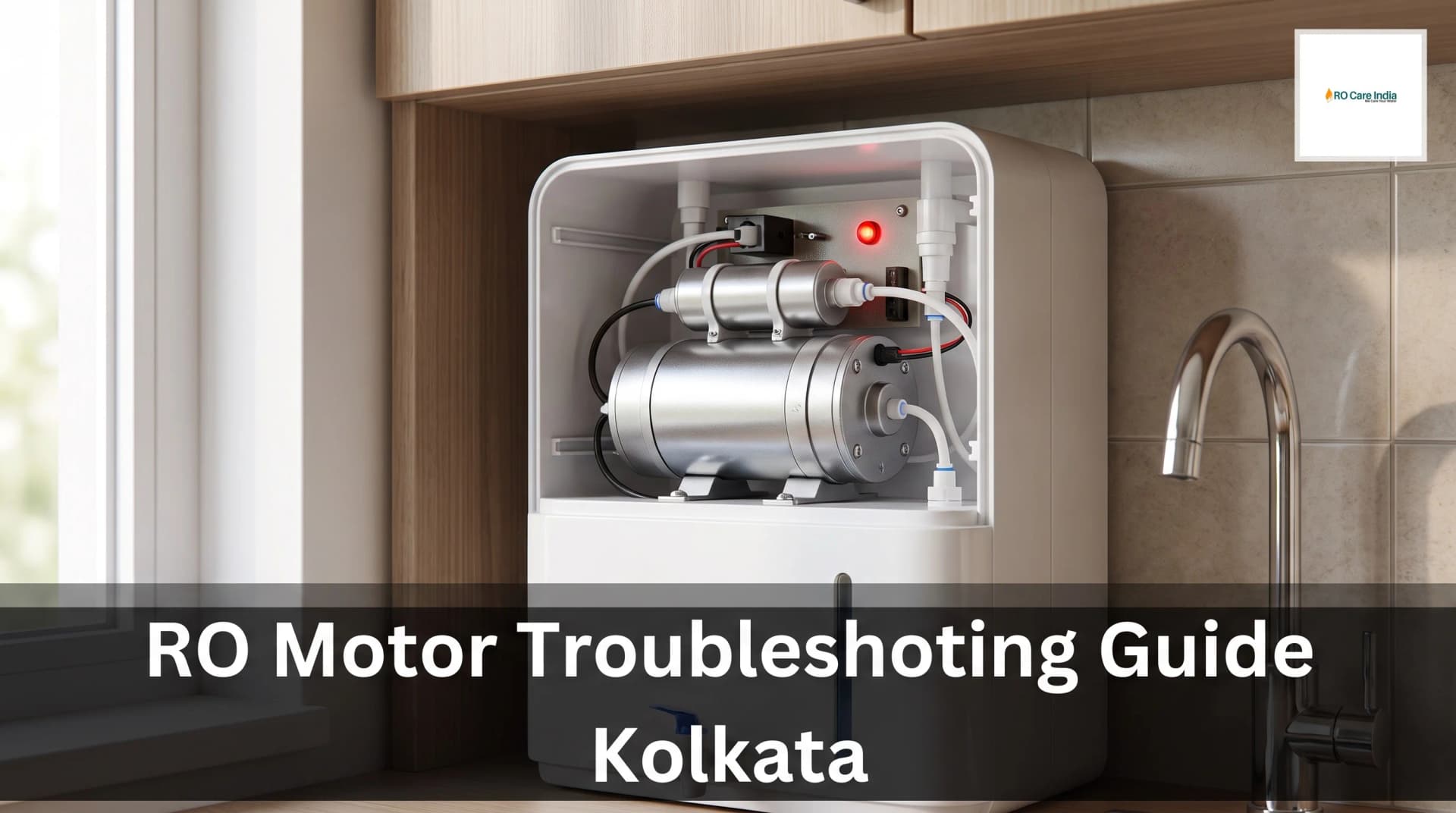
RO Motor Not Starting in Kolkata: Common Reasons and How to Fix it?
A functional RO water purifier is essential for every household in Kolkata, especially considering the city's water quality challenges. However, one of the most frustrating issues many homeowners face is when their RO motor refuses to start. This problem can bring your entire water purification system to a standstill, leaving you without access to clean drinking water. Understanding why your RO motor fails to start and knowing how to address it can save you time, money, and unnecessary stress. Whether you need immediate ro service kolkata assistance or want to attempt a DIY fix, this comprehensive guide will walk you through everything you need to know about RO motor issues specific to Kolkata's environmental conditions.
The motor in your RO water purifier is the heart of the system, responsible for creating the necessary pressure to push water through the semi-permeable membrane. When this crucial component stops working, the entire purification process halts. Many residents across Kolkata, from Salt Lake to Behala, encounter this problem regularly due to various factors including power fluctuations, water quality, and component wear. The good news is that not all motor issues require expensive replacements or professional intervention. Some problems can be identified and resolved with basic troubleshooting steps.
Before you panic and assume you need a complete system replacement, it is important to understand that RO motors can fail to start due to multiple reasons ranging from simple electrical issues to mechanical failures. The humid climate of Kolkata, combined with frequent power cuts and voltage variations, makes RO systems particularly vulnerable to motor-related problems. Additionally, the high TDS levels in Kolkata's municipal water supply can accelerate wear and tear on RO components, including the motor assembly.
This article will explore the common reasons behind RO motor failure, provide practical troubleshooting steps you can perform yourself, and help you determine when it is time to call professional ro repair service kolkata experts. By the end of this guide, you will have a clear understanding of how to diagnose motor issues, implement quick fixes, and maintain your RO system to prevent future problems.
Understanding How RO Motors Work and Why They Fail
The RO motor, also known as the booster pump, is designed to increase water pressure to levels necessary for reverse osmosis filtration. Most residential RO systems require water pressure between 40 to 60 PSI to function effectively. In Kolkata, where municipal water pressure often fluctuates or remains insufficient, the motor becomes even more critical. The motor typically operates on standard household electricity (220-240V AC) and is controlled by various sensors and switches within the purifier system.
When you turn on your RO system, the motor should activate immediately or within a few seconds, depending on the storage tank's water level. If the motor remains silent or makes unusual sounds without starting, this indicates an underlying issue. The motor assembly consists of several components including the pump head, motor coil, capacitor, and impeller. Any malfunction in these parts can prevent the motor from starting properly.
Understanding the basic operation helps you diagnose problems more effectively. The motor receives power through electrical connections, and its operation is regulated by pressure switches, low-pressure switches, and sometimes solenoid valves. When any component in this chain fails, the motor may not receive the signal or power necessary to start. Environmental factors unique to Kolkata, such as high humidity levels, can cause corrosion in electrical connections, while frequent power surges can damage sensitive electronic components.
Common Reasons Why Your RO Motor Won't Start
Electrical Power Supply Issues
One of the most common reasons for RO motor failure in Kolkata is electrical supply problems. Power fluctuations are frequent across different neighborhoods, and these variations can trip circuit breakers or damage the RO system's electrical components. Start by checking whether your RO purifier is receiving power. Look for indicator lights on the control panel. If these lights are off, the problem might be with the power outlet, plug connection, or the system's power cord.
Voltage fluctuations can also prevent the motor from starting. RO motors typically require stable voltage to operate correctly. If your area experiences frequent voltage drops or surges, this could affect motor performance. Use a multimeter to check the voltage at the power outlet. Additionally, inspect the power cord for any visible damage, fraying, or loose connections. Sometimes, simply unplugging the system for a few minutes and plugging it back in can reset electrical components and resolve minor glitches.
Faulty or Burnt Motor Capacitor
The motor capacitor is a small but crucial component that provides the initial electrical boost needed to start the motor. In Kolkata's humid environment, capacitors are particularly prone to failure due to moisture infiltration and heat buildup. A burnt or faulty capacitor is one of the leading causes of motor starting problems. You can often identify a failed capacitor by visual inspection—look for bulging, leaking, or burn marks on the cylindrical component usually attached to the motor.
If you suspect capacitor failure, you will need to replace it with an exact match. Capacitors are rated by microfarads and voltage, and using the wrong specification can damage the motor or prevent it from starting. While replacing a capacitor is relatively simple for those with basic electrical knowledge, it is advisable to contact ro customer care kolkata if you are unsure about handling electrical components safely.
Pressure Switch Malfunction
The pressure switch is responsible for turning the motor on and off based on water pressure in the storage tank. When the tank is full, the switch turns off the motor; when water levels drop, it signals the motor to restart. A malfunctioning pressure switch can fail to send the starting signal even when the tank needs refilling. This is particularly common in areas of Kolkata where water quality causes mineral deposits to accumulate on the switch contacts.
To test the pressure switch, listen for a clicking sound when you turn on the system or manually drain some water from the storage tank. If you hear no click, the switch may be stuck or damaged. Sometimes, mineral buildup can be cleaned with a soft brush and contact cleaner. However, if the switch is mechanically damaged or corroded beyond cleaning, replacement becomes necessary. Professional technicians can quickly diagnose and replace faulty pressure switches.
Low Water Pressure or Water Supply Problems
RO motors are designed to work within specific inlet water pressure ranges. If the incoming water pressure is too low, safety mechanisms may prevent the motor from starting to avoid damage. Kolkata's municipal water supply pressure varies significantly across different areas and times of day. Check whether water is flowing properly to your RO system by opening the inlet valve completely. If water trickles rather than flows, low pressure is likely the culprit.
Many modern RO systems include a low-pressure switch that prevents motor operation when inlet pressure falls below minimum requirements. This protective feature prevents the motor from running dry and burning out. If your area consistently experiences low water pressure, you might need to install a pre-booster pump or consult with professionals about upgrading to a system better suited for low-pressure conditions.
Clogged Filters and Membrane
While clogged filters do not directly prevent the motor from starting, severe blockages can increase back pressure to the point where the motor cannot overcome resistance and appears to not start. If your RO system has not undergone regular maintenance, sediment, carbon, and RO membrane filters may be heavily clogged. This is especially common in Kolkata where water often contains high levels of suspended particles and dissolved solids.
Check when you last replaced your filters. Sediment filters should typically be changed every 6-8 months, carbon filters every 8-12 months, and RO membranes every 2-3 years, though these intervals can vary based on water quality and usage. If filters are overdue for replacement, change them before attempting other troubleshooting steps. Clean filters significantly reduce the workload on the motor and may resolve starting issues without further intervention.
Step-by-Step Troubleshooting Guide for RO Motor Problems
Initial Visual and Sound Inspection
Begin your troubleshooting by conducting a thorough visual inspection of the entire RO system. Look for any obvious signs of damage, water leakage, or disconnected wires. Check all electrical connections to ensure they are secure and free from corrosion. Pay special attention to the motor assembly itself—look for burn marks, unusual discoloration, or moisture accumulation around electrical components.
Next, listen carefully when you turn on the system. A healthy motor should produce a consistent humming sound. If you hear clicking without the motor starting, this suggests electrical power is reaching the motor but something prevents it from running. Grinding or squealing noises indicate mechanical problems within the pump assembly. Complete silence might point to electrical supply issues or a completely failed motor. These audio clues help narrow down the problem area before you begin hands-on troubleshooting.
Testing Electrical Components
With the system unplugged, use a multimeter to test continuity and voltage at various points. First, verify that the power outlet provides the correct voltage (220-240V AC in India). Then, check the power cord for continuity to ensure electricity flows properly to the system. If your RO has a transformer or switching power supply, test its output voltage according to manufacturer specifications.
Test the motor capacitor by discharging it safely (using an insulated screwdriver across terminals) and then measuring its capacitance with a multimeter set to capacitance mode. Compare the reading to the capacitor's rated value printed on its body. A significantly lower reading indicates capacitor failure. Similarly, test switches using the continuity function to determine whether they open and close properly under different pressure conditions.
Cleaning and Maintenance Procedures
Sometimes, accumulated dirt, mineral deposits, or debris prevent proper motor operation. Carefully disassemble accessible parts of the motor assembly according to your system's manual. Clean the impeller and pump head thoroughly using a soft brush and vinegar solution to remove calcium deposits common in Kolkata's hard water. Ensure no debris blocks water pathways or impeller movement.
Clean electrical contacts on switches and connectors using electronic contact cleaner. Corrosion on these connection points is common in humid environments and can interrupt electrical flow. After cleaning, ensure all components are completely dry before reassembly. For complex disassembly or if you are uncomfortable with this process, professional services can perform comprehensive cleaning and maintenance.
Filter Replacement and System Reset
Replace all filters that are due for changing, starting with the sediment pre-filter, then carbon filters, and finally the RO membrane if necessary. Follow proper installation procedures for each filter, ensuring O-rings are properly seated and housings are tightened adequately without over-tightening. After filter replacement, flush the system according to manufacturer instructions to remove air pockets and carbon fines.
Once filters are replaced, perform a system reset by unplugging the unit for 10-15 minutes, then reconnecting power. This allows electronic controls to reset completely. Open the storage tank valve and drain some water to trigger the pressure switch. Monitor whether the motor now starts properly. If the motor begins functioning after filter replacement and reset, the issue was likely related to excessive back pressure or a minor electronic glitch.
When to Call Professional RO Service Experts
While many RO motor issues can be diagnosed and sometimes resolved through DIY troubleshooting, certain situations require professional expertise. If you have completed basic troubleshooting without success, continuing to force the motor to run could cause additional damage. Persistent electrical problems, especially those involving repeated capacitor failures or tripped breakers, suggest deeper issues that need expert diagnosis.
If your RO system is still under warranty, attempting complex repairs yourself may void coverage. Professional technicians have specialized tools, genuine replacement parts, and experience diagnosing issues specific to different RO models and Kolkata's unique water conditions. They can also perform comprehensive system checks to identify problems you might miss, potentially preventing future breakdowns.
Motor replacement represents a significant component cost, and professional installation ensures proper compatibility and performance. Experienced technicians can also advise whether motor replacement makes economic sense or if investing in a new RO system would be more cost-effective given the age and condition of your current unit. Additionally, professionals can address underlying issues like chronic low water pressure or electrical supply problems that contribute to motor failures.
Preventive Maintenance Tips to Avoid Future Motor Problems
Regular maintenance is the most effective way to prevent RO motor failures. Create a maintenance schedule that includes filter replacements at recommended intervals, typically every 6-12 months depending on filter type and water quality. In areas of Kolkata with particularly high TDS levels or sediment content, more frequent filter changes may be necessary to protect the motor from excessive workload.
Install a voltage stabilizer if your area experiences frequent power fluctuations. Voltage stabilizers protect sensitive RO components from damage caused by surges and drops in electrical supply. This relatively inexpensive device can significantly extend the lifespan of your motor and other electronic components. Consider unplugging your RO system during extended power outages or thunderstorms to prevent damage from power surges when electricity returns.
Schedule annual professional servicing with qualified technicians. During these service visits, experts can identify worn components before they fail, clean parts inaccessible during routine maintenance, and adjust system settings for optimal performance. Professional servicing also provides an opportunity to update you on any component nearing end-of-life and plan for timely replacements.
Monitor your system's performance regularly. Pay attention to changes in water flow rate, unusual sounds from the motor, or increased frequency of motor cycling. Early detection of performance changes allows you to address minor issues before they escalate into complete motor failure. Keep a maintenance log noting filter change dates, service visits, and any unusual observations to help identify patterns and predict maintenance needs.
Cost Considerations for RO Motor Repairs in Kolkata
Understanding the costs associated with RO motor repairs helps you make informed decisions about repair versus replacement. Motor capacitor replacement typically costs between INR 200-500 including parts and labor, making it one of the most economical repairs. Pressure switch replacement generally ranges from INR 300-800 depending on the switch type and RO model. These relatively minor repairs can restore full functionality without significant expense.
Complete motor assembly replacement represents a more substantial investment, typically ranging from INR 1,500-3,500 depending on motor capacity, brand compatibility, and service charges. When considering motor replacement, factor in the age of your entire RO system. If the unit is more than 5-7 years old, investing in motor replacement may not be economical compared to purchasing a new system with updated technology and warranty coverage.
Service call charges in Kolkata typically range from INR 300-600 for diagnosis, with this amount often adjusted against repair costs if you proceed with the recommended service. Some providers offer annual maintenance contracts that include periodic servicing and discounted repair rates, which can be cost-effective for maintaining system health long-term. Always request detailed quotations before authorizing major repairs and verify whether parts carry any warranty coverage.
Conclusion
RO motor starting problems can be frustrating, but understanding the common causes and troubleshooting steps empowers you to address many issues independently. From electrical supply problems to faulty capacitors, clogged filters to pressure switch malfunctions, most motor starting issues have identifiable causes and practical solutions. While some problems require professional intervention, many can be resolved through systematic troubleshooting and regular maintenance.
For Kolkata residents, being proactive about RO maintenance is especially important given the city's water quality challenges and environmental conditions that accelerate component wear. Regular filter replacements, voltage protection, and periodic professional servicing can prevent most motor problems before they occur. When issues do arise, knowing when to attempt DIY fixes and when to call experts saves both time and money while ensuring your family continues to have access to clean, safe drinking water.
Discover how to troubleshoot your RO motor and restore access to pure drinking water in your Kolkata home. Learn more about common electrical faults, pressure switch malfunctions, and capacitor failures that prevent motor operation. Explore further into DIY diagnostic steps and professional maintenance tips to keep your water purification system running smoothly year-round.