
Why RO Motor is Not Starting in Gurgaon: How to Fix It?
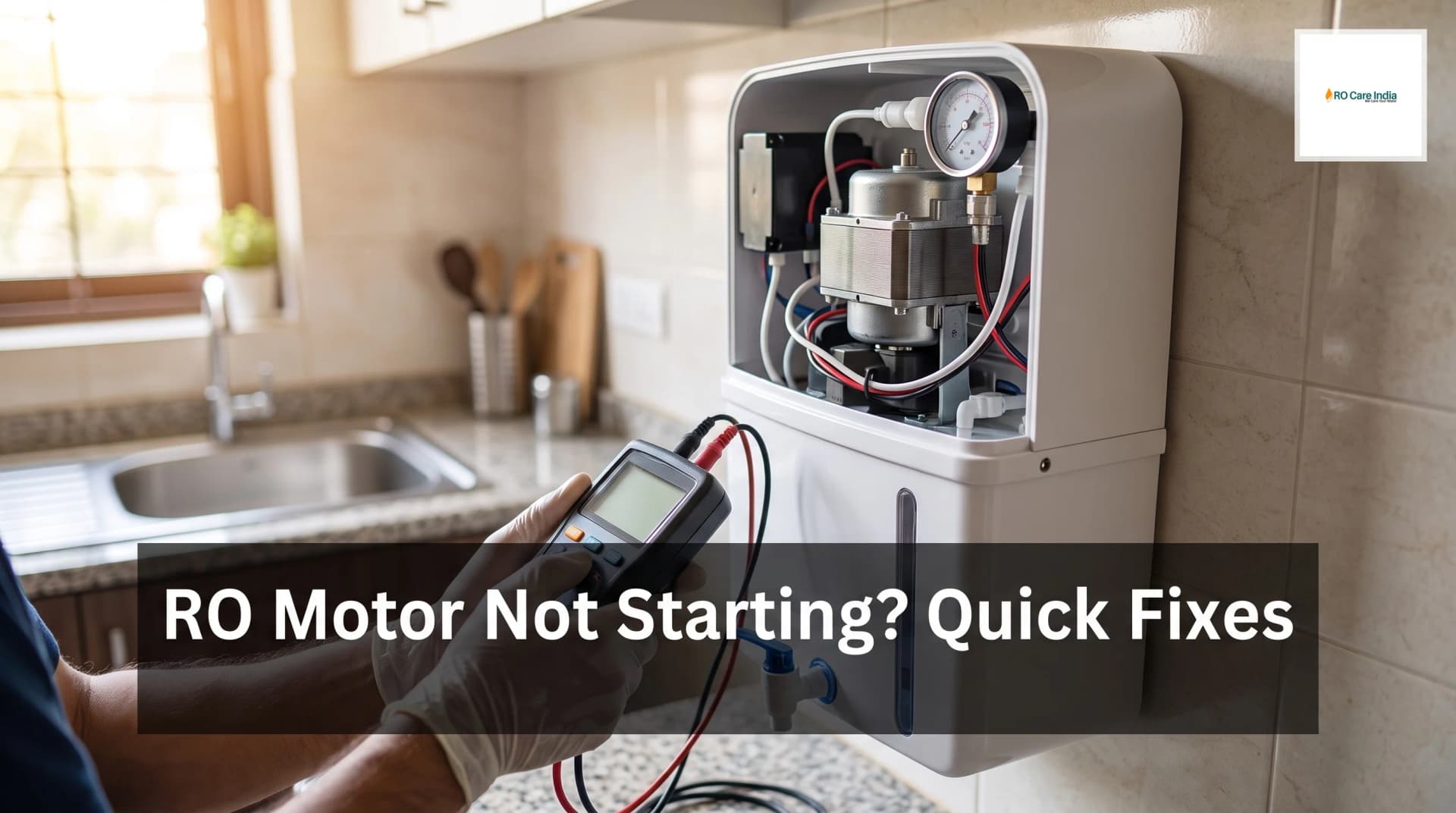
Why RO Motor is Not Starting in Gurgaon: How to Fix It?
A non-functioning RO motor can disrupt your entire household, leaving you without access to clean drinking water. If you live in Gurgaon and are facing this frustrating issue, you are not alone. The motor is the heart of your RO water purifier, responsible for creating the pressure needed to push water through the reverse osmosis membrane. When it fails to start, your entire purification process comes to a halt. Understanding the reasons behind motor failure and knowing how to address them can save you time, money, and the inconvenience of contaminated water. This comprehensive guide will help you identify why your RO motor is not starting and provide practical solutions. For professional assistance, you can always reach out to ro service gurgaon experts who specialize in diagnosing and repairing motor-related issues quickly and efficiently.
Many homeowners in Gurgaon experience RO motor problems due to various factors ranging from electrical issues to mechanical failures. The city's hard water conditions and frequent power fluctuations can put additional stress on RO systems, making motor problems more common than in other regions. Before calling for professional help from ro customer care gurgaon, it is worth understanding the basic troubleshooting steps that might resolve the issue yourself. This knowledge not only empowers you as a homeowner but also helps you communicate more effectively with technicians when professional intervention becomes necessary.
The good news is that not all motor problems require expensive replacements or extensive repairs. Sometimes, simple fixes like checking power connections or resetting the system can restore normal operation. However, certain situations do demand expert attention from qualified technicians at a ro service center gurgaon. Knowing when to attempt DIY fixes and when to seek professional help is crucial for maintaining your RO system's longevity and ensuring your family continues to receive purified water without extended interruptions.
This article will walk you through the most common causes of RO motor failure, step-by-step troubleshooting methods, preventive maintenance tips, and guidance on when to contact professional services. Whether you are dealing with a complete motor failure or intermittent starting issues, the solutions provided here will help you restore your water purification system to optimal working condition.
Common Reasons Why RO Motors Fail to Start
Understanding the root causes of motor failure is the first step toward effective troubleshooting. RO motors typically fail to start due to electrical problems, mechanical issues, or component deterioration. One of the most prevalent causes in Gurgaon is voltage fluctuation. The city experiences periodic power surges and drops that can damage the motor's electrical components or trigger protective mechanisms that prevent startup. If your RO system does not have a proper voltage stabilizer, these fluctuations can repeatedly stress the motor, eventually leading to failure.
Another common culprit is a faulty power supply or connection issue. Loose electrical connections, damaged power cords, or malfunctioning adapters can prevent adequate power from reaching the motor. This is especially common in older RO systems where wire insulation may have degraded over time. Additionally, tripped circuit breakers or blown fuses in your home's electrical panel can cut power to the RO unit entirely. Before assuming your motor has failed, always verify that the unit is receiving proper electrical supply.
Clogged pre-filters and sediment accumulation represent mechanical causes of motor failure. When pre-filters become excessively dirty, they create back pressure that forces the motor to work harder. Over time, this increased workload can cause the motor to overheat and trigger its thermal protection feature, which prevents it from starting until it cools down. In areas with hard water like Gurgaon, sediment buildup happens faster, making regular filter maintenance absolutely critical for motor health.
The SMPS (Switched-Mode Power Supply) adapter is another component that frequently causes starting issues. This device converts household AC power to the DC voltage required by the RO motor. When the SMPS fails or delivers inconsistent voltage, the motor cannot receive the power it needs to start. SMPS failure is particularly common during monsoon season when humidity levels rise and can damage electronic components. Additionally, worn-out motor bearings, damaged impellers, or internal winding failures can physically prevent the motor from starting even when electrical power is available.
Step-by-Step Troubleshooting Guide for Non-Starting Motors
Begin your troubleshooting by checking the most obvious issues first. Verify that the RO system is properly plugged into a working electrical outlet. Test the outlet by plugging in another device to confirm it is providing power. Examine the power cord for any visible damage such as cuts, fraying, or burn marks. If you find damage, the cord needs replacement before proceeding further. Check whether the main power switch on your RO unit is in the ON position, as it sometimes gets accidentally turned off during cleaning or maintenance.
Next, inspect the SMPS adapter carefully. Look for any indicator lights on the adapter that should illuminate when it is functioning correctly. If these lights are off despite being plugged in, the SMPS has likely failed and requires replacement. You can test the SMPS output using a multimeter if you have one available. The output voltage should match the specifications mentioned on the adapter label, typically between 24V to 36V DC for most RO motors. Any significant deviation indicates SMPS failure.
Examine the storage tank and check its water level. Most RO systems have an automatic shut-off feature that prevents the motor from running when the storage tank is full. If the tank pressure is too high or the auto-shut valve is malfunctioning, the system may believe the tank is full even when it is not, preventing motor startup. Try draining some water from the tank and see if the motor starts. Also check the high-pressure and low-pressure switches, which regulate motor operation based on water pressure. These switches can malfunction and incorrectly signal the system to keep the motor off.
If electrical components seem fine, turn your attention to the filters. Remove and inspect the sediment pre-filter and carbon filters. If they appear excessively dirty or clogged, replace them with new ones. A clogged filter restricts water flow, creating back pressure that can prevent motor operation. After replacing filters, try starting the system again. Additionally, check the RO membrane housing for any blockages or scale buildup. While less common, severe membrane fouling can also create enough resistance to prevent motor startup. For complex filter and membrane issues, contacting RO Repair Specialist ensures proper diagnosis and replacement.
When to Contact Professional RO Service in Gurgaon
While many motor issues can be resolved through basic troubleshooting, certain situations require professional expertise. If you have checked all electrical connections, replaced the SMPS, changed filters, and the motor still refuses to start, the problem likely lies within the motor itself. Internal motor failures such as burnt windings, seized bearings, or damaged armatures cannot be repaired through DIY methods and need specialized attention from qualified technicians.
Persistent unusual noises from the motor area indicate mechanical problems that demand professional diagnosis. If the motor attempts to start but produces grinding, squealing, or buzzing sounds before shutting off, internal components may be damaged. Continuing to operate a motor in this condition can cause further damage to other system components. Professional technicians have the tools and experience to disassemble the motor, identify the exact issue, and determine whether repair or replacement is more cost-effective.
Electrical problems beyond basic checks should always be handled by qualified professionals. If you suspect issues with the pressure switches, solenoid valves, or control board, these components require technical knowledge to diagnose and repair safely. Attempting to fix complex electrical problems without proper expertise can result in electric shock, further damage to the system, or voiding of warranties. Authorized service centers employ trained technicians who understand the intricacies of different RO models and can source genuine replacement parts.
Recurring motor problems even after apparent fixes suggest underlying issues that require comprehensive system evaluation. If your motor repeatedly fails or requires frequent resets, there may be installation problems, incompatible components, or environmental factors affecting performance. Professional service providers can perform a complete system audit, identifying root causes rather than just treating symptoms. This approach ensures long-term reliability and prevents the frustration of repeated breakdowns.
Preventive Maintenance to Avoid Motor Failure
Regular maintenance is the most effective strategy for preventing RO motor failure and extending your system's lifespan. Establish a filter replacement schedule based on your water quality and usage patterns. In Gurgaon, where water hardness is typically high, sediment filters should be replaced every 3-4 months, carbon filters every 6-8 months, and the RO membrane every 2-3 years. Timely filter changes prevent excessive load on the motor and maintain optimal water flow through the system.
Install a voltage stabilizer if your RO system does not have one built-in. This device protects the motor and electronic components from voltage fluctuations that are common in many Gurgaon neighborhoods. A quality stabilizer costs between 800 to 2000 rupees but can prevent motor damage worth thousands of rupees in repairs or replacement. Additionally, consider using a surge protector to guard against sudden power spikes during thunderstorms or when power is restored after outages.
Periodic professional servicing ensures that potential problems are identified and addressed before they cause motor failure. Schedule annual or bi-annual maintenance visits from qualified technicians who can thoroughly inspect all system components, clean internal parts, check electrical connections, and test motor performance. During these visits, technicians can detect early signs of wear, such as bearing noise or reduced motor efficiency, and recommend preventive replacements. This proactive approach is far more economical than emergency repairs when the motor completely fails.
Maintain cleanliness around your RO installation area. Dust, moisture, and debris can affect electrical components and accelerate deterioration. Ensure the area is well-ventilated to prevent excessive heat buildup, which can stress the motor and SMPS. Periodically wipe down the exterior of the unit and check for any signs of water leakage that could damage electrical parts. Simple housekeeping practices contribute significantly to the overall health and longevity of your RO system.
Comparing DIY Fixes vs Professional Service
Aspect | DIY Troubleshooting | Professional Service |
|---|---|---|
Cost | Minimal (0-500 INR for basic parts) | 500-3000 INR depending on issue |
Time Required | 30 minutes to 2 hours | 1-3 hours including travel |
Expertise Needed | Basic understanding sufficient | Technical knowledge required |
Tools Required | Multimeter, basic hand tools | Specialized diagnostic equipment |
Success Rate | 40-60% for simple issues | 90-95% for most problems |
Warranty Protection | May void warranty if improper | Maintains warranty validity |
Parts Quality | Depends on source | Genuine manufacturer parts |
Long-term Solution | Temporary for complex issues | Comprehensive and lasting |
This comparison shows that while DIY troubleshooting is valuable for simple problems like power supply checks and filter changes, professional service offers superior outcomes for complex motor failures. The choice depends on your technical confidence, the severity of the problem, and whether your system is under warranty. For peace of mind and guaranteed results, contacting experts is often the wisest decision.
Understanding Different Types of RO Motor Problems
RO motor issues manifest in various ways, and understanding these different failure modes helps in accurate diagnosis. Complete motor failure is the most obvious problem where the motor shows no signs of life regardless of power supply. This typically indicates burnt windings, completely failed SMPS, or severed electrical connections. Such failures require component replacement and cannot be fixed through adjustments or cleaning.
Intermittent starting problems are more challenging to diagnose. The motor may start sometimes but fail at other times, or it might start and then stop after a few seconds. These issues often point to thermal overload protection activation, faulty pressure switches, or loose electrical connections. Intermittent problems require patient observation and systematic testing to identify the underlying cause. They can be particularly frustrating because the system might work normally when a technician arrives.
Weak motor performance represents another category where the motor starts but runs with reduced power or efficiency. You might notice slower water production, reduced water flow, or the motor struggling to maintain operation. This condition suggests worn bearings, partially damaged windings, or voltage supply issues. While the system still produces water, weak motor performance indicates impending failure and should be addressed promptly to avoid complete breakdown.
Noisy operation accompanies many motor problems and provides valuable diagnostic clues. Grinding noises suggest bearing wear, buzzing indicates electrical issues or seized components, and humming without rotation points to capacitor failure or mechanical obstruction. Each type of noise requires different corrective actions, and experienced technicians can quickly identify the specific problem based on sound characteristics.
Cost Considerations for Motor Repairs and Replacements
Understanding the financial aspects of motor repairs helps you make informed decisions. A typical service call from technicians costs between 300 to 800 rupees for diagnostic visits, though many service providers waive this fee if you proceed with repairs. Basic repairs like fixing loose connections or replacing fuses cost 200 to 500 rupees. SMPS adapter replacement ranges from 600 to 1500 rupees depending on the model and power rating.
Complete motor replacement is more expensive, typically costing between 1500 to 4000 rupees including parts and labor. The wide price range reflects differences in motor types, brands, and power capacities. Booster pump motors for higher capacity systems cost more than standard motors for smaller units. Original manufacturer parts command premium prices but offer better reliability and warranty coverage compared to generic alternatives that may be cheaper initially but fail sooner.
When deciding between repair and replacement, consider the age and overall condition of your RO system. If your system is over five years old and the motor is the only major component that has not been replaced, motor replacement makes sense. However, if multiple components are failing and the system has served for seven or more years, investing in a new RO system might be more economical than repairing an aging unit. Discuss these options with your service technician to make the best financial decision.
Annual maintenance contracts (AMCs) offered by many service providers range from 1500 to 3500 rupees per year and cover regular servicing, filter replacements, and certain repairs. For households dependent on RO water and those who prefer predictable expenses over surprise repair bills, AMCs provide excellent value and peace of mind. They also ensure your system receives regular professional attention that prevents many motor problems before they occur.
Conclusion
RO motor failure is a common but solvable problem that affects many households in Gurgaon. By understanding the primary causes such as electrical issues, mechanical wear, filter clogging, and component failures, you can take appropriate action when your motor refuses to start. The step-by-step troubleshooting guide provided in this article enables you to address simple problems yourself, potentially saving time and money on service calls. However, recognizing when professional help is necessary protects your investment and ensures safe, effective repairs.
Preventive maintenance remains your best defense against motor failures and other RO problems. Regular filter changes, voltage protection, periodic professional servicing, and maintaining a clean installation environment significantly extend motor life and system reliability. While DIY troubleshooting has its place, complex motor issues require the expertise and proper tools that only qualified technicians possess. Whether you choose to attempt fixes yourself or immediately contact professionals, quick action prevents extended periods without purified water.
Remember that your RO motor works continuously to provide clean drinking water to your family, and proper care ensures it continues to perform this vital function reliably for years to come.
Explore further troubleshooting steps and maintenance tips to keep your RO system running smoothly. Learn more about common motor issues, voltage fluctuations, and preventive care practices that can extend your purifier's lifespan. Discover how regular servicing and timely repairs can save you from unexpected breakdowns and ensure continuous access to safe drinking water for your family.