
Aquaguard RO Filter Change Light Not Turning Off in Gurgaon: Troubleshooting
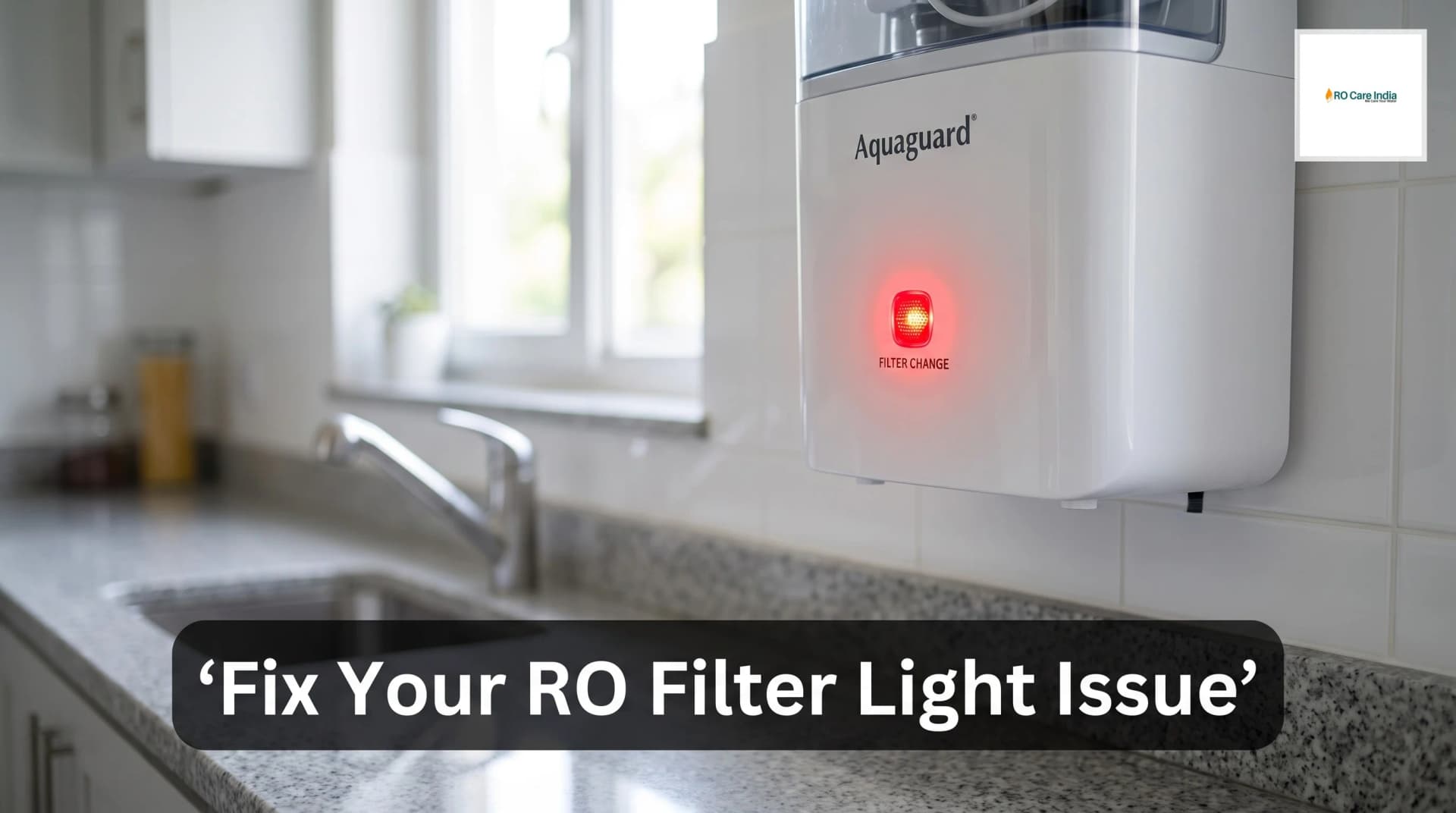
Aquaguard RO Filter Change Light Not Turning Off in Gurgaon: Troubleshooting
If you own a water purifier in Gurgaon, you know how essential it is to maintain clean drinking water for your family. One of the most common issues faced by water purifier owners is the filter change indicator light that refuses to turn off even after replacing the filters. This persistent blinking or glowing light can be frustrating, especially when you have already invested time and money in changing the filters. Understanding why this happens and how to resolve it is crucial for maintaining your system properly. Many residents in Gurgaon face this challenge and often search for ro service near me to find quick solutions. The filter change light is designed to remind users when it is time to replace filters, but sometimes the indicator malfunctions or fails to reset properly. This comprehensive guide will help you understand the common causes behind this issue, provide step-by-step troubleshooting methods, and explain when you need to contact professional RO service gurgaon experts to resolve the problem effectively.
Water purifiers have become indispensable in Indian households, particularly in cities like Gurgaon where water quality varies significantly across different neighborhoods. The reverse osmosis technology effectively removes dissolved impurities, heavy metals, and harmful contaminants from your drinking water. However, these systems require regular maintenance to function optimally. The filter change indicator is an intelligent feature that monitors filter usage and alerts you when replacement is necessary. When this light does not turn off after changing filters, it indicates either a technical glitch, improper filter installation, or a sensor malfunction that needs immediate attention.
Understanding how your water purification system works is the first step toward effective troubleshooting. The filter change indicator is connected to sensors that track water flow, filter life, and usage patterns. When the system determines that filters have reached their lifespan, it triggers the indicator light. After replacing filters, most systems require a manual reset procedure to turn off this light. However, many users are unaware of the correct reset process, leading to persistent indicator lights. This issue is not just annoying but can also cause confusion about whether your filters are actually working properly or if there is a deeper malfunction requiring professional RO service in gurgaon assistance.
The problem becomes more concerning when you cannot determine whether the light is indicating a genuine issue or simply needs resetting. Some residents delay addressing this problem, assuming it will resolve on its own, but this approach can lead to more significant issues down the line. The indicator light serves an important purpose in maintaining your water purifier's efficiency and ensuring your family drinks safe water. Ignoring persistent warning lights might mean you miss actual filter replacement needs in the future, compromising water quality. Therefore, understanding proper troubleshooting techniques and knowing when to seek expert ro customer care gurgaon support is essential for every water purifier owner in the city.
Modern water purification systems come with sophisticated electronic control panels that manage various functions including filter monitoring, water flow regulation, and quality checks. When any component of this system experiences a glitch, it can trigger false alarms or prevent proper resetting of indicator lights. Environmental factors specific to Gurgaon, such as voltage fluctuations, high ambient temperatures, and varying water pressure, can also contribute to electronic malfunctions in water purifiers. These local conditions make it even more important to understand your system thoroughly and maintain direct contact with reliable RO service providers who understand regional challenges.
Understanding the Filter Change Indicator System
The filter change indicator in water purifiers operates through a combination of mechanical and electronic sensors that monitor filter performance. These systems typically track the volume of water processed, the time elapsed since last filter change, and sometimes even water quality parameters. When predetermined thresholds are reached, the system activates the indicator light to alert users. Different models use various methods to calculate filter life, including timer-based systems that count days of usage, flow-based systems that measure liters of water purified, and hybrid systems that combine multiple parameters for more accurate predictions.
The complexity of these indicator systems means that multiple factors can cause the light to malfunction. Electronic control boards contain microprocessors that store filter change data and control indicator lights. When you replace filters but do not follow the correct reset procedure, the control board retains old data and continues displaying the change filter warning. Power surges common in Gurgaon during monsoons or summer months can corrupt this stored data, leading to indicator malfunctions. Understanding this technology helps you appreciate why simply changing filters is not enough and why proper resetting procedures are necessary.
Most water purifier indicator systems operate on preset algorithms that cannot automatically detect when you have physically changed the filters. The system does not have sensors sophisticated enough to recognize new filters installed. Instead, it relies on manual user input through reset buttons or specific button combinations to clear the filter change alert. This design choice keeps costs down while still providing useful functionality, but it requires users to understand and follow reset procedures correctly. Many service calls to RO repair near me gurgaon centers result from users simply not knowing how to reset their systems properly.
The indicator light system also varies significantly between different models and technologies. Some systems use single LED lights that change colors to indicate different statuses, while others employ multiple LED indicators for different filter stages. Advanced models feature digital displays showing remaining filter life percentages or exact days until replacement. Understanding which type of system you have is crucial for effective troubleshooting. The user manual provided with your water purifier contains specific information about your model's indicator system, reset procedures, and troubleshooting guidelines that should be your first reference point.
Environmental conditions in Gurgaon can affect sensor accuracy and electronic component reliability. High humidity during monsoons can cause condensation inside electronic compartments, leading to sensor malfunctions. Similarly, extreme summer temperatures can affect electronic components, causing erratic behavior in indicator systems. Regular maintenance by qualified RO service technicians ensures that these environmental factors do not compromise your system's electronic controls. Professional technicians can inspect control boards, clean electronic components, and verify sensor functionality during routine service visits.
Common Causes of Persistent Filter Change Light
Several factors can cause the filter change indicator to remain illuminated even after proper filter replacement. The most common reason is failure to reset the system correctly after changing filters. Each model has specific reset procedures that must be followed precisely. Some require holding specific buttons for several seconds, others need button combinations pressed in sequence, and some models require disconnecting power briefly. When users attempt to reset without following manufacturer instructions, the indicator continues glowing because the system has not received proper reset commands.
Improper filter installation represents another frequent cause of persistent indicator lights. Water purifier filters must be installed with correct orientation, proper sealing, and adequate tightening. If filters are not seated properly in their housings, sensors may not detect them correctly, causing the indicator to stay on. Cross-threaded filter housings, misaligned O-rings, or incorrectly positioned filter cartridges can all trigger continuous warning lights. This issue particularly affects residents who attempt DIY filter changes without fully understanding installation procedures, leading them to eventually contact kent RO service gurgaon professionals for assistance.
Electronic component failures also contribute to indicator light problems. Control boards contain capacitors, resistors, and integrated circuits that can fail over time due to electrical stress, age, or manufacturing defects. When these components malfunction, the indicator system may behave erratically, staying on regardless of filter status or reset attempts. Power supply issues, including voltage fluctuations common in certain Gurgaon localities, can damage sensitive electronic components. Faulty reset buttons or worn-out switches fail to send proper signals to control boards, preventing successful reset operations despite correct user actions.
Sensor malfunctions present another technical challenge causing persistent indicator lights. Flow sensors that monitor water passage through filters can accumulate scale deposits in hard water areas, affecting their accuracy. These sensors use magnetic or optical mechanisms to detect water flow, and any obstruction or contamination interferes with their operation. When sensors provide incorrect readings to the control board, the system may incorrectly conclude that filters need changing. Temperature sensors, pressure sensors, and TDS sensors integrated into advanced systems can also malfunction, contributing to indicator light issues that require professional kent RO service centre intervention.
Software glitches in microprocessor-controlled systems occasionally cause indicator problems that seem inexplicable. These embedded systems run firmware that controls all purifier functions, and bugs in this software can cause abnormal behavior. Power interruptions during critical operations, such as when the system is writing filter change data to memory, can corrupt stored information. This corruption may prevent proper indicator operation until the system undergoes a complete reset or firmware update. Only authorized RO service centre technicians have access to diagnostic tools and software needed to address these complex issues effectively.
Step-by-Step Troubleshooting Guide
Begin troubleshooting by consulting your water purifier's user manual for model-specific reset instructions. Locate the section covering filter replacement and indicator reset procedures. Most manufacturers provide detailed step-by-step instructions with diagrams showing which buttons to press and for how long. If you cannot find your physical manual, search online using your model number to download a digital copy. Following manufacturer instructions precisely is crucial because reset procedures vary significantly between models, and incorrect attempts may cause additional problems or void warranties.
The first practical step involves verifying that filters were installed correctly. Power off the water purifier and disconnect it from the electrical outlet for safety. Open the filter housing and carefully remove the newly installed filters. Inspect each filter for proper orientation by checking arrows or markings indicating flow direction. Examine O-rings for damage, proper positioning, and adequate lubrication. Clean filter housing threads and seats thoroughly before reinstalling filters. Apply food-grade lubricant to O-rings if they appear dry. Reinstall filters firmly but avoid over-tightening, which can damage threads or crack housings. Proper installation ensures sensors can detect filters correctly.
After confirming correct filter installation, attempt the standard reset procedure for your model. Most systems require pressing and holding a specific button, often labeled as reset, filter reset, or indicated by a circular arrow symbol. Hold this button for the duration specified in your manual, typically between five and fifteen seconds. Watch for visual confirmation such as the indicator light flashing differently or turning off completely. Some models require pressing multiple buttons simultaneously in a specific sequence. Write down the reset procedure after successfully completing it once to simplify future filter changes.
If standard reset procedures fail, try a power cycle reset which often resolves electronic glitches. Disconnect the water purifier from its power source and leave it unpowered for at least five minutes. This duration allows capacitors to discharge completely and the control board to reset fully. While waiting, you can also close the water inlet valve and open the purified water tap to release any built-up pressure in the system. After five minutes, reconnect power and observe whether the indicator light behaves normally. Power cycling clears temporary memory states and resolves many electronic issues without requiring RO service visits.
For persistent problems after attempting basic troubleshooting, inspect the reset button mechanism itself. Over time, these buttons can accumulate dust, moisture, or scale deposits that prevent proper electrical contact. Gently clean around the button area using a dry cloth or compressed air. Press the button multiple times to break through any oxidation on electrical contacts inside. If the button feels stuck, loose, or unresponsive, it may require replacement by a qualified technician. Mechanical button failures are common in water purifiers located in humid environments or those that have been in use for several years.
When to Contact Professional RO Service
Knowing when to stop troubleshooting and contact professional RO service providers saves time, prevents potential damage, and ensures proper repairs. If you have attempted all basic troubleshooting steps without success, professional diagnosis becomes necessary. Continuing to experiment with complex electronic systems without proper knowledge risks causing additional damage that increases repair costs. Professional technicians from authorized RO service gurgaon centers possess specialized diagnostic equipment, genuine spare parts, and manufacturer training to resolve complex issues efficiently.
Contact professionals immediately if you notice any unusual symptoms beyond the indicator light issue. Strange noises from the system, water leakage around filter housings, significantly reduced water output, or unusual tastes and odors in purified water indicate problems requiring expert attention. These symptoms suggest that the persistent indicator light may be alerting you to genuine issues rather than simply failing to reset. Ignoring such warning signs compromises water quality and can lead to more expensive repairs if underlying problems worsen over time.
Electrical issues definitely require professional intervention for safety reasons. If you smell burning odors, notice discolored or melted plastic around electrical components, observe sparking, or experience electrical shocks when touching the unit, immediately disconnect power and contact RO repair near me gurgaon services. Electrical faults pose serious safety hazards including fire risk and should only be addressed by qualified technicians with proper insulation tools and electrical testing equipment. Never attempt to open control board housings or manipulate electrical connections without appropriate training and safety precautions.
When your water purifier remains under warranty, always contact authorized service centers for any repairs or troubleshooting beyond basic filter changes. Attempting unauthorized repairs or allowing unqualified technicians to work on your system voids manufacturer warranties. Authorized service centers maintain detailed service records, use genuine parts, and follow manufacturer protocols ensuring your warranty remains valid. They also provide service guarantees on their work, giving you recourse if problems recur. Contact numbers for RO customer care gurgaon centers are typically printed on your purchase documentation and warranty cards.
Complex electronic repairs, control board replacements, or sensor calibrations require specialized equipment and expertise available only at professional service centers. These repairs involve testing circuit boards with multimeters, oscilloscopes, and other diagnostic tools that typical households do not possess. Technicians need access to circuit diagrams, troubleshooting flowcharts, and firmware update tools provided by manufacturers to authorized centers. Attempting these repairs without proper resources wastes time and potentially damages your system beyond economical repair.
Preventive Maintenance to Avoid Future Issues
Regular maintenance significantly reduces the likelihood of indicator light malfunctions and extends your water purifier's lifespan. Schedule professional servicing every six months even if your system appears to function normally. During these visits, technicians clean sensors, inspect electrical connections, test control board functions, and verify proper operation of all system components. They can identify potential problems before they cause failures, allowing preventive replacements of worn parts. Regular RO service appointments also maintain warranty validity and ensure your drinking water meets quality standards consistently.
Maintain a detailed log of filter changes including dates, filter types used, and any issues encountered. This record helps track actual filter life versus manufacturer recommendations, allowing you to optimize replacement schedules based on your specific water quality and usage patterns. Documentation proves valuable when consulting with service technicians, helping them understand your system's history and diagnose recurring problems more effectively. Note reset procedures that worked successfully in your log for easy reference during future maintenance.
Protect your water purifier from electrical problems by using a quality voltage stabilizer suitable for motor loads. Voltage fluctuations damage sensitive electronic components over time, leading to premature failures of control boards and sensors. Stabilizers designed for refrigerators or air conditioners work well for water purifiers, providing consistent voltage despite grid fluctuations common in many Gurgaon areas. Install surge protectors to guard against lightning strikes and sudden power surges that can instantly destroy electronic components.
Practice proper shutdown procedures during extended absences or when going on vacation. Close the inlet water valve, drain the storage tank, and disconnect the unit from power. This prevents pressure-related stress on components and protects against potential water damage from leaks during your absence. Before reconnecting after extended shutdowns, sanitize the system according to manufacturer instructions to prevent bacterial growth in stagnant water. Proper shutdown and restart procedures maintain system hygiene and electronic component longevity.
Keep the area around your water purifier clean, dry, and well-ventilated. Excess moisture encourages mold growth and causes condensation inside electronic compartments, leading to short circuits and sensor malfunctions. Ensure adequate clearance around the unit for air circulation, preventing heat buildup that accelerates electronic component aging. Regularly wipe down the exterior, paying attention to control panels and indicator lights to prevent dust accumulation that can interfere with proper operation.
The Aquaguard RO filter change light may stay on due to improper filter installation, sensor malfunction, or the need for manual reset after replacement. Learn more about diagnostic steps like checking filter alignment, cleaning sensor contacts, and performing system resets to resolve this issue. Discover how regular maintenance and understanding your purifier's indicator system can help you troubleshoot effectively and ensure your water remains safe for consumption in Gurgaon's varying water quality conditions.