
Aquaguard UV Lamp Replacement in Bangalore: When and Why It's Needed
Aquaguard UV Lamp Replacement in Bangalore: When and Why It's Needed
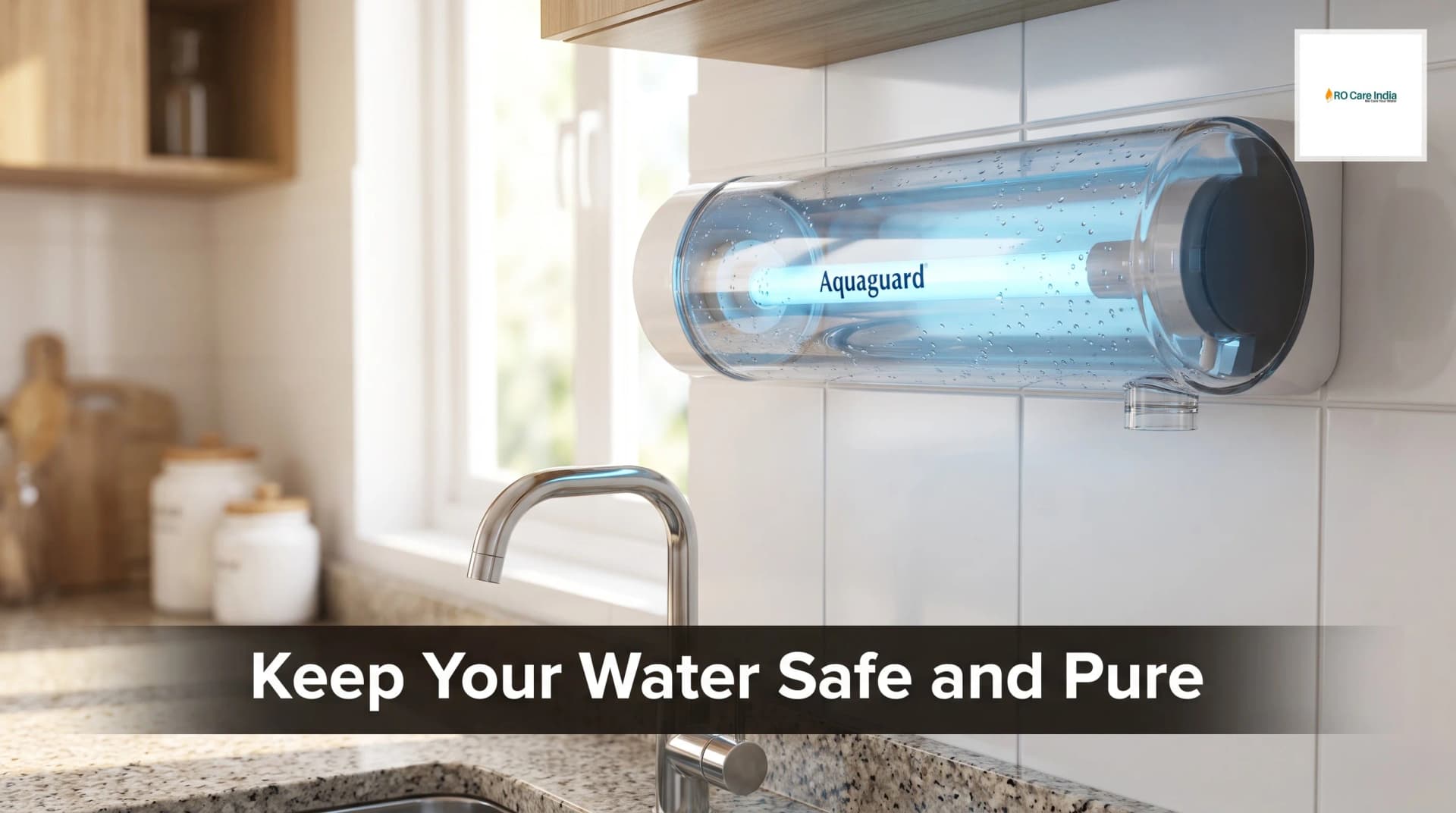
Water quality directly impacts your family's health, and a functioning UV lamp in your Aquaguard purifier ensures harmful microorganisms are eliminated effectively. Many Bangalore households rely on UV water purifiers for safe drinking water, but the UV lamp component requires periodic replacement to maintain purification effectiveness. Understanding when and why UV lamp replacement becomes necessary can save you from consuming contaminated water and prevent expensive emergency repairs. If you notice changes in water taste, see the UV fail indicator light, or your purifier has been operating for over a year without service, it's time to contact an aquaguard repair service center bangalore for professional inspection and replacement.
Bangalore's water supply varies significantly across different areas, with some localities receiving hard water containing high TDS levels while others face bacterial contamination issues. UV lamps work by emitting ultraviolet radiation that destroys the DNA of bacteria, viruses, and other pathogens, making them incapable of reproduction. However, these lamps have a finite lifespan and gradually lose their germicidal effectiveness even when they appear to be glowing. Most households overlook this critical maintenance aspect, assuming that a glowing UV lamp means it's working optimally.
The replacement process isn't something homeowners should attempt independently because UV lamps require precise installation, proper electrical connections, and calibrated positioning to function correctly. Professional technicians from authorized service centers bring the right replacement parts, tools, and expertise to ensure your purifier operates at peak efficiency. They also perform comprehensive system checks to identify other potential issues that might compromise water quality.
Regular UV lamp replacement forms an essential part of aquaguard water purifier service schedules, typically recommended every 8,000 hours of operation or annually, whichever comes first. Bangalore's climatic conditions, water quality variations, and usage patterns all influence how quickly UV lamps degrade, making professional assessment crucial for determining the right replacement timeline for your specific situation.
Understanding UV Lamp Function and Degradation
UV lamps in water purifiers emit shortwave ultraviolet radiation at approximately 254 nanometers wavelength, which penetrates the cell walls of microorganisms and alters their genetic material. This process happens instantaneously as water flows through the UV chamber, providing continuous disinfection without adding chemicals or altering water taste. The effectiveness of this germicidal action depends entirely on the UV lamp's intensity, which naturally decreases over time.
Several factors contribute to UV lamp degradation in Bangalore conditions. Continuous operation generates heat that gradually breaks down the lamp's internal components and mercury vapor content. Voltage fluctuations, common in many Bangalore neighborhoods, stress the lamp's electrical elements and accelerate wear. Hard water deposits on the quartz sleeve surrounding the lamp reduce UV transmission efficiency, meaning even a functioning lamp may not deliver adequate purification. Humidity levels in Bangalore, especially during monsoon seasons, can affect electrical connections and lamp housing integrity.
The degradation process occurs gradually, making it impossible to detect reduced effectiveness through visual inspection alone. A UV lamp might appear to glow normally while delivering only 60-70 percent of its original germicidal power. This reduced effectiveness creates a false sense of security where families believe they're consuming purified water when harmful pathogens may actually be passing through untreated.
Professional technicians use specialized UV intensity meters during aquaguard water purifier service appointments to measure actual output and determine whether replacement is necessary. They also inspect the quartz sleeve for scaling, check electrical connections for corrosion, and verify that water flow rates match manufacturer specifications for optimal UV exposure time.
Clear Signs Your UV Lamp Needs Immediate Replacement
Recognizing the warning signs of UV lamp failure helps you take timely action before water quality becomes compromised. The most obvious indicator is the UV fail or UV error light on your purifier's display panel, which activates when the system detects insufficient UV output or lamp malfunction. Never ignore this warning signal, as it directly indicates that your water is no longer receiving adequate disinfection.
Changes in water characteristics provide another crucial warning. If you notice unusual taste, odor, or cloudiness in purified water that wasn't present before, the UV lamp may no longer be eliminating bacteria and organic contaminants effectively. Some families report mild digestive discomfort after consuming water from purifiers with failed UV lamps, though this should never be used as a diagnostic method.
Physical inspection can reveal certain issues, though many problems remain invisible without professional testing equipment. Look for these warning signs:
- UV chamber lamp appears dim or flickers intermittently
- Visible cracks or dark spots on the lamp surface
- Quartz sleeve shows heavy mineral deposits or discoloration
- Purifier makes unusual buzzing or humming sounds during operation
- Water flow rate seems slower than normal
- Display panel shows error codes related to UV system
- Purifier automatically shuts down frequently
Time-based replacement represents the most reliable approach regardless of visible symptoms. Even without obvious problems, UV lamps should be replaced annually or after 8,000 operational hours. Bangalore families using purifiers continuously should calculate replacement timing based on daily usage hours. For example, a purifier running 10 hours daily reaches 8,000 hours in approximately 800 days or roughly 26 months.
Seasonal factors also influence replacement timing in Bangalore. Monsoon periods bring increased bacterial contamination risk in water sources, making pre-monsoon UV lamp replacement particularly advisable. Similarly, if your area experiences frequent power cuts requiring the purifier to restart repeatedly, this additional stress may warrant more frequent lamp inspection and earlier replacement.
Professional Replacement Process and Service Standards
Authorized service centers follow systematic procedures ensuring complete UV lamp replacement meets safety and performance standards. The process begins with thorough system diagnosis where technicians verify that lamp replacement will resolve the issue rather than other component failures causing UV system problems. They test electrical supply, check control board functions, and inspect the UV chamber for damage or excessive scaling.
The actual replacement procedure involves several critical steps that require technical expertise and proper tools. Technicians first disconnect power supply and relieve water pressure from the system to ensure safe working conditions. They carefully remove the UV chamber assembly, taking precautions to avoid damaging connected tubing or electrical wiring. The old lamp gets extracted from its housing along with the quartz sleeve, which receives thorough cleaning or replacement depending on its condition.
New UV lamps come with specific orientation requirements and must be installed without touching the quartz surface, as oils from skin contact reduce UV transmission efficiency. Technicians use clean gloves and proper handling techniques to position the lamp correctly within the chamber. They replace O-rings and sealing gaskets to prevent leakage and ensure the quartz sleeve is perfectly clean before reassembly.
After installation, comprehensive testing verifies proper function across multiple parameters:
- UV intensity measurement at specified water flow rate
- Electrical current draw matching lamp specifications
- Proper sealing without water leakage
- UV fail indicator deactivation confirming system recognition
- Water quality testing to verify purification effectiveness
- Complete system operation cycle under normal conditions
Service documentation provided after replacement should include lamp specifications, installation date, next recommended service date, and any additional observations about purifier condition. This documentation helps track maintenance history and plan future service requirements. When you contact aquaguard customer care number bangalore, having this service history available helps technicians prepare appropriate parts and provides context for any ongoing issues.
Cost Factors and Service Options in Bangalore
UV lamp replacement costs in Bangalore vary based on purifier model, service provider, and component quality. Understanding these cost factors helps you budget for regular maintenance and avoid unnecessary expenses from delayed service or inferior replacement parts.
| Service Component | Price Range (INR) | Factors Affecting Cost |
|---|---|---|
| UV Lamp (Genuine) | 800 - 1,800 | Model, capacity, technology |
| Quartz Sleeve | 400 - 900 | Size, quality, replacement necessity |
| Service Charges | 300 - 600 | Location, complexity, service provider |
| Complete Replacement Package | 1,500 - 3,000 | Includes parts, labor, testing |
Choosing between authorized service centers and independent technicians involves trade-offs. Authorized centers guarantee genuine parts, trained technicians, and warranty coverage on replacement components. They maintain complete service records and use manufacturer-approved procedures. Independent technicians often charge less but may use compatible rather than original parts, and service quality varies significantly based on individual expertise.
Several factors should guide your service provider selection. Verify technician credentials and ask about the source of replacement parts before scheduling service. Genuine UV lamps carry manufacturer markings and come with authenticity verification options. Request service estimates upfront to avoid surprise charges, and confirm what the quoted price includes regarding parts, labor, and post-service testing.
Timing your replacement strategically can reduce costs and inconvenience. Schedule service during regular working hours rather than emergency calls, which typically carry premium charges. Consider annual maintenance contracts that bundle UV lamp replacement with other routine services at discounted rates. These contracts typically range from 1,200 to 2,500 rupees annually depending on purifier model and included services.
Preventing Premature UV Lamp Failure
While UV lamps have finite lifespans, proper maintenance and operating conditions can maximize their effectiveness and potentially extend functional life. Bangalore's specific water conditions and infrastructure require particular attention to several protective measures.
Voltage stabilization protects UV lamps from electrical stress caused by Bangalore's frequent power fluctuations. Installing a quality voltage stabilizer costs 1,500 to 3,000 rupees but prevents damage across all purifier components, not just the UV lamp. Look for stabilizers with wide input voltage range (140-290V) and fast response time to handle sudden spikes or drops.
Regular quartz sleeve cleaning maintains UV transmission efficiency even as the lamp ages. Hard water areas in Bangalore should have sleeves inspected and cleaned every three to four months during routine filter changes. This prevents mineral buildup that blocks UV rays from reaching water, essentially rendering even a new lamp ineffective. Some service packages include quartz sleeve cleaning as standard procedure, while others charge separately.
Pre-filter maintenance directly impacts UV lamp longevity by removing sediment and particles before water enters the UV chamber. Clogged pre-filters reduce water flow, causing longer UV exposure times that overheat the lamp and surrounding components. Replace sediment filters according to manufacturer recommendations, typically every six months or when flow rate noticeably decreases.
Water pressure management also affects UV system health. Excessive pressure stresses seals and connections, potentially causing leaks that damage electrical components. Insufficient pressure reduces flow rate, changing the UV exposure time relationship and potentially overheating the lamp. Install pressure regulators if your building's water supply shows significant pressure variations throughout the day.
Operating habits influence lamp lifespan as well. Avoid switching the purifier on and off repeatedly throughout the day, as startup cycles stress electrical components more than continuous operation. If your water consumption patterns involve several small usage periods daily, consider keeping the purifier on during peak hours rather than cycling power constantly.
Environmental factors require attention in Bangalore's climate. Install purifiers in locations protected from direct sunlight, excessive heat, and moisture exposure. Monsoon humidity can corrode electrical connections, while summer heat accelerates chemical degradation within the lamp. Adequate ventilation around the purifier prevents heat accumulation that shortens component life.
Choosing Quality Service for Reliable Purification
Quality service ensures your water purifier provides consistent protection for your family's health rather than becoming a source of false security. Bangalore has numerous service providers, but identifying those delivering genuine value and expertise requires careful evaluation of several critical factors.
Technician expertise forms the foundation of quality service. Experienced professionals quickly diagnose issues, perform replacements efficiently, and identify potential problems before they cause purifier failure. Ask about technician training, certification status, and years of experience specifically with UV water purifiers. Authorized service centers typically provide ongoing technical training ensuring their staff stays current with newer models and technologies.
Parts authenticity cannot be compromised when replacing critical components like UV lamps. Counterfeit or compatible lamps may fit physically but deliver inadequate germicidal performance, leaving your family vulnerable to waterborne diseases. Genuine lamps include manufacturer markings, holographic labels, and often have unique serial numbers for verification. Request proof of parts authenticity and retain packaging for warranty purposes.
Service transparency builds trust and ensures fair pricing. Reputable providers give detailed estimates before starting work, explain what needs replacement and why, and offer alternatives when possible. They provide itemized bills showing parts costs separately from labor charges, making it easy to understand what you're paying for. Avoid service providers who refuse to provide written estimates or pressure immediate approval without adequate explanation.
Post-service support distinguishes professional operations from casual technicians. Quality service includes testing water output after replacement, demonstrating proper system function, and providing usage guidelines to maximize lamp life. They offer warranty coverage on both parts and labor, typically ranging from three to six months. Clear documentation with service dates, parts replaced, and next recommended maintenance schedule helps you track purifier health over time.
Customer feedback provides valuable insights into service quality and reliability. Check online reviews specifically mentioning UV lamp replacement experiences, paying attention to comments about technician professionalism, parts quality, and problem resolution. Ask neighbors or community groups about their service experiences, as local recommendations often prove more reliable than general online ratings.
Emergency support availability matters when purifier problems arise unexpectedly. While regular maintenance should be scheduled during convenient times, genuine emergencies requiring immediate attention do occur. Service providers offering reasonable emergency response, even if at premium rates, provide peace of mind knowing help is available when needed.
Building a relationship with a reliable service provider simplifies long-term purifier maintenance. Consistent service from the same provider means technicians become familiar with your specific purifier's history, recurring issues, and optimal maintenance timing. They can proactively recommend service based on usage patterns rather than generic schedules, potentially preventing problems before they disrupt water supply.
Conclusion
UV lamp replacement represents a critical maintenance requirement for Aquaguard purifiers in Bangalore, directly impacting your family's access to safe drinking water. Understanding when replacement becomes necessary, recognizing warning signs of lamp failure, and choosing quality service providers ensures continuous protection against waterborne pathogens. Annual replacement schedules, professional installation, genuine parts, and proper maintenance practices maximize purification effectiveness while minimizing unexpected failures and emergency service costs.
Bangalore's varying water quality, electrical infrastructure, and climatic conditions make professional service essential rather than optional for UV lamp replacement. The investment in authorized service centers using genuine components protects both your purifier's longevity and your family's health. Regular maintenance schedules prevent the false security of assuming glowing UV lamps are effectively purifying water when their germicidal power has actually declined below safe levels.
Taking proactive action before warning signs appear, maintaining service documentation, and building relationships with reliable technicians creates a sustainable approach to water purifier maintenance. The relatively modest annual cost of professional UV lamp replacement delivers tremendous value through consistent access to microbiologically safe drinking water, avoiding health risks and expensive emergency repairs that result from neglected maintenance. Your purifier's UV lamp is not a permanent component but rather a consumable requiring regular replacement to fulfill its protective purpose effectively.
The UV lamp in your Aquaguard purifier typically requires replacement every 8,000-10,000 hours of operation or annually, whichever comes first. Learn more about the science behind UV purification and how lamp intensity diminishes over time, reducing its ability to neutralize bacteria, viruses, and other pathogens even when the lamp appears to glow normally. Explore further into warning signs like reduced water flow alerts or indicator lights that signal lamp replacement needs. Stay informed about Bangalore's varying water quality conditions and discover how regular UV lamp maintenance ensures your family continues receiving consistently safe, microorganism-free drinking water throughout the year.
Related Blogs
- Aquaguard Purifier Air Lock Problem in Gurgaon: How to Identify and Fix It
- Aquaguard RO Pump Overheating : Causes and Prevention
- Why Eureka Forbes RO Display Panel Not Responding in Mumbai: How to Fix it?
- Kent RO Booster Pump Failure in Pune: Signs and Replacement Cost
- Why Aquaguard RO Pump Overheating in Gurgaon: Causes and Prevention