
Kent RO Booster Pump Failure in Pune: Signs and Replacement Cost
Kent RO Booster Pump Failure in Pune: Signs and Replacement Cost
Clean drinking water is essential for every household, and RO water purifiers have become a necessity in Indian homes. However, when your water purifier stops working efficiently, it can disrupt your daily routine and compromise the quality of drinking water. One of the most common issues that homeowners in Pune face is booster pump failure in their water purification systems. The booster pump plays a critical role in ensuring adequate water pressure for the reverse osmosis process to function correctly. If you notice unusual sounds, reduced water flow, or complete stoppage of purified water output, your booster pump might be failing. Getting timely Kent Ro Purifier service pune from professionals can prevent further damage and restore your system to optimal performance. Understanding the signs of pump failure and knowing the replacement costs can help you make informed decisions when addressing this common problem.
Pune residents often face water pressure issues due to varying municipal water supply conditions across different localities. From Kothrud to Wakad, Baner to Hadapsar, low water pressure remains a persistent challenge that puts additional strain on RO booster pumps. When these pumps fail, they not only stop purifying water but can also damage other components of your purification system if not addressed promptly. The average lifespan of a quality booster pump ranges from two to four years, depending on usage patterns, water quality, and maintenance frequency. Regular servicing and monitoring can extend this lifespan significantly.
Many homeowners delay addressing pump issues because they are unsure whether the problem lies with the pump itself or other system components. This uncertainty often leads to prolonged periods without purified water, forcing families to rely on bottled water or unfiltered tap water. Recognizing early warning signs and taking prompt action can save both money and inconvenience. Accessing Kent ro service center pune ensures that trained technicians diagnose the exact issue and provide appropriate solutions.
The booster pump failure issue affects thousands of households annually in Pune, making it one of the most frequently reported water purifier problems. Whether you live in an apartment complex with overhead tanks or an independent house with direct municipal supply, understanding booster pump mechanics and failure patterns empowers you to maintain your water purification system effectively. This comprehensive guide will help you identify pump problems, understand replacement costs, and know when to seek professional assistance.
Understanding the Role of Booster Pumps in RO Systems
The booster pump serves as the heart of any RO water purifier, creating the necessary pressure for water to pass through the semi-permeable membrane. Standard RO systems require a minimum input pressure of 40-60 PSI to function efficiently. In areas where municipal water supply provides pressure below this threshold, the booster pump compensates by increasing the water pressure to optimal levels. Without adequate pressure, the RO membrane cannot filter contaminants effectively, resulting in poor water quality and reduced production capacity.
In Pune, many residential areas experience fluctuating water pressure throughout the day. Morning and evening hours typically see lower pressure due to peak usage times. Localities receiving water through tanker services or those at higher elevations face particularly low pressure conditions. The booster pump automatically activates when it detects insufficient pressure, ensuring continuous purified water availability regardless of input pressure variations. This constant activation and deactivation cycle can wear down pump components over time, especially in areas with highly inconsistent water supply.
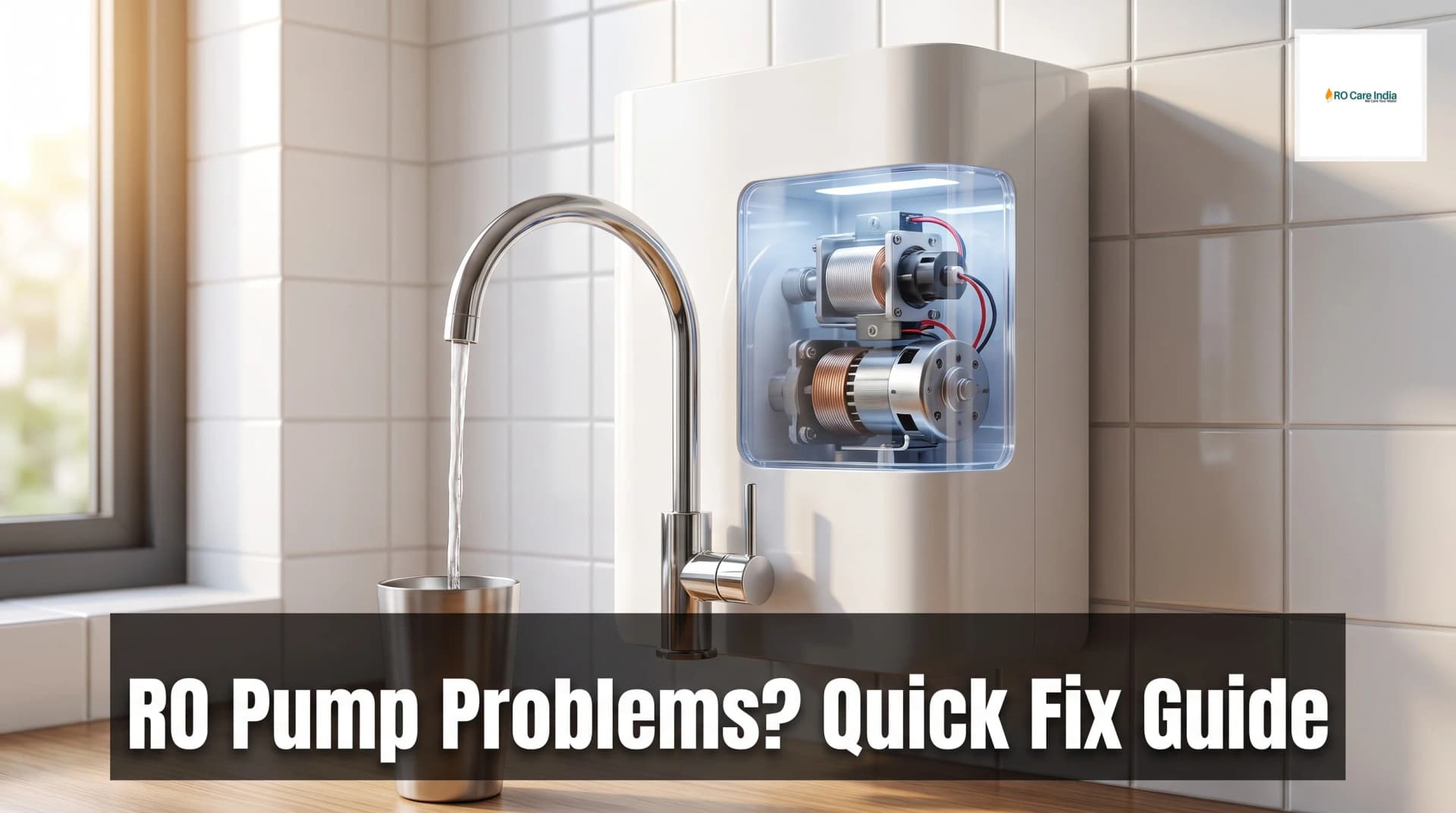
The pump consists of several key components including the motor, diaphragm, check valves, and pressure switch. Each component plays a specific role in maintaining proper system pressure. The motor drives the pumping mechanism, the diaphragm creates the actual pressure, check valves prevent backflow, and the pressure switch regulates pump activation. When any of these components deteriorate, the entire pumping mechanism can fail. Regular maintenance helps identify component wear before complete failure occurs.
Quality booster pumps feature thermal protection that prevents overheating during extended operation. This safety mechanism automatically shuts down the pump when it exceeds safe temperature limits. However, frequent thermal shutdowns indicate underlying problems such as blocked filters, damaged diaphragm, or excessive workload due to very low input pressure. Addressing these root causes through Kent ro customer care number pune support prevents permanent pump damage and ensures system longevity.
Common Signs of Booster Pump Failure
Recognizing early warning signs of pump failure allows you to address problems before they escalate. The most obvious indicator is reduced or stopped water flow from your purifier. When the pump fails to generate adequate pressure, water production decreases significantly or stops completely. You might notice that filling a glass that previously took thirty seconds now takes several minutes, or the purifier produces no water despite the input supply being available.
Unusual noises represent another clear signal of pump distress. A healthy pump operates with a consistent humming sound during activation. However, failing pumps often produce grinding, rattling, clicking, or high-pitched squealing sounds. These noises indicate internal component damage, loose parts, or motor bearing wear. Ignoring these acoustic warnings can lead to complete pump failure and potential damage to other system components. Pay attention to any changes in operational sounds and investigate promptly.
Continuous pump operation without automatic shutoff suggests pressure switch malfunction or severe leakage within the system. Normally, the pump activates when storage tank pressure drops and deactivates once optimal pressure is restored. If your pump runs constantly, it indicates that the system cannot build adequate pressure. This could stem from leaking connections, damaged diaphragm, or faulty pressure switch. Continuous operation not only wastes electricity but also accelerates pump wear.
Visible water leakage around the pump assembly clearly indicates seal failure or housing cracks. Check for moisture, water droplets, or puddles near the pump mounting location. Even minor leaks can worsen rapidly, causing water damage to surrounding areas and electrical components. Electrical issues such as pump not starting despite power supply, frequent circuit breaker trips, or burning smells from the pump area require immediate professional attention to prevent safety hazards.
Additional Warning Signs:
- Intermittent pump operation with frequent on-off cycling
- Reduced TDS rejection efficiency
- Increased electricity consumption
- Visible corrosion or rust on pump exterior
- Storage tank filling slower than usual
- System error indicators or alerts
Troubleshooting Before Replacement
Before assuming your booster pump needs replacement, perform basic troubleshooting to rule out simpler issues. First, verify that your water supply is actually turned on and providing adequate flow to the purifier. Check the input water supply tap and ensure it is fully open. Sometimes partial closure or completely closed valves are mistaken for pump failure. Also inspect pre-filters for clogging, as severely blocked filters restrict water flow and put excessive strain on the pump.
Examine all electrical connections to ensure the pump receives proper power supply. Check if the power cord is securely plugged in, the main switch is turned on, and the circuit breaker has not tripped. Test the electrical outlet with another device to confirm it provides power. Loose electrical connections can cause intermittent pump operation that mimics failure. Tighten any loose wires at connection points, but avoid attempting electrical repairs without proper knowledge.
Inspect the system for visible leaks that might prevent pressure buildup. Even small leaks in tubing connections, filter housings, or pump seals can prevent the system from achieving required pressure. Tighten all push-fit connections and replace damaged tubing sections. Check the storage tank pressure using a tire pressure gauge at the air valve. The tank should maintain 5-7 PSI air pressure when empty. Insufficient tank pressure prevents proper pump shutoff.
Clean or replace sediment and carbon filters if they have not been changed in the recommended timeframe. Clogged pre-filters force the pump to work harder, potentially triggering thermal shutdown or premature failure. Standard filter replacement schedules recommend sediment filter changes every 6-12 months and carbon filter replacement every 12 months. Following these maintenance schedules through regular Kent Ro Purifier service pune visits extends pump lifespan significantly.
Replacement Cost Analysis in Pune
Understanding replacement costs helps you budget appropriately and evaluate repair versus replacement options. Booster pump replacement costs in Pune vary based on pump capacity, brand compatibility, and service provider rates. Genuine manufacturer pumps typically cost between INR 1,800 to INR 3,500 for standard residential models. Higher capacity pumps for commercial applications or larger household systems may cost INR 4,000 to INR 6,500.
| Component | Price Range (INR) | Warranty Period |
|---|---|---|
| Standard Booster Pump | 1,800 - 2,500 | 6-12 months |
| High Capacity Pump | 2,800 - 3,500 | 12 months |
| Commercial Grade Pump | 4,500 - 6,500 | 12-18 months |
| Installation Charges | 300 - 800 | - |
| Diagnosis Fee | 200 - 500 | - |
Labor charges for pump replacement through authorized service centers range from INR 300 to INR 800, depending on system complexity and accessibility. Some service providers include installation charges in the pump price, while others bill separately. Always clarify total costs upfront including parts, labor, and any additional components that might need replacement. Diagnosis fees typically range from INR 200 to INR 500, which may be waived if you proceed with the repair.
Third-party or compatible pumps are available at lower prices, ranging from INR 1,200 to INR 2,000. While these options seem economical, they may not match original specifications exactly and could void your system warranty. Generic pumps often have shorter lifespans and may require more frequent replacement. Investing in genuine parts through Kent ro service center pune ensures compatibility, performance, and warranty coverage.
Additional costs might include replacing damaged components discovered during pump replacement. If the old pump failure damaged the pressure switch, non-return valve, or electrical components, expect to pay INR 200 to INR 800 extra for these parts. Complete system servicing during pump replacement, including filter changes and membrane cleaning, adds INR 800 to INR 1,500 to the total bill but ensures optimal system performance.
Professional Service vs DIY Replacement
While some mechanically inclined individuals attempt DIY pump replacement to save costs, professional service offers significant advantages. Authorized technicians possess specialized knowledge about system configurations, proper pump specifications, and installation procedures. Incorrect pump installation can damage the RO membrane, create leaks, or cause electrical hazards. Professionals complete replacement within 30-60 minutes, whereas DIY attempts often take several hours and may require multiple tries to achieve proper function.
Warranty coverage represents another crucial consideration. Manufacturer warranties typically require installation by authorized service personnel. DIY replacement or using unauthorized service providers voids warranty coverage, leaving you fully responsible for any future repairs. Professional service through Kent ro customer care number pune maintains warranty validity and provides documentation for future reference. Service records prove valuable when selling your property or claiming warranty benefits.
Professionals bring necessary tools, genuine replacement parts, and troubleshooting expertise to each service call. They can identify underlying issues that contributed to pump failure and address them simultaneously. For instance, if poor water quality caused premature pump failure, technicians recommend appropriate pre-filtration upgrades. This comprehensive approach prevents repeated failures and extends overall system lifespan.
Benefits of Professional Service:
- Accurate diagnosis of pump issues versus other system problems
- Genuine manufacturer-approved replacement parts
- Proper installation ensuring optimal performance
- Warranty coverage on parts and labor
- System testing and performance verification
- Identification and correction of contributing factors
- Safety compliance for electrical and plumbing work
However, DIY replacement might be suitable for those with plumbing and electrical experience, provided they source genuine parts and follow manufacturer guidelines precisely. Ensure you disconnect power before beginning work, use appropriate tools, and follow safety protocols. Document the original configuration with photographs before disassembly to guide reassembly. If you encounter difficulties or unexpected complications, stop and contact professional services to prevent further damage.
Preventive Maintenance to Extend Pump Life
Regular maintenance significantly extends booster pump lifespan and prevents unexpected failures. Schedule comprehensive system servicing every six months through authorized service centers. These service visits include filter replacement, membrane cleaning, component inspection, and performance testing. Technicians identify potential issues before they cause failures, allowing preventive interventions that cost less than emergency repairs.
Monitor your water quality and source conditions to reduce pump strain. If your area receives particularly hard water, high TDS levels, or sediment-laden supply, consider additional pre-filtration. Installing whole-house sediment filters or water softeners reduces contaminant load reaching your RO system, decreasing pump workload and extending component life. These preventive measures require initial investment but save money through reduced repair frequency and extended equipment lifespan.
Maintain appropriate input water pressure to minimize pump cycling frequency. If your area consistently experiences low water pressure, consider installing an overhead storage tank or pressure stabilization system. Reducing pump activation cycles from hundreds to dozens daily dramatically extends motor and diaphragm life. For areas with extremely inconsistent supply, installing a separate booster pump dedicated to maintaining input pressure prevents RO pump overwork.
Clean or replace pre-filters according to recommended schedules without waiting for visible contamination. Sediment filters should be changed every 6-12 months, carbon filters every 12 months, and post-carbon filters annually. Membrane replacement typically occurs every 24-36 months depending on water quality. Following these maintenance schedules through regular Kent Ro Purifier service pune prevents excessive pump strain from clogged filters.
When to Replace vs Repair Your System
Sometimes the most economical decision involves replacing the entire purifier rather than just the booster pump. If your system is over five years old, has experienced multiple component failures, or requires frequent repairs, total replacement might prove more cost-effective. Modern water purifiers offer improved efficiency, lower electricity consumption, and enhanced filtration technologies that older models lack.
Calculate total repair costs over the past two years and compare them to new system prices. If repairs exceed 50-60 percent of a new system's cost, replacement provides better value. New systems come with comprehensive warranties covering all components for 1-2 years, eliminating repair costs during this period. Additionally, newer models feature improved designs that address common failure points identified in earlier versions.
Consider the availability of replacement parts for older models. Discontinued models eventually face spare parts scarcity, making repairs expensive or impossible. If your current system model has been discontinued and compatible parts are difficult to source, upgrading to a current model ensures long-term serviceability and support availability.
Energy efficiency improvements in newer models can offset replacement costs through reduced electricity bills. Modern systems consume 30-40 percent less power than models from five years ago while delivering superior purification performance. Calculate potential electricity savings over a 3-5 year period when making replacement decisions.
Conclusion
Booster pump failure represents a common but manageable issue for RO water purifier owners in Pune. Recognizing warning signs like unusual noises, reduced water flow, continuous pump operation, and visible leaks allows early intervention before complete failure occurs. Understanding replacement costs, which typically range from INR 2,000 to INR 4,000 including parts and labor, helps you budget appropriately for this necessary maintenance expense. While DIY replacement remains possible for mechanically skilled individuals, professional service through authorized centers ensures proper installation, warranty coverage, and comprehensive system evaluation. Preventive maintenance through regular servicing every six months, timely filter replacement, and appropriate input water conditioning significantly extends pump lifespan and reduces repair frequency. When your system requires pump replacement, evaluate whether repair or complete system replacement offers better long-term value based on system age, repair history, and modern efficiency improvements.
Understanding Booster Pump Failure in Your Water Purifier
Learn more about the critical role booster pumps play in maintaining optimal water pressure for effective purification. Explore further into common warning signs like reduced water flow, unusual noises, or complete filtration stoppage that indicate pump malfunction. Stay informed about typical replacement costs in Pune, ranging from ₹800 to ₹2,500 depending on pump capacity and brand specifications, helping you make educated decisions about timely maintenance.
Related Blogs
- Why Aquaguard RO Pump Overheating in Gurgaon: Causes and Prevention
- Why Kent RO Purifier Humming Sound in nagpur But No Water: What to Do?
- Aquaguard Runs Continuously Without Stopping in Kolkata: What's Wrong?
- Aquaguard Water Pressure Low in Gurgaon: How to Fix It at Home
- Kent RO Filter Change Indicator Not Working: What to Check