
Aquaguard Runs Continuously Without Stopping in Kolkata: What's Wrong?
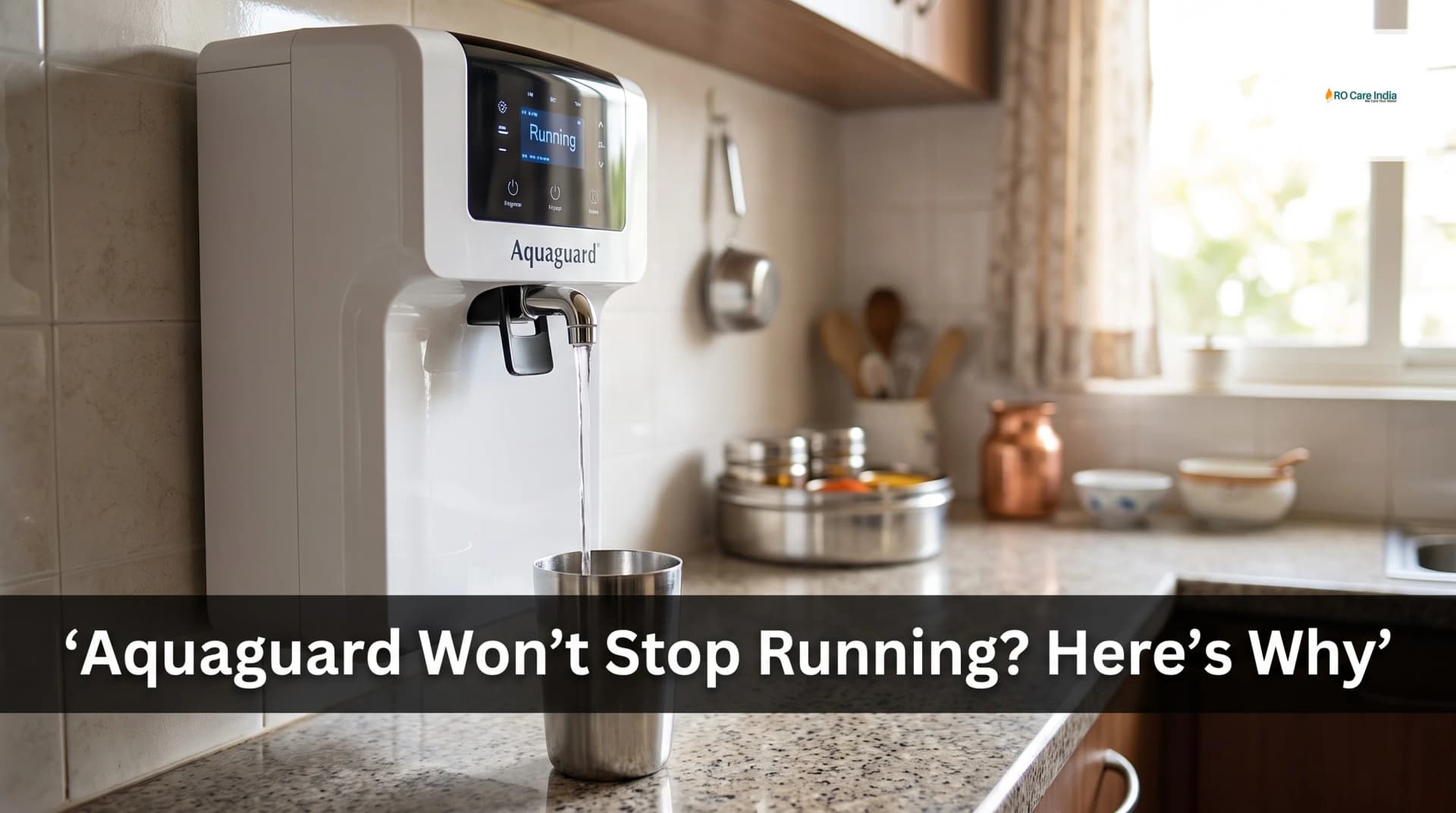
Aquaguard Runs Continuously Without Stopping in Kolkata: What's Wrong?
Water purifiers have become an essential part of every household in Kolkata, ensuring that families have access to clean and safe drinking water. Among the various brands available, Aquaguard has established itself as a trusted name in Indian homes. However, like any electrical appliance, water purifiers can develop issues over time. One of the most common and concerning problems that many Kolkata residents face is when their Aquaguard water purifier runs continuously without stopping. This not only leads to excessive electricity consumption but can also damage the purifier's internal components and reduce its lifespan. If you notice that your water purifier is operating non-stop, it's crucial to identify the root cause and take appropriate action. Contacting a reliable aquaguard repair service kolkata can help diagnose and fix the issue before it escalates into a more serious problem.
The continuous running of a water purifier is not a normal operational behavior and indicates that something is malfunctioning within the system. Under regular circumstances, an Aquaguard purifier should automatically shut off once the storage tank is full. The automatic shut-off mechanism is designed to prevent water wastage, reduce electricity consumption, and protect the purifier from unnecessary wear and tear. When this mechanism fails, the purifier keeps running, which can lead to various complications including increased electricity bills, potential flooding if overflow occurs, and premature failure of critical components like the pump and motor.
Kolkata's unique water conditions, characterized by high levels of total dissolved solids, hardness, and occasional sediment content, can contribute to faster wear and tear of water purifier components. The city's humid climate and frequent power fluctuations also play a role in affecting the performance and longevity of electrical appliances. Understanding why your Aquaguard purifier is running continuously requires knowledge of its internal mechanisms and the various components that work together to ensure proper functioning. From faulty sensors to damaged solenoid valves, multiple factors could be responsible for this persistent issue.
Many homeowners in Kolkata attempt DIY fixes when they encounter problems with their water purifiers, but continuous running is a technical issue that typically requires professional intervention. While basic troubleshooting can help identify obvious problems, the internal components of modern RO purifiers are sophisticated and require specialized knowledge and tools for proper diagnosis and repair. Attempting complex repairs without adequate expertise can potentially void the warranty and cause further damage to the system. This is why reaching out to the Aquaguard customer care number kolkata or visiting an authorized service center is always recommended when dealing with persistent operational issues.
The financial implications of a continuously running water purifier should not be underestimated. Beyond the immediate increase in electricity consumption, prolonged operation can lead to premature failure of expensive components such as the booster pump, RO membrane, and electronic circuit boards. Replacing these parts can be costly, especially if the damage could have been prevented with timely intervention. Moreover, excessive water wastage in RO purifiers that run continuously can contribute to higher water bills and environmental concerns. Taking prompt action when you notice abnormal behavior in your water purifier can save you significant money and hassle in the long run.
Common Causes Behind Continuous Running of Aquaguard Purifiers
Understanding the underlying causes of a continuously running Aquaguard purifier is essential for effective troubleshooting and repair. The most frequent culprit is a malfunctioning auto shut-off sensor or level sensor. This component is responsible for detecting when the storage tank is full and signaling the system to stop the purification process. When this sensor fails or becomes dirty due to mineral deposits from Kolkata's hard water, it cannot accurately detect the water level, causing the purifier to continue running indefinitely. The sensor may have become corroded, disconnected, or simply reached the end of its functional life.
Another common cause is a faulty solenoid valve, which controls the flow of water through the purification system. When the solenoid valve malfunctions, it may remain stuck in the open position, allowing water to continuously flow through the system even when the tank is full. This component is particularly susceptible to damage from power fluctuations, which are not uncommon in certain areas of Kolkata. The solenoid valve works in conjunction with the electronic control board, and issues with either component can result in continuous operation.
A damaged or improperly installed check valve can also lead to this problem. The check valve prevents backflow of water and works together with other components to regulate the purification cycle. If the check valve is stuck or has accumulated debris, it may fail to close properly, resulting in continuous water flow through the system. This issue is especially prevalent in areas with high sediment content in the water supply, as particles can lodge in the valve mechanism and prevent proper closure.
Pressure-related issues represent another category of problems that can cause continuous running. If the system's pressure switch is malfunctioning, it may not correctly sense when adequate pressure has been achieved in the storage tank. The pressure switch is designed to turn off the pump when the tank reaches optimal pressure, but a faulty switch will allow the pump to run indefinitely. Additionally, if there are leaks in the tank or connections, the system will never achieve the required pressure, causing it to run continuously in an attempt to build up pressure that keeps escaping.
Electronic control board failures can manifest in various ways, including continuous operation of the purifier. The control board is essentially the brain of the water purifier, coordinating all the different components and ensuring they work in harmony. When this board develops faults due to power surges, moisture exposure, or component aging, it may send incorrect signals to the pump and other parts, causing them to operate without stopping. This is one of the more complex issues that definitely requires professional attention from an aquaguard service center kolkata.
Clogged or saturated filters and membranes can sometimes contribute to continuous running, although this is less common. When filters become heavily clogged, the system may struggle to produce purified water at the expected rate, causing it to run longer than normal in an attempt to fill the tank. While this might not cause truly continuous operation, it can significantly extend run times and may eventually lead to other component failures if not addressed. Regular filter maintenance is crucial for preventing such issues.
Step-by-Step Troubleshooting Guide
Before calling for professional repair services, there are several basic troubleshooting steps that Kolkata residents can perform to diagnose the issue with their continuously running Aquaguard purifier. The first step is to check the storage tank and ensure it is actually full. Sometimes, the tank may have a leak or may not be properly connected, preventing it from filling up and triggering the auto shut-off mechanism. Carefully inspect the tank for any visible cracks, damage, or signs of leakage around the connections.
Next, examine the float valve or level sensor inside the storage tank. This component typically floats on the water surface and triggers the shut-off mechanism when the water reaches a certain level. Over time, mineral deposits from hard water can accumulate on the float, preventing it from moving freely or sensing the water level accurately. You can try cleaning the float valve with a soft cloth and some vinegar solution to remove any buildup. Ensure that the float moves freely up and down without any obstruction.
Check all visible connections and tubing for leaks. Even a small leak in the system can prevent proper pressure buildup, causing the purifier to run continuously. Look for water droplets, wet spots, or mineral deposits around connection points, as these indicate leakage. Tighten any loose connections carefully, but avoid over-tightening as this can damage the fittings. If you discover damaged tubing, it will need to be replaced by a professional technician.
Inspect the power supply and ensure that the purifier is receiving stable electricity. Power fluctuations can confuse the electronic control systems and cause erratic behavior. If you live in an area of Kolkata that experiences frequent voltage variations, consider installing a voltage stabilizer specifically for your water purifier. This can prevent many electronic-related issues and extend the life of your appliance.
Try performing a system reset by unplugging the purifier from the power source for approximately ten to fifteen minutes, then plugging it back in. This can sometimes resolve temporary electronic glitches that may be causing the continuous running issue. After reconnecting the power, monitor the purifier closely to see if it shuts off automatically once the tank is full. If the problem persists after this reset, it indicates a more serious underlying issue that requires professional attention.
Listen carefully to the sounds your purifier makes while running. Unusual noises such as grinding, clicking, or humming that differs from the normal operational sound can provide clues about which component is malfunctioning. A continuously running pump without the normal cycling on and off suggests issues with the pressure switch or control board. Documenting these symptoms can help the service technician diagnose the problem more quickly when you eventually call for repairs.
Professional Repair Services and What to Expect
When basic troubleshooting does not resolve the continuous running issue, it's time to contact professional repair services. Reaching out to the authorized service centers connects you with trained technicians familiar with all Aquaguard models and their common issues. Authorized service centers offer several advantages over unauthorized local repair shops, including access to genuine spare parts, warranty coverage on repairs, and technicians who receive regular training on the latest purifier technologies.
During a professional service visit, the technician will perform a comprehensive diagnostic evaluation of your water purifier. This typically includes testing the electrical components with specialized equipment, checking water pressure at various points in the system, inspecting all valves and sensors, and examining the electronic control board for signs of damage or malfunction. The technician will also assess the condition of filters and membranes, as these can indirectly contribute to operational issues if severely clogged or damaged.
The repair process will depend on the identified problem. If the issue is a faulty sensor, the technician will replace it with a genuine Aquaguard component and recalibrate the system. Solenoid valve replacements are relatively straightforward and can typically be completed within an hour. Control board repairs or replacements are more complex and may require the technician to return with specific parts if they are not readily available in the service vehicle. Always ask for a detailed explanation of the problem and the proposed solution before authorizing any repairs.
Cost considerations for repairs in Kolkata vary based on the specific component that needs replacement and whether your purifier is still under warranty. Minor repairs such as sensor cleaning or valve adjustments may cost between 500 to 1000 rupees, while major component replacements like control boards or pumps can range from 2000 to 5000 rupees or more. Authorized service centers provide transparent pricing and written estimates before proceeding with repairs. Keep all service receipts and documentation for warranty purposes and future reference.
Warranty coverage is an important aspect to understand when seeking repairs. Most Aquaguard purifiers come with a comprehensive warranty that covers manufacturing defects and component failures for a specified period. However, damage caused by power surges, improper installation, or use of non-genuine parts may void the warranty. When you contact professional repair services through official channels, the technicians can check your warranty status and inform you about coverage for the required repairs.
Follow-up service and maintenance recommendations are typically provided after a repair. The technician may suggest a schedule for regular maintenance visits to prevent future issues. In Kolkata's water conditions, more frequent servicing than the standard recommendation may be beneficial. Establishing a relationship with a reliable service provider ensures that you have quick access to support whenever problems arise and helps maintain your purifier in optimal condition over its lifespan.
Preventive Maintenance Tips to Avoid Future Issues
Preventing problems is always better and more cost-effective than dealing with repairs. Regular maintenance of your Aquaguard water purifier can significantly reduce the likelihood of issues like continuous running and extend the overall lifespan of the appliance. The first and most important preventive measure is adhering to the recommended filter replacement schedule. Pre-filters should typically be changed every six months, while RO membranes may last eighteen to twenty-four months depending on water quality and usage patterns in your Kolkata home.
Scheduling annual comprehensive service checks with authorized technicians helps identify potential problems before they escalate. During these visits, technicians clean internal components, check all electrical connections, test sensors and valves, and ensure the system operates at optimal efficiency. This proactive approach can catch early signs of wear in components like the auto shut-off sensor or solenoid valve, allowing for preventive replacement before they fail completely and cause continuous running issues.
Installing a pre-treatment system such as a sediment filter or water softener before your main purifier can significantly reduce the strain on internal components. Given Kolkata's water conditions with high hardness and occasional sediment, this additional filtration layer protects expensive components from premature wear and mineral buildup. The investment in pre-treatment often pays for itself through reduced maintenance costs and extended purifier life.
Maintaining stable power supply to your water purifier is crucial for preventing electronic component failures. Use a good quality voltage stabilizer or surge protector specifically rated for water purifier power requirements. This simple addition protects the sensitive electronic control board and other electrical components from damage caused by voltage fluctuations that are common in some Kolkata neighborhoods, especially during monsoon season or periods of high electrical demand.
Regular cleaning of the storage tank is often overlooked but essential for maintaining purifier health. Every three to six months, empty and clean the storage tank with a mild disinfectant solution, then rinse thoroughly. This prevents bacterial growth and removes any mineral deposits that might interfere with the float valve or level sensor. Clean tanks also ensure that the purified water remains fresh and safe for consumption.
Monitoring water quality parameters using simple TDS meters can help you understand when filters are becoming saturated and need replacement. A gradual increase in TDS levels in the purified water indicates that the RO membrane is losing effectiveness. Addressing filter issues promptly prevents the system from working harder than necessary, which can lead to continuous running and other operational problems.
Understanding Aquaguard Purifier Types and Their Specific Issues
Different Aquaguard models have varying mechanisms and components, which means the causes and solutions for continuous running can differ based on the specific type of purifier you own. Traditional RO purifiers with storage tanks are most prone to issues with float valves and level sensors causing continuous operation. These models rely on mechanical and electronic sensors to detect tank fullness, and any malfunction in these systems leads to non-stop running. Understanding your specific model helps in faster diagnosis and more effective repairs.
UV-based purifiers without storage tanks typically have different operational patterns and are less likely to experience continuous running issues in the same way as RO models. However, they can still face problems with solenoid valves or flow sensors that cause them to operate longer than necessary. These purifiers often use flow-based activation, turning on when water flows through them, so continuous running might indicate a stuck valve keeping water flowing constantly.
Gravity-based Aquaguard purifiers, which don't use electricity for the primary filtration process, have limited electronic components and are therefore less susceptible to continuous running issues. However, if your gravity purifier has an electric UV chamber, problems with the UV lamp control circuit could cause it to stay on continuously. These issues are typically simpler to diagnose and repair compared to complex RO systems.
Newer smart purifiers with digital displays and IoT connectivity have sophisticated electronic systems that can sometimes develop firmware or software glitches causing unusual operational behavior. These models may require specialized diagnostic tools and software updates that only authorized service centers can provide. If you own a smart purifier that runs continuously, mentioning this to the technician when you call helps them prepare with the right equipment and expertise.
Tankless or direct flow purifiers, which are becoming more popular in compact Kolkata apartments, have different shut-off mechanisms compared to tank-based models. These purifiers typically use flow sensors and pressure sensors to control operation, and continuous running in these models often indicates sensor calibration issues or electronic control problems that require professional recalibration.
If your Aquaguard purifier continues running without stopping, understanding the root causes can help you take appropriate action. Learn more about diagnostic techniques and preventive maintenance practices that keep your water purifier functioning optimally. Explore further information on how different components work together and what warning signs indicate specific malfunctions. Stay informed about seasonal factors unique to Kolkata's water quality and climate that may affect your purifier's performance, and discover how regular servicing schedules can prevent such issues from developing in the first place.