
Kent RO Water Turns Cloudy or Milky in Gurgaon: What Causes This and How to fix it?
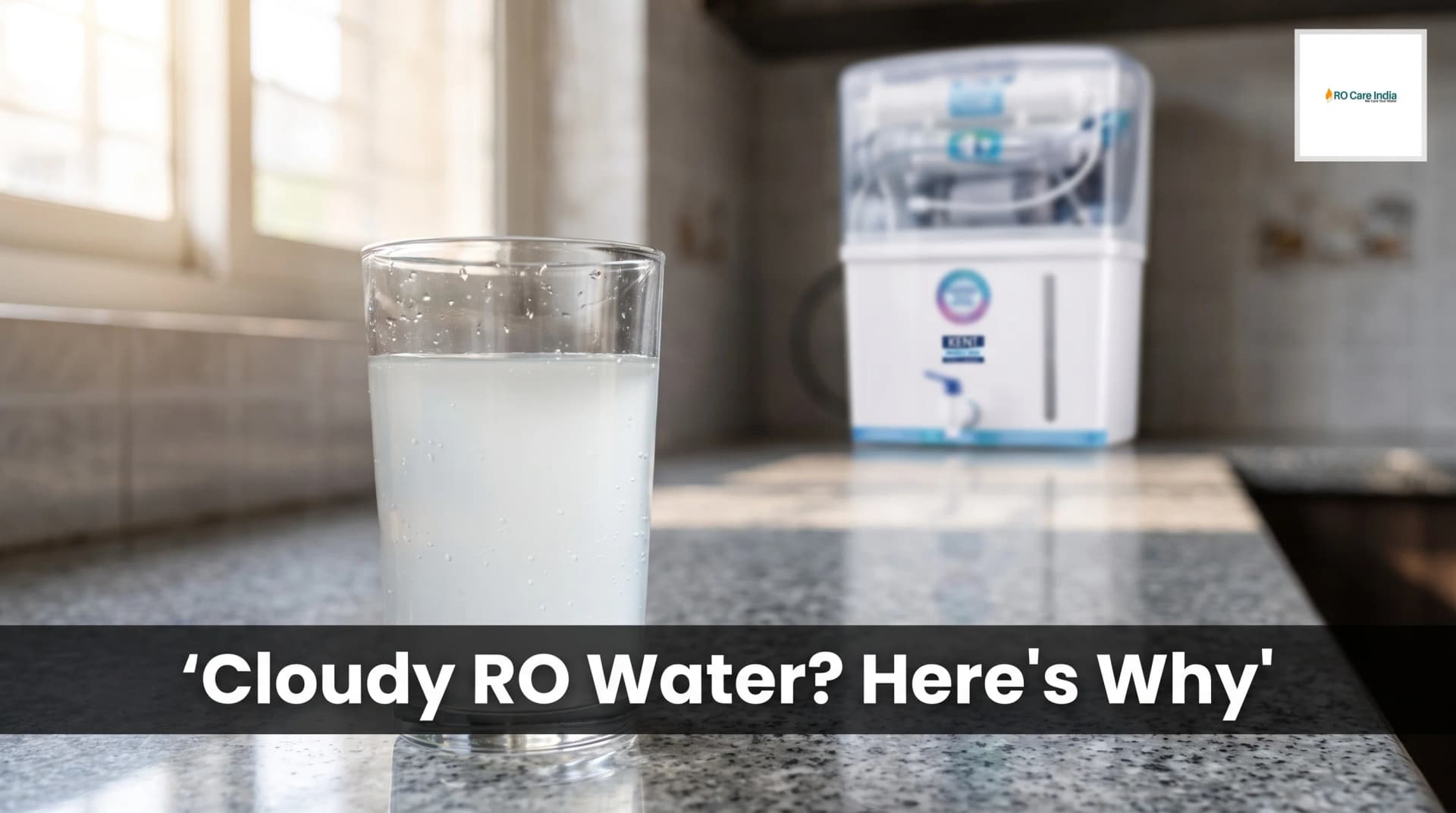
Why Your Kent RO Water Turns Cloudy or Milky in Gurgaon: Common Causes and Expert Solutions
Have you ever filled a glass from your Kent RO system only to notice a cloudy, milky appearance that makes you question whether the water is safe to drink? This unsettling phenomenon has become increasingly common among Gurgaon households, leaving many residents worried about their water quality. Understanding why your reverse osmosis water appears cloudy is essential for maintaining your family's health and ensuring your investment in a water purification system continues to deliver clean, safe drinking water. If you notice persistent cloudiness in your Kent RO water, reaching out to Kent Water Purifier Repair Service in Gurgaon can help identify and resolve the issue quickly. The good news is that cloudy water from your Kent RO system is often fixable with proper diagnosis and maintenance. Whether it's harmless air bubbles or a more serious filtration problem, knowing the root cause will help you take appropriate action. This comprehensive guide explores everything you need to know about cloudy RO water, from scientific explanations to practical solutions tailored specifically for Gurgaon residents dealing with the region's unique water quality challenges.
Cloudy or milky water from a purification system can be alarming, especially when you've invested significantly in ensuring your family drinks pure water. In Gurgaon, where groundwater quality varies dramatically across different sectors and neighborhoods, this issue has become particularly prevalent. The cloudiness might disappear after a few minutes, or it might persist, indicating different underlying causes that require distinct approaches to resolution.
Many homeowners in areas like DLF Phase 1, Sector 56, and Golf Course Road have reported similar experiences with their water purifiers. The problem isn't always a malfunction; sometimes it's a natural occurrence related to water chemistry or system operation. However, distinguishing between harmless cloudiness and a genuine filtration issue requires understanding how your Kent RO system works and what factors influence water appearance.
The severity and duration of cloudiness provide important clues about what's happening inside your purification system. Temporary cloudiness that clears within seconds typically has different causes than persistent milkiness that remains even after the water sits for several minutes. Geographic location within Gurgaon also plays a role, as water hardness and mineral content vary significantly between areas receiving municipal supply and those dependent on borewell water.
Before panicking about contaminated water, it's worth noting that most cases of cloudy RO water have straightforward explanations and solutions. From simple air bubble entrainment to more complex membrane issues, each cause has specific indicators and corresponding fixes. By the end of this guide, you'll be equipped to diagnose your specific situation and know when professional intervention from a Kent RO service center becomes necessary.
Understanding the science behind water cloudiness, recognizing warning signs, and knowing maintenance best practices will save you time, money, and unnecessary worry. Let's explore the common causes of cloudy Kent RO water in Gurgaon and the expert solutions that can restore crystal-clear water to your glass.
The Science Behind Cloudy Water: What Makes RO Water Look Milky
The appearance of cloudiness in water is primarily an optical phenomenon caused by tiny particles, dissolved gases, or minerals suspended throughout the liquid. When light passes through water containing these substances, it scatters in multiple directions rather than traveling straight through, creating the cloudy or milky appearance that concerns many homeowners. In reverse osmosis systems, this cloudiness can result from several distinct mechanisms, each with different implications for water safety and system health.
Air bubble entrainment is the most common and least concerning cause of cloudy water from Kent RO systems. When water pressure fluctuates during the purification process, microscopic air bubbles can become suspended in the water. These bubbles are so small that they remain suspended rather than immediately rising to the surface. The result is a milky-white appearance that typically clears from the bottom of the glass upward within 30 to 60 seconds as the air naturally escapes. This phenomenon is completely harmless and doesn't indicate any contamination or system malfunction.
Another scientific explanation involves the concept of dissolved gases reaching saturation levels. Cold water holds more dissolved gases than warm water. When pressurized water passes through the RO membrane and experiences a sudden pressure drop in the storage tank, gases previously held in solution can come out of suspension, forming tiny bubbles. This is similar to what happens when you open a carbonated beverage and see bubbles form. In Gurgaon's varying seasonal temperatures, this phenomenon becomes more pronounced during winter months when incoming water temperatures drop significantly.
Total Dissolved Solids variations can also contribute to water cloudiness, though this is less common in properly functioning RO systems. When the RO membrane begins to degrade or bypass occurs, minerals that should be filtered out may remain in the purified water. These minerals can create a cloudy appearance, particularly when present in higher concentrations. Unlike air bubbles, mineral-based cloudiness typically doesn't clear quickly and may leave deposits on the glass.
The chemical composition of Gurgaon's water supply adds another layer of complexity. Areas receiving Yamuna-based municipal water have different mineral profiles compared to sectors dependent on groundwater extraction. High levels of calcium, magnesium, and other hardness minerals in source water can stress RO membranes over time, potentially leading to incomplete filtration and subsequent cloudiness in output water.
Primary Causes of Cloudy Kent RO Water in Gurgaon Households
Identifying the specific cause of cloudiness in your Kent RO water requires careful observation and sometimes systematic testing. The most prevalent cause across Gurgaon households remains trapped air bubbles, which occur when the purification system experiences pressure variations or when the storage tank is refilled after extended periods of non-use. This is especially noticeable in apartments and societies where water pressure fluctuates during peak usage hours, typically morning and evening periods when most residents draw water simultaneously.
Filter saturation represents another major cause of water cloudiness, particularly in areas of Gurgaon with heavily contaminated source water. The pre-filters in Kent RO systems, including sediment filters and activated carbon filters, have finite capacities for removing impurities. When these filters become saturated with particles and contaminants, they lose their effectiveness, allowing more impurities to reach the RO membrane. This can result in cloudier output water and potentially compromise the membrane itself if not addressed promptly.
Membrane degradation or damage is a more serious cause that requires professional attention from authorized service providers. RO membranes have an expected lifespan of approximately 2-3 years under normal operating conditions, but Gurgaon's challenging water quality can reduce this significantly. When membranes develop microscopic tears or become fouled with scale and biological growth, they lose their ability to effectively reject dissolved solids, leading to persistent cloudiness and elevated TDS levels in purified water.
Storage tank issues can also contribute to cloudy water, particularly if the tank develops bacterial growth or accumulates sediment over time. The rubber bladder inside many RO storage tanks can deteriorate, introducing rubber particles into the water. Additionally, if the tank isn't sanitized regularly, biofilm can develop on interior surfaces, releasing particles that cloud the water. This problem becomes more pronounced in Gurgaon's hot summer months when bacterial growth accelerates.
Inadequate flushing after filter changes is a frequently overlooked cause. When technicians replace filters or membranes without properly flushing the system, carbon fines from new carbon filters or protective coatings from new membranes can temporarily cloud the water. This cloudiness should dissipate after running several liters of water through the system, but if it persists beyond 10-15 liters, other issues may be present.
How to Diagnose Whether Your Cloudy Water Is Harmful or Harmless
The simplest diagnostic test for cloudy RO water is the "glass test," which helps determine whether the cloudiness comes from air bubbles or particulate matter. Fill a clear glass with water from your Kent RO system and set it on a counter. If the cloudiness begins to clear from the bottom upward within 30-60 seconds, leaving crystal-clear water, the cause is almost certainly harmless air bubbles. However, if the cloudiness persists unchanged after several minutes, you're likely dealing with suspended particles or elevated mineral content that requires attention.
TDS measurement provides objective data about water quality and can reveal membrane problems contributing to cloudiness. A properly functioning Kent RO system in Gurgaon should produce water with TDS levels below 50 ppm, regardless of source water TDS. If your output water measures above 50 ppm and appears cloudy, the RO membrane may be compromised. TDS meters are inexpensive and available at most hardware stores or online marketplaces, making this test accessible to any homeowner concerned about water quality.
Visual inspection of different system components can reveal specific problems. Check the pre-filters by examining them during regular replacement. If filters appear heavily discolored or caked with sediment before their expected replacement interval, your source water contains higher contamination levels than normal, potentially overwhelming the system. The RO membrane housing can also be inspected during maintenance; excessive scaling or discoloration inside the housing indicates membrane stress and potential performance degradation.
Timing and patterns of cloudiness offer important diagnostic clues. If cloudiness appears only in the first glass drawn after several hours of non-use, it's likely related to gases coming out of solution in the storage tank. If every glass is cloudy regardless of when you draw water, the problem is more systemic. Seasonal variations are also significant; if cloudiness worsens during certain months, temperature-related gas solubility or increased biological activity in source water may be factors.
Professional water testing through accredited laboratories in Gurgaon provides the most comprehensive diagnosis. These tests measure not just TDS but also specific contaminants including bacteria, heavy metals, and mineral composition. If you've tried basic troubleshooting without success, or if you notice additional concerning signs like unusual taste, odor, or visible particles, laboratory testing can identify specific problems requiring targeted solutions. Contact Kent RO customer care number gurgaon to schedule professional testing and system evaluation.
Step-by-Step Solutions to Fix Cloudy Water from Your Kent RO System
For air bubble-related cloudiness, the simplest solution is patience combined with proper system maintenance. Allow water to sit in a glass for 1-2 minutes before drinking. To minimize air entrainment, ensure your storage tank is properly pressurized according to manufacturer specifications, typically 5-7 psi when empty. Check the pressure using a tire pressure gauge on the tank's air valve, and adjust if necessary. This simple maintenance task often resolves persistent air bubble issues without requiring professional service.
Filter replacement on schedule is crucial for maintaining water clarity. Kent recommends replacing sediment and carbon filters every 6-8 months, though Gurgaon's water conditions may necessitate more frequent changes. Create a replacement schedule based on your system's performance rather than just calendar dates. If you notice decreased water flow, changes in taste, or cloudiness developing, check filters even if they haven't reached their expected replacement interval. When replacing filters, always flush the system thoroughly by running at least 10-15 liters of water to waste before using purified water for drinking.
Membrane cleaning or replacement addresses more serious cloudiness issues. If diagnostic tests indicate membrane problems, professional cleaning using food-grade citric acid or specialized RO membrane cleaners can sometimes restore function. However, if the membrane is older than 2-3 years or shows significant performance degradation, replacement is usually more cost-effective. Authorized technicians can assess membrane condition and recommend the appropriate course of action, ensuring proper installation and system calibration after membrane replacement.
Storage tank maintenance often gets overlooked but plays an important role in water quality. Annually drain and sanitize your storage tank using a dilute solution of hydrogen peroxide or specialized RO sanitizer. This prevents bacterial growth and removes accumulated sediment. Check the tank's bladder integrity by pressing the Schrader valve; if water comes out instead of air, the bladder has failed and requires tank replacement. Regular tank maintenance prevents many cloudiness issues before they develop.
System sanitization should be performed at least once yearly, particularly in Gurgaon's climate where bacterial growth accelerates during hot months. This process involves introducing a sanitizing solution through the entire system, including all filters, membranes, and storage components. While you can purchase sanitizing kits, professional sanitization ensures thorough treatment and proper system flushing afterward.
Preventive Maintenance Tips to Keep Your Kent RO Water Crystal Clear
Establishing a regular maintenance schedule prevents most cloudiness problems before they occur. Create a calendar reminder for monthly system checks including inspecting for leaks, checking filter condition, measuring output TDS, and verifying adequate water production rates. These simple checks take only 10-15 minutes but can identify developing problems early when they're easier and less expensive to fix. Document your maintenance activities and observations to track system performance trends over time.
Source water pre-treatment significantly extends RO system life and maintains water clarity, especially important in Gurgaon where water hardness often exceeds 300 ppm. Consider installing a whole-house sediment filter at your main water inlet to reduce the burden on your RO pre-filters. In areas with extremely hard water, a water softener installed before the RO system can dramatically extend membrane life and prevent scaling issues that contribute to cloudiness. These additional investments pay for themselves through reduced maintenance costs and extended component lifespans.
Proper daily usage habits affect long-term system performance. Run your Kent RO system regularly rather than letting it sit idle for extended periods. Stagnant water in the system encourages bacterial growth and gas accumulation. If you'll be away from home for more than a week, drain the storage tank and shut off the water supply to the RO system. Upon return, flush the system thoroughly before resuming normal use. These simple practices prevent many of the issues that cause cloudy water.
Water pressure regulation ensures optimal system performance. Gurgaon's municipal water pressure varies significantly between areas and times of day. If your water pressure consistently falls below 40 psi or exceeds 80 psi, install a pressure regulator or booster pump as appropriate. Stable water pressure prevents air entrainment, reduces stress on the RO membrane, and ensures consistent water production rates. Monitor pressure periodically to ensure it remains within optimal ranges.
Professional annual servicing by authorized technicians catches problems before they become serious. While you can handle routine maintenance like filter changes, professional technicians have specialized tools and expertise to test membrane performance, calibrate automatic valves, check all fittings and seals, and perform comprehensive system diagnostics. Schedule annual professional service to maintain your warranty coverage and ensure your system operates at peak efficiency.
Warning Signs That Indicate You Need Professional Kent RO Service
Persistent cloudiness that doesn't clear within a few minutes signals potential system problems requiring professional attention. If you've performed basic troubleshooting including filter checks and the glass test, but cloudiness continues, underlying mechanical or membrane issues likely exist. Don't delay addressing persistent cloudiness, as it may indicate contaminated water that could affect your family's health. Professional diagnostics can identify specific problems and implement appropriate solutions.
Dramatic changes in water production rate indicate system problems that often accompany cloudiness. If your Kent RO system previously filled the storage tank in 2-3 hours but now takes significantly longer, or conversely produces water much faster than normal, membrane integrity or system pressure may be compromised. Reduced production combined with cloudiness strongly suggests membrane problems requiring professional evaluation and likely replacement.
Unusual tastes, odors, or visible particles accompanying cloudiness represent serious concerns requiring immediate professional service. While harmless air bubbles cause cloudiness without affecting taste or smell, contamination-related cloudiness often comes with additional warning signs. If water tastes metallic, bitter, or otherwise unusual, or if you can see particles floating in the water, discontinue use immediately and contact qualified service professionals for emergency service.