
Kent RO Red Light Blinking: What It Means and How to Fix It in Gurgaon?
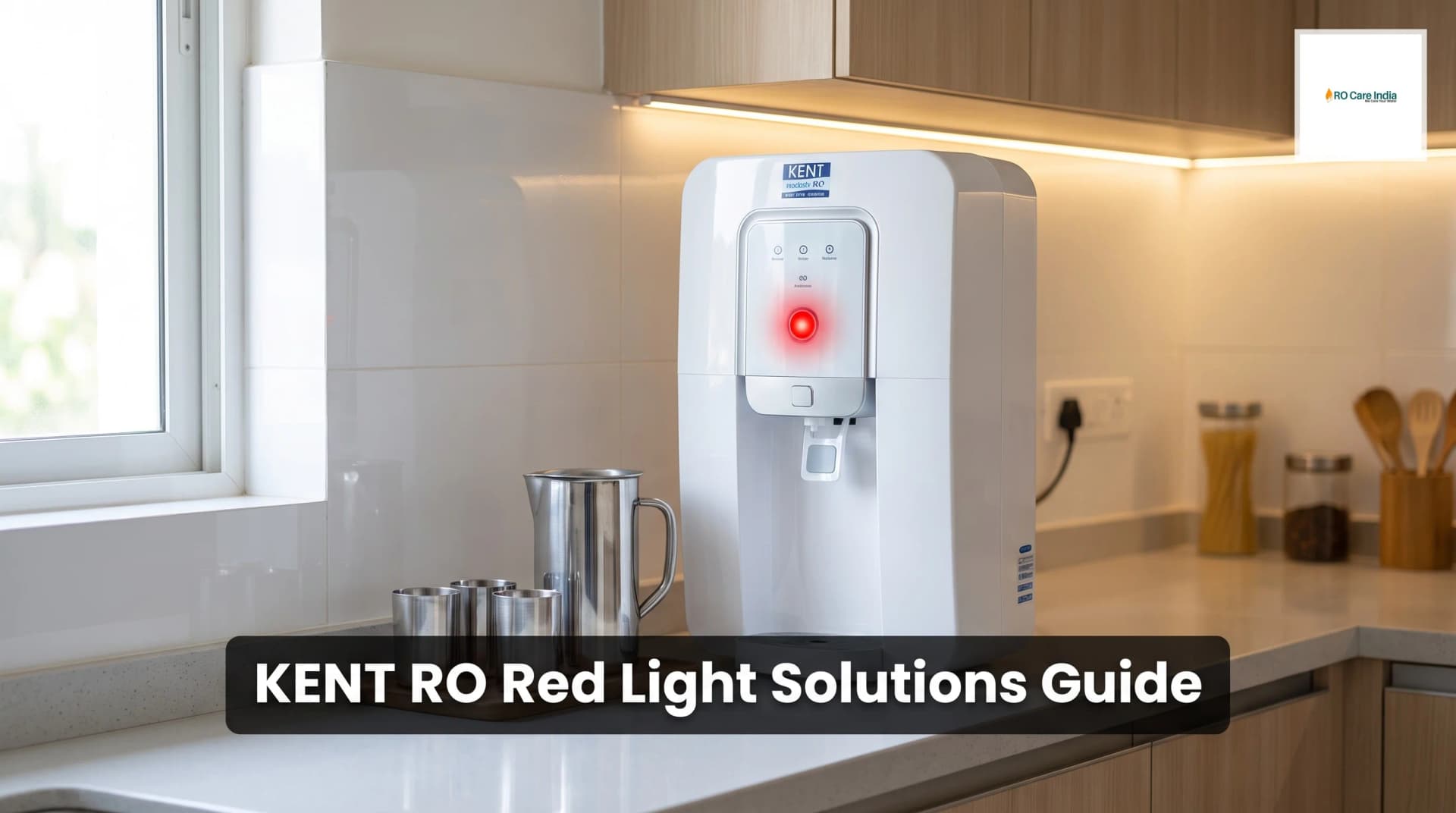
Understanding Kent RO Red Light Blinking Issues: Causes, DIY Solutions, and Professional Service Options in Gurgaon
When your water purifier suddenly starts flashing a red light, it can be quite concerning. This indicator serves as an important communication tool from your appliance, alerting you to potential issues that require immediate attention. In Gurgaon, where water quality varies significantly across different sectors and neighborhoods, maintaining your RO system becomes even more critical. If you notice a persistent red light on your water purifier, understanding what it signifies can help you take appropriate action quickly. Whether it is a simple filter replacement reminder or a more complex technical issue, knowing the root cause helps you determine if you need professional assistance from a Kent RO Service Center Gurgaon or if you can resolve it yourself. The blinking red indicator typically points toward maintenance requirements, filter saturation, or operational malfunctions that demand prompt resolution to ensure your family continues receiving safe, purified drinking water without interruption.
Many homeowners in Gurgaon face this common yet frustrating situation where their water purifier displays warning signals. The red light blinking pattern can vary depending on the specific model and the underlying issue. Some units show a steady red glow, while others blink intermittently at different frequencies. Each pattern conveys a specific message about your system's health and operational status. Understanding these signals helps you make informed decisions about whether to attempt troubleshooting yourself or contact professionals immediately. The high TDS levels in Gurgaon water, combined with sediment content and hardness variations across localities like DLF Phase, Sohna Road, and Cyber City, put additional stress on purification systems. This environmental factor often accelerates filter degradation and increases the likelihood of maintenance alerts appearing sooner than expected in other cities with better source water quality.
Water purifiers have become essential household appliances in urban Indian homes, particularly in areas with questionable municipal water supply. The advanced filtration technology employed in modern RO systems comes with built-in diagnostic features designed to protect both the machine and end-users. These warning indicators prevent you from consuming inadequately purified water that might contain harmful contaminants. When you see that red light, your system is essentially communicating that it cannot guarantee the purification standards it was designed to deliver. Ignoring these warnings can compromise your family's health and potentially damage expensive system components. Taking immediate action ensures continuous access to clean drinking water while potentially saving significant repair costs down the line. Residents across Gurgaon neighborhoods have learned that prompt response to these warning signals leads to better appliance longevity and consistent water quality.
The dependency on water purifiers has increased dramatically over the past decade as awareness about waterborne diseases grows. In metropolitan areas like Gurgaon, where groundwater contamination and supply inconsistencies are common challenges, having a functional purification system is not a luxury but a necessity. The red light warning system represents one of the most important safety features incorporated into modern appliances. It serves as your first line of defense against potentially consuming contaminated water. Understanding what triggers these alerts and how to respond appropriately empowers you to maintain optimal system performance. Whether the solution involves simple maintenance tasks you can handle independently or requires technical expertise from certified service professionals, recognizing the urgency helps prevent larger complications. The investment you made in purchasing a quality water purifier deserves proper attention and care to maximize its operational lifespan and protective capabilities.
This comprehensive guide explores everything you need to know about red light indicators on your water purification system, from identifying specific causes to implementing effective solutions. We will examine common triggers, walk through practical troubleshooting steps, discuss when professional intervention becomes necessary, and provide valuable information about accessing quality service support in Gurgaon. By the end of this article, you will have the knowledge and confidence to address these warning signals effectively, ensuring your household always has access to safe, clean drinking water without unnecessary delays or expenses.
Common Causes Behind Red Light Blinking
Understanding why your water purifier displays a red warning light requires familiarity with how these systems monitor their own performance. The most frequent cause involves filter saturation, where the various filtration stages have reached their maximum capacity and can no longer effectively remove contaminants. RO membranes, sediment filters, carbon filters, and post-carbon filters all have finite lifespans measured in liters processed or months of usage. When these components approach exhaustion, the system's sensors detect reduced purification efficiency and trigger the red alert. In Gurgaon, where source water often contains elevated TDS levels ranging from 500 to 1200 ppm depending on your location, filters tend to saturate faster than in areas with better quality input water. This accelerated degradation means residents here might see warning lights more frequently than the manufacturer's general timeline suggests.
Membrane blockage represents another significant trigger for red light warnings. The semi-permeable RO membrane, which performs the critical task of removing dissolved solids and microscopic contaminants, can become clogged with accumulated impurities over time. When water pressure drops below optimal levels due to membrane fouling, the system cannot maintain its designed purification rate. This reduced flow gets detected by internal sensors, prompting the warning indicator. Hard water, common throughout Gurgaon, contains calcium and magnesium compounds that readily form scale deposits on membrane surfaces. These mineral buildups restrict water passage and force the system to work harder, potentially leading to component failure if not addressed promptly. Regular preventive maintenance significantly reduces membrane blockage incidents and extends overall system life.
Electrical and sensor malfunctions occasionally cause false red light warnings even when the system is functioning properly. Circuit board issues, loose wire connections, or sensor degradation can result in erroneous signals. While less common than actual filtration problems, these technical glitches require professional diagnosis since they involve electronic components that should not be handled without proper training. Power fluctuations, unfortunately frequent in certain Gurgaon localities, can damage sensitive electronic systems over time. Installing voltage stabilizers helps protect your appliance from these electrical inconsistencies. Additionally, humidity and temperature variations in the installation location can affect sensor accuracy, particularly if your purifier is located in an area without climate control.
Low water pressure from the source supply creates operational challenges that trigger warning indicators. RO systems require minimum input pressure to function effectively, typically around 40-60 PSI depending on the model. When municipal supply pressure drops below this threshold, the booster pump must work excessively hard or the system cannot process water at designed rates. Storage tank issues also contribute to red light problems. If the tank's air pressure bladder loses its charge or develops leaks, water storage becomes compromised. The system detects this abnormality and signals a problem. Tank-related issues are particularly common in Gurgaon apartments where water supply timing is restricted to certain hours, forcing purifiers to work during peak demand periods when pressure naturally drops.
UV lamp failure in systems equipped with ultraviolet purification stages will definitely trigger red warnings. UV lamps have limited operational lifespans, typically 8000-10000 hours or approximately one year of continuous use. When the lamp reaches end-of-life or malfunctions prematurely, the system can no longer guarantee microbial disinfection. Since UV purification serves as a critical final stage for eliminating bacteria, viruses, and other pathogens, the system immediately alerts you to this failure. Some advanced models include lamp hour counters that automatically signal replacement time, while others use sensors to detect actual UV output degradation. Either way, operating a purifier with a failed UV lamp compromises water safety despite the RO membrane removing many contaminants.
DIY Troubleshooting Steps You Can Try
Before contacting a Kent RO Filter Service Gurgaon provider, several troubleshooting steps can help you identify and potentially resolve the issue independently. Begin by checking the power supply and ensuring the appliance is receiving consistent electricity. Examine the power cord for damage, verify the wall outlet is functioning properly, and confirm any switches are in the correct position. Sometimes, a simple power cycle – unplugging the unit for five minutes before reconnecting – can reset electronic systems and clear temporary errors. This basic step resolves surprisingly many issues without requiring any technical intervention. However, if the red light persists after a power reset, deeper investigation becomes necessary.
Inspect all visible water connections for leaks, loose fittings, or blockages. Trace the water line from your source supply through the pre-filter housing, RO membrane housing, storage tank, and finally to the dispensing faucet. Tighten any loose connections carefully, avoiding over-tightening which might crack plastic components. Check if the input water supply valve is fully open, as partial closure restricts flow and triggers warnings. Examine the drain line for kinks or blockages that prevent rejected water from flowing freely. A clogged drain line forces the system to shut down and display error indicators. Clean any visible debris from external filter housings and ensure no physical obstructions interfere with system operation.
Filter replacement often resolves red light issues, especially if you cannot recall the last service date. Most systems use transparent or semi-transparent pre-filter housings, allowing visual inspection of sediment filter condition. If you see a filter that has changed from white to brown or appears heavily clogged with particles, replacement is definitely overdue. Pre-filters and carbon filters can typically be replaced without professional help if you feel comfortable with basic maintenance tasks. Manufacturers provide detailed instructions, and numerous online tutorials demonstrate the process. However, RO membrane replacement is more complex and usually requires professional service to ensure proper installation and system sanitization. Keep detailed records of all filter changes to establish a maintenance schedule appropriate for your water conditions and usage patterns.
Check the storage tank pressure using a tire pressure gauge if accessible. The tank typically requires 5-7 PSI air pressure in the bladder when empty. If pressure reads zero or significantly low, the tank has lost its charge and needs repressurizing or replacement. This relatively simple maintenance task can restore proper system function without expensive repairs. Additionally, examine the tank's water shut-off valve, ensuring it is fully open to allow water flow to your dispensing faucet. A partially closed tank valve creates flow restrictions that mimic more serious problems. Inspect the faucet itself for mineral buildup or debris that might restrict water flow. Sometimes, the issue is not with the purification system at all but with water delivery components.
If your system includes a UV chamber, check whether the lamp is glowing when the system operates. Most UV housings are constructed from transparent or translucent materials allowing visual lamp inspection. A functioning UV lamp emits a distinctive blue-purple glow when powered. If you see no illumination, the lamp has either failed or lost electrical connection. While UV lamp replacement is relatively straightforward, it requires following safety protocols since the bulbs contain mercury and need proper disposal. Some homeowners prefer professional handling of UV component replacement to ensure correct installation and system sanitization afterward. Document your troubleshooting findings, as this information helps service technicians diagnose problems more efficiently if professional assistance becomes necessary.
When to Contact Professional Service Centers
Recognizing when DIY troubleshooting has reached its limits and professional expertise is required saves time, money, and potential appliance damage. If basic checks and simple maintenance steps fail to resolve the red light warning, contacting a Kent RO Customer Care Number Gurgaon immediately prevents further complications. Persistent error indicators after filter replacement suggest deeper technical issues involving pumps, sensors, electronic controls, or membrane problems that require specialized diagnostic equipment. Attempting complex repairs without proper training risks voiding warranties, causing additional damage, or creating safety hazards. Professional technicians possess the tools, knowledge, and genuine replacement parts necessary for proper system restoration.
Water leaks from internal components definitely warrant immediate professional attention. While external connection leaks might be manageable, water escaping from housings, the RO membrane assembly, or electronic compartments indicates seal failures or housing cracks requiring expert repair. Water damage to electrical components creates shock hazards and can destroy the entire control system if not addressed promptly. Never operate a water purifier that shows signs of internal leaking, as this poses both safety risks and potential property damage from water exposure. Qualified technicians can properly diagnose leak sources, replace damaged components, and test system integrity before returning the unit to service.
Unusual noises during operation signal mechanical problems that need professional evaluation. While some operational sounds are normal, loud grinding, continuous motor running, or rattling noises indicate pump failure, valve problems, or loose internal components. These mechanical issues require replacement parts and proper installation to prevent recurring failures. Similarly, if your system produces water with unusual taste, odor, or appearance despite showing no error lights, professional testing and service are essential. Compromised water quality despite apparent normal operation suggests membrane failure, channeling, or contamination issues that only trained technicians can properly address. Your family's health depends on reliable purification performance, making professional verification crucial when quality concerns arise.
Complete system failure where the unit does not power on or respond to controls requires immediate professional diagnosis. Electronic control board failures, transformer problems, or severe electrical faults are beyond DIY repair capabilities. Attempting to repair sophisticated electronics without proper training risks permanent damage and personal injury. Additionally, if your water purifier is relatively new and still under warranty, professional service through authorized centers ensures warranty coverage remains valid. Unauthorized repairs or use of non-genuine parts typically void manufacturer warranties, potentially costing significantly more if subsequent failures occur. Always verify warranty status before attempting any internal repairs yourself.
Recurring problems where the same issue returns shortly after your attempted fixes indicate underlying causes that require professional diagnosis. Perhaps the water supply conditions in your area cause accelerated component degradation, suggesting need for additional pre-treatment solutions. Maybe installation parameters do not meet system requirements, causing premature failures that will continue until properly corrected. Experienced technicians can assess your entire installation, water conditions, and usage patterns to recommend permanent solutions rather than temporary fixes. This comprehensive approach prevents the frustration and expense of repeated failures, ensuring your investment in water purification delivers lasting value and reliable performance.
Professional Kent Water Purifier Service in Gurgaon
Accessing quality professional service makes the difference between minor inconvenience and prolonged water quality problems. Gurgaon hosts numerous service providers offering water purifier maintenance and repair across all sectors and localities. When selecting a service center, prioritize authorized providers with certified technicians trained specifically on your system model. These professionals possess detailed technical knowledge, diagnostic equipment, and access to genuine replacement parts ensuring proper repairs. Authorized service centers typically maintain computerized service records, helping track your system's maintenance history and anticipate future service needs based on actual usage patterns and local water conditions.
Professional service visits typically begin with comprehensive system diagnostics to identify exact problem causes rather than simply addressing visible symptoms. Technicians test water pressure, examine electrical connections, measure TDS levels in both input and output water, inspect all filtration stages, and evaluate overall system performance against manufacturer specifications. This thorough evaluation reveals underlying issues that might not be immediately apparent, preventing recurring problems. After diagnosis, technicians explain findings in understandable terms, recommend necessary repairs or replacements, and provide cost estimates before proceeding with work. This transparent approach lets you make informed decisions about service options and understand what you are paying for.
Quality service includes proper component replacement using genuine parts designed specifically for your system model. While generic or compatible parts might seem economical, they often compromise performance, reduce purification effectiveness, or cause premature failures. Genuine parts carry manufacturer warranties and guarantee proper fit and function. Professional installation ensures components are seated correctly, connections are secure, and system sanitization is performed after opening any wetted assemblies. This sanitation step eliminates potential bacterial contamination introduced during service, ensuring your purified water remains safe for consumption. Technicians also perform post-service testing, verifying TDS reduction rates meet specifications and all error indicators are resolved before leaving your premises.
Preventive maintenance contracts offer excellent value for Gurgaon residents facing challenging water conditions. These annual or semi-annual service agreements include scheduled filter replacements, system inspections, cleaning procedures, and performance optimization. Regular professional maintenance significantly extends appliance lifespan, maintains optimal purification performance, and prevents unexpected breakdowns that leave your household without clean drinking water. Contract services typically cost less than emergency repairs and provide peace of mind knowing your system receives expert attention before problems develop. Many service providers offer flexible contract terms tailored to your specific usage patterns and local water quality challenges, ensuring you receive Kent Water Purifier Service in Gurgaon that meets your household's unique requirements.
Informational Section
Explore further how regular maintenance schedules can prevent most red light warnings in your Kent RO system. Learn more about water quality patterns across Gurgaon sectors and discover how seasonal variations affect your purifier's performance. Stay informed about the latest troubleshooting techniques and understand when DIY solutions work versus when professional intervention becomes necessary for optimal water purification.