
Kent RO Membrane Not Rejecting TDS in Kolkata: What to Do?
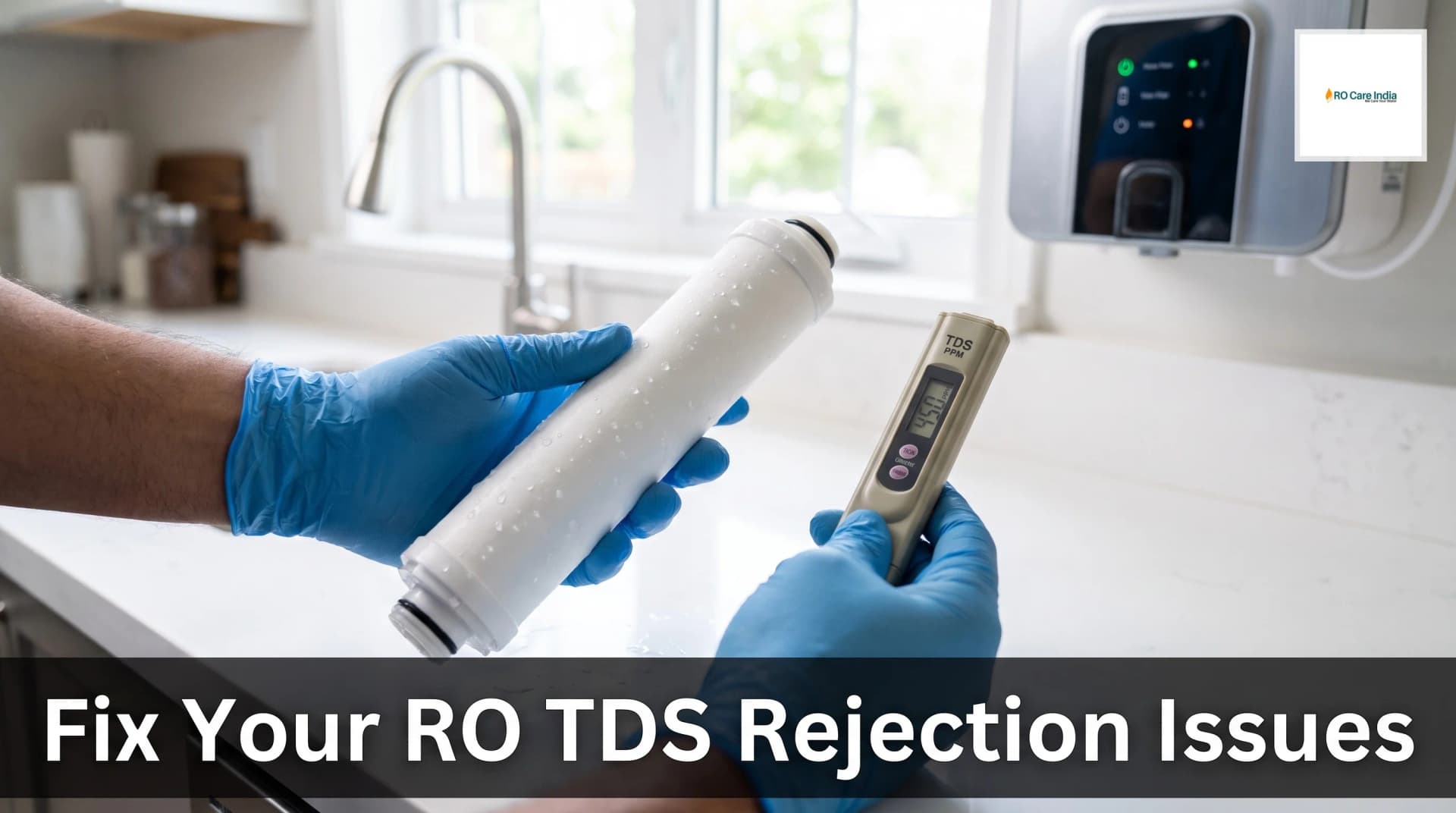
Understanding and Fixing Kent RO Membrane TDS Rejection Issues in Kolkata: A Complete Guide
If you have recently noticed that your RO water purifier is not reducing Total Dissolved Solids (TDS) levels as it should, you are not alone. Many households in Kolkata face this frustrating problem, especially during the monsoon season when water quality fluctuates significantly. When your membrane fails to reject TDS properly, it means contaminated water is passing through your system, potentially affecting your family's health. This comprehensive guide will help you understand why this happens and what you can do to resolve it. Whether you need professional Kent ro purifier service kolkata or want to troubleshoot the issue yourself, we will cover everything you need to know about TDS rejection problems in RO systems.
The membrane is the heart of any reverse osmosis purification system. It works by allowing water molecules to pass through while blocking dissolved solids, bacteria, viruses, and other contaminants. In Kolkata, where groundwater TDS levels can range from 300 to 1500 parts per million (ppm) depending on your location, a properly functioning membrane is crucial for safe drinking water. When this component fails to perform its job, the output water TDS remains dangerously high, defeating the entire purpose of having a purifier.
Understanding the causes behind membrane failure is the first step toward finding a solution. Various factors contribute to reduced TDS rejection efficiency, including membrane age, water pressure issues, sediment buildup, and chemical damage. In Kolkata's unique water conditions, with high chlorine content from municipal treatment and dissolved minerals from groundwater sources, membranes face additional challenges that can accelerate wear and tear.
This article will walk you through the common causes of TDS rejection failure, step-by-step troubleshooting methods, professional service options available in Kolkata, and preventive maintenance tips to extend your membrane's lifespan. By the end, you will have a clear action plan to restore your purifier's performance and ensure your family has access to safe, low-TDS drinking water.
Whether you are in North Kolkata, South Kolkata, Salt Lake, or the surrounding areas, the solutions discussed here apply universally. We will also guide you on when to attempt DIY fixes and when to contact professional technicians for expert assistance.
What Causes RO Membranes to Stop Rejecting TDS Effectively
The reverse osmosis membrane is a semi-permeable filter that typically lasts between two to three years under normal conditions. However, several factors can cause premature failure or reduced efficiency in TDS rejection. Understanding these causes helps you identify the root problem and choose the appropriate solution.
Membrane aging is the most common cause of declining TDS rejection rates. Over time, the microscopic pores in the membrane can enlarge due to continuous water flow and pressure. When this happens, larger molecules and dissolved solids that should be blocked start passing through. If your purifier is more than two years old and has never had a membrane replacement, this is likely your primary issue. In Kolkata's hard water conditions, membranes may degrade even faster than the standard lifespan.
Physical damage to the membrane can occur due to sudden pressure surges in the water supply. Kolkata's municipal water supply sometimes experiences pressure fluctuations, especially during peak usage hours. These pressure spikes can tear or rupture the delicate membrane structure. Similarly, if the membrane freezes during rare cold spells or if hot water accidentally enters the system, permanent damage can result. Once physically compromised, membranes cannot be repaired and require complete replacement.
Chemical damage represents another significant threat to membrane integrity. Chlorine, commonly used in municipal water treatment throughout Kolkata, is particularly harmful to thin-film composite membranes. While pre-filters should remove most chlorine, if these filters are saturated or damaged, chlorine reaches the membrane and causes irreversible damage. Additionally, if you live in an area with high iron content in the water, iron fouling can coat the membrane surface and reduce its effectiveness.
Inadequate water pressure is a technical cause that many homeowners overlook. RO membranes require a minimum input pressure of 40-60 PSI to function correctly. If your home's water pressure is below this threshold, the membrane cannot create the necessary force to separate pure water from contaminants. In ground-floor apartments or areas with low municipal pressure, this becomes a common problem. The solution might be as simple as installing a booster pump rather than replacing the membrane.
How to Diagnose TDS Rejection Problems in Your RO System
Before calling for professional Kent ro customer care number kolkata assistance, you can perform several diagnostic tests to identify the exact problem. This approach saves time and helps you communicate more effectively with service technicians.
Start by measuring the TDS levels of your input and output water using a digital TDS meter, which costs between 200 to 500 rupees and is available at most hardware stores in Kolkata. Test the input water from your tap first, then test the purified water from your RO faucet. A properly functioning membrane should reduce TDS by at least 90 percent. For example, if input TDS is 400 ppm, output should be below 40 ppm. If your output TDS is above 50 ppm with input around 400 ppm, your membrane is not rejecting properly.
Check the reject water flow from the drain line. During normal operation, an RO system discards contaminated water through a drain pipe. If you notice very little or no water draining, this indicates a flow restrictor problem or membrane blockage. Conversely, if too much water is draining, the membrane might be damaged, allowing water to pass through without proper filtration. A healthy system typically maintains a recovery ratio of one liter purified water to three liters rejected water.
Inspect all pre-filters in your system, particularly the sediment and carbon filters. These filters protect the membrane from larger particles, chlorine, and organic compounds. When pre-filters become clogged or saturated, they can no longer protect the membrane effectively. Remove each filter cartridge and examine it for discoloration, sediment buildup, or foul odors. In Kolkata's water conditions, sediment filters should be replaced every three to six months, while carbon filters need replacement every six to twelve months.
Test the system's water pressure using a pressure gauge at the inlet point. Most RO systems have a pressure gauge built into the unit, but if yours does not, you can attach a standard water pressure gauge to the inlet valve. If pressure reads below 40 PSI, insufficient pressure is likely contributing to poor TDS rejection. This is particularly common in areas like Behala, Barasat, and parts of Howrah where municipal pressure tends to be lower.
Listen for unusual sounds from your purifier. A properly functioning RO system makes a gentle humming sound when the pump operates. If you hear loud vibrations, grinding noises, or the pump running continuously without shutting off, internal components may be malfunctioning. These issues can indirectly affect membrane performance by disrupting normal water flow and pressure.
Step-by-Step Solutions to Restore TDS Rejection Performance
Once you have identified the likely cause of poor TDS rejection, you can proceed with appropriate solutions. Some fixes are simple enough for homeowners to handle, while others require professional intervention.
Replace saturated pre-filters immediately. This is the easiest and most cost-effective first step. Purchase genuine replacement filters compatible with your specific model. In Kolkata, authorized service centers and water purifier shops in areas like Gariahat, Hatibagan, and Shyambazar stock these filters. Installing new sediment and carbon filters can immediately improve membrane performance if contamination was the underlying issue. This simple replacement costs between 500 to 1500 rupees depending on filter quality and typically takes just 15 minutes.
Flush the RO membrane thoroughly. If your membrane is relatively new (less than one year old) but showing reduced performance, flushing might restore efficiency. Turn off the storage tank valve, then open the RO faucet and let water run for 15-20 minutes. This process flushes accumulated sediments and dissolved solids from the membrane surface. Perform this flushing procedure once every month as preventive maintenance, especially during the monsoon season when water quality deteriorates in Kolkata.
Check and adjust the flow restrictor. The flow restrictor controls the rate of water rejection and maintains proper pressure across the membrane. If this component is clogged with sediment or calcium deposits, it disrupts the entire filtration process. Locate the flow restrictor in the drain line (usually a small colored component), remove it, and clean it thoroughly with water. If cleaning does not help, replace it with a new one matching your membrane's specifications. These restrictors cost around 100-200 rupees.
Install a booster pump if pressure is inadequate. For homes with consistently low water pressure, a booster pump is essential for proper RO operation. These pumps increase inlet pressure to the optimal range of 60-80 PSI, ensuring effective TDS rejection. Quality booster pumps suitable for residential use cost between 2500 to 5000 rupees in Kolkata. Professional installation by authorized technicians ensures proper integration with your existing system.
Replace the RO membrane completely. If your membrane is older than two years or shows signs of physical or chemical damage, replacement is the only viable solution. Genuine membranes cost between 1500 to 3500 rupees depending on capacity and brand. While membrane replacement is a DIY-friendly task for those comfortable with basic plumbing, many homeowners prefer professional installation to avoid mistakes. During replacement, also replace the membrane housing O-rings to prevent leaks.
Sanitize the entire system after membrane replacement. After installing a new membrane, perform a complete system sanitization to remove any bacteria or biofilm that may have accumulated. Use a food-grade sanitizing solution designed for water purifiers. This step ensures that your new membrane starts with a clean system, maximizing its lifespan and performance. Professional service technicians include this sanitization as part of their membrane replacement service.
When to Contact Professional Service Centers in Kolkata
While many TDS rejection issues can be addressed through DIY troubleshooting, certain situations require professional expertise. Knowing when to call for help prevents further damage and ensures your system is repaired correctly.
If you have replaced all pre-filters and the membrane but TDS levels remain high, the problem likely lies in other system components such as the automatic shut-off valve, check valve, or pressure tank. Diagnosing these issues requires technical knowledge and specialized tools. Professional technicians from Kent RO service center Kolkata have the experience to identify and fix these complex problems efficiently.
Water leakage from connections or the membrane housing after DIY repairs indicates improper installation or damaged components. Continuing to operate a leaking system wastes water and can cause water damage to your home. Technicians can identify the source of leaks, replace damaged fittings, and ensure all connections are properly sealed. They also check for cracks in the housing that might not be visible to untrained eyes.
If your system's pump runs continuously without stopping or does not start at all, electrical or sensor issues are likely at fault. The automatic shut-off system, which stops water production when the storage tank is full, relies on pressure sensors and solenoid valves. Malfunctioning sensors can cause the system to operate inefficiently or not at all. Electrical component repairs should always be handled by qualified technicians to avoid safety hazards.
Strange tastes or odors in purified water, even after addressing TDS levels, suggest bacterial contamination or organic compound buildup in the system. This situation requires professional deep cleaning and sanitization using specialized equipment and solutions. Technicians can also test for specific contaminants and recommend additional filters if needed for your area's specific water quality challenges.
When your purifier is still under warranty, any repair or replacement should be performed by authorized service personnel to maintain warranty validity. Attempting DIY repairs on warranty-covered systems might void your coverage. Authorized service centers provide genuine parts and maintain detailed service records, which can be valuable if further issues arise.
Understanding Service Options and Costs in Kolkata
Kolkata offers various service options for addressing RO membrane and TDS rejection issues. Understanding these options helps you make informed decisions based on your budget and urgency.
Authorized service centers provide the most reliable option for repairs and maintenance. These centers employ trained technicians who specialize in specific brands and have access to genuine replacement parts. They offer comprehensive services including diagnosis, repair, part replacement, and system sanitization. In Kolkata, major service centers operate in areas like Park Street, Ballygunge, Salt Lake Sector V, and Rajarhat. Service charges typically include a visit fee of 200-500 rupees plus parts and labor costs.
Independent local technicians offer more affordable alternatives, with service charges often 30-40 percent lower than authorized centers. Many experienced technicians in neighborhoods across Kolkata provide excellent service and use compatible aftermarket parts that function well. However, ensure your technician has verifiable experience with your specific purifier model. Ask for references and check online reviews before engaging independent services. This option works well for out-of-warranty systems where using genuine parts is not mandatory.
Annual maintenance contracts provide cost-effective long-term solutions for regular servicing. These contracts typically include scheduled visits every three to four months, free pre-filter replacements, priority service calls, and discounted rates on major repairs. In Kolkata, AMC packages range from 1500 to 4000 rupees annually depending on the service provider and purifier model. For families dependent on purified water, AMCs offer peace of mind and often save money compared to ad-hoc service calls.
The cost breakdown for common repairs related to TDS rejection issues helps you budget appropriately:
Service Type | Approximate Cost in Kolkata (INR) | Timeline |
|---|---|---|
Diagnostic visit | 200-500 | Same day |
Pre-filter set replacement | 500-1500 | 30 minutes |
RO membrane replacement | 2000-4000 (including labor) | 1-2 hours |
Booster pump installation | 3000-6000 (including pump) | 2-3 hours |
Complete system sanitization | 500-1000 | 1 hour |
Flow restrictor replacement | 150-300 | 15 minutes |
Annual Maintenance Contract | 1500-4000 | Ongoing |
These prices reflect average market rates as of 2026 and may vary based on your specific location in Kolkata and the service provider you choose. Always request a detailed quotation before authorizing repairs to avoid surprise charges.
For those who prefer professional assistance, contacting customer service provides direct access to authorized service scheduling. The customer care team can guide you through basic troubleshooting over the phone and arrange technician visits if needed. Keep your product model number and purchase details handy when calling to expedite the service process.
Preventive Maintenance Tips to Extend Membrane Life
Prevention is always better and more cost-effective than repair when it comes to RO membrane care. Following these maintenance practices significantly extends membrane lifespan and maintains consistent TDS rejection performance.
Replace pre-filters according to the recommended schedule, not based on appearance alone. Even if filters look clean externally, their internal structure becomes saturated over time and loses effectiveness. In Kolkata's water conditions, follow this schedule: sediment filters every 3-6 months, carbon block filters every 6-9 months, and post-carbon filters every 9-12 months.