
Aquaguard Pump Not Working in pune: Causes and Repair Cost
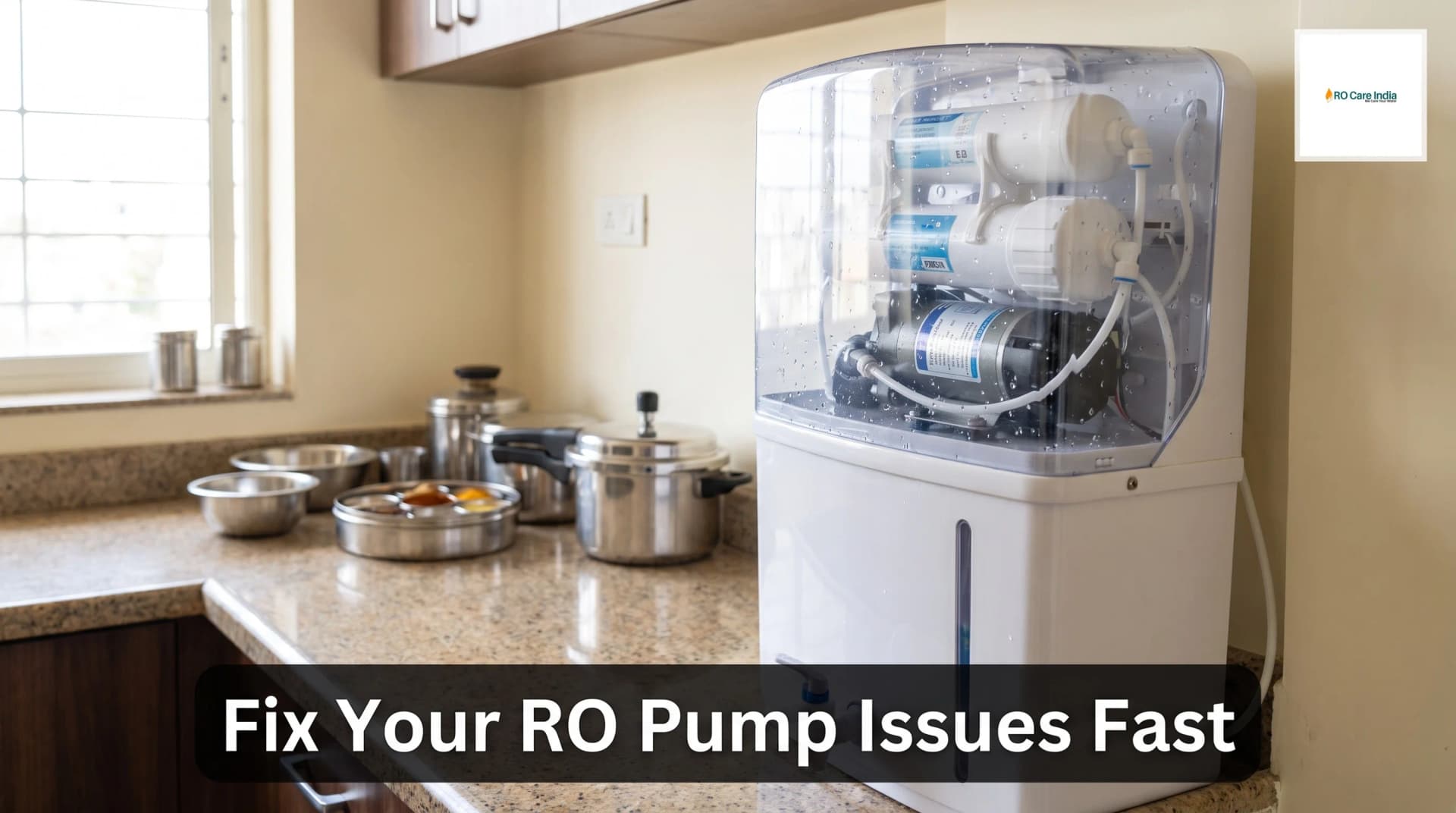
Is Your Water Purifier Pump Failing? Complete Guide to Pump Issues and Solutions in Pune
Water purifiers have become an essential part of every Indian household, ensuring families have access to clean and safe drinking water. However, like any electrical appliance, pumps in these systems can develop problems over time, leaving you without purified water when you need it most. If you're experiencing pump-related issues with your water purification system in Pune, you're not alone—thousands of households face similar challenges every year. Understanding the root causes, troubleshooting methods, and knowing when to contact an aquaguard service center pune can save you time, money, and frustration. This comprehensive guide will walk you through everything you need to know about pump malfunctions, from identifying early warning signs to understanding professional repair costs specific to the Pune market in 2026.
The pumps in water purification systems work continuously to maintain pressure and ensure proper water flow through various filtration stages. When these pumps stop functioning, the entire purification process comes to a halt, affecting your daily water consumption needs. Many residents across Pune neighborhoods like Kothrud, Viman Nagar, Wakad, and Baner face these issues, especially during summer months when water usage peaks. The good news is that most pump problems can be diagnosed relatively easily, and many have straightforward solutions.
Before panicking and assuming you need an expensive replacement, it's important to understand that pump failures can stem from various causes—some simple enough for basic troubleshooting, while others require professional intervention. Factors like electrical supply inconsistencies, mechanical wear and tear, blocked inlet pipes, and sediment buildup all contribute to pump malfunctions. By learning to identify these issues early, you can prevent complete system breakdowns and extend your purifier's lifespan.
The availability of reliable aquaguard customer care number pune services has made it easier for residents to get prompt assistance. However, knowing what information to provide when you call and understanding the typical repair process can significantly speed up resolution times. This guide will equip you with that knowledge, helping you communicate effectively with technicians and make informed decisions about repairs versus replacements.
Whether you're dealing with a pump that won't start at all, one that makes unusual noises, or one that runs but doesn't build adequate pressure, this article covers all scenarios. We'll explore preventive maintenance tips, discuss average repair costs across Pune, and provide practical troubleshooting steps you can attempt before calling for professional help.
Understanding How Water Purifier Pumps Function and Why They Fail
Water purifier pumps serve as the heart of reverse osmosis and UV filtration systems, creating the necessary pressure to push water through multiple filtration membranes. In typical household systems, these pumps operate at pressures ranging from 60 to 80 PSI (pounds per square inch), which is essential for effective contaminant removal. The pump continuously monitors inlet water pressure and automatically activates when pressure drops below the required threshold.
The mechanical components within these pumps include a motor, impeller, pressure switch, and various seals and gaskets. Each component plays a crucial role in maintaining consistent water flow and pressure. When any single part fails or degrades, the entire pump performance suffers. In Pune's hard water conditions, which contain high levels of dissolved minerals like calcium and magnesium, pumps face additional stress due to scale formation around moving parts.
Most modern pumps are designed to last between three to five years under normal operating conditions. However, several factors can significantly reduce this lifespan. Voltage fluctuations, which are common in many Pune localities during peak summer months, can damage motor windings and electronic components. Continuous operation without adequate rest periods can lead to overheating and premature motor failure. Additionally, running pumps with insufficient water supply or blocked filters creates excessive back-pressure, straining the motor unnecessarily.
The three most common pump failure scenarios include complete non-operation where the pump doesn't start at all, intermittent operation where the pump starts and stops erratically, and reduced pressure output where the pump runs but fails to generate adequate pressure for proper filtration. Each scenario points to different underlying issues requiring specific diagnostic approaches. Understanding these patterns helps you provide accurate information when contacting aquaguard repair service pune professionals for assistance.
Environmental factors specific to Pune also play a role in pump longevity. The city's humidity levels, particularly during monsoon season, can accelerate corrosion of electrical connections. Power cuts and sudden voltage surges during thunderstorms can damage sensitive electronic components. Dust accumulation in poorly ventilated installation areas can obstruct cooling mechanisms, leading to thermal damage over time.
Common Causes Behind Pump Malfunctions in Pune Households
Electrical supply issues rank as the primary cause of pump failures across Pune residential areas. The pump motor requires stable voltage to operate efficiently—typically 220-240 volts for single-phase connections. When voltage drops below 180 volts or spikes above 270 volts, the motor either fails to start or sustains damage to its internal windings. Many older Pune neighborhoods experience voltage fluctuations during evening peak hours when consumption is highest, putting purifier pumps at constant risk.
Clogged inlet filters and sediment filters represent another major cause of pump problems. Pune's municipal water supply, while treated, still contains suspended particles, rust from aging pipes, and occasional sediment especially after pipeline maintenance work. When these particles accumulate in pre-filters, they restrict water flow to the pump. The pump then works harder to draw water, eventually burning out from overexertion. Regular filter replacement every three to six months can prevent this issue entirely.
Pressure switch failures contribute significantly to pump operational problems. The pressure switch acts as the automated control that turns the pump on when storage tank pressure drops and off when optimal pressure is restored. These switches contain a small diaphragm that responds to pressure changes. Over time, this diaphragm can become stiff, torn, or clogged with mineral deposits, preventing accurate pressure sensing. When the switch fails, the pump either runs continuously or never starts despite low tank pressure.
Mechanical seal and gasket deterioration leads to water leakage and pressure loss. The pump housing contains multiple seals that prevent water from entering electrical components while maintaining pressure within the pumping chamber. Pune's hard water gradually deposits mineral scale around these seals, making them brittle and prone to cracking. Once seals fail, you might notice water pooling around the pump base or hear air being drawn into the system instead of water.
Motor bearing wear produces the characteristic grinding or squealing noises that often precede complete pump failure. Bearings allow the motor shaft and impeller to rotate smoothly with minimal friction. Continuous operation and lack of lubrication cause bearing surfaces to wear down, creating metal-on-metal contact that generates heat and noise. If you hear unusual sounds from your pump, immediate attention can prevent complete motor failure.
Step-by-Step Troubleshooting Guide Before Calling for Professional Help
Before reaching out to professional repair services, you can perform several diagnostic checks that might resolve simple issues or help you provide better information to technicians. Start by checking the power supply to your water purifier. Ensure the unit is properly plugged in and the wall socket is functioning by testing it with another appliance like a phone charger or lamp. Examine the power cord for any visible damage, cuts, or exposed wiring that could interrupt electrical flow.
Next, verify that your circuit breaker hasn't tripped. Many purifiers are connected to dedicated circuits or share circuits with other kitchen appliances. If multiple devices suddenly stopped working, a tripped breaker is likely the culprit. Reset the breaker by switching it fully off and then back on. Also check if your purifier has an internal fuse or reset button—some models include these safety features that can be addressed without professional intervention.
Inspect the inlet water supply by ensuring the feed valve connected to your purifier is fully open. Sometimes family members accidentally turn these valves partially closed while cleaning or moving items stored nearby. Insufficient inlet water flow prevents the pump from operating correctly. Also check your building's main water supply—if municipal supply is interrupted or pressure is very low, the pump cannot draw water effectively regardless of its mechanical condition.
Examine all visible filters in your system. Remove the sediment filter housing and inspect the filter cartridge. If it appears brown, clogged with particles, or hasn't been changed in over six months, replace it immediately. Clogged filters create back-pressure that prevents proper pump operation. Similarly, check if your storage tank is full—some systems have automatic shut-off mechanisms when the tank reaches capacity, which stops the pump to prevent overflow.
Listen carefully to the sounds your pump makes when activated. A humming noise without water flow typically indicates a jammed impeller or seized motor. Clicking sounds suggest electrical relay problems or pressure switch issues. Grinding or squealing noises point to bearing failures. Documenting these sounds helps technicians diagnose problems more quickly when you contact service centers for appointments.
Professional Repair Costs and Service Charges Across Pune in 2026
Understanding typical repair costs helps you budget appropriately and avoid overcharging. Basic diagnostic visits by authorized service centers in Pune typically range from 200 to 500 rupees, though some centers waive this fee if you proceed with recommended repairs. The diagnostic charge covers the technician's travel, inspection time, and initial assessment of your pump problem.
| Repair Type | Average Cost Range | Time Required |
|---|---|---|
| Pressure Switch Replacement | 800 - 1,500 rupees | 30-45 minutes |
| Motor Rewinding | 1,200 - 2,000 rupees | 1-2 days |
| Complete Pump Replacement | 2,500 - 4,500 rupees | 45-60 minutes |
| Seal and Gasket Kit | 600 - 1,000 rupees | 30-40 minutes |
| Electrical Component Repair | 500 - 1,200 rupees | 30-60 minutes |
| Impeller Replacement | 900 - 1,600 rupees | 40-50 minutes |
Motor rewinding represents a middle-ground option when the motor coil has burned out but the housing and other components remain functional. This process involves removing the damaged wire coils and rewinding the motor with new copper wire. While cheaper than full pump replacement, rewound motors typically have shorter lifespans than original equipment. Most Pune service centers complete motor rewinding within one to two days, requiring you to be without your purifier during this period.
Complete pump assembly replacement becomes necessary when multiple components have failed or when the pump is older than five years and showing signs of general wear. Original equipment manufacturer pumps cost more but offer better reliability and warranty coverage compared to generic aftermarket alternatives. Prices vary significantly between authorized service centers and independent repair shops—authorized centers charge premium rates but provide genuine parts and service warranties ranging from three to six months.
Labor charges constitute a significant portion of repair bills in Pune's service industry. Experienced technicians from established service centers typically charge between 400 and 800 rupees per hour, depending on the locality and problem complexity. Areas like Koregaon Park, Kalyani Nagar, and Aundh tend to have slightly higher service rates compared to localities like Hadapsar or Pimpri-Chinchwad. However, higher rates often correlate with better service quality and accountability.
Additional costs may include replacement of related components discovered during repair. For example, if technicians find corroded electrical connections while replacing the pump, they may recommend replacing the control board simultaneously. While this increases immediate costs, it prevents future failures and additional service calls. Transparent service providers will always seek approval before performing non-emergency additional repairs.
Types of Pump Systems Used in Modern Water Purifiers
Booster pumps represent the most common type found in residential water purification systems across Indian households. These compact units increase inlet water pressure to the 60-80 PSI range required for effective reverse osmosis filtration. Booster pumps automatically activate when system pressure drops and shut off once optimal pressure is restored. They're designed for intermittent operation rather than continuous running, making them energy-efficient for household use.
Diaphragm pumps offer an alternative design used in some premium purification systems. These pumps use a flexible diaphragm that moves back and forth to create pressure pulses that push water through filters. Diaphragm pumps generally produce less noise than standard booster pumps and have fewer moving parts, potentially improving reliability. However, they cost more to replace and require specialized service knowledge that not all technicians possess.
Self-priming pumps can draw water from sources below the pump level, making them suitable for installations where the water source is located at a lower elevation than the purifier. Many Pune apartment buildings store water in underground tanks, requiring pumps capable of lifting water several feet vertically before pressurization. Self-priming capability adds to pump complexity and cost but provides installation flexibility.
High-pressure pumps designed specifically for commercial or high-capacity residential systems can handle greater water volumes and maintain pressure across multiple output points. These pumps typically operate at 100-150 PSI and feature more robust motors rated for extended duty cycles. While unnecessary for single-family homes, they're essential for purification systems serving multiple apartments or small offices.
Smart pumps with integrated controllers represent the latest technology in water purification systems. These pumps include microprocessors that monitor performance parameters like flow rate, pressure, and operational hours. Some models can send alerts to your smartphone when maintenance is due or when operational anomalies are detected. While significantly more expensive than standard pumps, their diagnostic capabilities can prevent catastrophic failures by identifying problems early.
Preventive Maintenance Tips to Extend Pump Life and Avoid Failures
Regular filter replacement stands as the single most important maintenance task for preventing pump problems. Set calendar reminders to replace sediment filters every three to four months and carbon filters every six to eight months, depending on your water quality and usage volume. Clogged filters force pumps to work harder, generating excessive heat and accelerating wear. This simple maintenance task can extend pump life by several years.
Voltage stabilizer installation protects sensitive pump electronics from Pune's fluctuating power supply. Quality stabilizers cost between 1,500 and 3,500 rupees depending on capacity and features, representing a worthwhile investment considering replacement pump costs. Stabilizers maintain consistent voltage output even when input voltage varies, preventing motor damage from both under-voltage and over-voltage conditions. Look for models with display panels showing input and output voltage for monitoring purposes.
Periodic professional servicing every twelve months allows technicians to identify and address minor issues before they escalate into major failures. During these service visits, technicians clean components, check electrical connections, test pressure switches, inspect seals, and verify proper system operation. Many service plans include these annual maintenance visits along with discounted parts and priority service scheduling.
Water quality testing helps you understand the contaminants your pump and filters handle daily. Pune municipal water quality varies considerably across different supply zones. Areas receiving water from Khadakwasla reservoir typically have lower total dissolved solids compared to zones relying on groundwater supplementation. Understanding your water's hardness, TDS levels, and sediment content allows you to adjust filter replacement schedules appropriately and anticipate pump maintenance needs.
Physical inspection of your purifier installation should be conducted monthly. Look for water leaks around pump housing, corrosion on electrical connections, unusual sounds during operation, and proper storage tank pressurization. Feel the pump body temperature during operation—excessive heat indicates problems requiring attention. Check that the installation area remains well-ventilated, as heat buildup shortens electronic component lifespans significantly.
Discover how regular maintenance and early troubleshooting can extend your water purifier's pump lifespan and prevent costly breakdowns. Learn more about the warning signs that indicate pump failure, understand what repair costs to expect in Pune's service market, and explore further into preventive care practices that keep your system running efficiently year-round for uninterrupted access to clean drinking water.