
Aquaguard RO Pump Overheating : Causes and Prevention
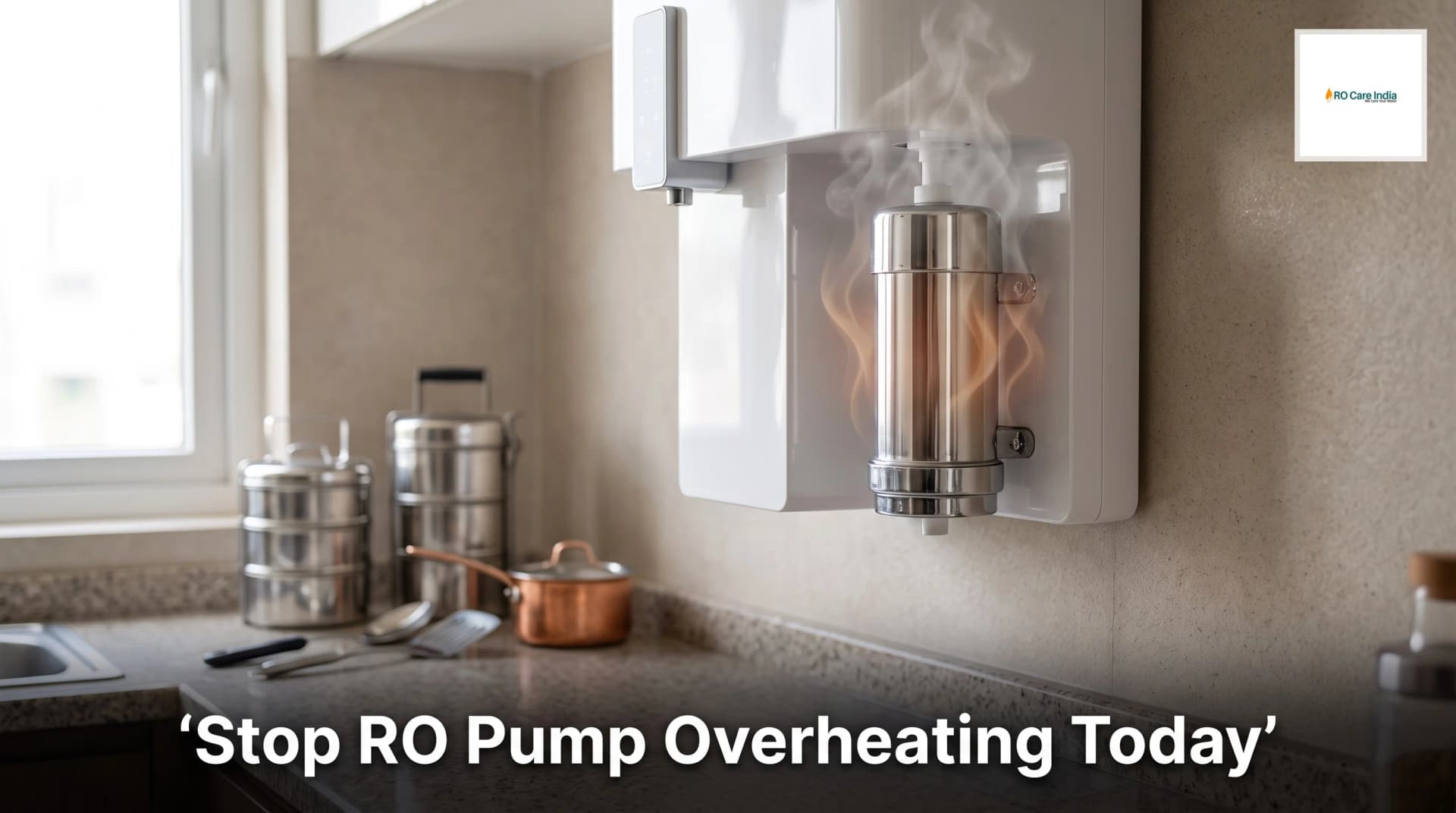
Aquaguard RO Pump Overheating : Causes and Prevention
RO water purifiers have become essential household appliances across Indian homes, ensuring clean and safe drinking water for families. However, like any mechanical device, these systems can develop issues over time, with pump overheating being one of the most common yet concerning problems. If you notice your water purifier making unusual sounds, producing less water than usual, or feeling excessively hot to touch, your RO pump might be overheating. Understanding why this happens and how to prevent it can save you from costly repairs and ensure continuous access to purified water. When facing persistent issues, reaching out to aquaguard ro repair service gurgaon professionals can provide the technical expertise needed to restore your system's optimal performance.
The pump is the heart of any RO water purification system, responsible for creating the necessary pressure to push water through the semi-permeable membrane. When this critical component starts overheating, it not only affects water production but can also lead to complete system failure if left unaddressed. Many homeowners across Indian cities experience this problem, especially during summer months when ambient temperatures soar above 40 degrees Celsius. The good news is that most overheating issues are preventable with proper maintenance and timely intervention.
In metropolitan areas like Gurgaon, Delhi, Mumbai, and Bangalore, where water quality varies significantly and TDS levels often exceed safe limits, RO systems work harder than in regions with better water quality. This additional strain on the pump increases the likelihood of overheating problems. Regular monitoring and maintenance become crucial in such scenarios. Contacting aquaguard customer care number gurgaon when you first notice symptoms can prevent minor issues from escalating into major breakdowns.
This comprehensive guide explores the various causes behind RO pump overheating, practical prevention strategies, and when to seek professional assistance. Whether you are experiencing this problem currently or want to prevent it from happening, understanding these aspects will help you maintain your water purifier's longevity and efficiency.
Understanding RO Pump Operation and Heat Generation
Before diving into overheating causes, it is essential to understand how an RO pump functions. The pump creates pressure typically ranging from 60 to 80 PSI, forcing water through multiple filtration stages including the RO membrane. This process naturally generates some heat through friction and electrical resistance. Under normal operating conditions, this heat dissipates quickly through the pump's casing and surrounding air.
Modern RO pumps are designed with thermal protection mechanisms that automatically shut down the motor when temperatures exceed safe thresholds. However, if your pump frequently triggers this safety feature or remains warm for extended periods, there is an underlying issue that needs attention. The pump motor typically operates for 10-15 minutes to fill the storage tank, after which it should rest until the water level drops again.
In India, where water supply is often irregular and contains higher sediment levels compared to many other countries, RO pumps face unique challenges. Municipal water in cities like Gurgaon may contain sand particles, rust, and other contaminants that increase operational stress on the pump. This is why services from professional maintenance providers become invaluable for ensuring proper system maintenance tailored to local water conditions.
Primary Causes of Aquaguard RO Pump Overheating
Insufficient Input Water Pressure
One of the most common reasons for pump overheating is inadequate inlet water pressure. When the incoming water pressure falls below 15-20 PSI, the pump works significantly harder to achieve the required pressure for RO filtration. This increased workload generates excessive heat and can cause the motor to run continuously without adequate rest periods. In areas with frequent water supply interruptions or buildings with overhead tanks at lower heights, this problem occurs regularly.
Clogged Pre-Filters and Sediment Buildup
Pre-filters serve as the first line of defense, removing larger particles before water reaches the RO membrane. When these filters become clogged with sediment, rust, and other contaminants, water flow becomes restricted. The pump must then generate higher pressure to maintain adequate flow, leading to overheating. In Indian conditions where TDS levels often exceed 500-1000 ppm, pre-filters require more frequent replacement than in regions with better water quality.
Blocked or Damaged RO Membrane
The RO membrane is the most critical and expensive component in the purification system. When this membrane becomes clogged with dissolved salts, bacteria, or scale deposits, water passage reduces dramatically. The pump compensates by running longer cycles at higher pressure, generating excessive heat in the process. Membrane life typically ranges from 2-3 years depending on water quality, but in areas with extremely hard water, replacement may be necessary sooner.
Faulty Auto Shut-Off Valve
The automatic shut-off valve stops the pump once the storage tank is full. When this valve malfunctions, the pump continues running even after the tank reaches capacity. This continuous operation without adequate rest causes the motor to overheat. Sometimes, the issue is not with the valve itself but with the pressure switch or sensing mechanism that controls it.
Electrical Issues and Voltage Fluctuations
Power supply problems are particularly common in India, where voltage fluctuations can range from 160V to 270V in residential areas. These variations force the pump motor to draw inconsistent current, generating additional heat. Similarly, loose electrical connections, corroded terminals, or inadequate wiring can increase resistance and heat generation. Using a stabilizer specifically designed for water purifiers can prevent many of these electrical issues.
Prevention Strategies for RO Pump Overheating
Regular Filter Maintenance Schedule
Establishing a systematic filter replacement schedule is the first defense against pump overheating. Sediment filters should be changed every 6-8 months, carbon filters every 10-12 months, and RO membranes every 24-36 months. However, these timelines vary based on water quality and usage patterns. Families in areas with high TDS or sediment-laden water should consider more frequent replacements. Professional services can assess your specific needs and recommend appropriate maintenance intervals.
Monitor Water Pressure and Flow
Install a pressure gauge on your RO system inlet to monitor incoming water pressure. If pressure consistently falls below 20 PSI, consider installing a booster pump or adjusting your overhead tank height. Regular monitoring helps identify pressure-related issues before they cause pump damage. Additionally, observe the rejection water flow from the drain line – reduced flow often indicates membrane clogging.
Ensure Proper Ventilation
RO systems need adequate airflow around the pump housing for heat dissipation. Avoid installing the unit in enclosed cabinets without ventilation or in direct sunlight. Maintain at least 4-6 inches of clearance on all sides of the purifier. During summer months in Indian cities where ambient temperatures exceed 35-40 degrees Celsius, this becomes even more critical.
Use Voltage Stabilizers
Invest in a good quality voltage stabilizer rated for at least 500-700 VA specifically designed for water purifiers. This protects the pump motor from voltage fluctuations common in Indian electrical systems. Modern stabilizers feature wide input voltage ranges (90-300V) and provide stable output regardless of input variations.
Annual Professional Service
While regular filter changes can be done at home, comprehensive annual servicing by trained technicians is essential. Professional service includes checking all valves, testing pressure switches, inspecting electrical connections, and sanitizing the storage tank. Scheduled maintenance ensures your system receives expert attention and genuine replacement parts.
Warning Signs of Pump Overheating Issues
Recognizing early warning signs can prevent complete pump failure. Watch for these indicators:
- Unusual buzzing or grinding noises from the pump
- Pump running continuously without shutting off
- Reduced water production despite full source water tank
- Pump body feeling excessively hot to touch after normal operation
- Frequent tripping of the thermal cutoff switch
- Increased electricity consumption
- Foul smell coming from the purifier unit
- Storage tank taking unusually long to fill
When you notice any of these symptoms, immediately switch off the power supply and contact professionals. Expert service providers can diagnose the exact cause and provide appropriate solutions.
Comparing RO Pump Maintenance Options
| Maintenance Type | Frequency | Cost Range (INR) | DIY Possible | Professional Required |
|---|---|---|---|---|
| Sediment Filter Change | 6-8 months | 200-400 | Yes | No |
| Carbon Filter Change | 10-12 months | 300-600 | Yes | No |
| RO Membrane Replacement | 24-36 months | 1500-3500 | Difficult | Recommended |
| Pump Inspection | 12 months | Part of AMC | No | Yes |
| Complete System Service | 12 months | 1000-2000 | No | Yes |
| Electrical Connection Check | 12 months | Included in service | No | Yes |
When to Replace Rather Than Repair
While many overheating issues can be resolved through repairs and maintenance, certain situations warrant complete pump replacement. If your pump has operated for more than 5 years and experiences frequent overheating despite proper maintenance, replacement is often more economical than repeated repairs. Similarly, if the pump motor windings are damaged due to prolonged overheating, repair costs may approach or exceed replacement costs.
Modern RO pumps available in 2026 feature improved thermal management, energy efficiency, and longer operational life. When considering replacement, consult with experts who understand local water conditions. Professional technicians can recommend appropriate pump specifications based on your water quality, household size, and usage patterns.
Quality replacement pumps from reputed manufacturers typically cost between INR 2000-5000 depending on specifications. While this seems expensive, it is justified considering the pump's critical role and expected 5-7 year lifespan with proper care.
Impact of Water Quality on Pump Performance
Indian water quality varies dramatically across regions. Cities like Gurgaon, Delhi, and Bangalore often have TDS levels exceeding 500 ppm, while some areas report levels above 1500 ppm. High TDS water increases the workload on RO membranes and pumps, accelerating wear and raising overheating risks. Similarly, water with high hardness causes scale deposits that restrict flow through filters and membranes.
If your area has particularly challenging water quality, consider pre-treatment options like softeners or additional sediment filters. While this increases initial investment, it significantly extends pump and membrane life while reducing overheating incidents. Local service providers familiar with regional water characteristics can recommend appropriate pre-treatment solutions.
Cost Analysis of Prevention Versus Repair
Prevention is invariably more economical than dealing with pump failures. Regular filter replacements cost approximately INR 1500-2500 annually, while an AMC (Annual Maintenance Contract) typically ranges from INR 2000-4000 per year. Compare this to emergency repairs which can cost INR 1500-3000 per incident, plus the inconvenience of being without purified water.
A burnt pump motor replacement costs between INR 2500-4500 including labor, while damaged membranes due to overworked pumps cost INR 1500-3500. Additionally, emergency service calls during weekends or holidays often carry premium charges. These figures demonstrate that investing in preventive maintenance provides excellent value.
Conclusion
RO pump overheating is a preventable problem that requires awareness, regular maintenance, and prompt attention to warning signs. By understanding the causes ranging from clogged filters and membrane blockages to electrical issues and inadequate ventilation, homeowners can take proactive steps to protect their investment. Establishing a regular maintenance schedule, monitoring system performance, and ensuring proper operating conditions significantly reduce overheating risks.
The quality of your drinking water depends on a properly functioning RO system, and the pump is its most vital component. Do not ignore early warning signs like unusual noises, extended running times, or excessive heat generation. When issues arise, seeking professional assistance ensures expert diagnosis and appropriate solutions using genuine parts.
Remember that water quality conditions in Indian cities place unique demands on purification systems. What works in regions with naturally pure water may be insufficient where TDS levels regularly exceed 1000 ppm. Tailoring maintenance practices to local conditions, investing in voltage protection, and scheduling annual professional service creates the foundation for reliable, long-term performance. With proper care and attention, your RO system will continue providing safe, clean drinking water for your family while avoiding the frustrations and expenses associated with pump overheating problems.
Aquaguard RO pump overheating can signal serious issues that compromise your water purifier's efficiency and lifespan. Common causes include continuous operation due to faulty auto-shut valves, clogged filters restricting water flow, low input water pressure forcing the pump to work harder, and inadequate ventilation around the unit. Prevention starts with regular maintenance: replace pre-filters every 6-8 months, ensure input pressure stays between 40-60 PSI, keep the purifier in a well-ventilated area away from direct sunlight, and check that the storage tank's air pressure valve functions correctly to prevent constant pump cycling. Installing a voltage stabilizer protects against electrical fluctuations that strain the motor. Learn more about maintaining optimal RO performance through scheduled professional servicing every six months, which includes checking electrical connections, cleaning components, and testing the automatic shut-off mechanism to ensure your pump operates within safe temperature ranges.
Related Blogs
- Why Eureka Forbes RO Display Panel Not Responding in Mumbai: How to Fix it?
- Kent RO Booster Pump Failure in Pune: Signs and Replacement Cost
- Why Aquaguard RO Pump Overheating in Gurgaon: Causes and Prevention
- Why Kent RO Purifier Humming Sound in nagpur But No Water: What to Do?
- Aquaguard Runs Continuously Without Stopping in Kolkata: What's Wrong?