
Why Kent RO Membrane Not Rejecting TDS in Gurgaon: What to Do?
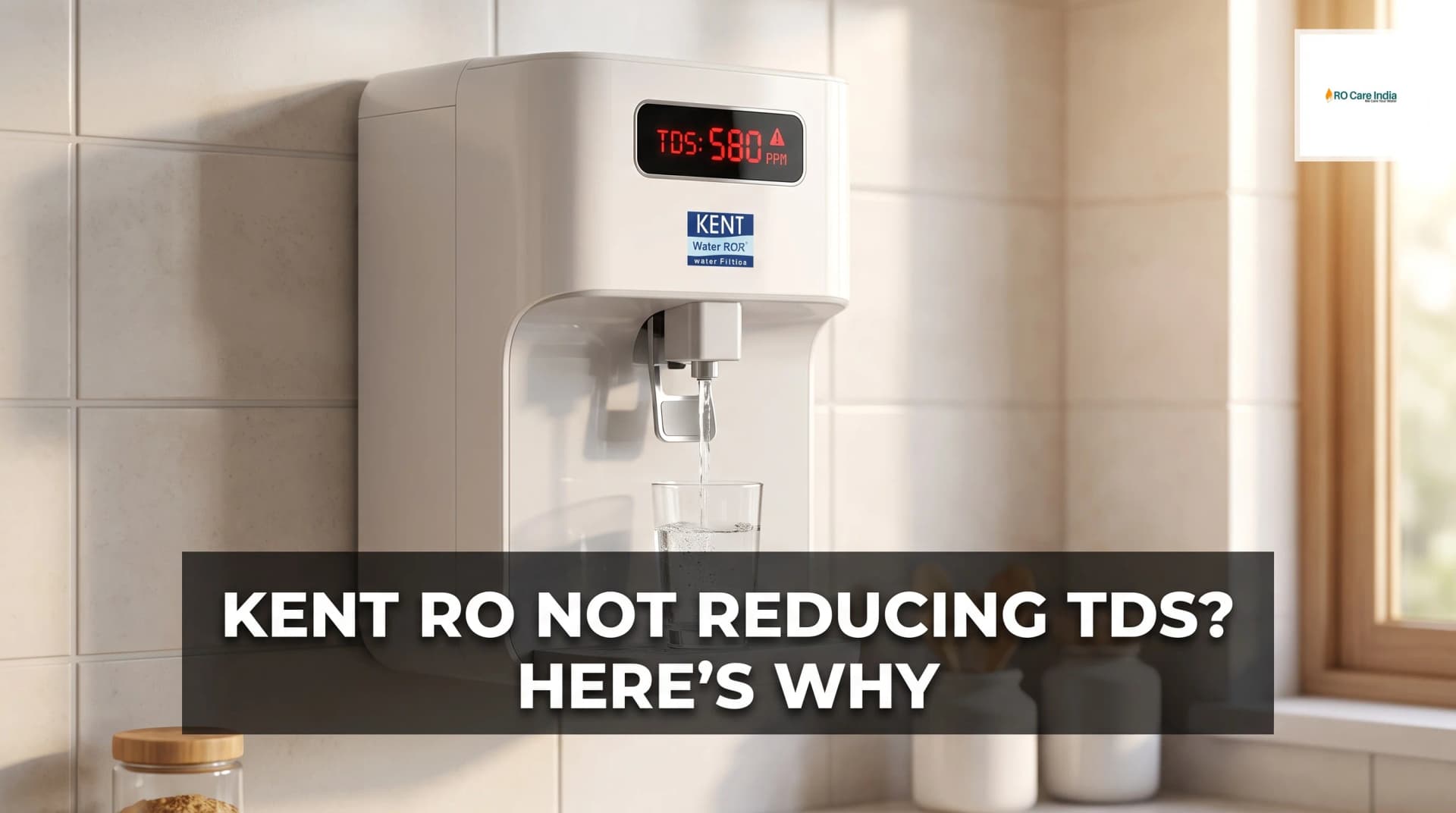
Why Kent RO Membrane Not Rejecting TDS in Gurgaon: What to Do?
Water quality concerns are at an all-time high in Gurgaon, and homeowners increasingly rely on reverse osmosis systems to ensure safe drinking water. When your water purifier suddenly stops performing its primary function of reducing Total Dissolved Solids, it can be alarming and frustrating. Many residents discover that their purified water tastes different, leaves residue on utensils, or shows high TDS readings on test meters. Understanding why your RO membrane fails to reject TDS properly is the first step toward restoring your water quality. The good news is that most membrane-related issues are fixable with proper diagnosis and timely intervention from a Kent ro repair service center gurgaon. This comprehensive guide will walk you through the common causes behind TDS rejection failure and actionable solutions to restore your purifier's performance.
Before diving into troubleshooting, it is essential to understand that RO membranes are the heart of any water purification system. These semi-permeable filters work by allowing water molecules to pass through while blocking dissolved salts, heavy metals, and other contaminants. When the membrane functions correctly, it should reduce TDS levels by approximately 90-95 percent. However, various factors can compromise this efficiency, leading to higher TDS levels in purified water than expected.
Gurgaon's water supply presents unique challenges due to its high hardness levels and fluctuating TDS concentrations ranging from 500 to 2000 parts per million in different localities. Such extreme water conditions put additional stress on RO membranes, potentially reducing their lifespan and effectiveness. Regular monitoring and maintenance become crucial in these scenarios to ensure consistent water quality.
If you notice your purified water has a salty taste, white deposits on glasses, or if your TDS meter shows readings above 50-70 ppm, your membrane likely needs attention. Ignoring these warning signs can lead to complete membrane failure and expose your family to contaminated water. Seeking professional RO water purifier service promptly can prevent costly repairs and health risks.
Common Causes of TDS Rejection Failure
Membrane Deterioration and Aging
RO membranes typically have a lifespan of 2-3 years depending on water quality and usage patterns. Over time, the membrane material degrades due to constant exposure to dissolved salts, chlorine, and other chemicals. When the membrane ages, tiny tears or pores develop in the filter material, allowing TDS particles to pass through unchecked. This natural wear and tear accelerates in areas with extremely hard water or high sediment levels.
Additionally, chemical fouling occurs when substances like iron, manganese, or silica accumulate on the membrane surface. These deposits create a layer that prevents proper filtration and allows contaminants to bypass the purification process. Biological fouling from bacteria and algae growth can similarly compromise membrane integrity, especially if the pre-filters are not changed regularly.
Pre-Filter Saturation and Contamination
The sediment and carbon pre-filters serve as the first line of defense, protecting the RO membrane from larger particles and chlorine. When these filters become saturated, they can no longer perform their protective function effectively. Sediment particles then reach the membrane, causing physical damage and reducing TDS rejection capability. Carbon filter exhaustion means chlorine reaches the membrane, which is particularly damaging to thin-film composite membranes commonly used in modern systems.
Many homeowners overlook pre-filter replacement schedules, assuming the membrane itself is the only critical component. However, failing to change sediment filters every 6-8 months and carbon filters every 8-12 months directly impacts membrane performance. Contacting a Kent RO service center near me for scheduled filter replacements ensures optimal protection for your membrane investment.
High Input Water Pressure Issues
Reverse osmosis requires adequate water pressure to force molecules through the semi-permeable membrane. Most systems need 40-60 PSI to function correctly. When input pressure drops below this threshold, the membrane cannot effectively separate TDS from water molecules, resulting in higher TDS levels in purified water. Low pressure issues often stem from municipal supply fluctuations, clogged pre-filters, or malfunctioning booster pumps.
Conversely, excessively high pressure above 80 PSI can damage the membrane structure, creating microscopic tears that allow TDS passage. Pressure-related problems require immediate attention to prevent permanent membrane damage and ensure consistent water quality.
Troubleshooting Steps Before Calling for Service
Initial Diagnostic Checks
Start by measuring the TDS of both input and output water using a reliable digital TDS meter. Record readings from the raw water tap, water before RO membrane, and final purified water. This three-point measurement helps isolate whether the problem lies in pre-filtration or membrane rejection. If the TDS reduction is less than 80 percent, your system definitely needs attention.
Check the rejection water flow from the drain line. A significantly reduced drain flow indicates membrane clogging or pressure problems. Healthy RO systems typically reject 3-4 liters of water for every liter of purified water produced. When this ratio changes dramatically, it signals membrane or pressure-related issues requiring professional intervention.
Inspect all visible tubing connections for leaks, kinks, or damage. Even small leaks in the high-pressure side can reduce system efficiency and TDS rejection rates. Tighten any loose connections and replace damaged tubing before assuming membrane failure.
Filter Replacement Protocol
Replace all pre-filters systematically, starting with the sediment filter. After installation, flush the system for 10-15 minutes before testing TDS levels again. If replacing pre-filters restores normal TDS rejection, you have identified and solved the problem without membrane replacement.
Install fresh carbon filters and repeat the flushing process. Carbon filter replacement often resolves taste and odor issues while protecting the membrane from chlorine damage. Document filter replacement dates to establish a maintenance schedule that prevents future problems.
Professional Solutions and Membrane Care
When to Replace the RO Membrane
If diagnostic checks and filter replacements do not restore proper TDS rejection, membrane replacement becomes necessary. Professional technicians from RO water purifier service providers can perform membrane autopsy tests to confirm failure. They measure membrane performance under controlled conditions, determining whether cleaning or replacement is the appropriate solution.
Membrane replacement costs in Gurgaon typically range from INR 1500 to INR 4000 depending on membrane quality and brand specifications. While this seems expensive, it is significantly more cost-effective than purchasing a new purifier system. Quality membranes from authorized service centers come with warranties and performance guarantees.
Membrane Cleaning and Restoration
In some cases, professional membrane cleaning can restore TDS rejection capability without full replacement. This process involves chemical treatment to dissolve scale deposits, biological growth, and organic fouling. Specialized cleaning solutions break down accumulated contaminants, allowing the membrane to function properly again.
However, cleaning is only effective if the membrane has not suffered physical damage. Trained technicians assess membrane condition before recommending cleaning versus replacement. This diagnostic service from a Kent ro repair service center gurgaon ensures you invest in the most appropriate solution for your specific situation.
Preventive Maintenance for Long-Term Performance
Regular Service Schedules
Establishing a preventive maintenance routine dramatically extends membrane lifespan and maintains consistent TDS rejection. Schedule professional servicing every six months, which should include pre-filter replacement, system sanitization, and performance testing. Annual comprehensive servicing should include membrane cleaning, pressure testing, and component inspection.
Maintain a service logbook documenting all maintenance activities, TDS readings, and component replacements. This record helps identify patterns and predict when major components need attention before complete failure occurs. Many service providers offer annual maintenance contracts that ensure regular servicing at discounted rates.
Water Quality Monitoring
Invest in a quality TDS meter and test your water weekly. Establishing baseline readings helps detect gradual performance degradation before it becomes critical. Sudden TDS spikes indicate immediate problems requiring professional attention, while gradual increases suggest normal membrane aging.
Consider installing a pre-filter for extremely hard water situations. Additional sediment filtration and water softening can significantly reduce stress on RO membranes, extending their functional lifespan from 2-3 years to 4-5 years in some cases.
Types of Membrane Failures and Solutions
Physical Damage and Tears
Physical membrane damage results from pressure surges, manufacturing defects, or improper installation. This type of failure shows as dramatically increased TDS levels overnight rather than gradual degradation. The only solution is immediate membrane replacement, as physical tears cannot be repaired through cleaning or chemical treatment.
Chemical and Scale Fouling
Chemical fouling creates a reversible condition in many cases. Professional descaling treatments using citric acid or specialized membrane cleaners can dissolve calcium carbonate, magnesium deposits, and iron buildup. This restoration process takes 4-6 hours and costs significantly less than membrane replacement.
Biological Contamination
Bacterial and algal growth on membranes requires both chemical sanitization and potential membrane replacement depending on contamination severity. Prevention through regular carbon filter replacement and system sanitization proves far more economical than dealing with severe biological fouling.
Conclusion
Understanding why your RO membrane fails to reject TDS properly empowers you to take appropriate corrective action quickly. Whether the issue stems from aging filters, pressure problems, or actual membrane deterioration, timely diagnosis and intervention prevent extended exposure to contaminated water. Regular maintenance, proper filter replacement schedules, and professional servicing ensure your purifier continues delivering safe, low-TDS water for years to come. When problems arise beyond basic troubleshooting, consulting qualified technicians ensures proper diagnosis and cost-effective solutions. Investing in preventive care today saves money on emergency repairs tomorrow while protecting your family's health through consistent access to pure drinking water.
Learn more about the science behind RO membrane performance and how Gurgaon's unique water composition affects filtration efficiency. Discover how factors like water pressure, membrane lifespan, and pre-filter maintenance directly impact TDS rejection rates in your purifier system. Stay informed about the warning signs of membrane degradation and explore further into preventive maintenance schedules that can help you maintain optimal water quality throughout the year.
Related Blogs
- Aquaguard RO Filter Change Light Not Turning Off in Gurgaon: Troubleshooting
- Why Does My Aquaguard Waste So Much Water in Gurgaon? (Membrane & Reject Ratio Issues)
- Aquaguard UV Lamp Replacement in Bangalore: When and Why It's Needed
- Aquaguard Purifier Air Lock Problem in Gurgaon: How to Identify and Fix It
- Aquaguard RO Pump Overheating : Causes and Prevention