
Why Does My Aquaguard Waste So Much Water in Gurgaon? (Membrane & Reject Ratio Issues)
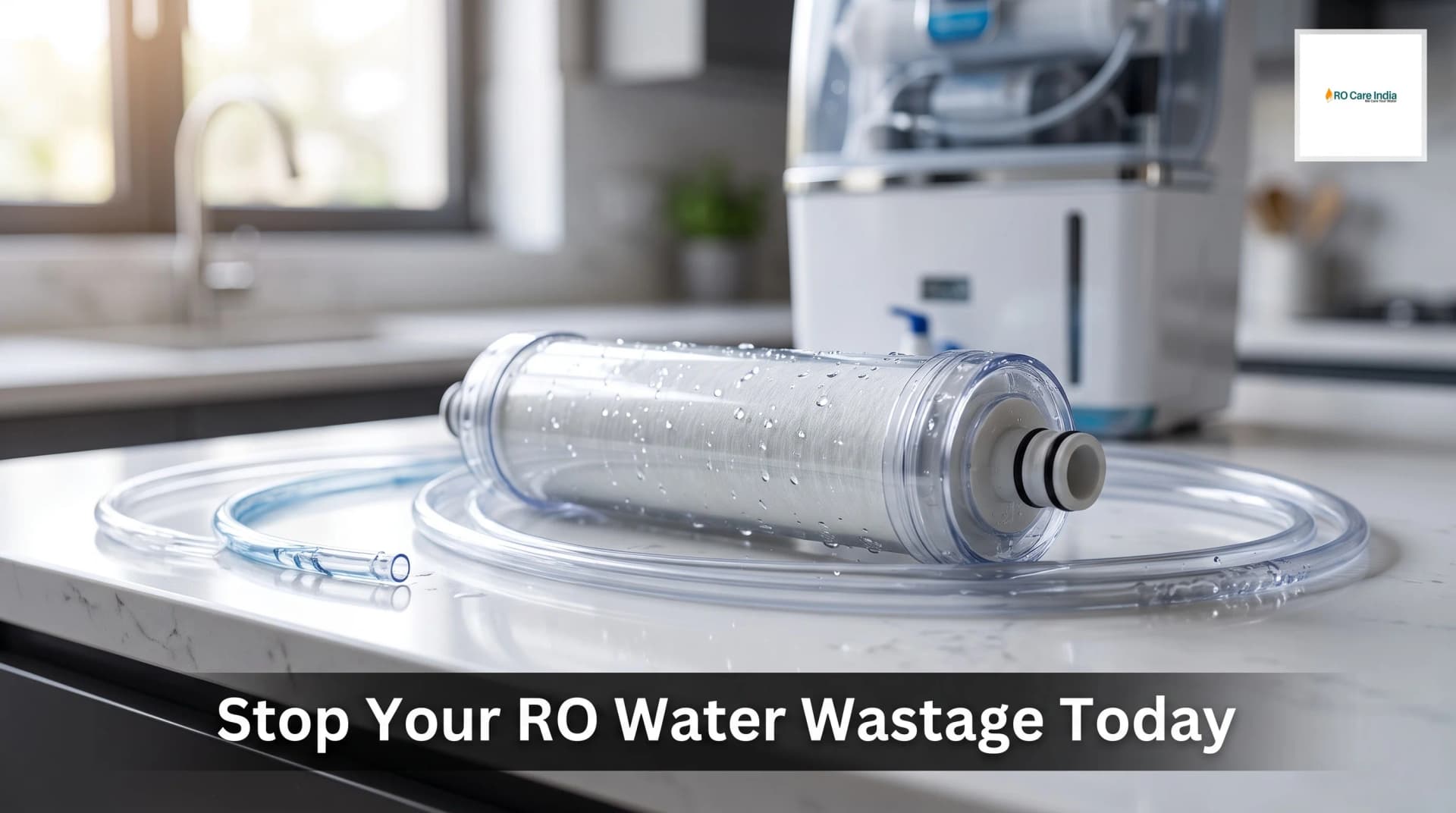
Why Does My Aquaguard Waste So Much Water in Gurgaon? (Membrane & Reject Ratio Issues)
If you have noticed your water purifier draining excessive amounts of water, you are not alone. Many households in Gurgaon face this frustrating problem where their Aquaguard system seems to waste more water than it purifies. This issue often stems from membrane degradation and incorrect reject ratios, which are common in areas with hard water and high TDS levels. Understanding why your purifier wastes water and knowing when to contact an Aquaguard repair service center near me gurgaon can help you save thousands of liters annually while maintaining optimal drinking water quality. The good news is that most water wastage problems can be fixed with proper maintenance and timely repairs from qualified technicians.
Water wastage in RO purifiers has become a pressing concern in 2026, especially in cities like Gurgaon where water scarcity is a real challenge. When your purifier rejects more water than necessary, it not only increases your utility bills but also contributes to environmental stress. The reject water ratio, which should ideally be between 1:3 to 1:4 for most RO systems, can sometimes climb to alarming levels of 1:8 or even 1:10 when components malfunction. This means for every liter of purified water, your system might be wasting eight to ten liters.
The primary culprit behind excessive water wastage is usually a failing RO membrane or incorrectly calibrated reject ratio settings. Gurgaon's water supply typically contains TDS levels ranging from 500 to 1200 ppm, which puts considerable strain on purification membranes. Over time, these membranes become clogged with dissolved solids, minerals, and contaminants, forcing the system to work harder and reject more water to maintain output quality. Regular servicing from professionals at an Aquaguard customer care number gurgaon can prevent this problem from escalating.
Most homeowners do not realize that water wastage directly correlates with the lifespan and condition of their purifier's components. A well-maintained system with fresh filters and a healthy membrane will operate efficiently, while a neglected one will drain your water supply unnecessarily. Recognizing the warning signs early and taking corrective action can make a significant difference in your monthly water consumption and purifier performance.
Understanding RO Membrane Function and Failure
The reverse osmosis membrane is the heart of your water purifier, responsible for removing up to 90-95% of dissolved impurities from your water supply. This semi-permeable membrane works by allowing water molecules to pass through while blocking larger contaminant particles. In Gurgaon, where groundwater and municipal supply often contain high concentrations of calcium, magnesium, chlorides, and sulfates, the membrane faces constant assault from these dissolved solids.
When a membrane begins to fail, it cannot effectively separate pure water from reject water. The system compensates by increasing the reject ratio to maintain acceptable TDS levels in the output water. This is why you might notice your purifier producing the same quality water but wasting significantly more in the process. A healthy membrane typically lasts 2-3 years under normal conditions, but in areas with extremely hard water, this lifespan can reduce to 18-24 months.
Signs of membrane degradation include reduced water flow rate, change in water taste, visible scaling on components, and most notably, increased reject water output. The membrane pores can become blocked with mineral deposits, biofilm formation, or chemical fouling. When multiple pores are compromised, the entire filtration efficiency drops, and the system must work overtime to produce clean water. Professional diagnosis from certified technicians can determine whether your membrane needs cleaning or complete replacement.
Membrane failure does not happen overnight. It progresses gradually, giving you several warning signs before complete breakdown. Regular TDS testing of both input and output water can help you monitor membrane health. If your output TDS suddenly increases or your reject water ratio changes dramatically, immediate professional inspection is necessary and proper ro service in gurgaon is required
The Reject Ratio Problem Explained
The reject ratio, also called recovery ratio, determines how much water your purifier converts into drinking water versus how much it sends to drain. Standard RO systems are designed to operate at specific reject ratios based on input water quality. For water with TDS levels between 200-500 ppm, a ratio of 1:3 is acceptable. However, for Gurgaon's harder water with TDS exceeding 800 ppm, ratios can legitimately reach 1:4 or even 1:5.
The problem arises when this ratio becomes skewed due to component failure, incorrect installation, or improper maintenance. Several factors can push your reject ratio beyond acceptable limits:
Clogged pre-filters reduce water pressure reaching the RO membrane, forcing the system to reject more water to maintain output pressure and quality. Pre-filters including sediment filters and carbon filters should be replaced every 6-8 months in areas with poor water quality.
Flow restrictor malfunction can significantly impact reject ratios. This small component controls the rate at which reject water exits the system. When it becomes blocked or damaged, it disrupts the entire purification balance, leading to excessive wastage.
Inadequate feed water pressure is another common issue in Gurgaon apartments and independent houses. RO systems require minimum inlet pressure of 40-60 PSI to function efficiently. Lower pressure forces the system to run longer cycles, wasting more water to produce the same quantity of purified water.
Old or contaminated storage tanks can also contribute to perceived water wastage. When the tank membrane fails, it affects the entire system's pressure balance, causing the purifier to cycle more frequently and reject additional water with each cycle.
Here is a comparison of normal versus problematic reject ratios:
Input TDS Level | Normal Reject Ratio | Problem Reject Ratio | Water Wasted per 10L Purified |
|---|---|---|---|
200-400 ppm | 1:2 to 1:3 | 1:6 to 1:8 | 30L vs 60-80L |
400-800 ppm | 1:3 to 1:4 | 1:8 to 1:10 | 40L vs 80-100L |
800-1200 ppm | 1:4 to 1:5 | 1:10 to 1:12 | 50L vs 100-120L |
Contacting professional technicians for system calibration can restore your system to optimal reject ratios and save substantial water.
Practical Solutions and Maintenance Tips
Addressing water wastage requires a systematic approach combining regular maintenance, timely repairs, and smart water management. Start by scheduling annual maintenance with certified technicians who can inspect all components, test reject ratios, and replace worn parts before they cause major problems.
Consider these actionable steps to reduce water wastage:
Install a reject water recovery system that collects and stores reject water for secondary uses like gardening, mopping, car washing, and toilet flushing. A simple collection tank can save 50-100 liters daily in an average household.
Monitor your purifier's performance by checking the reject water flow regularly. If you notice the drain line running constantly or producing significantly more water than before, immediately contact professional service providers for inspection.
Replace pre-filters on schedule without waiting for complete clogging. Sediment and carbon filters are inexpensive compared to the water they help save when functioning properly.
Test your input water pressure using a simple pressure gauge. If pressure falls below 40 PSI, consider installing a booster pump to improve efficiency and reduce water wastage.
Clean the RO membrane every 6-12 months using professional chemical cleaning services. This process can extend membrane life by 30-40% and restore original efficiency levels.
Adjust settings seasonally because water quality changes throughout the year in Gurgaon. Monsoon water typically has different characteristics than summer groundwater, requiring periodic adjustments to maintain optimal performance.
Upgrade to newer technology if your purifier is over 5-7 years old. Modern systems from 2026 feature improved membranes with better recovery ratios, smart sensors that optimize reject ratios automatically, and energy-efficient pumps that reduce both water and electricity wastage.
When to Seek Professional Help
While basic maintenance can be handled by homeowners, certain situations demand professional expertise. Contact qualified technicians immediately if you experience sudden changes in water taste or odor, dramatic increase in reject water output, unusual noises from the purifier, or complete stoppage of water production.
Professional technicians have specialized tools to measure exact reject ratios, test membrane integrity, calibrate flow restrictors, and diagnose complex issues that are not apparent to untrained eyes. They can also provide detailed water quality reports showing TDS levels, pH balance, and contamination levels in both input and output water.
The cost of professional service typically ranges from INR 500 to INR 2000 for routine maintenance and diagnostics in Gurgaon. Major repairs involving membrane replacement might cost INR 2500 to INR 4500, but this investment pays for itself through reduced water wastage within 6-12 months.
Conclusion
Excessive water wastage from your water purifier is a solvable problem that requires understanding the underlying causes and taking prompt corrective action. Membrane degradation and incorrect reject ratios are the primary culprits, both of which can be addressed through regular maintenance and professional servicing. By monitoring your system's performance, replacing components on schedule, and utilizing reject water wisely, you can significantly reduce wastage while ensuring your family continues to receive safe drinking water. Remember that investing in timely repairs and maintenance is far more economical than allowing problems to escalate while wasting precious water resources. Take action today to optimize your purifier's efficiency and contribute to water conservation in Gurgaon.
Discover how membrane quality and reject ratio settings directly impact your Aquaguard's water efficiency in Gurgaon's hard water conditions. Learn more about TDS levels, optimal recovery rates, and when membrane replacement becomes necessary to reduce wastage. Explore further insights on balancing purification quality with conservation in high-TDS environments.