
Why RO Dripping Constantly in Kolkata: Common Causes Explained
Why RO Dripping Constantly in Kolkata: Common Causes Explained
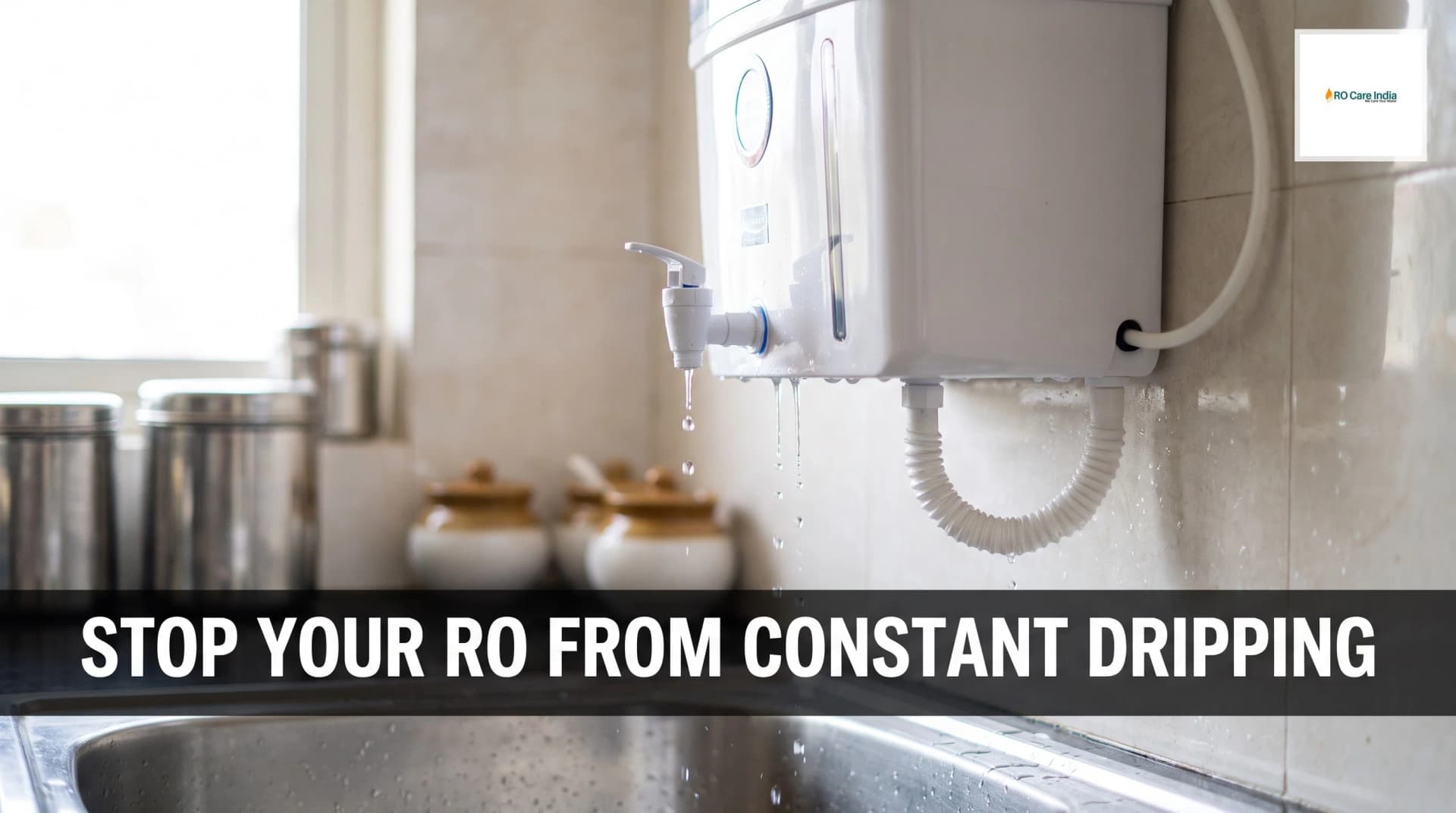
If you have noticed water constantly dripping from your RO water purifier in Kolkata, you are not alone. This is one of the most common complaints among RO users across the city, and it can be both annoying and wasteful. A dripping RO system not only increases your water bill but also signals that something might be wrong with your purifier. Understanding why this happens is crucial for maintaining your water purifier and ensuring it works efficiently. Whether you need immediate assistance or just want to understand the problem better, knowing when to contact ro service kolkata can save you time, money, and unnecessary frustration. In this comprehensive guide, we will explore the most common reasons behind constant RO dripping, practical solutions you can try at home, and when professional intervention becomes necessary.
Many households in Kolkata depend on RO water purifiers to get clean and safe drinking water. The city's water supply often contains high levels of total dissolved solids (TDS), making RO purification essential. However, when your purifier starts dripping constantly, it defeats the purpose of water conservation. Some dripping is normal during the purification process, but excessive or continuous dripping indicates underlying issues. From faulty components to water pressure problems, several factors contribute to this common problem. Understanding these causes helps you take appropriate action before the problem escalates.
The good news is that most dripping issues can be diagnosed and resolved relatively easily. Some problems require simple adjustments, while others need replacement parts or professional attention. By learning about the common causes, you can determine whether you need to call ro service near me or if you can handle the situation yourself. This knowledge empowers you to make informed decisions about your water purifier maintenance.
Throughout this article, we will break down each potential cause of constant RO dripping, explain why it happens, and provide actionable solutions. We will also discuss preventive measures to avoid future dripping problems and help you maintain your RO system in optimal condition for years to come.
Understanding Normal RO Water Wastage vs Constant Dripping
Before diving into the causes of constant dripping, it is important to distinguish between normal RO water wastage and abnormal continuous dripping. Every RO water purifier produces some reject water as part of the purification process. This is completely normal and expected. Typically, an RO system rejects 3 to 4 liters of water for every liter of purified water it produces. This reject water flows out through the drain pipe during the purification cycle.
However, constant dripping that occurs even when the storage tank is full indicates a problem. A properly functioning RO system should stop all water flow once the storage tank reaches full capacity. The automatic shut-off valve is designed to stop both purification and drainage when the tank is full. If water continues to drip from the drain pipe or any other part of the system after the tank is full, you are dealing with an abnormal situation that needs attention.
In Kolkata's climate and water conditions, RO systems face unique challenges. The high humidity can affect certain components, while fluctuating water pressure in different areas of the city can impact system performance. Additionally, the quality of incoming water varies significantly across neighborhoods, from areas near the Hooghly River to localities in the eastern and southern parts of the city. These factors can all contribute to dripping issues.
Understanding this distinction helps you assess whether your RO system needs immediate attention. If the dripping occurs only during the purification cycle and stops when the tank is full, your system is likely functioning normally. But if the dripping never stops, regardless of tank status, you should investigate further or contact ro customer care number kolkata for professional diagnosis and repair.
Common Causes of Constant RO Dripping
Faulty or Worn Out Check Valve
The check valve, also called the non-return valve, plays a critical role in preventing backflow of water in your RO system. This small but essential component ensures that purified water flows only in one direction into the storage tank. When the check valve becomes faulty or worn out, it fails to create a proper seal, allowing water to flow backward. This backward flow causes constant dripping from the drain line even when the tank is full.
Check valves can deteriorate over time due to mineral deposits from Kolkata's hard water, general wear and tear, or manufacturing defects. Signs of a faulty check valve include continuous dripping, reduced water flow to the storage tank, and the tank taking longer to fill. The valve is usually located between the RO membrane housing and the storage tank.
Replacing a check valve is relatively inexpensive and straightforward for someone with basic technical knowledge. However, if you are not comfortable working with plumbing components, it is better to call professional technicians for assistance. A technician can quickly identify if the check valve is the culprit and replace it within minutes. The cost of a new check valve typically ranges from 150 to 400 rupees in Kolkata, depending on the brand and quality.
Regular maintenance can extend the life of your check valve. During annual servicing, technicians should inspect this component for wear and replace it if necessary. Preventive replacement every two to three years can help avoid unexpected dripping problems.
Malfunctioning Automatic Shut-Off Valve
The automatic shut-off valve, or ASO valve, is perhaps the most common cause of constant RO dripping in Kolkata homes. This valve is designed to stop water flow to the RO membrane when the storage tank is full. It works in conjunction with the air pressure in the tank to sense when purification should stop. When the ASO valve malfunctions, it fails to shut off the water supply, resulting in continuous purification and constant dripping from the drain line.
Several factors can cause ASO valve failure. Sediment and debris from Kolkata's municipal water supply can clog the valve mechanism, preventing it from closing properly. Mineral buildup from hard water can also affect the valve's moving parts. Additionally, the valve's internal spring and diaphragm can wear out over time, losing their ability to create a proper seal.
Symptoms of a faulty ASO valve include constant dripping even when the tank is full, the RO pump running continuously, and excessive water wastage. You might also notice that your electricity bill has increased slightly due to the pump running non-stop. The ASO valve is typically located before the RO membrane housing and has multiple inlet and outlet ports.
Cleaning the ASO valve can sometimes resolve the issue if sediment is the problem. However, if the internal components are worn out, replacement is necessary. ASO valves cost between 300 to 800 rupees in Kolkata markets, depending on quality and brand compatibility. Professional installation is recommended to ensure proper connection and functioning.
Problems with the Storage Tank
The storage tank itself can be a source of dripping issues, particularly problems related to the internal air bladder and pressure. RO storage tanks use air pressure to push purified water out when you open the faucet. The tank has two compartments separated by a bladder: one side holds water, and the other contains compressed air. Proper air pressure in the tank is essential for the automatic shut-off system to work correctly.
When the air pressure in the tank is too low, the ASO valve cannot sense when the tank is full, resulting in continuous purification and dripping. The recommended air pressure for most RO tanks is between 6 to 8 psi when the tank is empty. You can check the pressure using a standard tire pressure gauge on the air valve, usually located at the bottom of the tank. If the pressure is low, you can use a bicycle pump or air compressor to add air.
A damaged or ruptured bladder is another tank-related problem that causes dripping. When the bladder fails, water and air mix, and the tank loses its ability to maintain proper pressure. Signs of a damaged bladder include very low water pressure from the faucet even when the tank is full, water coming out of the air valve, and the tank feeling lighter than usual. Unfortunately, a ruptured bladder cannot be repaired, and the entire tank needs replacement.
Tank replacement costs in Kolkata vary based on capacity, typically ranging from 1200 to 3000 rupees for standard residential tanks holding 8 to 12 liters. When replacing the tank, ensure you get one compatible with your RO system. Professional installation ensures proper connection to your existing system and correct air pressure setting.
High Inlet Water Pressure
Water pressure issues are particularly common in Kolkata due to variations in municipal water supply across different areas. Some neighborhoods, especially those at lower elevations or near major supply lines, experience higher water pressure than the recommended range for RO systems. Most RO water purifiers are designed to operate optimally with inlet water pressure between 40 to 60 psi. When the pressure exceeds this range, it can cause several problems, including constant dripping.
High water pressure can prevent the automatic shut-off valve from functioning properly. The excessive pressure overcomes the valve's ability to close completely, allowing water to continue flowing to the membrane even when the tank is full. This results in continuous purification and constant dripping from the drain line. High pressure can also damage other components like the membrane housing and filter housings, potentially causing leaks.
You can measure your home's water pressure using a pressure gauge that attaches to any faucet or outdoor hose connection. These gauges are available at hardware stores in Kolkata for 200 to 500 rupees. If your water pressure exceeds 60 psi, installing a pressure regulator or pressure reducing valve is necessary. This device installs on the main water supply line before it reaches the RO system and maintains consistent, safe pressure.
Pressure regulators cost between 800 to 2000 rupees depending on quality and capacity. Installation requires some plumbing knowledge, so professional installation is recommended. Many service providers offer pressure testing and regulator installation as part of their service package. Once installed, a pressure regulator not only stops the dripping problem but also extends the life of your RO system components.
Clogged or Damaged Drain Line Flow Restrictor
The drain line flow restrictor is a small but vital component that controls the rate at which reject water flows out of the system during purification. This restrictor maintains the proper balance between purified water production and reject water drainage, ensuring optimal membrane performance. When the flow restrictor becomes clogged with sediment or damaged, it disrupts this balance and can cause dripping issues.
A clogged flow restrictor reduces the reject water flow rate, causing backpressure in the system. This backpressure can prevent the automatic shut-off valve from working properly, leading to constant dripping. Conversely, a damaged or missing flow restrictor allows reject water to flow too freely, which can also interfere with the shut-off mechanism and cause continuous dripping.
The drain line flow restrictor is usually located in the drain line between the RO membrane housing and the drain outlet. It looks like a small cylindrical piece with a tiny hole in the center. Over time, sediment from Kolkata's water supply can accumulate in this hole, reducing flow. Removing and cleaning the restrictor can often resolve the problem. Soak it in warm water mixed with vinegar to dissolve mineral deposits.
If cleaning does not solve the issue or if the restrictor is cracked or damaged, replacement is necessary. Flow restrictors are inexpensive, typically costing between 100 to 300 rupees in Kolkata. However, it is crucial to use the correct flow restrictor for your specific RO system model, as different systems require different flow rates. Using the wrong restrictor can affect membrane performance and water quality. Consult your system manual or contact professional service for the correct part specification.
When to Call Professional RO Service
While some dripping issues can be diagnosed and fixed at home, certain situations require professional expertise. If you have tried basic troubleshooting steps like checking the tank pressure and inspecting visible components without success, it is time to call a professional. Persistent dripping despite component replacements indicates a more complex problem that needs expert diagnosis.
Water leaking from multiple points, unusual noises from the system, or sudden changes in water quality alongside dripping are red flags requiring immediate professional attention. These symptoms might indicate membrane damage, housing cracks, or multiple component failures. Attempting complex repairs without proper knowledge can worsen the problem and void your warranty.
Professional RO service technicians have the tools and expertise to accurately diagnose problems. They can measure water pressure, test electrical components, check membrane integrity, and identify issues that are not visible to untrained eyes. In Kolkata, most reputable service providers offer same-day or next-day service appointments, minimizing the inconvenience of a malfunctioning RO system.
Regular professional maintenance is also the best way to prevent dripping problems before they start. Annual servicing includes filter replacement, component inspection, system sanitization, and performance testing. During these visits, technicians can identify worn parts and replace them before they fail. Investing in preventive maintenance costs less than emergency repairs and extends your RO system's lifespan significantly.
Preventive Measures to Avoid RO Dripping Issues
Prevention is always better than cure when it comes to RO water purifier maintenance. Several simple practices can significantly reduce the likelihood of dripping problems in your Kolkata home. First, schedule regular professional servicing at least once a year. During these visits, technicians replace filters, inspect all components, clean the system, and identify potential problems before they become serious.
Installing a good quality pre-filter system helps protect your RO components from sediment and debris in Kolkata's municipal water supply. Sediment filters should be changed every 6 to 12 months depending on water quality in your area. This simple step prevents clogging of the flow restrictor, check valve, and ASO valve, which are common causes of dripping.
Monitor your water pressure and consider installing a pressure regulator if your home experiences pressure fluctuations. Kolkata's water pressure can vary significantly throughout the day, especially in areas that receive water supply on a scheduled basis. A pressure regulator ensures consistent, safe pressure that protects your RO system components.
Pay attention to your RO system's performance and address issues promptly. If you notice any changes in water flow, taste, or increased reject water production, investigate immediately. Small problems are easier and cheaper to fix than major component failures. Keep the manufacturer's manual handy and note down the installation date of each filter and component to track when replacements are due.
Conclusion
Constant dripping from your RO water purifier in Kolkata is a problem that should not be ignored. As we have explored throughout this article, several common causes can lead to this issue, from faulty check valves and malfunctioning automatic shut-off valves to storage tank problems, high water pressure, and clogged flow restrictors. Each of these issues has specific symptoms and solutions, ranging from simple DIY fixes to professional repairs requiring expert intervention.
Understanding the difference between normal RO water wastage and abnormal constant dripping is the first step in addressing the problem. While some reject water is expected during the purification process, continuous dripping when the tank is full indicates that something is wrong with your system. By systematically checking each potential cause, you can often identify and resolve the issue quickly, saving water and preventing further damage to your RO system.
For Kolkata residents, being proactive about RO maintenance is especially important given the city's unique water quality challenges and pressure variations across different neighborhoods. Regular professional servicing, timely filter replacements, and prompt attention to any performance changes can prevent most dripping problems before they start.
Discover how regular maintenance and timely filter replacements can prevent continuous dripping and extend your RO system's lifespan. Learn more about the internal mechanisms like faulty drain valves, high water pressure, and clogged filters that commonly cause this issue in Kolkata homes. Stay informed about troubleshooting steps to identify whether it's a minor issue or requires professional assistance.
Related Blogs
- RO UV Light Not Working in Kolkata: Common Reasons and How to Fix it
- RO Purifier Air Lock Problem in Kolkata: How to Identify and Fix It?
- Why Aquaguard RO Pump Overheating in Kolkata: Causes and Prevention
- RO Motor Not Starting in Kolkata: Common Reasons and How to Fix it?
- RO Water Turns Yellow or Black in Mumbai: What Causes This and How to fix it?