
RO Water Turns Yellow or Black in Mumbai: What Causes This and How to fix it?
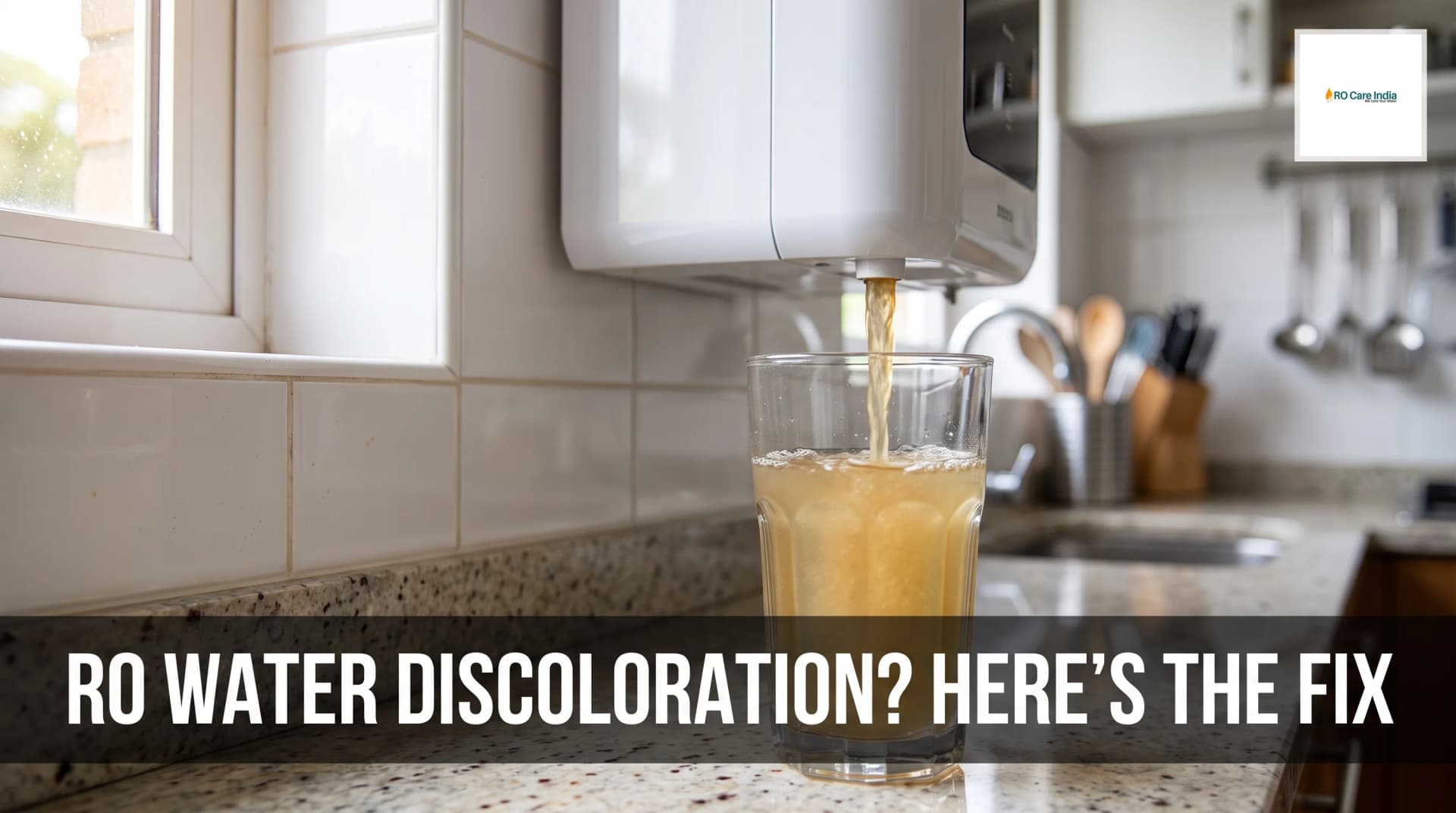
RO Water Turns Yellow or Black in Mumbai: What Causes This and How to fix it?
Finding yellow or black water coming from your RO purifier can be an alarming experience, especially when you expect clean, safe drinking water. If you live in Mumbai and notice discolored water from your RO system, you are not alone. This common problem affects thousands of households across the city and requires immediate attention. The good news is that understanding the root causes can help you fix the issue quickly. Whether you need professional ro service near me assistance or want to troubleshoot the problem yourself, this comprehensive guide will walk you through everything you need to know about discolored RO water.
Mumbai's water quality varies significantly across different areas, from Bandra to Borivali, and from Andheri to Thane. The municipal water supply often contains high levels of dissolved solids, rust particles, and organic matter that can affect your RO system's performance. When your purifier fails to filter these contaminants properly, they manifest as yellow or black discoloration in your drinking water. Many residents search for professional water purification services when they first notice this problem, but understanding what causes it can help you prevent future occurrences and maintain your system better.
The quality of water supplied to different neighborhoods in Mumbai fluctuates based on the source and distribution network. Older buildings with aging pipelines often experience more severe water quality issues, leading to frequent RO maintenance requirements. Additionally, seasonal variations, especially during monsoons, can introduce additional contaminants into the water supply. When these factors combine with inadequate RO maintenance, the result is often discolored water that poses potential health risks to your family.
Taking immediate action when you notice yellow or black water from your RO is crucial for your family's health and safety. Contaminated water can harbor harmful bacteria, heavy metals, and chemical pollutants that regular filtration may not remove effectively. This guide will explore the primary causes of water discoloration, provide practical solutions, and help you decide when to contact ro customer care mumbai for professional intervention.
Common Causes of Yellow or Black RO Water in Mumbai
Understanding why your RO water turns yellow or black starts with identifying the source of contamination. The discoloration typically indicates specific problems within your purification system or the incoming water supply. Here are the most frequent culprits behind this concerning issue:
Rusty or Corroded Pipes
Mumbai's aging water infrastructure contributes significantly to water discoloration. Many residential buildings, particularly those constructed before 2000, have galvanized iron pipes that corrode over time. When rust particles enter your RO system, they can bypass filters if the pre-filtration stage is compromised. The iron oxide gives water a distinctive yellow or reddish-brown color. Buildings in areas like Dadar, Matunga, and Fort are especially prone to this problem due to older plumbing systems.
Expired or Clogged Filters
RO systems rely on multiple filtration stages, including sediment filters, carbon filters, and the RO membrane itself. When these components exceed their lifespan, they lose effectiveness and may even become sources of contamination. A clogged sediment filter cannot trap particles effectively, allowing them to pass through to subsequent stages. Similarly, an expired carbon filter may release accumulated contaminants back into the water. Most manufacturers recommend replacing filters every 6-12 months, but Mumbai's water quality often necessitates more frequent changes.
Bacterial Growth and Biofilm Formation
Stagnant water in RO tanks or pipes creates ideal conditions for bacterial growth. When bacteria colonize the system, they form a slimy layer called biofilm, which appears as black or dark brown discoloration. This problem intensifies during Mumbai's humid months from June to September. Biofilm not only discolors water but also produces unpleasant odors and poses serious health risks. Regular sanitization can prevent this issue, but many households neglect this crucial maintenance step.
Contaminated RO Membrane
The RO membrane is the heart of your purification system. When it becomes fouled with organic matter, heavy metals, or scaling, it cannot function properly. A compromised membrane may allow contaminants to pass through, resulting in discolored water. High TDS levels in Mumbai's water supply, often exceeding 500 ppm in coastal areas, accelerate membrane degradation. Professional technicians can test membrane integrity and recommend replacement when necessary.
How to Diagnose the Exact Problem
Before attempting any repairs, accurately diagnosing the cause of discoloration will save time and money. Follow this systematic approach to identify the issue:
Visual Inspection Method
Start by examining the water at different stages of filtration. Draw water directly from your main supply line before the RO system. If this water appears discolored, the problem originates from municipal supply or building pipes rather than your purifier. Next, check water after the sediment filter by opening the filter housing. Yellow or brown water at this stage indicates rust or sediment contamination. If water appears clear through pre-filters but turns discolored after the RO membrane, the membrane likely needs replacement.
Color Analysis Indicators
Different colors signal specific problems:
- Yellow to brown water typically indicates rust, iron particles, or tannins from organic matter
- Black or gray water suggests bacterial growth, activated carbon dust, or manganese contamination
- Greenish tint points to algae growth in storage tanks
- Cloudy white water indicates air bubbles or high TDS levels
Testing Water Quality Parameters
Invest in a basic TDS meter available for 300-500 rupees at any hardware store in Mumbai. Test water before and after filtration. If TDS reduction is less than 80 percent, your RO membrane is failing. You can also collect water samples and send them to authorized testing laboratories in Mumbai such as those in Bandra or Andheri for comprehensive analysis costing approximately 2000-3000 rupees.
Step-by-Step Solutions to Fix Discolored RO Water
Once you have identified the cause, implement these solutions based on your specific situation:
Immediate Temporary Measures
If you need clean water urgently while arranging professional service, flush your RO system thoroughly. Open the drain valve and let water run for 10-15 minutes. This removes accumulated sediments and contaminants from the system. Discard the first few liters of water after flushing before consumption. For bacterial contamination, avoid using the water entirely until proper sanitization occurs. Contact expert service providers for emergency service if the problem persists.
Filter Replacement Procedure
Replacing filters is a manageable DIY task for most homeowners:
- Turn off water supply and electricity to the RO unit
- Release pressure by opening the faucet
- Remove filter housing using the provided wrench
- Replace sediment filter, carbon filter, and post-carbon filter as needed
- Clean housing thoroughly before installing new filters
- Reassemble carefully, ensuring proper sealing
- Flush system for 10 minutes before use
Quality replacement filters cost between 500-1500 rupees each in Mumbai depending on brand and specifications.
Professional Membrane Cleaning and Replacement
The RO membrane requires specialized handling and should be serviced by trained technicians. Professional teams use chemical cleaning solutions to restore membrane efficiency. However, if the membrane has crossed its typical lifespan of 2-3 years or shows significant damage, replacement becomes necessary. Membrane replacement costs range from 2000-4000 rupees for standard domestic RO systems in Mumbai. Technicians also perform system sanitization during membrane service, addressing bacterial contamination simultaneously.
Complete System Sanitization
Annual sanitization prevents biofilm formation and bacterial growth:
- Disconnect and drain the entire system
- Prepare food-grade sanitizing solution using hydrogen peroxide or bleach
- Circulate sanitizer through all components for 30 minutes
- Thoroughly flush system with clean water
- Replace all filters after sanitization
- Run system for several hours before consumption
Many residents prefer scheduling professional sanitization through certified providers who charge approximately 800-1500 rupees for complete service including sanitization, filter check, and system diagnosis.
Preventive Maintenance Tips for Mumbai Residents
Prevention is always better and more economical than cure when it comes to RO maintenance. Implement these practices to avoid water discoloration issues:
Regular Filter Change Schedule
Create a maintenance calendar based on water quality in your area and usage patterns. Typical replacement schedules for Mumbai conditions include:
- Sediment filter: Every 4-6 months
- Pre-carbon filter: Every 6-8 months
- Post-carbon filter: Every 8-12 months
- RO membrane: Every 24-36 months
Set phone reminders or mark your calendar to ensure timely replacements. Some ro service center mumbai facilities offer annual maintenance contracts that include scheduled filter changes and system checks.
Water Quality Monitoring
Test your water TDS levels monthly using a handheld meter. Maintain a log of readings to track changes over time. Sudden TDS increases indicate filter or membrane problems requiring immediate attention. Also, visually inspect water daily for any color, odor, or taste changes. Early detection prevents major contamination issues.
Tank and Pipe Cleaning
The RO storage tank requires cleaning every 6 months to prevent bacterial growth. Drain the tank completely, scrub interior surfaces with a mild bleach solution, rinse thoroughly, and refill. Also inspect connecting pipes for any signs of leakage, corrosion, or biofilm formation. Replace damaged pipes immediately.
Professional Annual Service
Even with regular DIY maintenance, schedule comprehensive professional service annually. Technicians perform detailed inspections that identify potential problems before they cause system failure. This proactive approach costs 1500-2500 rupees annually but saves thousands in emergency repairs and component replacements.
When to Call Professional RO Service Providers
While basic maintenance is manageable at home, certain situations demand professional expertise:
Complex Technical Issues
If your RO system shows multiple problems simultaneously, such as low water production combined with discoloration and unusual noises, professional diagnosis becomes essential. Attempting DIY repairs on complex issues may worsen the problem or void warranties. Experienced technicians have diagnostic tools and expertise to identify root causes quickly.
Warranty Considerations
Most RO systems come with 1-2 year warranties that require authorized service for repairs. Using unauthorized technicians or incorrect replacement parts voids these warranties. Always check warranty terms before attempting repairs. Authorized centers maintain service records that help with warranty claims.
Persistent Contamination
If discoloration continues after filter replacement and sanitization, deeper system issues exist. Professional technicians can perform pressure tests, membrane integrity assessments, and detailed water quality analysis. They also access specialized cleaning equipment and genuine replacement parts not available to consumers.
Safety Concerns
Any electrical issues, major leaks, or suspected chemical contamination require immediate professional attention. Do not use the system if you notice burning smells, electrical sparks, or severe chemical odors. Safety should always take priority over cost considerations.
Cost Comparison: DIY Maintenance vs Professional Service
Understanding the financial aspects helps you make informed decisions about RO maintenance:
| Service Type | DIY Cost (INR) | Professional Cost (INR) | Time Required |
|---|---|---|---|
| Sediment Filter Replacement | 300-600 | 800-1200 | 30 minutes |
| Carbon Filter Set | 800-1500 | 1500-2500 | 45 minutes |
| RO Membrane Replacement | 2000-3000 | 3500-5000 | 1-2 hours |
| Complete Sanitization | 200-400 | 1000-1800 | 2-3 hours |
| Annual Maintenance Contract | Not Applicable | 3000-6000 | 4 visits/year |
Professional services include warranties on parts and labor, accurate diagnosis, and guaranteed results. DIY maintenance saves money but requires time investment and carries risks of incorrect installation or missed problems.
Conclusion
Discovering yellow or black water from your RO purifier in Mumbai signals underlying issues that need immediate attention for your family's health and safety. The causes range from simple filter expiration to complex membrane failure or bacterial contamination, but most problems have straightforward solutions when addressed promptly. Regular maintenance, timely filter replacements, and annual professional servicing can prevent most discoloration issues while ensuring your RO system delivers clean, safe drinking water consistently.
Mumbai's unique water quality challenges, with high TDS levels and aging infrastructure, make RO maintenance more critical than in many other cities. By following the preventive measures outlined in this guide and knowing when to seek professional help from qualified providers, you can maintain optimal water quality year-round. Remember that clean drinking water is not a luxury but a necessity, and investing in proper RO maintenance protects your family's health while extending your purification system's lifespan. Whether you choose DIY maintenance or professional service, the key is taking action before minor issues escalate into major problems that compromise water safety and require expensive repairs.
Discover how contaminated water sources, aging filters, bacterial growth, and corroded components cause your RO system to produce discolored water in Mumbai. Learn more about the specific municipal water quality issues affecting your area, the warning signs of filter degradation, and preventive maintenance schedules that keep your purifier functioning optimally for years to come.