
Why Is My RO Purifier Leaking From the Tap in Kolkata and How to fix it?
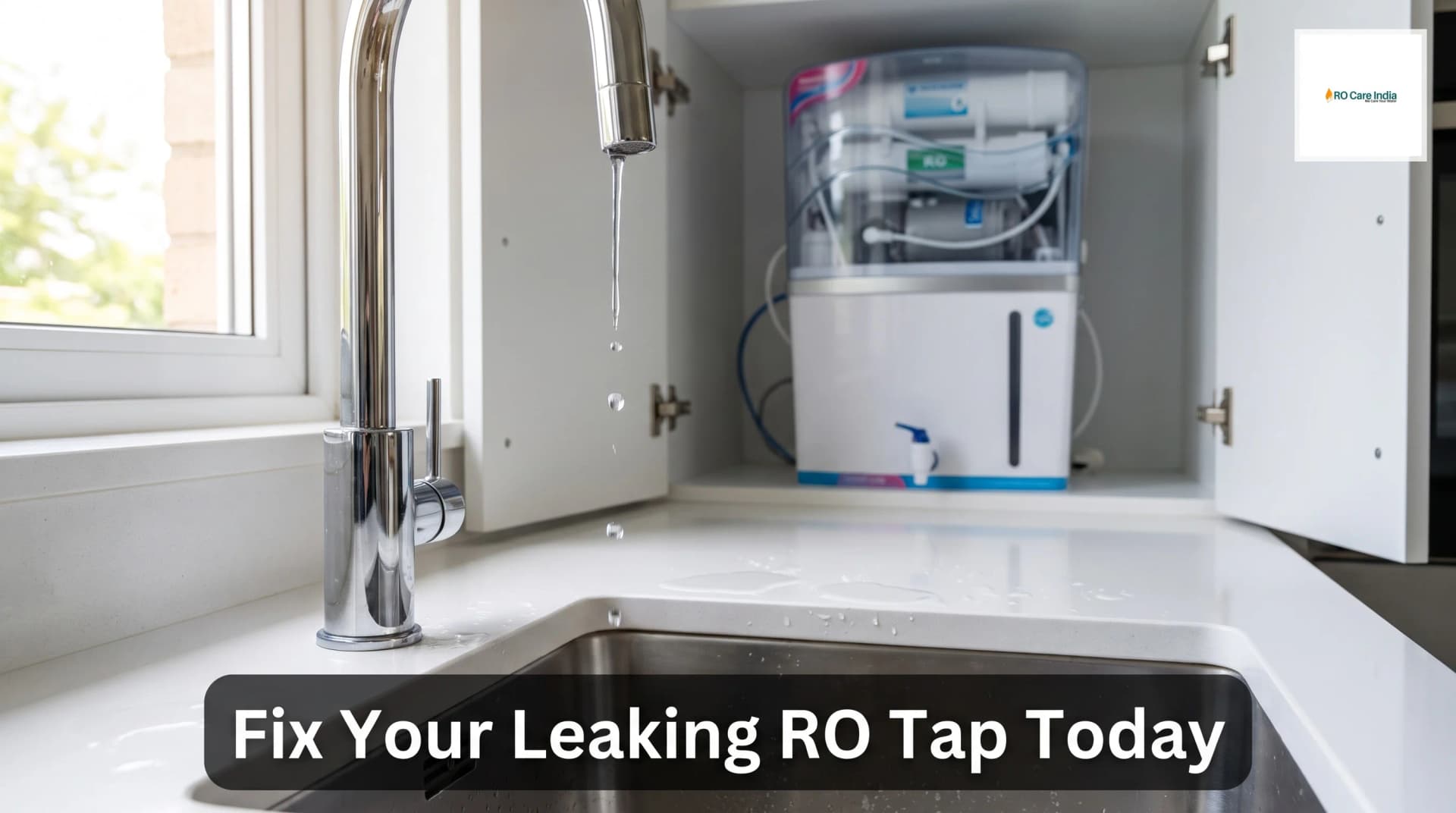
Why Is My RO Purifier Leaking From the Tap in Kolkata and How to fix it?
Finding water dripping from your RO purifier tap can be frustrating, especially when you depend on it for daily drinking water. In Kolkata's humid climate, a leaking RO tap is more than just an annoyance—it wastes precious purified water and can damage your kitchen cabinets or countertops. Many homeowners across the city face this common problem, whether they live in South Kolkata apartments or North Kolkata traditional homes. The good news is that most RO tap leaks can be fixed with simple troubleshooting or by contacting professional ro service kolkata providers who understand the unique water quality challenges in the region. Understanding why your RO purifier is leaking and knowing how to address it can save you money and prevent water wastage.
RO water purifiers have become essential in Kolkata households due to the varying water quality across different areas. From Jadavpur to Salt Lake, residents rely on these systems to filter out impurities, TDS, and contaminants. However, the mechanical components of an RO system, including the tap or faucet, are subject to wear and tear over time. The tap is one of the most frequently used parts of your purifier, and constant opening and closing can lead to various issues. Before you panic about expensive repairs, it's important to identify the root cause of the leak. Some problems can be resolved with basic DIY fixes, while others require expert intervention from ro customer care number kolkata technicians.
The humidity levels in Kolkata, which often exceed 80% during monsoons, can accelerate component deterioration in RO systems. Additionally, the municipal water supply in different parts of the city contains varying levels of hardness and chlorine, which can affect the longevity of your purifier's parts. Whether you're experiencing a slow drip or a constant stream of water from the tap, addressing the issue promptly prevents further complications. Many residents delay calling for ro service, thinking the problem will resolve itself, but this only leads to more water wastage and potential damage to the purifier's internal components.
In this comprehensive guide, we'll explore the most common reasons why RO purifier taps leak in Kolkata homes and provide practical solutions to fix them. You'll learn when to attempt repairs yourself and when it's time to call professional technicians. By the end of this article, you'll have the knowledge to maintain your RO system properly and ensure it continues providing clean, safe drinking water for your family.
Common Causes of RO Tap Leakage in Kolkata Homes
Understanding what causes your RO tap to leak is the first step toward fixing it. The most frequent culprit is a worn-out O-ring or rubber washer inside the tap assembly. These small rubber components create a watertight seal, but they degrade over time due to constant water pressure and exposure to minerals in Kolkata's water supply. When the O-ring loses its elasticity or develops cracks, water begins seeping through, causing drips from the spout or base of the tap. This is particularly common in RO systems that are three years or older.
Loose tap connections represent another major cause of leakage. The tap connects to the RO system through threaded fittings and tubing connections. Over time, these connections can loosen due to vibrations, temperature fluctuations, or improper initial installation. In many Kolkata homes, the constant switching between municipal water supply and pump water creates pressure variations that can gradually loosen these fittings. When connections aren't tight, water escapes from the junction points rather than flowing smoothly through the tap.
High water pressure in your RO system can also force water to leak from the tap. Most residential RO purifiers are designed to operate within specific pressure ranges, typically between 40-60 PSI. However, some areas in Kolkata receive water at higher pressures, especially in high-rise buildings with booster pumps. Excessive pressure puts strain on the tap mechanism, causing seals to fail prematurely. You might notice the leak worsens when the water pressure is highest, usually during morning and evening hours.
Damaged or worn-out tap components beyond just the O-ring can cause persistent leakage. The tap cartridge, which controls water flow when you open and close the handle, contains multiple seals and moving parts. Mineral deposits from hard water can accumulate inside the cartridge, preventing proper sealing. Additionally, physical damage from overtightening, accidental impacts, or manufacturing defects can compromise the tap's integrity. Quality issues with the tap itself sometimes become apparent only after months of use, when cheaper materials begin to deteriorate under regular stress.
Step-by-Step Solutions to Fix Your Leaking RO Tap
Before attempting any repairs, always turn off the water supply to your RO purifier and disconnect it from power if it has an electrical connection. This safety step prevents water damage and potential electrical hazards. The simplest fix for many RO tap leaks involves replacing the O-ring. First, remove the tap handle by unscrewing the small screw that holds it in place—you may need an Allen key or small screwdriver depending on your tap model. Once the handle is off, use an adjustable wrench to carefully unscrew the tap assembly from the mounting surface.
Inspect the O-ring closely for any signs of wear, cracks, or deformation. These rubber rings are inexpensive and available at most hardware stores in Kolkata markets like Bagri Market or New Market. Take the old O-ring with you to ensure you purchase the correct size. Clean the groove where the O-ring sits using a soft cloth to remove any mineral deposits or debris. Apply a thin layer of food-grade silicone grease to the new O-ring before installing it—this helps create a better seal and makes future replacements easier. Reassemble the tap in reverse order, ensuring each component is properly aligned.
If the leak persists after replacing the O-ring, check all connection points for tightness. Trace the tubing from the RO unit to the tap and inspect each fitting. Use your hands to gently tighten push-fit connections—avoid using tools that might crack plastic fittings. For threaded connections, use an appropriate wrench but be careful not to overtighten, as this can damage the threads or crack plastic components. If you find damaged tubing near the connection points, cut off the damaged section and reattach the tubing, ensuring at least two inches of insertion into the fitting for a secure seal.
Cleaning or replacing the tap cartridge resolves many internal leakage issues. After removing the handle and decorative cap, you'll find the cartridge held in place by a retaining nut. Remove this nut and pull out the cartridge. Soak it in a solution of equal parts white vinegar and water for 30 minutes to dissolve mineral deposits. Rinse thoroughly with clean water and reinstall. If the cartridge shows visible damage or cleaning doesn't help, replacement is necessary. Many water purifier service providers in Kolkata stock common cartridge types, or you can order directly from the purifier manufacturer.
When to Call Professional RO Service in Kolkata
While many minor leaks can be fixed with DIY methods, certain situations require professional expertise. If you've replaced the O-ring and checked all connections but the tap continues leaking, the problem might be more complex. Internal damage to the tap body, cracks in the mounting area, or issues with the RO system's pressure regulation could be the underlying causes. Professional technicians from customer care services have specialized tools and experience to diagnose these problems accurately.
Persistent leaks accompanied by other symptoms like reduced water flow, unusual noises from the RO unit, or changes in water taste indicate systemic issues beyond just the tap. These could point to problems with the storage tank, membrane housing, or pressure regulator that require comprehensive inspection. Attempting complex repairs without proper knowledge can void warranties and potentially damage expensive components. Reputable service providers in the city offer diagnostic services that identify all issues during a single visit, saving you time and preventing recurring problems.
If your RO purifier is still under warranty, always contact authorized service centers for repairs. Using non-authorized technicians or replacement parts can void warranty coverage, leaving you responsible for future repair costs. Most major RO brands have dedicated customer care numbers specifically for warranty claims and service scheduling. Keep your purchase receipt and warranty card accessible when calling for service. Authorized technicians use genuine spare parts that match your system's specifications, ensuring optimal performance and longevity.
Consider professional service when dealing with high-end or imported RO systems that use proprietary components. These specialized purifiers often require specific parts that aren't readily available in local markets. Professional technicians maintain relationships with suppliers and can source genuine replacements quickly. Additionally, if you're uncomfortable working with plumbing connections or lack the necessary tools, calling experts is the safer choice. The cost of professional water purifier repair typically ranges from INR 300 to INR 800 for basic tap repairs in Kolkata, which is reasonable compared to the potential damage from incorrect DIY attempts.
Preventive Maintenance to Avoid Future Tap Leaks
Regular maintenance significantly reduces the likelihood of RO tap leakage and extends your purifier's lifespan. Schedule professional servicing every six months, which should include inspection of all connections, replacement of worn parts, and cleaning of components. During these visits, technicians can identify potential issues before they cause leaks. Many service providers in Kolkata offer annual maintenance contracts that include multiple visits, filter changes, and priority service at discounted rates, typically ranging from INR 2,000 to INR 4,000 per year depending on the purifier model.
Monitor your RO system's water pressure regularly using a simple pressure gauge available for around INR 200 in local plumbing shops. Install a pressure regulator if your home receives water at pressures exceeding 60 PSI. This small investment, costing approximately INR 500 to INR 1,200, protects not only your tap but all components of the RO system from pressure-related damage. Pressure regulators are especially important in areas of Kolkata with municipal booster systems or homes with rooftop tanks that create high static pressure.
Keep the area around your RO tap clean and dry to prevent corrosion and mineral buildup. Wipe the tap daily with a soft cloth to remove water spots and prevent scale accumulation. Once a month, clean the external surfaces with mild soapy water and ensure the mounting area remains moisture-free. This simple habit prevents many common problems and helps you notice minor leaks before they become major issues. In Kolkata's humid environment, moisture control around water fixtures is particularly important to prevent mold growth and component deterioration.
Replace consumable parts proactively rather than waiting for complete failure. O-rings, washers, and other rubber components should be replaced annually as part of routine maintenance, even if they appear functional. This preventive approach costs minimal—a set of spare O-rings costs around INR 50 to INR 100—but prevents inconvenient leaks and emergency service calls. Keep a small kit of basic spare parts specifically for your RO model, which you can request from your service provider during regular maintenance visits.
Understanding Different Types of RO Tap Designs and Their Issues
Traditional compression taps, commonly found in older RO systems, use a rubber washer that compresses against a valve seat to stop water flow. These taps are prone to dripping as the washer wears down from repeated compression. The advantage is that replacement washers are inexpensive and widely available across Kolkata markets. However, these taps require more frequent maintenance compared to modern designs. If your RO has a compression tap, expect to replace the washer every 12 to 18 months under normal usage conditions.
Ceramic disc taps represent a more modern, durable option now standard in mid-range and premium RO purifiers. These use two ceramic discs that slide over each other to control water flow. Ceramic disc taps rarely drip from the spout because the hard ceramic surfaces maintain a tight seal even after thousands of operations. However, they're more sensitive to debris in the water, and mineral deposits can eventually interfere with the disc movement. When these taps leak, it's usually from the base or connections rather than the spout, and they typically require complete cartridge replacement rather than individual component fixes.
Push-type or press taps are increasingly popular in compact RO systems and under-counter installations. These taps release water when pressed down and automatically close when released, using spring-loaded mechanisms. Leakage in push taps usually occurs when the spring weakens or the rubber seal around the push mechanism degrades. These taps are generally not serviceable at the component level—when they fail, the entire tap assembly requires replacement. Fortunately, replacement push taps are available for INR 300 to INR 800 depending on quality and finish.
Gooseneck or swan-neck taps, valued for their elegant appearance and ease of filling tall containers, have longer water pathways that can develop leaks at multiple points. The curved design creates more connection points where leaks can occur. Regular inspection of these taps should include checking the base connection, mid-section joints if present, and the swivel mechanism. Quality gooseneck taps with solid brass construction resist leaks better than cheaper zinc alloy alternatives, though they cost more—typically INR 800 to INR 2,500 in Kolkata markets.
Cost Comparison of DIY Fixes Versus Professional Service
Attempting DIY repairs for simple tap leaks can save considerable money if done correctly. A replacement O-ring set costs between INR 30 and INR 100, while a complete tap repair kit including multiple seals and washers ranges from INR 150 to INR 300. If you have basic tools already, the total expense for a simple fix remains under INR 350. Time investment is usually 30 to 45 minutes for straightforward O-ring replacement, making it economical for minor issues.
Professional repair for tap leakage typically involves a service call charge plus parts cost. In Kolkata, basic service call charges range from INR 250 to INR 500, with additional charges for parts and labor depending on the complexity. A simple tap repair might cost INR 400 to INR 800 total, while complete tap replacement including labor could run INR 800 to INR 1,500. However, professional service comes with warranties on both parts and labor, usually 30 to 90 days, providing peace of mind and protection against recurring issues.
The cost-effectiveness of DIY versus professional service depends on several factors. If the leak is straightforward and you're comfortable with basic plumbing, DIY saves money. However, incorrect repairs can cause additional damage—for example, overtightening connections can crack fittings, leading to more expensive repairs. Professional technicians complete repairs in 15 to 20 minutes with proper tools and expertise, eliminating trial-and-error. For recurring leaks or uncertainty about the cause, professional diagnosis prevents costly mistakes and identifies underlying problems you might miss.
Consider the value of time and convenience when deciding between DIY and professional service. Searching for parts in Kolkata markets, traveling to hardware stores, and spending your weekend on repairs has an opportunity cost. Many working professionals find that paying for professional assistance is worthwhile for the convenience and guaranteed results. Additionally, establishing a relationship with a reliable service provider benefits you in the long term, as they become familiar with your system and can provide faster, more accurate service for future issues.
Conclusion
RO purifier tap leakage is a common problem faced by Kolkata residents, but it's usually fixable with proper understanding and approach. Most leaks result from worn O-rings, loose connections, high water pressure, or damaged internal components—all issues that can be addressed through simple repairs or professional service. By identifying the specific cause of your leak and choosing the appropriate solution, you can restore your purifier to optimal functioning quickly and cost-effectively.
Discover how proper maintenance and timely repairs can extend your RO purifier's lifespan while preventing water damage in your Kolkata home. Learn more about identifying leak sources, understanding when to call professionals versus attempting DIY fixes, and exploring preventive measures specific to Kolkata's water quality and humidity conditions that affect your purifier's performance year-round.
Related Blogs
- Why RO Red Light Blinking in Kolkata: What It Means and How to Fix It
- Why RO Dripping Constantly in Kolkata: Common Causes Explained
- RO UV Light Not Working in Kolkata: Common Reasons and How to Fix it
- RO Purifier Air Lock Problem in Kolkata: How to Identify and Fix It?
- Why Aquaguard RO Pump Overheating in Kolkata: Causes and Prevention