
Why Does My RO Water Taste Different After Filter Change?
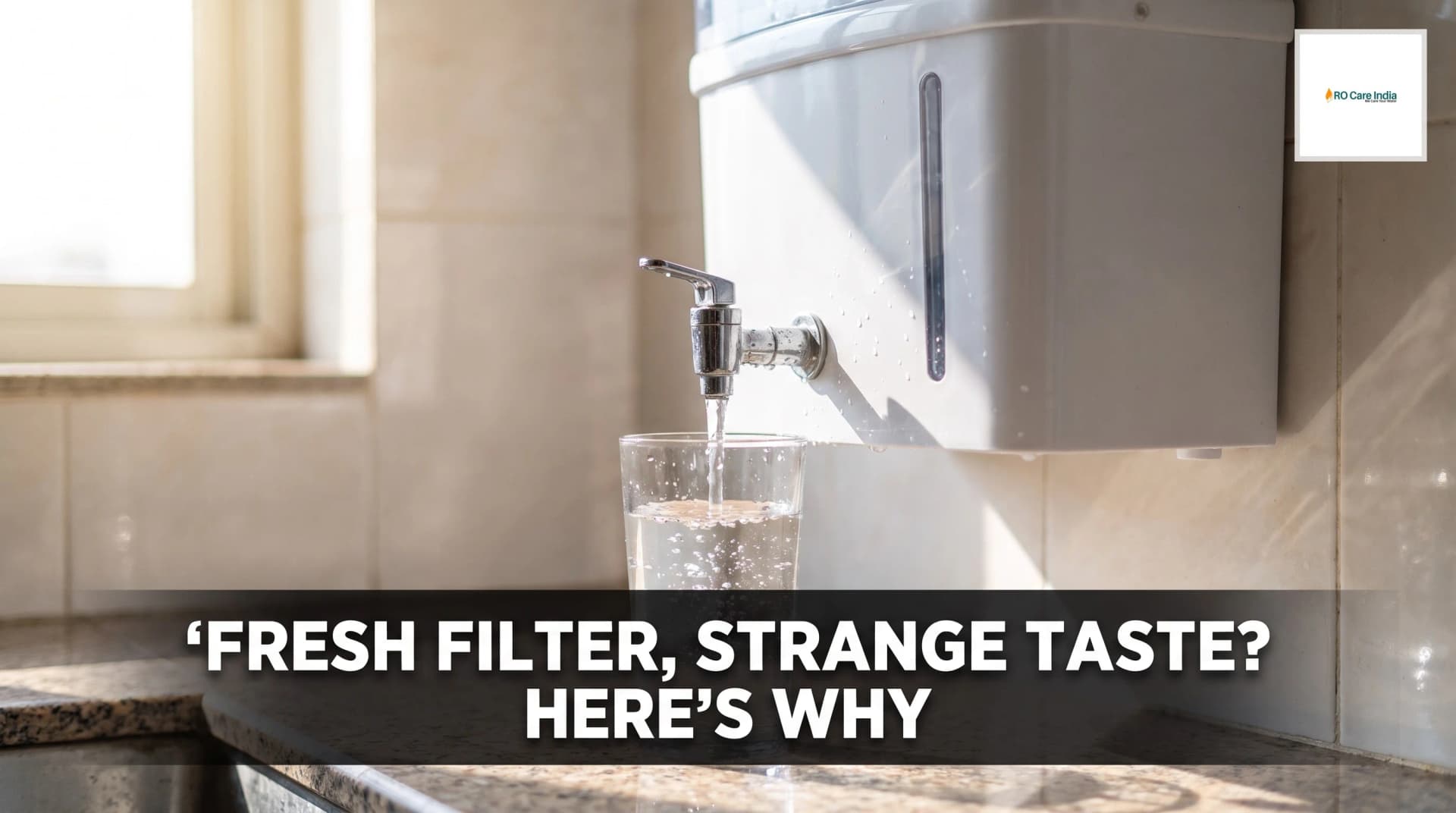
Why Does My RO Water Taste Different After Filter Change?
You just replaced your RO water purifier filters, expecting crisp, clean-tasting water. Instead, you take a sip and notice something off. The taste is different, sometimes slightly plastic-like, occasionally metallic, or just not quite right. This jarring experience leaves many homeowners confused and concerned about water quality. Understanding why your RO water tastes different after a filter change is essential for maintaining your family's health and ensuring your water purification system functions optimally. If you are experiencing persistent taste issues, professional ro service near me can help diagnose and resolve the problem quickly. Many households in Indian cities face this common issue, but fortunately, most causes have straightforward solutions that restore your water's natural, refreshing taste.
The phenomenon of altered water taste following filter replacement is more common than you might think. Thousands of households across India report this experience annually, with taste variations ranging from subtle changes to pronounced differences. The good news is that in most cases, these taste changes are temporary and completely harmless. However, understanding the underlying reasons helps you determine whether you need professional intervention from ro service Kolkata or if simple troubleshooting steps will resolve the issue. This comprehensive guide explores every aspect of post-filter-change taste variations, providing practical solutions and expert insights.
Modern RO water purifiers contain multiple filtration stages, each playing a crucial role in removing contaminants and improving water quality. When you replace filters, you introduce new materials into your water system, which can temporarily affect taste. Additionally, installation procedures, filter quality, membrane condition, and even your local water characteristics influence how water tastes after maintenance. By examining these factors systematically, you can identify the specific cause affecting your system and implement the appropriate solution.
Whether you have recently serviced your RO system yourself or hired professionals, knowing what to expect and when to seek expert ro customer care kolkata assistance ensures your family always has access to safe, great-tasting drinking water. This article provides detailed explanations, practical troubleshooting steps, and preventive measures to help you maintain optimal water taste year-round.
Common Reasons Your RO Water Tastes Different After Filter Change
New Filter Materials and Preservation Coatings
Brand new RO filters arrive with protective coatings and preservation materials that extend shelf life during storage and transportation. These substances, while completely safe, can impart temporary tastes to water during initial use. Carbon filters particularly contain fine carbon particles and binding agents that may leach into water for the first few gallons. Pre-filters often have similar preservation treatments that need flushing out before normal operation.
The new filter smell and taste typically disappear after flushing 10 to 20 liters of water through your system. This process is known as filter conditioning or seasoning. Unfortunately, many homeowners skip this crucial step, drinking water immediately after installation and experiencing unpleasant tastes. Professional technicians from water purifier installation services always recommend thorough flushing, but when homeowners replace filters independently, they sometimes overlook this important procedure.
Different filter materials produce varying taste profiles during the break-in period. Activated carbon blocks may impart a slightly earthy or dusty taste initially. Sediment filters containing polypropylene fibers can create a subtle plastic-like flavor. Post-carbon filters sometimes release fine carbon dust that affects both taste and appearance. Understanding these material-specific characteristics helps you recognize normal break-in versus genuine problems requiring professional attention.
Incomplete Flushing of New Filters
The single most common reason for taste changes after filter replacement is inadequate flushing. New filters contain air pockets, loose particles, and residual manufacturing substances that must be completely removed before consumption. Manufacturers typically recommend flushing between 15 and 30 minutes, but this duration varies based on filter type, size, and your water pressure. Rushing through this step almost guarantees taste issues.
Proper flushing involves more than just running water briefly. You should systematically flush each filtration stage, allowing water to flow continuously until it runs completely clear and odor-free. For multi-stage RO systems, this process might take 20 to 40 minutes total. During flushing, you may notice cloudy water, fine particles, or color variations, all normal signs that contaminants are being expelled from new filter media.
Many homeowners make the mistake of flushing only until water appears clear visually, assuming this indicates readiness for consumption. However, dissolved substances affecting taste may remain even when water looks crystal clear. Professional RO repair specialists use water testing kits to verify complete flushing, measuring parameters like pH, TDS, and conductivity to ensure optimal water quality before declaring the system ready.
Mismatched or Incompatible Filter Types
Not all RO filters are created equal, and using incorrect or incompatible replacement filters can significantly impact water taste. Generic or low-quality replacement filters marketed as universal often lack the precise specifications of original manufacturer filters. These alternatives may use different carbon grades, membrane materials, or construction methods that alter filtration characteristics and water taste.
Each RO system is designed around specific filter specifications including pore size, flow rate, and contaminant removal capabilities. When you install filters that deviate from these specifications, your system's performance changes. For example, a carbon filter with different activation levels may remove different taste and odor compounds, creating noticeable flavor variations. Similarly, membranes with different rejection rates can allow varying levels of dissolved minerals, affecting taste profiles.
Price-conscious homeowners often purchase cheaper generic filters, only to discover that cost savings come at the expense of water quality and taste consistency. While premium original filters may cost 500 to 1500 rupees more than generic alternatives, they guarantee consistent performance and taste. If you suspect filter compatibility issues, contact professional RO AMC services for guidance on selecting appropriate replacement components for your specific model.
RO Membrane Condition and Age
Your RO membrane is the heart of your purification system, and its condition dramatically influences water taste. Even when replacing pre-filters and post-filters regularly, an aging or damaged membrane can cause taste variations. RO membranes typically last 24 to 36 months under normal conditions, but water quality, usage patterns, and maintenance frequency affect lifespan significantly.
A deteriorating membrane may allow higher levels of dissolved solids, minerals, and contaminants to pass through, creating metallic, bitter, or salty taste profiles. Conversely, a new membrane installed alongside new filters may produce water with significantly lower TDS than you are accustomed to, creating a noticeably different taste sensation. Some people describe ultra-pure RO water as tasting flat or bland because it lacks the familiar mineral content of regular tap water.
Membrane fouling or scaling represents another common issue affecting taste. When membranes accumulate deposits from hard water, chlorine damage, or bacterial growth, their filtration efficiency declines. This allows more contaminants through while simultaneously creating breeding grounds for bacteria that can impart unpleasant tastes and odors. Regular membrane inspection and timely replacement prevent these issues from affecting your drinking water quality.
Technical Factors Affecting Post-Filter-Change Water Taste
Storage Tank Contamination and Sanitization
Your RO system's storage tank can harbor bacteria, biofilm, and sediment accumulation that affect water taste even after filter replacement. Many homeowners focus exclusively on filter changes while neglecting tank maintenance, leading to persistent taste issues despite new filters. Tanks require periodic sanitization, typically every six to twelve months, to maintain water quality and prevent bacterial colonization.
Biofilm formation inside storage tanks creates slimy layers that harbor bacteria and release compounds affecting taste and odor. Even with new filters producing perfectly pure water, contaminated tank surfaces re-introduce contaminants before water reaches your glass. This situation requires professional tank cleaning and sanitization, something expert technicians routinely perform during comprehensive maintenance visits.
Additionally, storage tank bladders or liners deteriorate over time, potentially releasing rubber or plastic tastes into stored water. Older tanks manufactured before 2020 may contain materials that leach compounds affecting taste, especially when exposed to certain water chemistry conditions. If taste issues persist despite new filters and proper flushing, tank replacement may be necessary to restore optimal water quality.
Water Pressure and Flow Rate Changes
RO systems operate optimally within specific pressure ranges, typically between 40 and 60 PSI. When you install new filters, especially denser or higher-quality ones, water flow resistance changes. This altered flow rate affects contact time between water and filtration media, potentially changing taste profiles. Higher resistance may slow water production, increasing contact time and potentially over-filtering water, while lower resistance might under-filter.
Inadequate water pressure prevents proper membrane function and complete contaminant removal. When pressure drops below recommended levels, dissolved solids and minerals pass through the membrane more easily, creating noticeably different taste characteristics. Conversely, excessive pressure can damage filters and membranes, causing premature wear and taste variations. Installing a pressure gauge helps you monitor this critical parameter and maintain consistent water quality.
Fluctuating municipal water pressure affects RO performance differently after filter changes because new filters respond to pressure variations differently than seasoned ones. During initial operation, new filters may produce water with varying TDS levels as they compress and settle under pressure. This settling period typically lasts 24 to 48 hours, after which taste should stabilize. If pressure-related taste issues continue, consult professionals for pressure regulation solutions.
Source Water Quality Variations
Many homeowners overlook how source water chemistry changes impact RO taste after filter replacement. Municipal water supplies vary seasonally due to rainfall, treatment chemical adjustments, and source water changes. When you install new filters during periods of different source water characteristics, the resulting purified water may taste different than expected, even though your system is functioning perfectly.
For example, during monsoon seasons, municipal treatment plants often increase chlorine levels to combat bacterial growth in water distribution systems. New filters exposed to higher chlorine concentrations may initially produce slightly chlorine-scented water until they fully adsorb excess chlorine. Conversely, during dry seasons, higher mineral concentrations in source water may pass through new membranes differently than aged ones, creating taste variations.
Groundwater users face additional challenges because well water chemistry can change dramatically based on water table levels, nearby construction, or agricultural activities. New filters may reveal these underlying taste characteristics that older, partially saturated filters previously masked. This situation often requires adjusting filtration stages or installing additional pre-treatment components to address specific local water quality issues.
Solutions and Troubleshooting Steps for Taste Issues
Proper Filter Flushing Procedure
Implementing correct flushing procedures resolves most post-filter-change taste issues. Begin by closing your storage tank valve and opening a faucet connected to your RO system. Allow water to flow continuously for at least 20 minutes, or until you have flushed approximately 15 to 20 liters. This initial flush removes most loose particles, preservation coatings, and manufacturing residues from new filters.
After the initial flush, close the faucet and allow your storage tank to fill completely. This process typically takes 2 to 4 hours depending on system capacity and water pressure. Once full, drain the entire tank contents without drinking, discarding approximately 8 to 12 liters. This second flushing cycle ensures that water flowing through filters under normal operating pressure is also free from taste-affecting substances.
For systems with multiple filtration stages, some experts recommend flushing each stage individually before complete system operation. This approach involves installing filters sequentially, flushing after each addition. While more time-consuming, this method ensures optimal conditioning of each filter component. Professional technicians often employ this technique during comprehensive service appointments to guarantee perfect water taste from first use.
Sanitization and System Cleaning
Complete system sanitization eliminates bacteria, biofilm, and accumulated deposits that affect taste despite new filters. This process requires food-grade sanitizing solutions specifically formulated for water purification systems. Never use household bleach or harsh chemicals, as they can damage system components and create worse taste issues than you started with.
Professional sanitization involves disconnecting filters, flushing the system with sanitizer solution, allowing appropriate contact time, and thoroughly rinsing until all sanitizer residues are removed. The process typically takes 2 to 3 hours and should be performed annually or whenever taste issues persist after filter replacement. Many homeowners prefer hiring professionals for this task because improper sanitization can damage expensive system components.
Storage tank sanitization deserves special attention because tanks accumulate sediment and biofilm more readily than other system components. Removing the tank, draining completely, and cleaning with approved sanitizers ensures that stored water remains fresh-tasting. Some systems benefit from installing tank sanitization ports that simplify this maintenance task, allowing easier access without complete tank removal.
Verification and Testing After Filter Changes
Testing your water after filter replacement confirms that taste issues stem from temporary break-in periods rather than genuine problems. Simple TDS meters, available for 300 to 800 rupees, measure dissolved solid levels in purified water. RO water should typically measure between 10 and 50 ppm, with lower numbers indicating more complete filtration. Sudden increases suggest membrane problems or installation errors requiring professional attention.
pH testing helps identify whether taste changes relate to water acidity or alkalinity shifts. RO water typically measures slightly acidic, between 6.0 and 7.0 pH, because the purification process removes alkaline minerals. If you are accustomed to mineral-rich water with higher pH, RO water may taste noticeably different even when perfectly pure. Some users prefer installing post-filtration mineral cartridges that restore beneficial minerals and improve taste.
Bacterial testing, while more complex, provides definitive answers when taste issues suggest contamination. Home testing kits cost between 500 and 1500 rupees and reveal whether bacteria colonies are affecting water quality. Positive results indicate sanitization needs or possible filter damage allowing bacteria passage. Professional water testing services offer comprehensive analysis including heavy metals, pesticides, and other contaminants.
Preventive Measures and Maintenance Best Practices
Regular Filter Replacement Schedules
Adhering to manufacturer-recommended replacement schedules prevents taste issues before they start. Different filter stages have varying lifespans based on their function and your water quality. Sediment pre-filters typically require replacement every 6 to 12 months, carbon filters every 12 months, and RO membranes every 24 to 36 months. Keeping accurate records helps you maintain optimal system performance.
Creating a maintenance calendar with specific replacement dates ensures timely filter changes before performance degradation affects taste. Many modern RO systems include filter life indicators or automatic reminders, but these rely on water volume calculations rather than actual filter condition. Heavy water usage or poor source water quality may require more frequent replacements than standard recommendations suggest.
Choosing Quality Replacement Filters
Investing in high-quality, compatible filters prevents most taste-related issues following replacement. Original equipment manufacturer filters guarantee precise specifications matching your system design, though they typically cost more than generic alternatives. When budget constraints necessitate generic filters, choose reputable brands with NSF certifications and positive user reviews specific to your RO model.
| Filter Type | Original Filter Cost | Generic Filter Cost | Expected Lifespan | Key Quality Indicators |
|---|---|---|---|---|
| Sediment Pre-Filter | ₹400-800 | ₹150-350 | 6-12 months | Micron rating, material quality |
| Carbon Block Filter | ₹800-1500 | ₹300-600 | 12 months | Activation level, contaminant removal claims |
Related Blogs
- RO Booster Pump Failure in Kolkata: How to Fix It?
- Why RO Display Panel Not Responding in Kolkata: How to Fix it?
- Why Is My RO Purifier Leaking From the Tap in Kolkata and How to fix it?
- Why RO Red Light Blinking in Kolkata: What It Means and How to Fix It
- Why RO Dripping Constantly in Kolkata: Common Causes Explained