
Why RO Filter Change Indicator Not Working in Kolkata: What to Check?
Why RO Filter Change Indicator Not Working in Kolkata: What to Check?
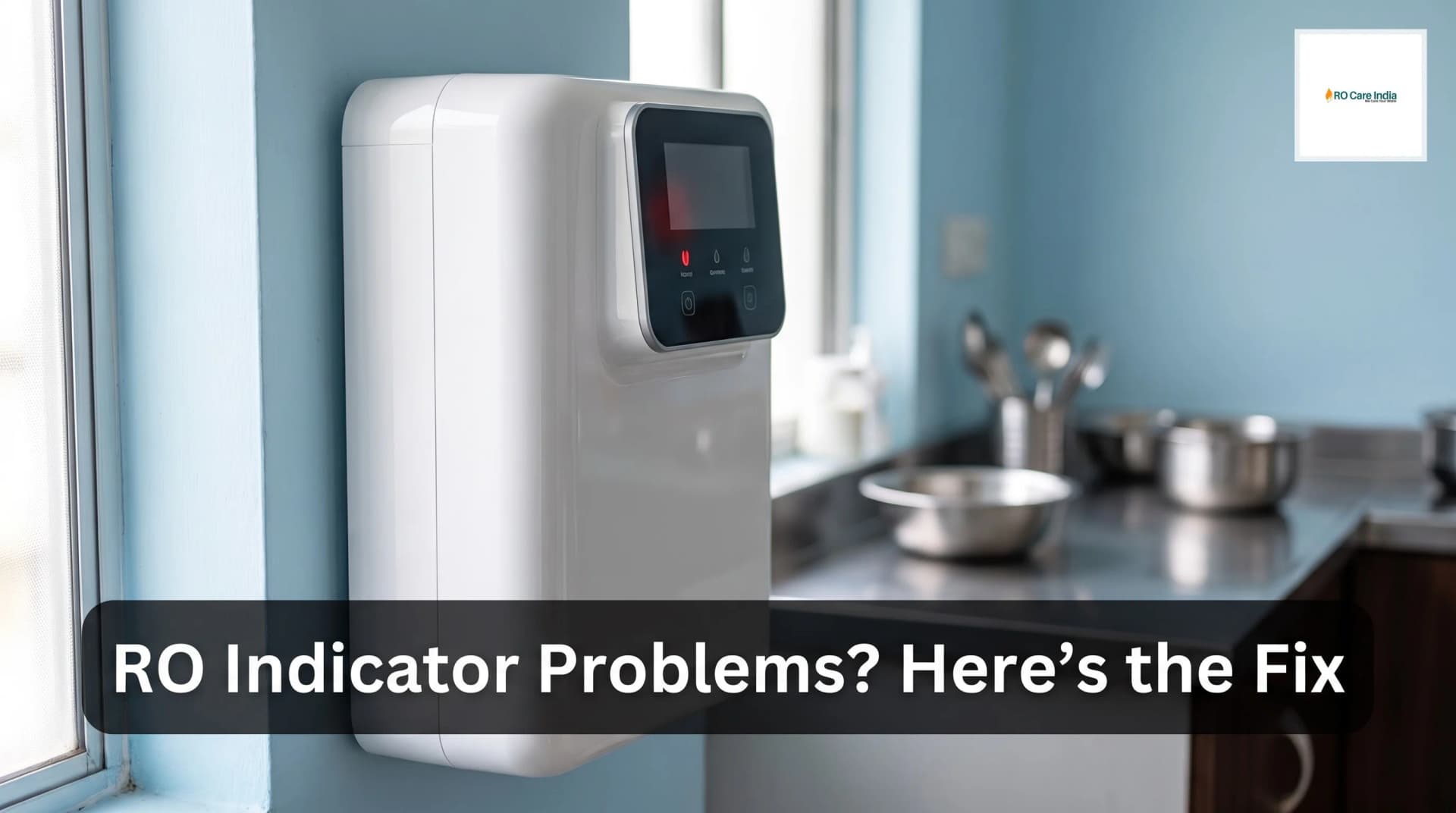
Many households in Kolkata depend on reverse osmosis water purifiers to ensure safe drinking water. These systems come equipped with filter change indicators that alert users when it's time to replace filters. However, residents often encounter situations where the indicator stops working properly, leaving them uncertain about maintenance schedules. Understanding why your RO filter change indicator malfunctions and knowing what steps to take can save you from consuming poorly filtered water and prevent costly damage to your purifier. If you're facing persistent issues, contacting ro service kolkata professionals ensures your system receives proper attention from trained technicians who understand local water conditions.
The filter change indicator serves as your purifier's communication tool, using light signals or digital displays to inform you about filter health. When this critical feature fails, you lose the ability to track when maintenance is due. Kolkata's unique water quality, characterized by high total dissolved solids and varying hardness levels across different neighborhoods, places additional stress on filtration systems. This environmental factor, combined with electrical fluctuations common in the city, often contributes to indicator failures.
Many homeowners attempt DIY troubleshooting before seeking professional help, which is a sensible first step. However, understanding the root causes of indicator malfunction requires knowledge of both mechanical and electronic components. From sensor failures to software glitches, multiple factors could be preventing your indicator from functioning correctly. While some issues are simple fixes, others demand expertise from ro customer care kolkata specialists who have access to genuine replacement parts and diagnostic equipment.
This comprehensive guide explores common reasons behind non-functional filter change indicators in Kolkata homes and provides practical troubleshooting steps. Whether you're dealing with a stuck light, incorrect readings, or complete indicator failure, you'll discover what to check before calling for professional assistance. We'll also discuss when DIY efforts should give way to expert intervention from ro service near me providers who can restore your purifier's monitoring capabilities.
Understanding How RO Filter Change Indicators Work
Filter change indicators operate through different mechanisms depending on your purifier model. Most modern systems use either time-based tracking, volume-based monitoring, or sensor-driven detection. Time-based indicators count days from the last reset and trigger alerts after a predetermined period, typically 180 to 365 days for membrane filters and 90 to 180 days for sediment and carbon filters. Volume-based systems use flow meters to calculate the total water processed, signaling replacement needs after specific litre thresholds.
Advanced purifiers employ sensor technology that measures actual filter performance by monitoring water quality parameters. These sophisticated systems detect changes in total dissolved solids, flow rate reduction, or pressure variations indicating clogged filters. The indicator receives signals from these sensors through the control board, which processes data and activates warning lights or displays when filters require replacement.
Electronic components form the backbone of indicator systems. The control board acts as the central processor, receiving input from sensors and timers while controlling output to LED lights or digital screens. Power supply irregularities, common in Kolkata's residential areas, can disrupt this delicate electronic ecosystem. Circuit board damage from moisture exposure or component aging also affects indicator reliability.
Understanding your specific system helps identify potential failure points. Check your user manual to determine whether your purifier uses timer-based, volume-based, or sensor-based indicators. This knowledge guides your troubleshooting approach and helps you communicate effectively with service technicians when professional intervention becomes necessary.
Common Causes of Indicator Malfunction in Kolkata
Power supply issues top the list of indicator problems in Kolkata homes. Voltage fluctuations during peak hours or monsoon season can damage sensitive electronic components. The indicator system requires stable power to function correctly, and even brief surges can corrupt the control board's programming or damage LED components. Loose electrical connections at the power adapter or main unit also prevent proper indicator operation.
Sensor failures represent another frequent culprit. Flow sensors accumulate sediment over time, especially when dealing with Kolkata's turbid water supplies during monsoons. Clogged sensors fail to detect water flow accurately, causing the indicator to malfunction or provide false readings. Total dissolved solids sensors may develop scaling from mineral deposits, affecting their ability to measure water quality correctly.
Control board malfunctions occur due to several factors. Moisture infiltration during humid months can corrode circuit traces and short-circuit components. Kolkata's high humidity levels, particularly from June through September, accelerate this deterioration. Manufacturing defects or component aging also compromise control board functionality, leading to indicator failures even when sensors work properly.
Software glitches sometimes affect digital indicators. Modern purifiers with microprocessor-based controls can experience programming errors that freeze displays or prevent proper alert generation. These issues often arise after power outages when the system attempts to restart without completing proper initialization sequences.
Physical damage to indicator lights occurs through normal wear or accidental impact. LED bulbs have limited lifespans and eventually burn out, while LCD displays can crack or develop dead pixels. Button malfunctions prevent manual reset operations, leaving indicators stuck on previous readings.
Initial Troubleshooting Steps You Can Perform
Begin with the simplest solution: check your power connection. Ensure the purifier is properly plugged into a working outlet and verify that the power adapter shows indicator lights if equipped. Test the outlet by plugging in another device to confirm electrical supply. Examine the power cord for visible damage like fraying or cuts that might interrupt power delivery.
Attempt a system reset, which resolves many electronic glitches. Unplug your purifier from the power source and wait five minutes before reconnecting. This complete power cycle allows capacitors to discharge fully and resets the control board. Many indicators resume normal operation after this simple procedure. Consult your manual for model-specific reset procedures, as some units require button combinations to perform factory resets.
Inspect the indicator display for physical damage. Check LED lights for burn marks or discoloration indicating failure. For digital displays, look for cracks, moisture behind the screen, or sections that remain dark. Clean the display surface gently with a dry cloth to ensure dirt isn't obscuring indicator lights.
Verify filter installation correctness. Improperly seated filters prevent sensors from detecting installation, causing the indicator to malfunction. Remove and reinstall each filter, ensuring they click into place and engage properly with sensor contacts. Some systems include magnetic or mechanical switches that detect filter presence, and these must align correctly during installation.
Check for visible obstructions in sensor areas. Sediment or mineral buildup around flow sensors impedes their operation. While you should avoid disassembling sensitive components without training, you can inspect accessible areas for obvious blockages. Gently wipe sensor housings with a damp cloth if accessible without tool use.
When to Contact Professional RO Service
Persistent indicator problems after basic troubleshooting require professional diagnosis. If your system shows multiple symptoms like unusual noises, reduced water flow, or taste changes alongside indicator failure, internal component issues likely exist. Technicians from professional service companies possess diagnostic equipment to test sensors, measure circuit board voltages, and identify component failures that home users cannot detect.
Water leakage combined with indicator malfunction suggests serious problems requiring immediate attention. Leaks indicate seal failures or housing cracks that could damage electronic components. Continuing to operate a leaking purifier risks electrical hazards and accelerates deterioration. Professional services can address both the leak source and resulting electronic damage.
Error codes or unusual display patterns warrant expert intervention. Modern purifiers show specific codes indicating different failure modes. Without manufacturer documentation explaining these codes, proper diagnosis becomes impossible. Authorized service technicians access technical manuals and training materials that decode these messages accurately.
Systems under warranty should always receive professional service for indicator issues. Attempting complex repairs yourself voids warranty coverage and potentially worsens problems. Contact authorized service centers that maintain manufacturer authorization to ensure warranty compliance while resolving indicator malfunctions.
If your purifier exceeds five years of age and experiences indicator failure, comprehensive service becomes advisable. Older systems often develop multiple age-related issues simultaneously. Professional evaluation determines whether repair makes economic sense or replacement offers better value. Technicians assess overall system health beyond just the indicator problem.
Preventive Measures to Avoid Future Indicator Problems
Regular maintenance schedules prevent many indicator malfunctions. Follow manufacturer-recommended filter replacement intervals rather than relying solely on indicator alerts. Kolkata's water quality varies by area, with neighborhoods near the Hooghly River experiencing different contamination profiles than those served by deeper groundwater sources. Adjust maintenance frequency based on your local water conditions and consumption patterns.
Install voltage stabilizers to protect electronic components from power fluctuations. Quality stabilizers costing between INR 1500 to INR 4000 shield your purifier from the voltage variations common in Kolkata's electrical supply. This investment protects not just indicators but all electronic systems including pumps and solenoid valves.
Maintain dry conditions around your purifier. Position units away from direct water spray and ensure proper ventilation to prevent moisture accumulation. During monsoon season, periodically wipe down the exterior and check for condensation around electronic housings. Consider using moisture-absorbing packets near the control panel in particularly humid locations.
Schedule annual professional servicing even when your purifier appears to function correctly. Preventive maintenance identifies developing issues before they cause complete failures. Technicians clean sensors, test electronic components, update software if applicable, and verify all safety mechanisms work properly. Annual service costs typically range from INR 500 to INR 1500 but prevent expensive emergency repairs.
Keep your purifier's manual and warranty documents accessible. Documenting maintenance dates, service visits, and filter changes helps track system health and supports warranty claims if needed. Note any unusual behavior immediately and report it during service visits, as early intervention prevents minor issues from becoming major failures.
Cost Considerations for Indicator Repairs and Replacements
Understanding repair costs helps you make informed decisions when indicator problems arise. Diagnostic visits from qualified service providers typically cost between INR 200 to INR 500 in Kolkata, though some companies waive this fee if you proceed with recommended repairs. Simple fixes like control board resets or loose connection tightening often incur only the visit charge.
Component replacement costs vary significantly based on parts needed. LED indicator assemblies typically range from INR 300 to INR 800, while digital display modules cost between INR 1000 to INR 2500. Complete control boards represent major expenses, ranging from INR 2000 to INR 5000 depending on purifier brand and model complexity. Flow sensors cost approximately INR 400 to INR 1200, while total dissolved solids sensors range from INR 800 to INR 2000.
Labor charges for indicator repairs typically add INR 300 to INR 800 to parts costs. Complex repairs requiring multiple component replacements or extensive disassembly command higher labor fees. Service providers often offer package deals combining multiple repairs at discounted rates compared to addressing issues individually.
Compare repair costs against replacement when facing expensive repairs on older systems. If indicator repair approaches 40-50 percent of a new purifier's cost and your system exceeds six years of age, replacement often makes better financial sense. New purifiers include full warranties and improved efficiency that offset higher initial costs through lower operating expenses.
Comparison of Indicator Types and Reliability
| Indicator Type | Average Lifespan | Maintenance Needs | Repair Cost Range | Reliability Rating |
|---|---|---|---|---|
| LED Light Based | 3-5 years | Low | INR 300-800 | Good |
| Digital Display | 4-6 years | Moderate | INR 1000-2500 | Very Good |
| Smart App Connected | 5-7 years | Low | INR 1500-4000 | Excellent |
| Mechanical Timer | 2-4 years | High | INR 400-1000 | Fair |
| Sensor Based | 4-6 years | Moderate | INR 1200-3000 | Very Good |
Choosing Future Systems With Better Indicator Reliability
When replacing your purifier or purchasing a new one, prioritize models with robust indicator systems. Smart purifiers with mobile app connectivity offer superior monitoring capabilities and redundancy. If the physical display fails, the app continues providing filter status information. These systems typically cost INR 3000 to INR 8000 more than basic models but offer enhanced reliability and convenience.
Look for systems with separate indicators for each filter stage. Multi-stage alerts prevent confusion and ensure you replace only filters that actually need changing. This feature prevents unnecessary filter expenses while ensuring optimal performance from each component.
Consider purifiers with audible alerts in addition to visual indicators. Sound notifications ensure you notice filter change requirements even if you don't regularly check the display. Models combining multiple alert methods provide redundancy that maintains awareness even if one indicator type fails.
Evaluate warranty coverage specifically addressing electronic components. Comprehensive warranties covering control boards and sensor assemblies for three to five years protect against expensive repairs during the period when indicator failures most commonly occur. Extended warranty options available during purchase often provide cost-effective protection for homes with power quality issues.
Read user reviews focusing on indicator reliability before purchasing. Real-world experiences from other Kolkata residents highlight models with proven track records in local conditions. Online forums and consumer review sites provide valuable insights into which brands maintain reliable indicator performance over years of use.
Conclusion
Filter change indicators serve as essential tools for maintaining your RO purifier's performance and ensuring water quality remains optimal. When these indicators malfunction, addressing the issue promptly prevents filter degradation that compromises your family's health. Understanding common causes like power fluctuations, sensor failures, and control board issues empowers you to perform basic troubleshooting and recognize when professional help becomes necessary.
Kolkata's unique environmental conditions, from high humidity to variable power supply and diverse water quality profiles across neighborhoods, create specific challenges for indicator systems. Regular maintenance, protective measures like voltage stabilizers, and prompt attention to developing issues extend indicator lifespan while maintaining purifier efficiency. Whether you resolve simple problems yourself or engage professional technicians for complex repairs, maintaining functional indicators ensures your filtration system operates at peak performance, providing safe drinking water for years to come.
Living in Kolkata with hard water challenges makes RO purifier maintenance crucial for your family's health. When your filter change indicator malfunctions, you might miss critical replacement schedules, compromising water quality. Learn more about common causes like sensor issues, electrical problems, membrane blockages, and water quality impacts specific to Kolkata's conditions. Discover how regular maintenance checks can restore indicator functionality and explore further into troubleshooting steps that help you identify whether it's a simple reset issue or requires professional attention to keep your purification system running optimally.
Related Blogs
- Why Does My RO Water Taste Different After Filter Change?
- RO Booster Pump Failure in Kolkata: How to Fix It?
- Why RO Display Panel Not Responding in Kolkata: How to Fix it?
- Why Is My RO Purifier Leaking From the Tap in Kolkata and How to fix it?
- Why RO Red Light Blinking in Kolkata: What It Means and How to Fix It