
RO Purifier Air Lock Problem in Kolkata: How to Identify and Fix It
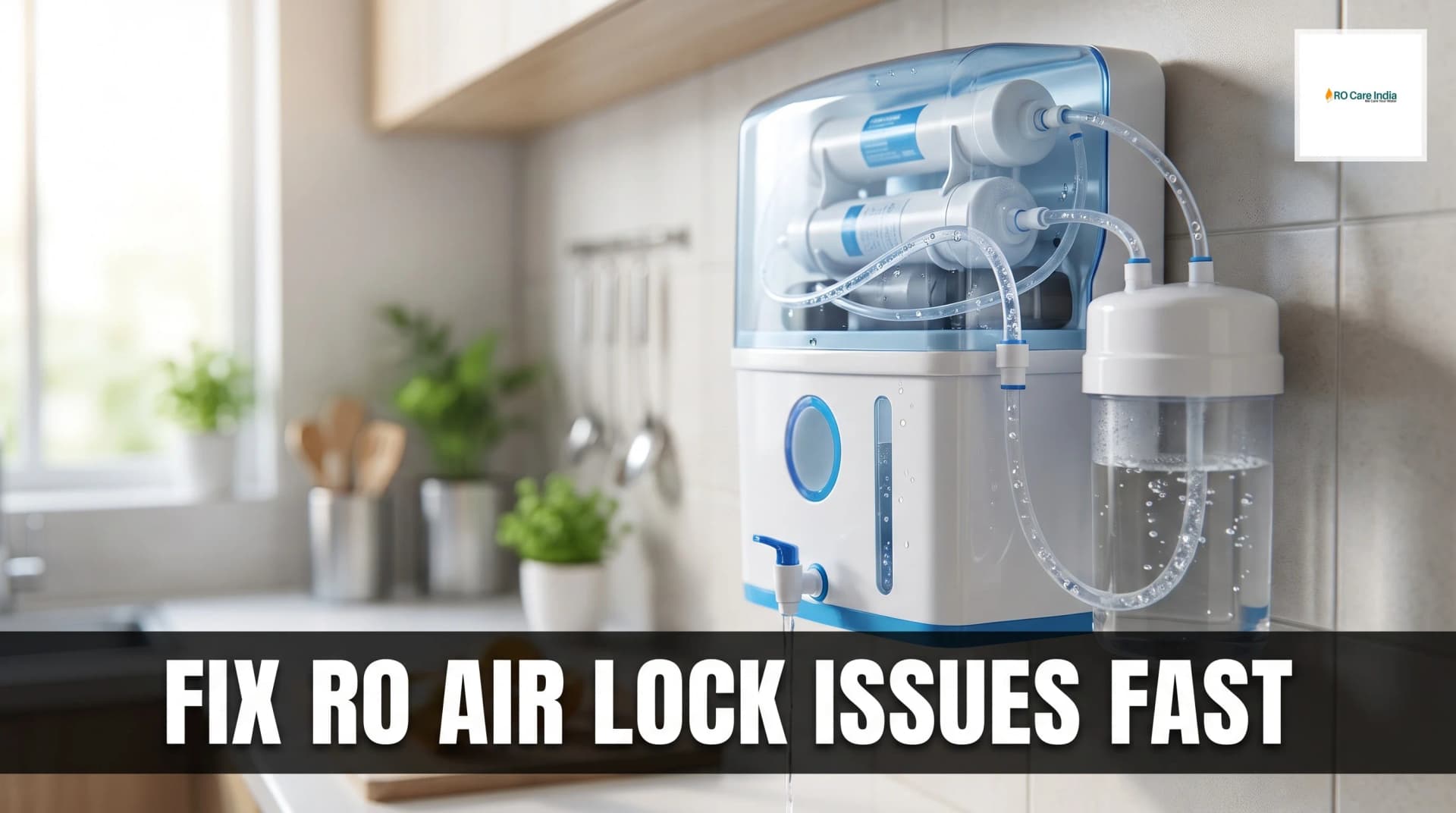
RO Purifier Air Lock Problem in Kolkata: How to Identify and Fix It
Water purifiers have become an essential appliance in every Kolkata household, ensuring safe and clean drinking water for families. However, like any mechanical device, RO purifiers can develop issues over time, with air lock problems being one of the most common yet frustrating challenges homeowners face. If you've noticed reduced water flow, strange noises, or complete stoppage of water output from your purifier, you might be dealing with an air lock situation. Understanding how to identify and address this problem promptly can save you time, money, and the inconvenience of being without purified water. Many residents search for reliable ro service kolkata providers when encountering such issues, but knowing the basics of air lock problems can help you determine whether it's a DIY fix or requires professional intervention.
Air lock in RO purifiers occurs when air bubbles get trapped in the water lines, membrane housing, or other components of the purification system, creating a blockage that prevents normal water flow. This phenomenon is particularly common in Kolkata due to irregular water supply patterns, frequent power cuts affecting pump operations, and the city's unique water pressure fluctuations. The humid climate and seasonal variations in water availability can exacerbate these issues, making air lock problems more prevalent during certain times of the year. Whether you live in Salt Lake, New Town, South Kolkata, or any other area of the city, understanding air lock problems is crucial for maintaining your water purifier's efficiency.
Many homeowners panic when they first encounter air lock issues, immediately reaching for their ro customer care number kolkata contact, but the good news is that many air lock problems can be resolved with simple troubleshooting steps. Recognizing the symptoms early and taking appropriate action can prevent minor issues from escalating into major repairs requiring expensive component replacements. The key is knowing what signs to look for and understanding the underlying causes that lead to air lock formation in your RO system.
In this comprehensive guide, we'll walk you through everything you need to know about RO purifier air lock problems specific to Kolkata conditions, from identification techniques to step-by-step fixing procedures, preventive measures, and when to call for professional ro service assistance.
Understanding What Causes Air Lock in RO Purifiers
Air lock problems in water purifiers don't just appear randomly; they result from specific conditions and situations that allow air to enter and become trapped in the system. The most common cause in Kolkata households is irregular water supply. When municipal water supply is interrupted and then restored, air can enter the inlet pipes and get pushed into the purifier system along with the water flow. This is especially problematic in areas that experience frequent water supply disruptions or rely on overhead tanks that periodically run empty.
Low inlet water pressure represents another significant factor contributing to air lock formation. RO systems require a minimum pressure of 40-60 PSI to function optimally. When water pressure drops below this threshold, the system struggles to push water through the membranes and filters effectively, creating opportunities for air pockets to form. In neighborhoods across Kolkata where water pressure naturally varies throughout the day, this becomes a recurring challenge that residents must address proactively.
Improper installation or recent maintenance work can also introduce air into the system. If technicians don't properly purge air from the lines after filter replacement or membrane servicing, trapped air bubbles can remain in the system and cause blockages. Additionally, loose connections at various junction points can allow air to seep into the water lines gradually. The O-rings and seals that maintain airtight connections can deteriorate over time due to Kolkata's humidity and temperature variations, creating small gaps where air infiltration occurs.
The RO pump itself can be a source of air lock problems when it malfunctions or operates inefficiently. A failing pump may create suction irregularities that draw air into the system instead of maintaining consistent water flow. Filter clogging is another contributing factor; when pre-filters become heavily contaminated with sediment, they restrict water flow, causing the pump to work harder and potentially drawing air through imperfect seals. Understanding these causes helps in both preventing air locks and diagnosing them accurately when problems arise.
Identifying Air Lock Problems in Your RO Purifier
Recognizing the symptoms of air lock early allows for quicker resolution and prevents potential damage to purifier components. The most obvious sign is significantly reduced or completely stopped water output from the purifier faucet despite the system appearing to run normally. You might notice that the purification process seems to be operating, with indicator lights showing normal status, but little to no water collects in the storage tank or flows from the dispensing tap.
Listen carefully to your purifier for unusual sounds that indicate air lock issues. Gurgling, sputtering, or excessive noise from the pump often signals air trapped in the lines. These sounds occur as the pump attempts to push air bubbles through the system along with water, creating turbulence and irregular flow patterns. Some homeowners describe hearing a "choking" sound, as if the system is struggling to process water normally, which is precisely what happens when air occupies space meant for water.
Check the storage tank behavior as another diagnostic indicator. In a properly functioning system, the tank fills steadily over several hours depending on capacity. With air lock, the tank may take unusually long to fill, fill only partially, or show pressure gauge readings that fluctuate abnormally. You might also observe that water flows normally for a few seconds when you first open the tap but then reduces to a trickle or stops completely as trapped air reaches the dispensing point.
Visual inspection can reveal air lock symptoms too. If your purifier has transparent housing sections or visible tubing, look for air bubbles moving through the lines or stationary air pockets that appear as gaps in the water column. The reject water line is another clue; if you notice sputtering or intermittent flow from the drain line instead of steady discharge, air is likely disrupting the normal filtration process. Many Kolkata residents experiencing these symptoms immediately search for professional water purifier maintenance solutions, but understanding these identification techniques empowers you to assess the situation first.
Step-by-Step Guide to Fixing Air Lock Problems
Resolving air lock issues often requires a systematic approach that addresses different potential trouble spots in your RO system. Begin with the simplest solution: turn off the water inlet valve and the purifier power supply completely. Wait for about 10-15 minutes to allow the system to depressurize. Then slowly open the inlet valve while keeping the purifier off, allowing water to flow through the lines and potentially push out trapped air naturally. After water flows steadily for a minute, turn the purifier back on and check if normal operation resumes.
If the basic reset doesn't work, proceed to manual air purging from the system components. First, locate the membrane housing, which is typically a large cylindrical component. You'll need to carefully release the pressure in this housing by loosening the housing cap slightly while holding a container underneath to catch any water discharge. As you slowly unscrew the cap a quarter turn, you should hear air hissing out. Once the hissing stops and only water flows, tighten the cap securely. This technique releases major air pockets trapped in the membrane housing.
Next, address the pre-filter housings using a similar approach. Most RO systems have 2-3 pre-filter stages that can trap air. Turn off the inlet supply and release pressure by pressing the pressure release button if your system has one, or carefully loosen each housing slightly to allow air escape. After purging air from all housings, ensure all connections are hand-tightened securely to prevent new air from entering the system through gaps.
Check and clean the inlet valve strainer, as debris accumulation here can create conditions favoring air entry. Disconnect the inlet pipe connection, remove the small mesh strainer typically found inside, clean it thoroughly, and reinstall. This ensures unrestricted water flow into the system. Similarly, inspect all tubing connections for signs of looseness or wear. If you find any suspect connections, disconnect them, check the tube ends for damage, trim if necessary, and reconnect firmly, pushing the tube into the fitting until you feel it lock in place.
For persistent air lock problems, you may need to completely drain the system and refill it with proper air purging. Close the inlet valve and storage tank valve, then open the purifier faucet to drain all water from the system. Once drained, close the faucet, slowly open the inlet valve, and let the system fill while keeping the tank valve closed. This forces water through all components, pushing out air more effectively. After the system runs for 10-15 minutes, open the tank valve to allow the tank to fill. Many people contact professional technicians for this procedure, but with careful attention to steps, it's manageable at home.
Prevention Strategies to Avoid Future Air Lock Issues
Preventing air lock problems proves far easier than repeatedly fixing them. Establish a regular maintenance schedule that includes checking all connections monthly for tightness and integrity. The tube fittings in RO systems can gradually loosen due to vibrations from the pump and pressure fluctuations, so periodic inspection prevents air infiltration before it becomes problematic. Pay special attention to connections after any maintenance work or filter changes.
Consider installing a pressure stabilizer or booster pump if your area experiences consistently low water pressure. Many Kolkata neighborhoods face pressure variations that contribute to air lock formation, and maintaining steady inlet pressure significantly reduces this risk. A pressure gauge installed at the inlet helps you monitor conditions and take preventive action when pressure drops below optimal levels. Target maintaining inlet pressure between 45-65 PSI for best results.
Replace filters and membranes according to manufacturer recommendations rather than waiting for performance degradation. Clogged filters force the system to work harder, creating suction irregularities that can draw air into the lines. Typically, sediment and carbon pre-filters require replacement every 6-12 months depending on water quality, while RO membranes last 2-3 years with proper maintenance. Keeping these components fresh ensures smooth water flow and reduces air lock likelihood.
During periods of water supply interruption, shut off your RO purifier completely rather than leaving it running dry. When you know water supply will be cut for extended periods, close the inlet valve and turn off the system. When supply resumes, follow the proper startup procedure: open the inlet valve slowly, check for steady water flow, then power on the purifier. This controlled approach minimizes air entry during supply restoration. Create a checklist for this procedure and keep it near your purifier for family members to follow.
Install an air release valve in the inlet line if air lock problems persist despite other preventive measures. These simple devices automatically release trapped air while allowing water to flow normally, providing continuous protection against air accumulation. While this requires professional installation, it offers long-term prevention that justifies the initial investment for households experiencing frequent air lock issues.
When to Call for Professional RO Service Assistance
While many air lock problems can be resolved through DIY troubleshooting, certain situations require professional intervention to avoid damaging your purifier or creating unsafe conditions. If you've attempted the basic fixing procedures without success after 2-3 tries, it's time to contact qualified technicians who have specialized tools and expertise for complex air lock situations. Persistent problems often indicate underlying issues beyond simple air entrapment, such as pump malfunction, internal valve failures, or membrane damage requiring expert diagnosis.
Call for professional help immediately if you notice water leaking from any component during your troubleshooting attempts. Leaks indicate seal failures or damaged housings that need proper repair or replacement rather than temporary fixes. Continuing to operate a leaking system risks water damage to surrounding areas and potential contamination of purified water if leaks occur at critical filtration points. Technicians can identify whether leaks result from worn O-rings, cracked housings, or improper assembly and implement appropriate solutions.
If your system is still under warranty, professional service becomes even more important. Attempting extensive DIY repairs may void warranty coverage, leaving you responsible for expensive component replacements that would otherwise be covered. Check your warranty terms and contact the authorized service provider to ensure repairs maintain warranty protection. When searching for maintenance options, verify that technicians are certified and authorized to work on your specific purifier model.
Electrical issues combined with air lock symptoms require immediate professional attention for safety reasons. If you notice the pump running continuously without producing water, making burning smells, or if circuit breakers trip when the purifier operates, electrical problems may be contributing to or resulting from air lock conditions. Only qualified technicians should diagnose and repair electrical components to prevent shock hazards and fire risks.
For commercial or large-capacity RO systems, professional service is generally recommended even for seemingly simple air lock problems. These systems operate at higher pressures and volumes, making them potentially dangerous for untrained individuals to service. The complexity of commercial systems and their critical role in providing water for multiple users justify professional intervention to ensure proper, lasting repairs.
Different Types of Air Lock Scenarios and Solutions
Air locks manifest differently depending on where they occur in the RO system, and recognizing these variations helps target solutions effectively. Pre-filter air locks typically cause sputtering at the purifier outlet and visible air bubbles in transparent filter housings. This type responds well to housing depressurization and refilling. If you see air trapped in the first stage sediment filter housing, the problem likely originated from the inlet supply during a water interruption or from a loose housing connection allowing air infiltration.
Membrane housing air locks create more serious flow restriction since they occur at the heart of the purification process. Symptoms include very low or no purified water production while reject water continues flowing normally. The membrane chamber's size allows larger air pockets to form, requiring thorough purging. This scenario often needs the complete drain-and-refill procedure to resolve, as simple depressurization may not fully evacuate trapped air from the membrane chamber's complex internal structure.
Storage tank air locks present differently, with the tank feeling light when it should be full, or dispensing tap producing weak flow despite tank pressure gauge showing normal readings. This occurs when air displaces water inside the bladder tank, and resolution requires isolating and draining the tank specifically. Close the tank valve, open the dispensing tap to drain the tank completely, then close the tap and reopen the tank valve to allow proper refilling without air pockets.
Pump chamber air locks cause the most alarming symptoms, including loud knocking sounds, overheating, and continuous running without water production. This represents the most damaging air lock type since running the pump dry can burn out the motor. Immediate shutdown is essential, followed by complete system depressurization and refilling. If pump damage has occurred from extended dry running, component replacement may be necessary, making early detection critical. Regular monitoring of pump sounds and operating temperature helps catch this problem before permanent damage occurs.
Distribution line air locks typically affect the connection between the storage tank and dispensing tap, causing sputtering or air release from the tap even when the tank is full. This often results from improper connection during installation or maintenance. Disconnecting and properly reconnecting the distribution line while ensuring all air is purged from the tubing resolves this issue. Check that the distribution line doesn't have high loops or kinks where air can accumulate, and maintain a gentle downward slope from tank to tap where possible.
Conclusion
Air lock problems in RO purifiers represent a common challenge for Kolkata households, but with proper understanding and systematic troubleshooting, most issues can be resolved effectively without extensive technical expertise. The key lies in early identification of symptoms like reduced water flow, unusual noises, and filling delays, followed by methodical application of solutions ranging from simple system resets to manual air purging from various components. Understanding the specific causes relevant to Kolkata's water supply patterns, pressure fluctuations, and climate conditions helps both in resolving current problems and preventing future occurrences.
Regular maintenance, including connection checks, timely filter replacements, and proper shutdown procedures during water supply interruptions, significantly reduces air lock frequency and severity. While many air lock problems can be addressed through DIY methods, knowing when to seek professional assistance protects your investment and ensures safe, effective repairs. By combining preventive practices with prompt troubleshooting when issues arise, Kolkata residents can maintain reliable RO purifier performance and enjoy continuous access to clean, purified drinking water for their families.
Related Blogs
- Why Aquaguard Leaking From Filter Housing in Kolkata: How to Fix it?
- RO Power Light Blinking But No Water: What's Wrong and How to Fix It?
- Why RO Filter Change Indicator Not Working in Kolkata: What to Check?
- Why Does My RO Water Taste Different After Filter Change?
- RO Booster Pump Failure in Kolkata: How to Fix It?