
Best RO Plant in Gurgaon
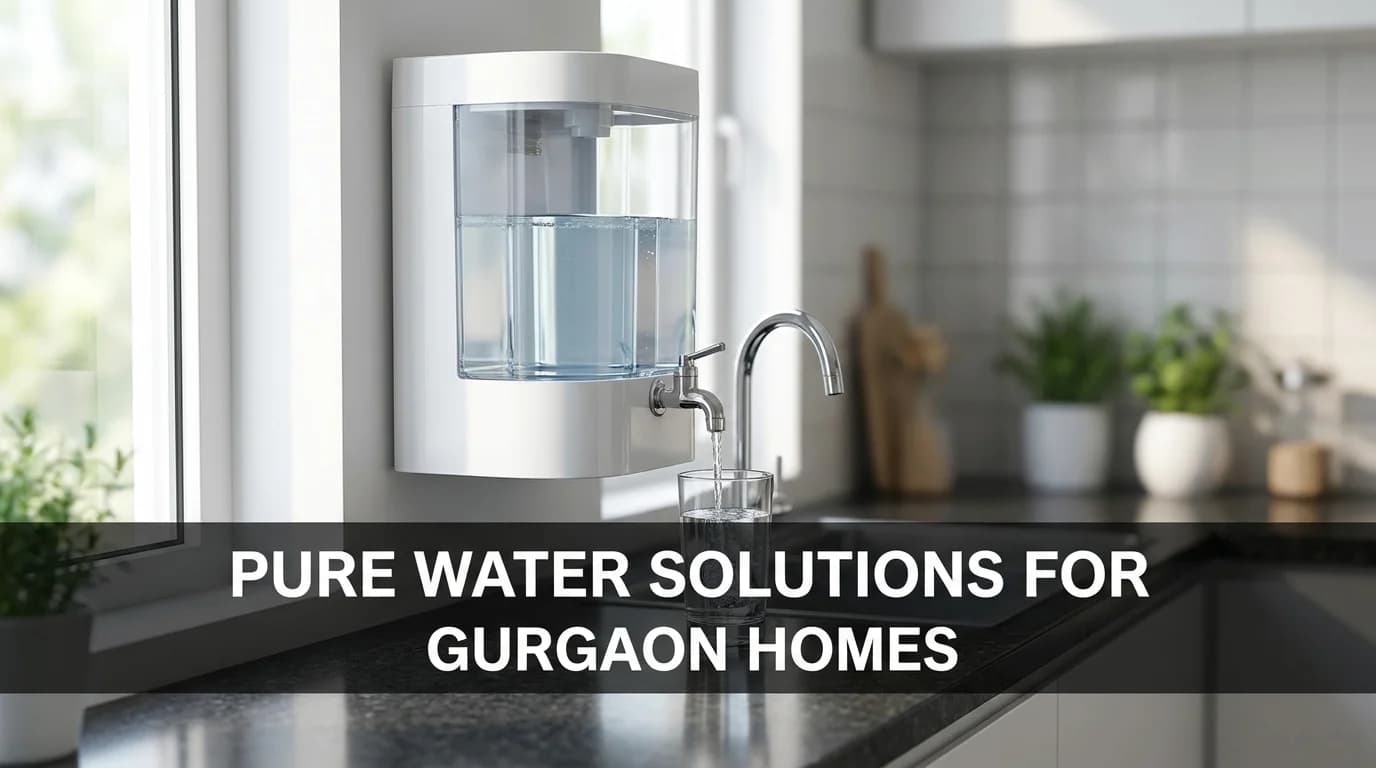
Complete Guide to RO Plants in Gurgaon: Installation, Service, and Maintenance Solutions
Clean and safe drinking water is no longer a luxury but a necessity in today's world, especially in rapidly developing cities like Gurgaon. With increasing water pollution and contamination levels, investing in a reliable RO plant has become essential for both homes and businesses. The groundwater in Gurgaon often contains high levels of Total Dissolved Solids (TDS), heavy metals, and harmful bacteria that make it unsafe for direct consumption. Whether you are searching for an ro plant near me or need professional installation services, understanding the complete ecosystem of water purification systems is crucial for making an informed decision.
Gurgaon, being a major industrial and residential hub in the National Capital Region, faces unique water quality challenges. The rapid urbanization and population growth have put tremendous pressure on the city's water resources. Studies indicate that over 60 percent of groundwater samples in Gurgaon exceed the permissible TDS limits set by the Bureau of Indian Standards. This alarming statistic makes having a proper ro plant service in gurgaon not just important but essential for health and wellbeing.
The demand for reverse osmosis technology has surged dramatically in recent years, with both homeowners and business establishments recognizing the importance of purified water. From small apartments to large commercial complexes, the need for customized water purification solutions has created a robust market for ro plant installation services. The technology has evolved significantly, offering solutions that range from compact under-counter units to large-scale industrial systems capable of purifying thousands of liters daily.
Understanding what to look for in a water purification system, how to maintain it, and where to find reliable ro plant service can save you considerable money and ensure your family or employees have access to clean, healthy water. This comprehensive guide will walk you through everything you need to know about selecting, installing, and maintaining a reverse osmosis system tailored to your specific needs in Gurgaon.
Understanding RO Plant Technology and Its Importance
Reverse osmosis technology works on a simple yet highly effective principle of removing dissolved impurities from water. An ro plant uses a semi-permeable membrane that allows water molecules to pass through while blocking contaminants like heavy metals, pesticides, fluorides, nitrates, and harmful bacteria. The process typically involves multiple filtration stages including pre-filters, the RO membrane, and post-filters that ensure comprehensive purification.
The working mechanism involves applying pressure to push water through the membrane, which has microscopic pores measuring approximately 0.0001 microns. This incredibly fine filtration removes up to 95 percent of dissolved solids, making it one of the most effective purification methods available. For Gurgaon residents dealing with TDS levels ranging from 500 to 1500 parts per million, this technology becomes indispensable.
Different capacity systems serve various purposes. Residential units typically range from 50 to 500 liters per day, suitable for families of four to ten members. Commercial establishments like offices, restaurants, and hotels require larger systems ranging from 500 to 5000 liters per day. Industrial ro plant installations can handle even higher capacities, sometimes purifying over 10,000 liters daily for manufacturing processes or large workforce requirements.
The health benefits of using purified water extend beyond just taste improvement. Regular consumption of water with high TDS levels can lead to kidney problems, digestive issues, and long-term health complications. Children and elderly family members are particularly vulnerable to waterborne diseases caused by bacteria and viruses present in untreated water. Installing a quality ro plant in gurgaon addresses these health concerns effectively.
Types and Variants of RO Plants Available
The market offers diverse options tailored to different needs and budgets. Understanding these variants helps in selecting the most appropriate system for your specific requirements.
Residential RO Plants are designed for household consumption and typically feature 5 to 7 purification stages. These compact systems fit easily under kitchen counters or can be wall-mounted. Capacities range from 8 to 15 liters per hour, sufficient for average family needs. These systems usually include sediment filters, activated carbon filters, RO membranes, and UV sterilization for comprehensive protection.
Commercial RO Systems cater to offices, educational institutions, hospitals, and hospitality businesses. These systems handle higher water flow rates and are built with robust components for continuous operation. Capacities start from 50 liters per hour and can go up to 500 liters per hour. They often include storage tanks ranging from 100 to 500 liters and feature advanced monitoring systems.
Industrial RO Plants serve manufacturing units, pharmaceutical companies, and large-scale operations requiring high-purity water. These systems incorporate sophisticated pre-treatment processes, multiple membrane housings, and automated controls. They can process anywhere from 1000 to 100,000 liters per day depending on industrial requirements.
Packaged Drinking Water Plants represent specialized systems designed for bottling operations. These comprehensive setups include water treatment, filling, sealing, and packaging capabilities. They must comply with strict BIS standards and typically process 500 to 2000 liters per hour.
RO Plant Installation Process and Requirements
Professional ro plant installation ensures optimal performance and longevity of your water purification system. The process involves several critical steps that should never be overlooked.
The installation begins with a thorough water quality assessment. Technicians collect water samples to test TDS levels, pH balance, hardness, and presence of specific contaminants. This analysis determines the appropriate system configuration and any additional pre-treatment requirements. In Gurgaon, where water quality varies significantly across localities, this step becomes particularly important.
Site preparation includes identifying suitable installation locations with adequate water pressure, electrical connections, and drainage facilities. Wall-mounted systems require sturdy walls capable of supporting the unit's weight when filled. Under-counter installations need sufficient cabinet space with easy access for maintenance. The installation area should be protected from direct sunlight and extreme temperatures.
The actual ro plant installation involves connecting inlet water supply, setting up pre-filters, mounting the RO membrane housing, installing the storage tank, and establishing the drainage system for reject water. Professional installers ensure all connections are leak-proof and properly sealed. Electrical connections for the pump and UV lamp (if included) must comply with safety standards.
Post-installation testing runs for several hours to flush out any manufacturing residues and ensure the system operates correctly. Technicians verify water output quality, check for leaks, test automatic shut-off features, and demonstrate operation to users. Proper documentation including warranty cards and user manuals should be provided.
Comprehensive RO Plant Service and Maintenance
Regular ro plant service in gurgaon is essential for maintaining water quality and extending system lifespan. Neglecting maintenance can lead to decreased efficiency, higher electricity consumption, and potential health risks.
Filter Replacement Schedule: Sediment and carbon pre-filters require replacement every 6 to 8 months depending on water quality and usage. The RO membrane, the heart of the system, typically lasts 2 to 3 years with proper maintenance. Post-carbon filters need changing every 12 months. UV lamps should be replaced annually even if still functioning, as their germicidal effectiveness diminishes over time.
Routine Maintenance Tasks: Monthly checks should include inspecting for leaks, cleaning the storage tank, and verifying water flow rates. Quarterly servicing involves professional inspection of all components, checking water pressure, testing TDS levels, and sanitizing the system. Annual comprehensive service includes complete system evaluation, replacing worn parts, and updating any software in automated systems.
Common problems that require immediate ro plant service in gurgaon include low water pressure indicating clogged filters or membrane, unusual taste or odor suggesting filter exhaustion, continuous water wastage pointing to faulty auto-shut valves, and noisy operation indicating pump issues. Addressing these problems promptly prevents major breakdowns and costly repairs.
| Maintenance Component | Replacement Frequency | Approximate Cost (INR) |
|---|---|---|
| Sediment Filter | 6-8 months | 200-400 |
| Carbon Pre-Filter | 6-8 months | 300-500 |
| RO Membrane | 2-3 years | 2000-4000 |
| Post-Carbon Filter | 12 months | 250-450 |
| UV Lamp | 12 months | 800-1500 |
| Complete Service | Quarterly | 500-1000 |
Finding Reliable RO Plant Service Near You
Locating dependable service providers when searching for ro plant near me requires careful evaluation of several factors. The proximity of service centers directly impacts response time during emergencies and influences long-term maintenance costs.
Evaluate service providers based on their technical expertise, experience in handling various system types, and availability of genuine spare parts. Companies with trained technicians who understand local water quality issues in Gurgaon provide better service outcomes. Check for certifications and affiliations with water quality associations.
Customer reviews and testimonials offer valuable insights into service quality and reliability. Online platforms and community forums provide genuine feedback from users who have experienced these services firsthand. Pay attention to comments about response time, technician professionalism, pricing transparency, and problem resolution effectiveness.
Service packages and annual maintenance contracts often provide better value than ad-hoc repairs. These packages typically include scheduled visits, priority service, discounted parts, and free emergency calls. Compare different providers' offerings, ensuring the contract covers all essential services without hidden charges.
The availability of emergency services distinguishes exceptional service providers from average ones. Water purification systems can fail unexpectedly, and prompt response becomes critical. Providers offering 24-hour helplines and same-day service demonstrate commitment to customer satisfaction.
Cost Considerations and Investment Planning
Understanding the financial aspects of owning an ro plant helps in making informed investment decisions. Costs extend beyond the initial purchase price to include installation, maintenance, and operational expenses.
Initial Investment Range: Basic residential systems in Gurgaon start from approximately 8,000 INR for entry-level models and can reach 25,000 INR for advanced systems with UV sterilization and mineral cartridges. Commercial units range from 40,000 to 200,000 INR depending on capacity and features. Industrial installations require custom quotations based on specific requirements, often starting from 500,000 INR.
Installation charges for ro plant installation vary based on system complexity and site conditions. Simple under-counter residential installations typically cost 1,500 to 3,000 INR, while commercial systems may require 5,000 to 15,000 INR for professional setup. These charges usually include basic plumbing work and electrical connections.
Operating costs include electricity consumption, which ranges from 25 to 60 watts for residential systems, translating to approximately 50 to 150 INR monthly depending on usage patterns. Water wastage in conventional RO systems produces 3 to 4 liters of reject water for every liter of purified water, though newer efficient models have improved these ratios significantly.
Long-term maintenance expenses should factor into your budget planning. Annual maintenance costs typically range from 3,000 to 6,000 INR for residential systems and 10,000 to 30,000 INR for commercial units. These expenses cover filter replacements, membrane servicing, and routine checks.
Selecting the Right RO Plant for Your Needs
Making the optimal choice when investing in an ro plant in gurgaon requires evaluating multiple factors aligned with your specific requirements.
Capacity Assessment: Calculate daily water consumption based on the number of users. Average per-person consumption ranges from 3 to 4 liters daily for drinking and cooking purposes. Multiply by the number of family members or employees to determine minimum capacity requirements. Adding a 20 percent buffer ensures adequate supply during peak usage.
Water Quality Analysis: Understanding your source water characteristics guides system selection. High TDS levels above 1000 ppm may require additional pre-treatment or more robust membranes. Presence of specific contaminants like iron, fluoride, or arsenic might necessitate specialized filtration stages. Municipal water supplies typically have fewer contaminants compared to borewell sources.
Space Availability: Measure the installation area carefully, considering both the purification unit and storage tank dimensions. Wall-mounted systems save floor space but require adequate wall strength. Under-counter models offer aesthetic advantages but need accessible cabinet space for maintenance.
Feature Requirements: Essential features include TDS controllers for maintaining healthy mineral balance, UV sterilization for complete bacterial protection, and storage tank capacity matching usage patterns. Advanced features like mineral cartridges, smart monitoring systems, and automatic flushing enhance convenience and water quality.
Conclusion
Investing in a quality ro plant represents a crucial decision for ensuring safe drinking water in Gurgaon's challenging water quality environment. From understanding the technology and selecting the appropriate system type to ensuring professional ro plant installation and maintaining regular service schedules, each aspect contributes to optimal system performance. The city's unique water quality challenges make locating reliable ro plant service in gurgaon essential for long-term satisfaction and health benefits.
Whether you are a homeowner seeking a compact solution or a business requiring commercial capacity systems, the key lies in thorough research, professional installation, and commitment to regular maintenance. By following the guidelines outlined in this comprehensive guide, you can make informed decisions that provide years of safe, purified water. The investment in a proper reverse osmosis system pays dividends through improved health outcomes, reduced medical expenses, and peace of mind knowing your family or organization has access to clean, safe drinking water throughout 2026 and beyond.
Discover how the right RO plant can transform water quality for your Gurgaon property. Learn more about TDS reduction technology, multi-stage filtration systems, and how different capacities suit residential versus commercial needs. Explore further into maintenance schedules, filter replacement timelines, and water quality testing methods that ensure consistent purification. Stay informed about the latest advancements in reverse osmosis technology and what certifications to look for when evaluating options.