
Why You Need 500 LPH Ro Plant
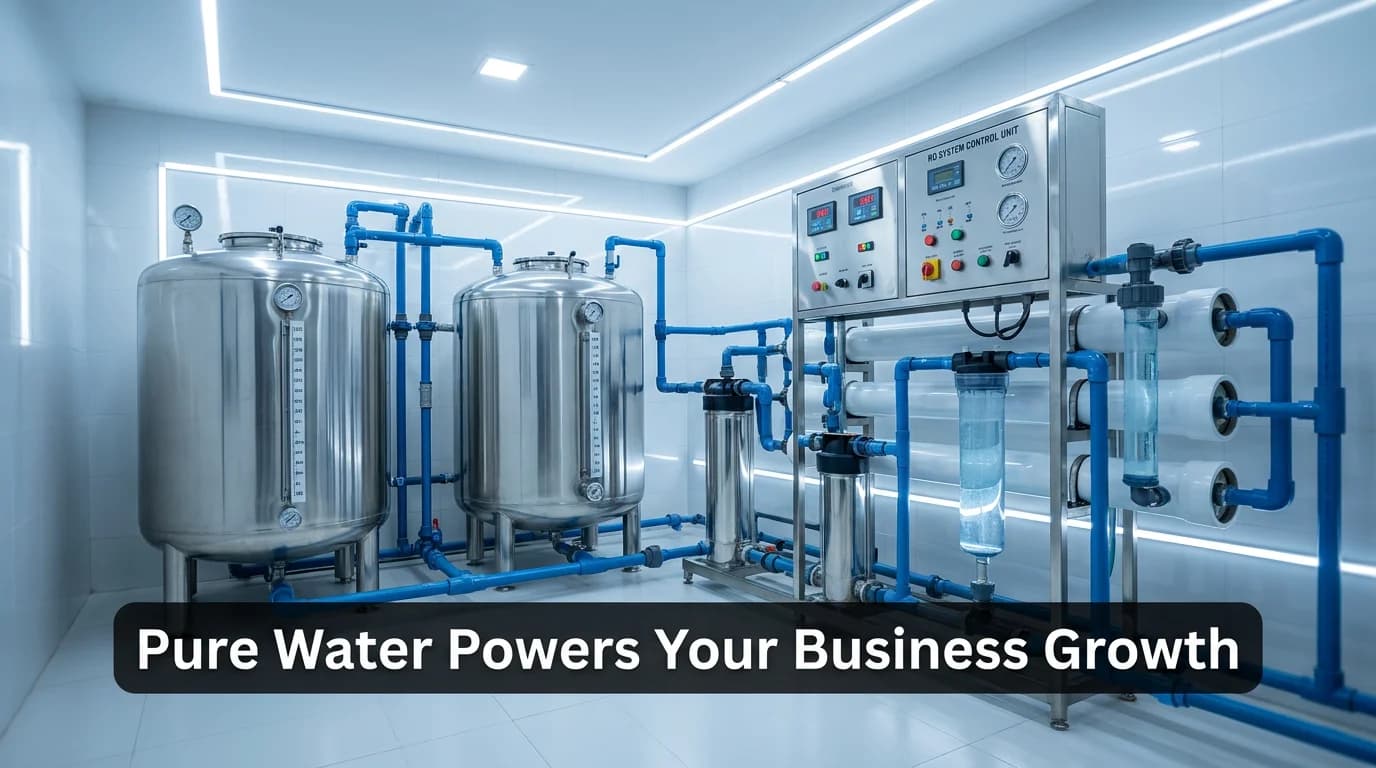
Why a 500 LPH RO Plant is the Smart Investment for Growing Businesses in 2026
Clean water is no longer a luxury but a fundamental requirement for any business operation in India today. Whether you run a restaurant, manage an office building, operate a school, or oversee a manufacturing unit, access to purified drinking water directly impacts employee health, customer satisfaction, and operational efficiency. As businesses expand and water quality concerns intensify across Indian cities, investing in a commercial RO plant has become essential rather than optional.
The challenge many business owners face is determining the right capacity for their water purification needs. Too small, and you risk running out of clean water during peak hours. Too large, and you waste valuable resources on unnecessary infrastructure. This is where a 500 lph ro plant strikes the perfect balance for medium to large businesses. This capacity provides adequate purified water for approximately 200 to 300 people daily, making it ideal for corporate offices, educational institutions, hotels, and commercial establishments.
Understanding the technical aspects, maintenance requirements, and long-term benefits of installing a ro plant service helps business owners make informed decisions. The Indian commercial water purification market has evolved significantly, with advanced technologies now available at competitive prices. Cities experiencing rapid urbanization like Gurgaon, Bangalore, and Pune face unique water contamination challenges that make commercial RO systems non-negotiable investments.
This comprehensive guide explores why your business specifically needs a 500 LPH capacity system, what benefits it delivers, how to maintain it properly, and what you should expect from professional ro plant in gurgaon and other metropolitan areas. Making the right choice today protects your business reputation, ensures regulatory compliance, and demonstrates commitment to employee and customer wellbeing.
Understanding the 500 LPH RO Plant Capacity and Application
A 500 lph ro plant produces 500 liters of purified water per hour, translating to approximately 12,000 liters over a 24-hour operating cycle. This capacity serves as the sweet spot for various commercial applications where daily water consumption ranges between 4,000 to 10,000 liters. The system works through reverse osmosis technology, forcing water through semi-permeable membranes that remove dissolved salts, heavy metals, bacteria, viruses, and other contaminants.
Business types that benefit most from this capacity include corporate offices housing 150-250 employees, restaurants serving 300-500 customers daily, small hospitals or clinics, educational institutions with 200-400 students, and manufacturing units with moderate workforce sizes. The system operates efficiently without requiring constant attention, though regular ro plant service ensures optimal performance and longevity.
The technology behind commercial RO systems has advanced considerably in 2026. Modern 500 LPH units incorporate automated flush systems, digital TDS controllers, multi-stage filtration, UV sterilization chambers, and remote monitoring capabilities. These features reduce manual intervention while maintaining consistent water quality standards. Installation typically requires 80 to 120 square feet of space, including storage tanks, electrical connections, and drainage provisions.
Water production rates vary based on input water quality, temperature, and membrane condition. In regions with extremely hard water or high TDS levels above 2000 ppm, the rejection rate increases, meaning the system may need to process more raw water to produce the target 500 liters of purified output. Professional assessment of your source water quality helps determine whether a 500 lph ro plant meets your actual requirements or if adjustments are necessary.
Cost-Benefit Analysis for Business Operations
Investing in a commercial ro plant service delivers multiple financial advantages beyond just providing clean drinking water. The initial investment ranges between 150,000 to 350,000 INR depending on specifications, automation level, and installation complexity. While this might seem substantial, the return on investment becomes apparent within 18 to 24 months for most businesses.
Cost Comparison: RO Plant vs Packaged Water
| Expense Factor | 500 LPH RO Plant | Packaged Water (Annual) |
|---|---|---|
| Initial Investment | 200,000 INR (average) | None |
| Monthly Water Production Cost | 3,500 INR | 45,000 INR |
| Annual Operating Cost | 42,000 INR | 540,000 INR |
| Maintenance (Annual) | 18,000 INR | None |
| Five-Year Total Cost | 290,000 INR | 2,700,000 INR |
The table clearly demonstrates significant long-term savings. Businesses currently spending over 40,000 INR monthly on packaged drinking water bottles or cans recover their ro plant investment rapidly. Additional hidden costs of packaged water include storage space, handling labor, inventory management, and disposal of plastic waste which creates environmental compliance issues.
Beyond direct cost savings, businesses experience improved employee satisfaction and productivity. Studies indicate that adequate hydration improves cognitive function by up to 14 percent and reduces fatigue-related errors. Providing unlimited access to purified water through strategically placed dispensing points encourages proper hydration without employees leaving premises or purchasing external beverages.
The quality consistency offered by your own ro plant in gurgaon or any location eliminates concerns about contaminated batches that occasionally affect packaged water suppliers. You maintain complete control over water quality testing, filtration standards, and distribution timing. This control becomes particularly valuable for businesses in food service, healthcare, and hospitality sectors where water quality directly impacts product quality and customer safety.
Critical Importance of Regular RO Plant Service
A 500 lph ro plant requires systematic maintenance to deliver promised performance and lifespan. Without proper ro plant service, even premium systems deteriorate rapidly, producing substandard water quality and consuming excessive electricity. Establishing a preventive maintenance schedule proves far more economical than reactive repairs after system failures.
Essential maintenance activities include:
- Pre-filter cartridge replacement every 3 to 6 months depending on input water turbidity
- RO membrane cleaning or replacement every 24 to 36 months based on usage intensity
- Post-carbon filter replacement every 12 months to maintain taste and odor removal
- UV lamp replacement annually to ensure microbiological safety
- High-pressure pump inspection and servicing every 6 months
- TDS monitoring and calibration monthly to verify purification efficiency
- Storage tank sanitization quarterly to prevent biofilm formation
- Valve and fitting inspections for leaks or corrosion every 3 months
Businesses should partner with authorized service providers who understand commercial ro plant specifications and carry genuine replacement parts. Annual maintenance contracts typically cost between 15,000 to 25,000 INR for 500 LPH systems, covering scheduled visits, emergency support, and consumable replacements. This investment prevents costly downtime and ensures regulatory compliance with Bureau of Indian Standards water quality requirements.
Water quality testing should occur monthly for critical applications and quarterly for general office use. Testing parameters include TDS levels, pH balance, bacterial contamination, heavy metal presence, and residual chlorine. Maintaining documented test records demonstrates due diligence and protects businesses from liability issues related to waterborne illnesses.
Choosing the Right Service Provider in Your Region
Finding reliable ro plant service in your city significantly impacts system performance and operational continuity. The service provider landscape varies considerably across Indian cities, with metropolitan areas like Gurgaon, Mumbai, and Hyderabad offering more specialized commercial RO service companies than smaller towns.
Evaluation criteria for service providers:
- Technical Expertise: Verify technicians hold certifications in commercial RO systems and have minimum 3 years experience with 500 LPH capacity plants
- Response Time: Ensure guaranteed response within 24 hours for emergency breakdowns and scheduled maintenance flexibility
- Spare Parts Availability: Confirm access to genuine components rather than substandard alternatives that compromise performance
- Service Documentation: Require detailed service reports after each visit documenting actions taken, parts replaced, and water quality readings
- Customer References: Request contacts for existing commercial clients using similar capacity systems
- Warranty Terms: Understand coverage periods for repairs, part replacements, and labor charges
A ro plant in gurgaon or similar commercial hub benefits from competitive service markets where multiple providers offer comprehensive maintenance packages. However, businesses in tier-2 and tier-3 cities should verify service availability before installation, as inadequate local support turns RO plants into expensive liabilities.
Remote monitoring technology available in 2026 partially addresses service accessibility challenges. Systems equipped with IoT sensors transmit real-time performance data including water production rates, membrane pressure differentials, TDS levels, and error codes directly to service providers. This enables predictive maintenance where technicians arrive prepared with necessary parts before complete system failures occur.
Conclusion
A 500 lph ro plant represents a strategic investment that addresses immediate water purification needs while delivering substantial long-term financial and operational benefits for medium to large businesses. The capacity perfectly serves organizations with 200 to 300 daily users, eliminating dependence on expensive packaged water while ensuring consistent quality standards. Understanding the technical specifications, maintenance requirements, and cost implications helps business owners make informed decisions aligned with their specific operational contexts.
The importance of partnering with qualified ro plant service providers cannot be overstated, as regular maintenance directly determines system longevity and performance reliability. Whether establishing operations in rapidly developing areas or upgrading existing facilities, prioritizing water purification infrastructure demonstrates organizational commitment to health, sustainability, and operational excellence. As water quality challenges intensify across Indian cities, businesses that invest wisely in commercial RO systems position themselves for regulatory compliance, employee satisfaction, and competitive advantage in their respective industries.
A 500 LPH RO plant delivers approximately 12,000 liters daily, making it ideal for mid-sized businesses with 100-250 people. Learn more about how this capacity handles peak demand hours while reducing bottled water costs by up to 60%. Explore further into multi-stage filtration that removes TDS, bacteria, and heavy metals, ensuring WHO-standard water quality. Discover how professional installation, AMC packages, and 24/7 service support maximize uptime for your operations. Stay informed about energy-efficient models with smart monitoring systems that alert you before filter replacements become critical.