
How to Buy 500 LPH RO Plant
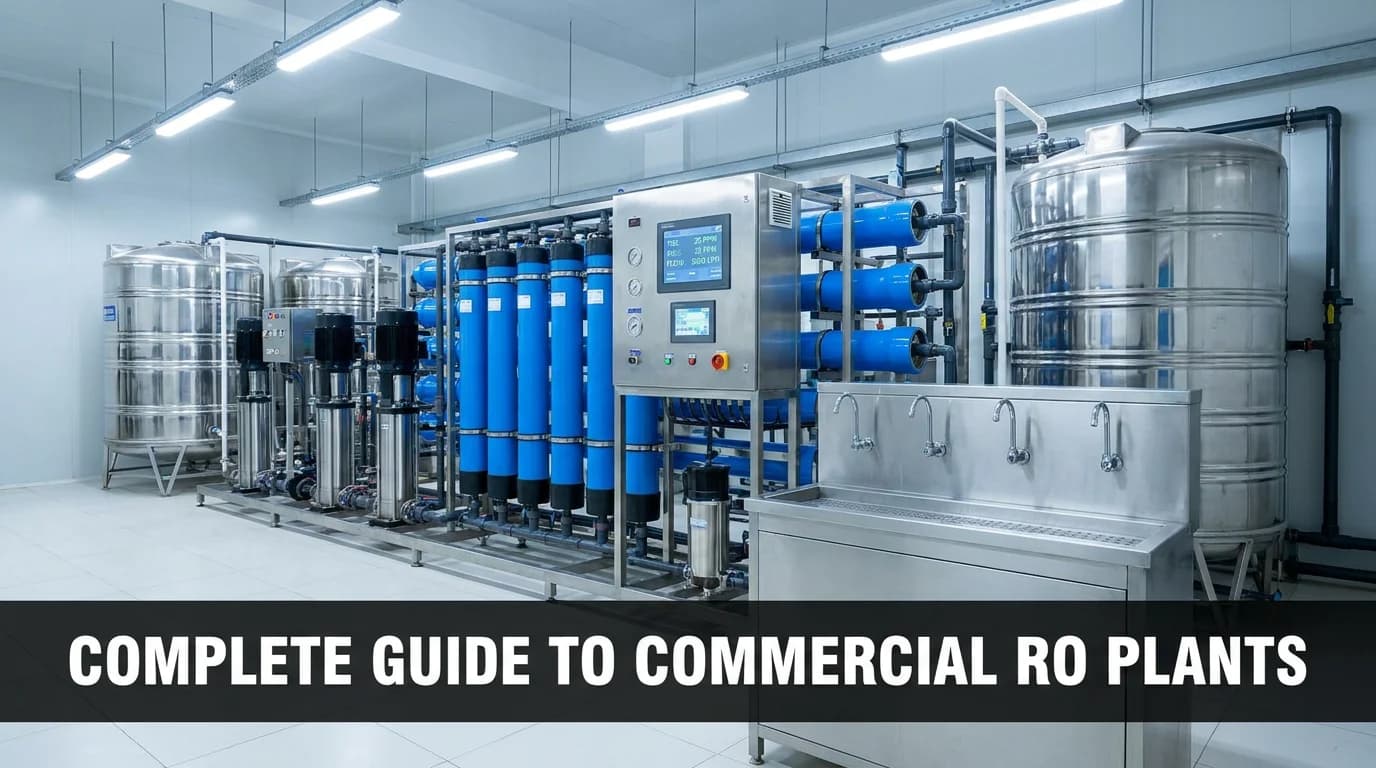
Complete Guide to Purchasing a 500 LPH RO Plant in Gurgaon: Costs, Installation, and Service Options
Access to clean drinking water has become a critical concern for commercial establishments, educational institutions, and residential complexes across India. With growing water contamination levels and increasing TDS levels in groundwater, investing in a reliable RO plant has emerged as a practical solution for ensuring safe drinking water. Gurgaon, being a rapidly developing urban center with numerous corporate offices and residential societies, faces unique water quality challenges that make water purification systems essential rather than optional.
A 500 lph ro plant represents an ideal capacity for medium to large-scale requirements, capable of serving 200-300 people daily depending on consumption patterns. This capacity strikes the perfect balance between meeting substantial water demands and maintaining reasonable installation and operational costs. Whether you run a corporate office, educational institution, hospital, or large residential society in Gurgaon, understanding the complete buying process helps you make informed decisions.
The water quality in Gurgaon varies significantly across different sectors, with TDS levels ranging from 400 to 1200 ppm in various localities. Areas like sectors 14, 29, and the Golf Course Road often experience higher contamination levels, making commercial-grade water purification absolutely necessary. Before investing in any water purification system, conducting a thorough water quality analysis establishes the foundation for selecting appropriate purification technology.
This comprehensive guide walks you through everything you need to know about purchasing and maintaining a 500 lph ro plant in gurgaon, including detailed cost breakdowns, installation requirements, service expectations, and long-term operational considerations specific to the Gurgaon market.
Understanding 500 LPH RO Plant Capacity and Applications
The 500 liters per hour capacity designation means the system can purify and deliver 500 liters of drinking water every hour under optimal operating conditions. This translates to approximately 4,000-5,000 liters daily, assuming 10-12 hours of operation. Such capacity makes these systems perfect for medium-sized commercial establishments, corporate offices with 150-250 employees, schools with 300-400 students, small hospitals, restaurants, and residential complexes housing 50-80 families.
When evaluating whether a 500 lph ro plant suits your requirements, consider peak consumption hours and buffer capacity for unexpected demand spikes. Commercial establishments typically experience concentrated usage during lunch breaks and specific times, requiring the system to handle higher throughput during these periods. Adding a storage tank capacity of 500-1000 liters ensures consistent supply during peak demand without system overload.
The purification process in commercial-grade systems involves multiple stages including sediment filtration, activated carbon filtration, reverse osmosis membrane treatment, and post-carbon polishing. Higher capacity systems incorporate additional features like automatic flushing mechanisms, digital TDS monitoring, and automatic shut-off systems that protect the membrane when input water quality deteriorates beyond acceptable parameters. These features significantly extend membrane life and reduce maintenance frequency.
Recovery ratio represents another critical specification to understand when selecting commercial ro plant systems. Most 500 LPH systems operate at 30-40 percent recovery, meaning for every 100 liters of input water, the system produces 30-40 liters of purified water while rejecting 60-70 liters. This rejected water contains concentrated impurities and dissolved solids, and many progressive establishments in Gurgaon now implement reject water recycling systems for gardening, floor cleaning, and toilet flushing to minimize water wastage.
Cost Breakdown for RO Plant in Gurgaon
Understanding the complete ro plant cost in gurgaon requires examining multiple components beyond just the equipment price. The total investment includes equipment cost, installation charges, civil work requirements, electrical connections, and initial setup expenses. Price variations depend on system specifications, membrane quality, automation level, and brand positioning in the market.
| Cost Component | Price Range (INR) | Details |
|---|---|---|
| Basic Equipment | 85,000 - 150,000 | Includes pumps, membranes, filters, housing |
| Installation Charges | 8,000 - 15,000 | Professional setup, plumbing, testing |
| Civil Work | 5,000 - 20,000 | Platform, drainage, water connections |
| Electrical Setup | 3,000 - 8,000 | Wiring, MCB, earthing requirements |
| Storage Tanks | 8,000 - 25,000 | Based on capacity and material quality |
| Initial Consumables | 5,000 - 10,000 | Pre-filters, chemicals, testing supplies |
The equipment cost variation depends primarily on membrane technology and automation features. Systems using imported membranes from established manufacturers command higher prices but typically deliver better performance consistency and longer operational life. Automated systems with digital monitoring, auto-flushing, and remote monitoring capabilities add 20,000-40,000 rupees to the base price but significantly reduce operational intervention requirements.
Location within Gurgaon also influences ro plant cost in gurgaon due to accessibility challenges and local market dynamics. Properties in sectors with easier access generally face lower installation charges compared to locations with restricted entry or those requiring specialized material transportation arrangements. Residential societies sometimes negotiate better rates when purchasing multiple systems simultaneously for different blocks.
Operational costs deserve equal attention when calculating total ownership expenses. Monthly operational costs for a 500 lph ro plant typically include electricity consumption of 800-1200 units monthly depending on usage patterns, costing approximately 6,000-9,000 rupees at current Gurgaon electricity rates. Regular consumable replacements including sediment filters, carbon filters, and antiscalant chemicals add another 3,000-5,000 rupees monthly to operating expenses.
Essential Service and Maintenance Requirements
Reliable ro plant service forms the backbone of consistent system performance and longevity. Service requirements fall into three categories: routine maintenance, periodic component replacement, and emergency repairs. Establishing service contracts with qualified technicians ensures timely interventions and prevents minor issues from escalating into major system failures that disrupt water supply.
Routine maintenance schedules for commercial systems typically include weekly visual inspections checking for leaks, pressure gauge readings, and water quality testing. Monthly maintenance involves cleaning pre-filters, checking pump performance, testing TDS levels in product water and reject streams, and inspecting all connections for wear or corrosion. These routine checks help identify developing problems before they impact water quality or system availability.
Component replacement schedules vary based on input water quality and operating hours. Sediment filters generally require replacement every 30-45 days in Gurgaon's water conditions, while activated carbon filters last 60-90 days. The reverse osmosis membrane, representing the most expensive component, typically delivers optimal performance for 24-36 months before requiring replacement. High-quality membranes from reputable manufacturers often achieve longer service life when properly maintained.
Finding qualified ro plant service providers in Gurgaon requires evaluating several factors including response time commitments, technician certifications, spare parts availability, and service history with similar capacity systems. Many establishments prefer comprehensive Annual Maintenance Contracts covering all routine services, consumable replacements, and emergency repairs for a fixed annual fee ranging from 35,000-55,000 rupees depending on service scope and response time guarantees.
Installation Process and Site Requirements
Proper installation significantly impacts system performance and maintenance requirements. The installation location should provide adequate space for the ro plant equipment, storage tanks, and technician access for maintenance activities. A minimum area of 60-80 square feet accommodates a 500 lph ro plant with associated components, though 100 square feet provides comfortable working space for maintenance operations.
Site preparation requirements include:
- Stable concrete platform elevated 6-12 inches above floor level preventing water accumulation
- Dedicated electrical connection with proper earthing and voltage stabilization
- Raw water inlet connection with adequate pressure (2-4 kg/cm² optimal)
- Drainage facility for reject water disposal following local municipal guidelines
- Adequate ventilation preventing moisture accumulation and equipment corrosion
- Weather protection if installed in semi-open areas
- Easy access for consumable delivery and membrane replacement
The installation process typically spans 2-3 working days including civil work, equipment assembly, plumbing connections, electrical work, and system commissioning. Professional installers conduct multiple test runs adjusting pressure settings, checking all connections, and verifying water quality parameters before final handover. Proper documentation including operation manuals, maintenance schedules, and warranty certificates should accompany completed installations.
Water quality testing before installation determines appropriate pre-treatment requirements. Gurgaon's groundwater often contains high hardness levels, iron content, and dissolved solids requiring specialized pre-treatment including water softeners, iron removal filters, or multi-media filtration depending on specific contamination profiles. Investing in appropriate pre-treatment protects the expensive RO membrane from premature fouling and extends overall system life.
Comparing Different RO Plant Options
Selecting the optimal ro plant involves comparing multiple configurations and technology options. Single-pass versus dual-pass systems represent one key decision point, with dual-pass configurations delivering ultra-pure water necessary for pharmaceutical or laboratory applications but costing 40-50 percent more than standard single-pass systems adequate for drinking water applications.
| System Type | TDS Reduction | Application Suitability | Approximate Cost (INR) |
|---|---|---|---|
| Standard Single-Pass | 90-95% | General drinking water | 85,000 - 120,000 |
| High-Efficiency Single-Pass | 95-98% | Quality-focused establishments | 110,000 - 145,000 |
| Dual-Pass System | 98-99% | Laboratories, pharmaceuticals | 150,000 - 200,000 |
| Fully Automated | 90-95% | Large facilities, minimal supervision | 130,000 - 180,000 |
Material quality significantly impacts system durability and maintenance requirements. Food-grade stainless steel housing resists corrosion better than FRP alternatives, particularly in Gurgaon's varying humidity conditions. While stainless steel systems cost 15,000-25,000 rupees more initially, they typically deliver longer service life with reduced maintenance interventions, making them cost-effective over 5-7 year ownership periods.
Automation level represents another comparison dimension. Basic manual systems require operator presence for startup, shutdown, and monitoring, while fully automated systems operate independently with digital monitoring, automatic flushing, and remote alert capabilities. For establishments with dedicated facility management teams, basic systems suffice, whereas properties lacking constant supervision benefit substantially from automation features despite higher initial investment.
Long-Term Ownership Considerations
Beyond initial purchase and installation, successful ro plant ownership requires understanding long-term operational dynamics. Water quality monitoring should extend beyond just TDS measurement to include periodic microbiological testing ensuring the system effectively removes bacterial contamination. Many Gurgaon establishments conduct quarterly comprehensive water testing through certified laboratories, with testing costs ranging from 2,000-5,000 rupees depending on parameter coverage.
Membrane performance degradation occurs gradually, often going unnoticed until water quality deteriorates significantly. Implementing monthly performance tracking using consistent measurement protocols helps identify declining efficiency early. Recording daily production volume, operating pressure, TDS rejection rate, and recovery ratio creates baseline data revealing performance trends and optimal membrane replacement timing.
Energy efficiency improvements through variable frequency drives on pumps and optimized operating pressures can reduce electricity consumption by 15-25 percent compared to fixed-speed systems. While VFD-equipped systems cost 12,000-18,000 rupees more initially, the energy savings typically recover this investment within 18-24 months of operation, making them financially attractive for continuous operation scenarios.
Conclusion
Purchasing a 500 lph ro plant in gurgaon represents a significant investment requiring careful evaluation of capacity requirements, budget considerations, and long-term service needs. Understanding the complete ro plant cost in gurgaon including equipment, installation, and operational expenses enables realistic budget planning and prevents unexpected financial surprises during ownership. The total initial investment typically ranges from 110,000 to 210,000 rupees depending on specifications and automation level, with monthly operational costs averaging 10,000-15,000 rupees including electricity, consumables, and routine ro plant service expenses.
Selecting qualified service providers and implementing disciplined maintenance schedules determines system reliability and longevity far more than initial equipment quality alone. Gurgaon's water quality challenges demand robust systems with appropriate pre-treatment and regular monitoring ensuring consistent performance. Whether serving corporate offices, educational institutions, or residential complexes, the right ro plant configuration matched with professional installation and maintenance delivers safe drinking water while justifying the investment through reliable operation and reasonable ownership costs over its 7-10 year typical service life.
Discover How Choosing the Right 500 LPH RO Plant Can Transform Your Water Quality in Gurgaon
Understanding the complete buying process for a 500 LPH RO plant helps you make informed decisions about water purification investments. Learn more about capacity requirements, technology options, and installation considerations that directly impact your facility's water safety standards and long-term operational costs in Gurgaon's unique water conditions.