
500 LPH RO Plant Price
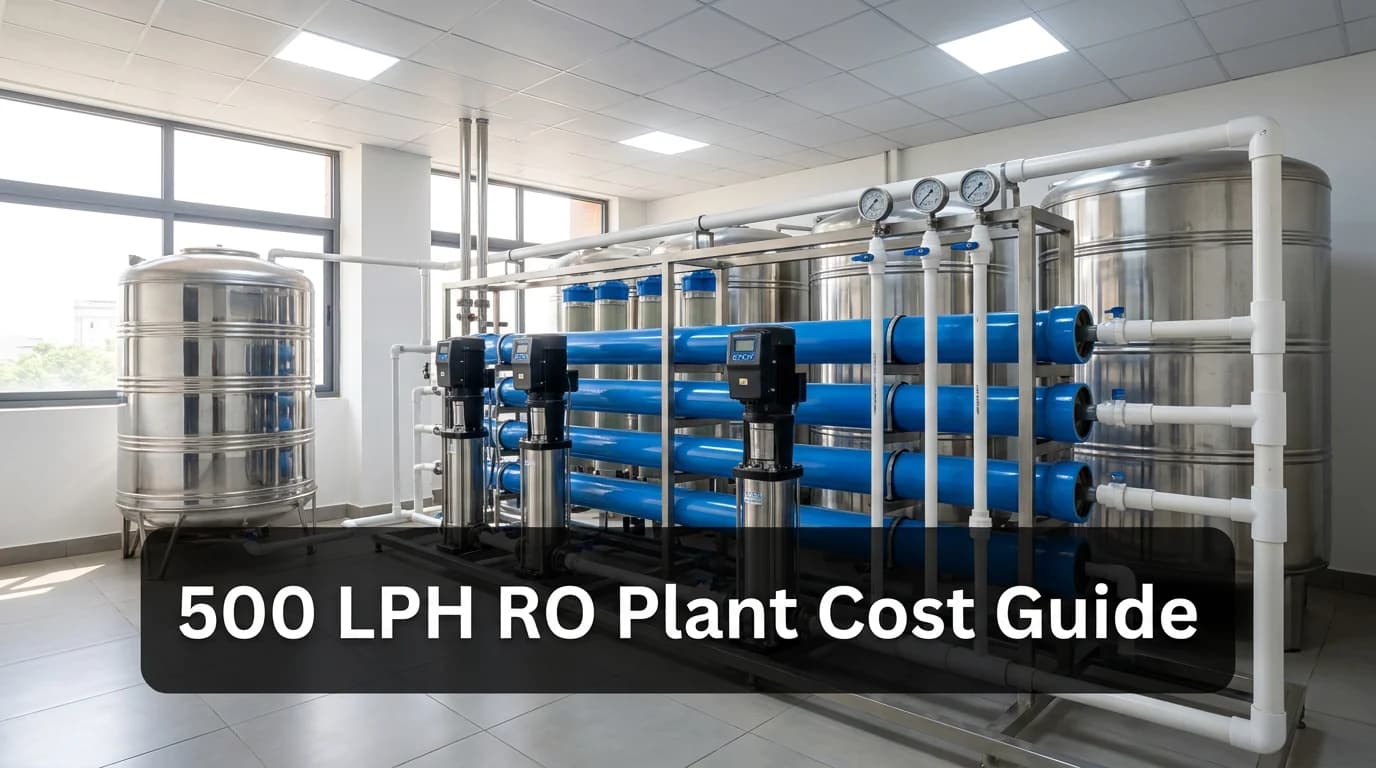
Understanding the Investment: Complete Guide to 500 LPH RO Plant Pricing and Installation
Access to clean and safe drinking water has become a non-negotiable necessity for commercial establishments, educational institutions, hospitals, and residential complexes across India. As water quality concerns continue to rise in urban and semi-urban areas, investing in a reliable water purification system is no longer optional but essential. Among various commercial water treatment solutions available today, the 500 lph RO plant has emerged as one of the most popular choices for medium-sized establishments requiring consistent water purification capacity. Whether you are setting up a new office complex in Gurgaon, running a restaurant in Delhi, or managing a school in Bangalore, understanding the complete cost structure and installation process of a RO plant becomes crucial for making an informed purchasing decision.
The 500 liters per hour capacity strikes an ideal balance between affordability and adequate water supply for establishments serving 100-200 people daily. This capacity range has witnessed significant demand growth across commercial sectors in 2026, particularly in rapidly developing cities where water contamination levels have raised serious health concerns. Before diving into the purchase, buyers must understand that the 500 lph RO plant cost involves multiple components beyond just the equipment price, including installation charges, pre-treatment requirements, maintenance contracts, and operational expenses.
For business owners and facility managers specifically looking for a RO plant in gurgaon and surrounding National Capital Region areas, the market offers numerous options ranging from basic models to advanced systems with multiple purification stages. The water quality in Gurgaon varies significantly across different sectors, with TDS levels ranging from 300 to 1500 ppm in various localities, making proper system selection critical. Understanding the complete cost breakdown helps avoid unexpected expenses and ensures you select a system that delivers optimal performance for your specific water quality challenges.
This comprehensive guide walks you through everything you need to know about 500 lph RO plant pricing, installation requirements, operational costs, and buying considerations specifically tailored for Indian market conditions. Whether you are a first-time buyer or looking to upgrade your existing water purification infrastructure, this information will help you make a well-informed investment decision.
Breaking Down the 500 LPH RO Plant Cost Structure
The total investment in a commercial RO plant extends well beyond the equipment's sticker price. Understanding the complete cost structure helps buyers budget accurately and avoid surprises during installation and operation.
Equipment Cost Variations
The base price of a 500 lph RO plant in India typically ranges between 95,000 to 2,50,000 rupees depending on several factors. Entry-level systems with basic reverse osmosis membranes and minimal pre-treatment stages start at the lower end of this spectrum, while fully automated systems with advanced monitoring, multi-stage purification, and premium components command higher prices. The membrane quality plays a significant role in pricing, with imported membranes from American or Japanese manufacturers adding 15,000 to 30,000 rupees to the overall cost compared to domestically manufactured alternatives.
Systems designed for higher TDS water sources require additional pre-treatment components like water softeners, sediment filters, and activated carbon filters, which can add 20,000 to 50,000 rupees to the base price. Stainless steel construction versus powder-coated mild steel frames also creates a price difference of approximately 25,000 to 40,000 rupees, with stainless steel offering superior durability and corrosion resistance essential for coastal or high-humidity regions.
Installation and Setup Expenses
Professional installation for a 500 lph commercial reverse osmosis plant typically costs between 8,000 to 25,000 rupees depending on site complexity and location. Installation in Gurgaon and Delhi NCR generally falls on the higher end due to increased labor costs and transportation charges. The installation package should include plumbing work, electrical connections, storage tank setup, and initial system commissioning with water quality testing.
Additional civil work requirements such as platform construction, dedicated electrical panels, or drainage system modifications can add another 5,000 to 15,000 rupees to installation expenses. For multi-story buildings, pumping systems to distribute purified water to different floors may require an additional investment of 12,000 to 30,000 rupees depending on height and distance requirements.
Operational and Maintenance Cost Considerations
Beyond initial purchase and installation, ongoing operational expenses significantly impact the total cost of ownership. Electricity consumption for a 500 lph RO plant typically ranges from 1.5 to 3 units per hour of operation, translating to monthly electricity costs between 2,500 to 5,000 rupees for establishments running the system 8-10 hours daily. Water wastage, an inherent characteristic of reverse osmosis technology, typically ranges from 30 to 50 percent depending on feed water quality and recovery ratio, impacting water bills accordingly.
Annual maintenance contracts for commercial RO plant systems typically cost between 18,000 to 45,000 rupees, covering scheduled filter replacements, membrane cleaning, and preventive maintenance visits. Membrane replacement, required every 2-3 years depending on water quality and usage patterns, represents a significant expense ranging from 25,000 to 60,000 rupees for quality replacement membranes. Pre-filter cartridges require replacement every 3-6 months at costs ranging from 3,000 to 8,000 rupees per replacement cycle.
Key Components Influencing RO Plant Pricing
RO Membrane Quality and Origin
The reverse osmosis membrane forms the heart of any water purification system, and membrane quality directly correlates with purification efficiency, lifespan, and rejection rates. Premium imported membranes typically offer 96-98 percent TDS rejection compared to 90-94 percent for economy options, with this performance difference justifying their higher price point. Thin-film composite membranes have become the industry standard, offering superior performance across varying water conditions compared to older cellulose acetate technologies.
Automation and Control Systems
Basic manual systems require operator intervention for startup, shutdown, and monitoring, making them labor-intensive but more affordable. Semi-automatic systems with automatic shut-off valves and basic monitoring reduce operational complexity and typically add 12,000 to 25,000 rupees to system costs. Fully automatic RO plant installations with programmable logic controllers, remote monitoring capabilities, auto-flushing systems, and mobile app integration represent the premium segment, adding 35,000 to 75,000 rupees but offering superior convenience and efficiency.
Frame Material and Build Quality
Food-grade stainless steel construction offers maximum durability and hygiene, essential for applications in food processing, pharmaceuticals, and healthcare facilities. Powder-coated mild steel frames provide adequate performance for general commercial applications at lower costs but may require replacement or refurbishment after 5-7 years in demanding environments. The frame design should facilitate easy access to components for maintenance while ensuring structural stability under continuous operation.
Storage and Distribution Infrastructure
Commercial installations typically require storage capacity of 500 to 2000 liters to handle peak demand periods and provide buffer capacity during membrane cleaning or maintenance. Food-grade plastic tanks cost between 8,000 to 25,000 rupees depending on capacity, while stainless steel storage tanks range from 20,000 to 65,000 rupees. Distribution pumps, pressure vessels, and piping infrastructure add another 15,000 to 40,000 rupees depending on the complexity of the distribution network.
Specific Considerations for Gurgaon and NCR Region
Water Quality Challenges in Gurgaon
Finding the right RO plant in gurgaon requires understanding the specific water quality challenges prevalent in this rapidly developing city. Groundwater TDS levels in Gurgaon vary dramatically across sectors, with areas like Sector 14, 15, and Old Gurgaon showing TDS levels exceeding 1200 ppm, while newer sectors along the expressway report relatively lower contamination. High hardness levels, ranging from 350 to 600 ppm as calcium carbonate, necessitate robust pre-treatment with water softeners to protect reverse osmosis membranes from scaling and premature failure.
The presence of dissolved salts, particularly chlorides and sulfates, requires membranes specifically designed for brackish water applications rather than standard low-TDS membranes. Recent water quality reports from 2026 have also highlighted occasional presence of heavy metals like lead and arsenic in specific pockets, making multi-stage purification with post-carbon filtration and UV sterilization essential for complete safety.
Local Installation and Service Network
The availability of trained technicians and prompt service support significantly impacts long-term system performance and uptime. Gurgaon hosts numerous authorized service centers for major water treatment equipment manufacturers, ensuring relatively quick response times for breakdowns and scheduled maintenance. However, buyers should verify service network strength before purchasing, particularly for specialized or imported systems where spare parts availability might become challenging.
Local water testing laboratories in Gurgaon typically charge between 1,500 to 4,000 rupees for comprehensive water analysis reports, essential for proper system specification and performance verification. Establishing relationships with reliable local service providers ensures consistent system performance and minimizes downtime during critical operational periods.
Making the Right Purchase Decision
Assessing Your Actual Water Requirement
Calculate your daily water consumption by considering peak user load, drinking water needs, cooking requirements if applicable, and seasonal variations. A 500 lph RO plant operating 8 hours daily produces approximately 4,000 liters of purified water, adequate for establishments serving 150-200 people with average consumption of 20-25 liters per person daily. Oversizing leads to unnecessary capital expenditure and higher operational costs, while undersizing creates supply shortages and user dissatisfaction.
Evaluating Total Cost of Ownership
Look beyond initial purchase price to calculate five-year total cost of ownership including equipment cost, installation, electricity consumption, water wastage, membrane replacements, filter changes, and annual maintenance contracts. Systems with slightly higher upfront costs but superior energy efficiency and longer membrane life often prove more economical over their operational lifespan. Request detailed operational cost projections from vendors based on your specific water quality parameters and expected usage patterns.
Vendor Selection Criteria
Choose vendors with proven track records, substantial installation base in your region, and comprehensive after-sales support infrastructure. Request site visits to existing installations similar to your application to assess real-world performance and customer satisfaction. Verify warranty terms carefully, ensuring membrane warranty duration, component replacement policies, and service response time commitments are clearly documented in the purchase agreement.
Planning Your Investment in Clean Water Infrastructure
Investing in a quality 500 lph RO plant represents a significant commitment toward ensuring health and safety for your facility occupants. While the 500 lph RO plant cost ranges from 1,20,000 to 3,00,000 rupees including installation for most commercial applications, this investment delivers years of reliable service when properly specified and maintained. Understanding the complete cost structure, selecting appropriate system specifications based on actual water quality and usage requirements, and establishing relationships with reliable service providers form the foundation of successful water purification infrastructure.
For businesses and institutions in Gurgaon and similar rapidly developing urban centers, access to consistently pure drinking water has transitioned from a luxury amenity to an operational necessity. Taking time to properly evaluate options, compare total ownership costs rather than just purchase prices, and select systems designed for local water quality challenges ensures your investment delivers optimal value. The commercial water purification landscape continues evolving with technological improvements in membrane efficiency, automation capabilities, and energy consumption, making 2026 an excellent time to invest in advanced systems that deliver superior performance while minimizing operational expenses.
Explore the complete cost structure of 500 LPH RO plants in India, including equipment prices, installation charges, and operational expenses specific to Gurgaon's water conditions. Learn more about capacity requirements, brand comparisons, and long-term maintenance investments to make an informed decision for your commercial establishment's water purification needs.