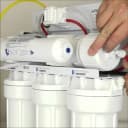
How Seoni's Water Creates Specific RO Maintenance Demands
The mineral-heavy groundwater that serves Seoni puts particular stress on each stage of reverse osmosis filtration. Borewell water arriving with high iron content and sediment loads means your purifier's pre-filter clogs faster than units in softer-water regions. The sediment that accumulates isn't just visible particles — it includes rust particles, soil minerals, and sometimes sulfur compounds that affect both water clarity and the efficiency of downstream membrane stages. If that pre-filter isn't replaced on schedule, water flow slows to a trickle, and the workload on your RO membrane increases, shortening its operational life.
TDS levels fluctuate seasonally in Seoni as well. During dry months when groundwater is deeper and more concentrated, dissolved salt content can spike. A membrane that was handling 800 TDS adequately might struggle at 1100 TDS without adjustment or more frequent replacement cycles. This isn't a sign your purifier is faulty — it's simply the interaction between your local water chemistry and the appliance's design limits. Eureka Forbes water purifier service in Seoni should account for these variations rather than following a one-size-fits-all maintenance calendar.
Recognizing When Your Unit Needs Immediate Attention
Rather than waiting for obvious failure, watch for these specific indicators that your Eureka Forbes purifier requires a service visit:
- Water pressure drops noticeably even though inlet supply pressure remains stable
- The taste changes — becoming slightly salty, brackish, or noticeably mineral-forward
- Visible deposits or discoloration appear in the storage tank
- The unit produces unusual grinding or humming sounds during operation
- You notice leaks around the base or connections, however small
- Indicator lights on your model flash or remain lit after normal filtering cycles
- The unit stops producing water altogether or produces only a few drops per minute
Each of these symptoms points to a specific component issue — pre-filter clogging, membrane fouling, tank contamination, pump stress, loose fittings, filter-life alerts, or valve failure. Booking Eureka Forbes RO repair service as soon as you notice any of these issues prevents a minor problem from cascading into a costly replacement scenario.
Understanding Service Costs and Transparency
Asking for cost details upfront is not an unreasonable demand on any service provider, yet many homeowners feel awkward doing so. With Eureka Forbes purifier repair, the actual expense depends on several factors that vary from one visit to the next:
A basic visit where the technician inspects the unit, confirms only filter replacement is needed, and installs new sediment and carbon filters costs considerably less than a scenario where a membrane has fouled, the pump requires inspection, or the storage tank needs sanitization. The parts themselves carry different price points — a high-quality sediment filter costs far less than an RO membrane, which in turn costs less than a replacement pump. The technician's visit charge, labor costs for installation, and the disposal of old filters are usually itemized separately on a transparent invoice.
Where you live within Seoni can also influence rates slightly. Service calls to more remote areas of town may include a travel charge that other neighbourhoods don't incur. If your purifier is covered by an active AMC plan or still within manufacturer warranty, many of these charges get reduced or eliminated entirely, which is why confirming your coverage status before booking matters.
The best approach is to describe your symptoms to the service provider and ask for an estimate before they arrive. A trustworthy technician will give you a ballpark figure based on experience with similar issues and Eureka Forbes models, then confirm the actual cost after diagnosing the purifier in person. If the estimate changes significantly during the visit, ask for an explanation of what additional issues were discovered.
Annual Maintenance Contracts: Value in Seoni's Water Environment
An AMC plan spreads service costs across twelve months in predictable installments rather than facing surprise bills when components fail. For Seoni households, this has particular appeal given the city's harder water and faster filter wear.
How an AMC plan typically works
Rather than paying separately each time you need a filter change or a technician visit, an AMC bundles these into an annual fee. Depending on the tier you choose, you might receive two or four scheduled maintenance visits per year, unlimited filter replacements during that period, and reduced labor charges for any repairs that fall outside routine maintenance. Some plans even waive parts costs for covered items.
Why AMC plans make sense specifically in Seoni
Because groundwater here carries higher mineral loads, your Eureka Forbes system will need more frequent filter changes than units in softer-water areas. Paying for each filter individually throughout the year adds up quickly. An AMC shields you from that cost escalation and ensures you're never tempted to skip a filter change just to save money in the short term — a temptation that often leads to membrane damage and larger repair bills later.
The maintenance schedule built into most AMC plans aligns well with how aggressively Seoni water works on RO systems. Rather than guessing whether your filters are truly due, you have technician visits on the calendar, and any issues spotted during those visits get addressed before they worsen. You also gain priority booking during peak seasons — monsoon months when water turbidity rises sharply and RO units face extra strain.
When an AMC might not suit your situation
If your purifier is brand new and still under manufacturer warranty, buying an additional AMC could mean paying twice for the same coverage. If your household uses very little water — a single retired person or a small home that's occupied only seasonally — the frequency of visits included in a standard AMC might exceed your actual needs. If you're planning to relocate or replace the unit within the next year, investing in a full-year contract doesn't make financial sense.
Before committing, ask what each tier of AMC actually includes. Some plans provide filters but charge for the visit; others bundle everything but may not cover damage caused by external factors like power surges. Reading that fine print protects you from discovering gaps in coverage when you actually need a repair.
Filter Replacement Schedules for Seoni Conditions
Eureka Forbes publishes general timelines for filter replacement, but in Seoni, those timelines often need compressing:
The sediment pre-filter, which catches rust, sand, and larger mineral particles, typically requires replacement every three to four months in households using borewell water. Municipal supply users might stretch to five months, but don't assume you can go longer without checking.
The carbon filter, which removes chlorine and improves taste, usually lasts five to seven months. If your water has a distinct mineral taste or faint sulfur notes even after filtration, your carbon stage may be saturated and due for replacement ahead of schedule.
The RO membrane is your system's core investment. Under light use and soft water, a quality membrane might last 18 to 24 months. In Seoni with high TDS borewell water, expect 12 to 16 months of effective filtration before performance begins to degrade noticeably. Waiting until the membrane fails completely rather than replacing it when output drops is a false economy — a fouled membrane allows contaminated water to reach your glass for weeks before anyone notices.
Post-carbon and specialty filters (if your model includes UV or UF stages) follow similar compressed timelines. Keeping a service reminder in your phone or pinned near your purifier prevents the mistake of losing track and operating with overdue filters for months.
Booking a Service Visit: What to Communicate
When you contact an Eureka Forbes technician or your chosen service provider, having specific information ready streamlines the appointment and helps them arrive prepared:
Tell them your purifier's model number — this is usually printed on a sticker on the back or side of the unit. Knowing the model tells the technician what internal layout to expect and which filters and parts are compatible with your specific system.
Describe the symptoms you've noticed and approximately when they started. Did water flow decrease gradually over weeks, or suddenly? Does the taste change only in the morning, or throughout the day? Has there been visible leakage? The technician's initial diagnosis becomes much faster when they know what prompted your call.
Mention your water source if you know it — municipal supply, shared borewell, private borewell, or a combination. This context helps explain why your particular unit might be experiencing faster wear than the Eureka Forbes average.
Ask whether you should shut off the unit before the technician arrives or leave it running. Most technicians prefer the unit switched off to avoid water spillage during filter changes, but confirming this avoids confusion on the service day.
Confirm the appointment time and ask for a phone update if the technician is running significantly late. A four-hour window is reasonable for scheduling service; anything longer is less helpful.
What Happens During a Eureka Forbes Service Visit
A thorough service follow a logical sequence:
The technician begins by testing water flow from your tap and measuring TDS levels to understand current system performance. If flow is weak or TDS is higher than expected, this immediately suggests where problems lie — clogged pre-filters show up as low flow, while high TDS points to a compromised membrane.
Each filter stage gets inspected visually. A sediment filter coated in rust-colored deposits or clay-like buildup obviously needs replacing. A carbon filter can sometimes be pressed to see if it's fully saturated, while the RO membrane is checked for discoloration or visible damage that would require replacement.
The storage tank and internal fittings receive attention, especially if the system hasn't been serviced recently. A tank that's developed algae or bacterial growth gets cleaned and disinfected before use resumes, since bacteria in stored water defeats the purpose of purification.
Once the technician confirms which components need replacement, they should discuss cost and get your approval before proceeding. Unexpected charges after service completion create frustration and erode trust. Reputable providers don't start work without this conversation.
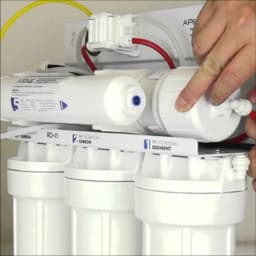
Installation of new filters or components is straightforward, followed by a flush cycle where water runs through the system to clear air and activate the new filters.
A final test confirms that water flow has improved, TDS readings are back within acceptable range, and the system operates quietly without leaks. The technician should also show you when the next service is due based on what was replaced and your local water conditions.
Warranty and Coverage Questions
Your Eureka Forbes purifier likely came with a manufacturer's warranty covering parts and labor for a fixed period — often one to three years depending on the model and where it was purchased. Warranty typically applies to manufacturing defects and premature component failure, but does not cover issues arising from neglected maintenance, improper installation, or use with water that exceeds the system's design specifications.
Understanding what your warranty covers before you book paid service can save money. If your unit is still within coverage and you're experiencing an issue that appears to be a defect rather than routine wear, contact the Eureka Forbes customer care line rather than a local technician. Warranty claims often bypass charges entirely, whereas a service center visit for the same issue would be paid out-of-pocket if you didn't check coverage first.
Once warranty expires, you transition to paid service. Some households maintain an AMC plan from that point onward; others book service only as issues arise. Both approaches work, but households with AMC plans generally spend less over time because preventive maintenance catches small problems before they become expensive failures.
Choosing Between Independent Technicians and Authorized Centers
Authorized Eureka Forbes service centers offer the advantage of direct brand support, genuine parts sourcing, and technicians trained specifically on all Eureka Forbes models. This reliability is valuable, particularly if your purifier is still under warranty or if you prefer one point of contact for all your service needs.
Independent technicians who specialize in RO systems often provide faster response times in Seoni, since they may be more locally distributed than official service centers. They can be equally knowledgeable, especially if they've built a long reputation in the area, though you should always ask about their experience with Eureka Forbes equipment specifically rather than assuming expertise across all brands.
Either route can work well if you verify two things: that they use quality replacement filters suited to your specific model, and that they provide a service receipt documenting what was done and when next service is due. This record helps you stay on top of maintenance and gives you recourse if problems arise shortly after a visit.
Maintaining Your Purifier Between Service Visits
Small daily habits significantly reduce how quickly components wear and how often you need repair calls. Keep the area around your purifier clean and free of dust, since particles around fittings can migrate into the system. Don't allow the inlet pipe to run dry — this strains the pump. Check indicator lights on your model weekly, and never ignore a light that signals filter saturation or fault conditions.
If your unit has been running but producing no water, or producing only a trickle despite normal inlet pressure, don't keep testing it repeatedly — this exhausts the pump and may damage components. Instead, contact a technician immediately.
Make a note of your installation date and the dates of any service visits. This simple record prevents you from guessing whether filters are overdue. If you're uncertain how long your filters have been in use, it's often smarter to book a diagnostic visit and have a technician assess the situation than to continue operating on an unclear maintenance timeline.



.webp&w=256&q=75)