Understanding Jorhat's Water Challenges and How Eureka Forbes Addresses Them
Jorhat's water supply carries characteristics that directly affect how often your Eureka Forbes purifier needs servicing. The groundwater drawn from local borewells typically contains dissolved iron and manganese, which give water a slightly brownish tint before treatment. During the wet season, surface runoff adds visible turbidity — fine clay particles and organic debris from surrounding tea gardens and agricultural areas.
Unlike drier regions where water quality remains relatively stable year-round, Jorhat experiences dramatic seasonal shifts. The pre-monsoon months (March to May) bring low rainfall and concentrated mineral content. Then monsoon rains arrive, temporarily diluting TDS but introducing heavy sediment loads that clog pre-filters rapidly. Post-monsoon (October to February) water quality gradually stabilizes but iron content often increases as the water table recovers.
An Eureka Forbes RO system is designed to handle this variability, but its filtration stages need to match the water you're actually treating. Understanding these seasonal patterns helps you and your technician plan service schedules that prevent mid-monsoon breakdowns and keep filter replacement cycles realistic rather than guessing when parts will be due.
The Impact of Monsoon Season on RO Maintenance in Jorhat
Most service issues in Jorhat cluster heavily during and immediately after the monsoon. Between June and August, water flow through Eureka Forbes purifiers slows noticeably as pre-filters become clogged with silt that municipal systems haven't removed. Homeowners report unusual tastes, reduced tank-fill times, and increased strain sounds from the pump as it works harder against clogged stages.
Some households mistakenly believe their purifier has failed during monsoon season, when actually it's performing exactly as designed — holding back sediment that would otherwise reach your tap. The problem is that filters designed for normal seasonal conditions reach their saturation point faster when monsoon silt loads are exceptionally heavy. Rather than waiting for the purifier to visibly fail, scheduling a pre-monsoon Eureka Forbes service visit in May ensures your system enters the wet season with fresh filters and optimal membrane performance.
Conversely, homes that defer service until September or October often face a backlog of technician appointments during peak demand. Booking your service earlier in the calendar year, with the understanding that you may need a follow-up visit after monsoon subsides, gives you consistent access to qualified technicians and reduces the likelihood of household water emergencies.
Recognizing When Your Purifier Needs Immediate Attention in Jorhat
The climate and water profile of Jorhat create specific warning signals that homeowners should act on without delay:
- Water flow that deteriorates suddenly over days rather than weeks. In Jorhat's monsoon, this often points to rapid pre-filter saturation from silt rather than gradual mineral buildup you'd see in other regions. It's an urgent signal to book an Eureka Forbes service visit.
- A persistent earthy or musty smell in purified water. While taste and odor issues happen everywhere, Jorhat's water sources make this a specific concern during and after monsoon, often indicating that the carbon filter is overwhelmed by organic matter.
- Visible seepage around the base of the unit. Excess humidity during monsoon can aggravate small leaks that dry weather would hide, so any drips warrant a same-day check.
- Loud motor noise or grinding sounds during operation. High sediment loads strain the pump more than usual, so unusual noise in monsoon season often means the pump needs inspection sooner than you'd expect elsewhere.
- Storage tank algae or greenish discoloration. The combination of monsoon humidity and organic matter in Jorhat's water creates ideal conditions for bacterial and algal growth inside storage tanks if the unit hasn't been cleaned in over two months.
Choosing the Right Eureka Forbes Service Provider for Jorhat Conditions
Not every technician familiar with Eureka Forbes systems understands how to optimize servicing for the specific water conditions in Jorhat and the surrounding Assam region. When evaluating a service provider, look for these Jorhat-relevant credentials:
- Experience servicing units in areas with high borewell iron and manganese content. Some technicians primarily work in urban centers with municipal water and may not be familiar with diagnosing issues from iron-rich groundwater.
- Awareness of monsoon-season maintenance patterns. A provider that adjusts service scheduling based on seasonal water changes rather than using a fixed annual calendar shows real understanding of local conditions.
- Access to replacement pre-filters and sediment cartridges suited to heavy silt loads. During monsoon, demand for these parts increases dramatically, and a technician who stocks them locally can service your unit faster than one who must order parts from outside the region.
- Knowledge of tank cleaning and sanitization for humid climates. Jorhat's moisture-heavy air means algae prevention inside storage tanks is more critical than in drier parts of India. Ensure your technician includes this in routine service.
- Ability to adjust your Eureka Forbes system for seasonal water changes. While the basic RO mechanism doesn't change, technicians can advise whether your current filter replacement schedule needs adjustment based on monsoon TDS and sediment data from your local area.
Eureka Forbes Filter Replacement: Jorhat-Specific Timing
Generic filter replacement schedules often don't account for Jorhat's water profile. Here's a more realistic timeline for the region:
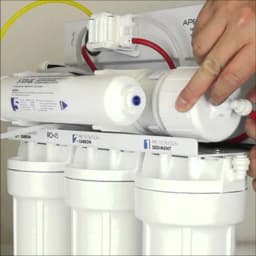
- Pre-sediment filter (the first stage): In Jorhat, this typically needs replacement every 2 to 3 months during monsoon, but can stretch to 5 to 6 months in dry season. Many households find it practical to replace this filter twice during June–September, then once quarterly during the rest of the year.
- Carbon filter: The organic content in Jorhat's monsoon water stresses this filter more than in other regions. Plan on replacement every 4 to 5 months year-round, rather than the 6 to 8 months typical elsewhere.
- RO membrane: This core component lasts 12 to 20 months in Jorhat, somewhat shorter than in regions with low-sediment municipal supplies. Higher borewell iron content is the main factor that reduces membrane lifespan.
- Post-polishing filter: Replace every 6 to 9 months, especially if you notice any residual taste or odor in treated water.
Rather than following a calendar imported from other cities, many Jorhat households find it practical to schedule their service based on monsoon arrival and departure. A pre-monsoon visit in May, a mid-monsoon follow-up in July or August, and a post-monsoon check in October often makes more sense than evenly spaced quarterly visits.
Understanding Eureka Forbes RO Service Charges in Jorhat
Service costs for your Eureka Forbes purifier depend on several factors specific to your situation:
- Which filtration stages need replacement. A basic pre-filter swap costs less than a combined pre-filter and carbon filter replacement or a full membrane change.
- Whether your unit is experiencing sediment overload from seasonal factors. During monsoon, if your filters are clogged faster than normal, a technician may recommend cleaning the inlet lines or checking the water source quality as part of the service, which can affect the total charge.
- Tank cleaning and sanitization requirements. In Jorhat's humid climate, including tank cleaning as part of service prevents algae buildup but adds to the visit cost.
- Age and model of your Eureka Forbes purifier. Older models with more components or hybrid systems (RO+UV+UF) typically involve higher service costs than basic RO-only units.
- Whether you're covered by an existing warranty or AMC plan. If your purifier is within manufacturer warranty or enrolled in an active annual maintenance contract, your out-of-pocket costs may be significantly lower or eliminated entirely.
Before any service work begins, ask your technician for a written estimate that breaks down the visit charge, parts cost, and labor separately. This transparency helps you understand exactly what you're paying for and makes it easier to compare quotes from different providers if needed.
Annual Maintenance Contracts: Do They Make Sense for Jorhat?
An AMC plan for your Eureka Forbes purifier bundles scheduled servicing, filter replacements, and most repairs into a single annual fee. For Jorhat households, this option often delivers excellent value because of the region's predictable seasonal maintenance patterns.
Reasons AMC plans work well in Jorhat
- You avoid the risk of monsoon-season service backlogs when technicians are overwhelmed with similar requests from your neighborhood.
- Seasonal filter replacement is built into your plan, so you never forget when pre-filters need changing during May and August.
- The fixed annual cost makes household budgeting easier compared to unpredictable one-off repair bills.
- Technicians have standing appointment slots rather than competing with dozens of other service requests when water quality issues spike.
- Tank cleaning and preventive maintenance happen on schedule, reducing the risk of algae and bacterial buildup that's a particular concern in humid climates.
When you might skip an AMC plan
- If your Eureka Forbes purifier is brand new and still covered by the manufacturer's initial warranty.
- If you use minimal water daily (a single person or very small household) and your purifier runs infrequently.
- If you plan to replace or upgrade your system within the next 12 months.
Before enrolling in any AMC plan, carefully review what's actually covered. Some tiers include all filters and repairs in the annual fee, while others charge separately for replacement parts or specialized repairs. For Jorhat-based service, confirm that the plan specifically addresses monsoon-season needs and whether tank cleaning is included as standard.
Storing Your Purifier Safely in Jorhat's Humid Climate
Jorhat's moisture-heavy air, especially during and after monsoon, creates additional wear on water purifiers beyond what happens in drier regions. Positioning your Eureka Forbes unit correctly reduces maintenance frequency and extends component lifespan:
- Place the purifier in a well-ventilated area away from direct monsoon spray or splashing. A shelf or stand indoors is far preferable to positioning it outdoors or on an exposed balcony.
- Ensure the area around the purifier remains dry and receives some air circulation. Stagnant moisture promotes corrosion of electrical connections and bacterial growth inside the unit.
- Keep the inlet and outlet tubes clear and slightly elevated rather than coiled tightly, since moisture can collect in compressed tubing.
- During heavy monsoon, cover the top inlet area gently with a cloth to prevent water spray from entering while the unit is idle, but don't seal it completely, which would trap humidity inside.
- Avoid placing the purifier on the floor where it's vulnerable to flooding during exceptional rainfall or drainage issues.
How to Request Eureka Forbes Service in Jorhat
Booking a service appointment is straightforward, though response times can vary depending on the season. Most service requests come through direct contact — phone calls to the provider or Eureka Forbes customer care, or through mobile apps if available. When you call:
- Have your purifier model number ready, usually found on the back or bottom of the unit.
- Briefly describe the issue or state whether this is a routine maintenance visit.
- Mention the water source you use (borewell, municipal supply, combination) so the technician can come prepared for your local water profile.
- If you're calling during monsoon season, ask about appointment wait times — same-day or next-day visits may not be available during peak demand periods.
- Clarify what you'll need to pay upfront versus what might be covered under warranty or AMC if applicable.
For urgent issues where your household has no access to treated water, some providers prioritize emergency appointments. Non-emergency routine servicing can usually be scheduled within a week during off-season months.
What Happens During a Eureka Forbes Service Visit to Your Home
Understanding the service process helps you evaluate whether the technician is doing thorough, appropriate work for Jorhat's water conditions:
- Water source assessment. The technician confirms whether you're using borewell, municipal, or mixed supply, since this affects which filters are most likely to need replacement.
- Visual and performance inspection. The unit is checked for leaks, unusual noise, and water flow rate. TDS (dissolved solids) levels are measured to determine whether the membrane is still performing adequately.
- Individual filter stage examination. Each pre-filter, carbon stage, and the RO membrane are inspected rather than replaced automatically, so you only pay for parts that genuinely need changing.
- Tank interior check and cleaning. The storage tank is opened and inspected for sediment, algae, or bacterial growth — particularly important in Jorhat's humid conditions. A basic clean is included; deep sanitization may be charged separately.
- Component replacement with customer approval. Any identified worn-out filters or parts are replaced only after explaining to you why they need changing.
- Post-service testing and validation. After work is complete, the technician runs the system to confirm water flow, taste, and TDS output meet expected standards before leaving.
- Documentation and scheduling. You receive a written record of what was done, which parts were replaced, and when the next service visit is recommended based on your specific usage and local water profile.
Maintaining Your Eureka Forbes Between Professional Service Visits
Simple daily habits reduce emergency repairs and extend the time between scheduled servicing:
- Never run the purifier with the inlet valve fully closed or empty, as this strains the pump unnecessarily.
- During monsoon, check the inlet water source occasionally — if you notice it looking unusually brown or turbid, the system is working hard and may need filter attention sooner than planned.
- Wipe down the exterior of the unit and around the taps periodically to prevent dust and moisture from accumulating around electrical connections.
- If the storage tank sits idle for more than three days, run the purifier briefly to circulate water and prevent stagnation.
- Keep a simple note of your last service date and what was replaced, so you have a reference when the next visit is due rather than relying on memory.