Complete Guide to Installing RO Water Purifier at Home
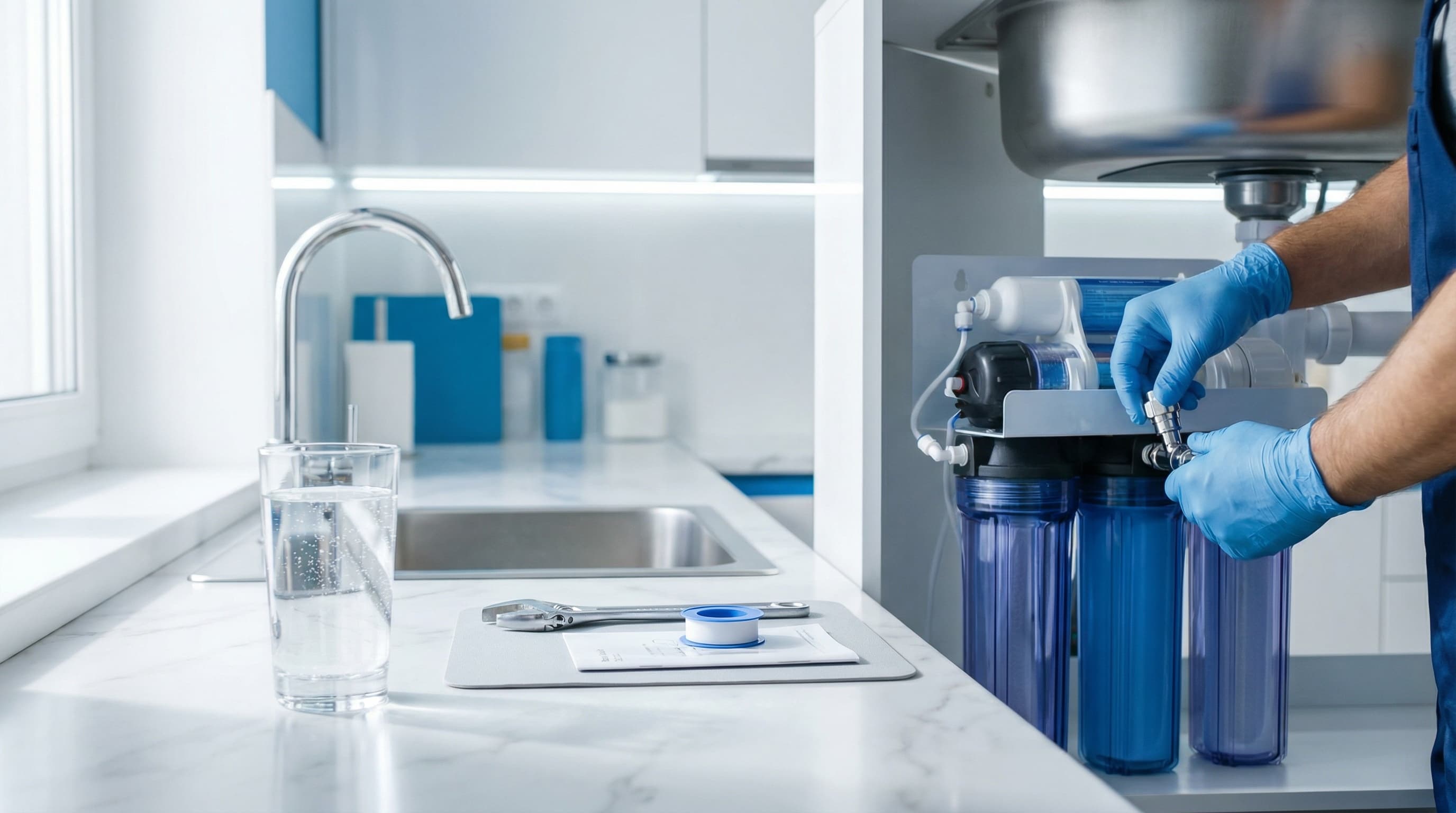
Access to clean and safe drinking water remains a fundamental necessity for every household. With increasing concerns about water contamination and impurities, more families are turning toward advanced filtration solutions to ensure their health and wellbeing. Installing a reverse osmosis system has become one of the most effective ways to address water quality issues, offering comprehensive purification that removes harmful contaminants while retaining essential minerals when properly configured.
The decision to install a water purification system represents a significant investment in your family's health. Unlike simple pitcher filters or faucet attachments, a complete reverse osmosis system provides multiple stages of filtration, effectively removing dissolved solids, heavy metals, bacteria, viruses, and chemical pollutants. Understanding the proper installation process ensures optimal performance and longevity of your investment, while regular upkeep guarantees consistent water quality for years to come.
Many homeowners feel intimidated by the prospect of setting up such sophisticated equipment. However, with proper guidance and careful attention to detail, the process becomes manageable even for those with basic technical skills. Whether you choose to undertake the project yourself or hire professionals, understanding each component and its function helps you make informed decisions throughout the setup process.
This comprehensive resource walks you through every aspect of establishing a reverse osmosis filtration system in your residence. From preliminary assessments and component identification to detailed installation procedures and ongoing care, you will gain the knowledge needed to ensure your system operates at peak efficiency, delivering pure, safe water to your family every single day.
Understanding the Components and Their Functions
Before beginning any setup process, familiarizing yourself with each component of your reverse osmosis system proves essential. The typical system includes a pre-filter, which removes larger particles like sediment and rust that could damage the delicate membrane. This initial stage protects the more sensitive components downstream and extends their operational life significantly.
The heart of the system is the semi-permeable membrane, which performs the actual reverse osmosis process. Water molecules are forced through this membrane under pressure, while contaminants are rejected and flushed away as waste. This membrane typically removes up to ninety-eight percent of dissolved solids, making it incredibly effective against a wide range of pollutants.
Post-filters further polish the water before it reaches your tap. These activated carbon filters remove any residual tastes or odors, ensuring the final product tastes fresh and clean. The storage tank holds purified water under pressure, ready for immediate use whenever you open the dedicated faucet. Understanding how these components work together helps you troubleshoot issues and perform necessary upkeep tasks.
Additional elements include the automatic shut-off valve, which stops water flow when the storage tank reaches capacity, and the drain saddle valve, which connects to your drain line for waste water disposal. Check valves prevent backflow, while flow restrictors maintain proper pressure ratios essential for efficient membrane operation. Each piece plays a crucial role in the overall system performance.
Preparing Your Space for Installation
Selecting the appropriate location for your system requires careful consideration of several factors. The area beneath your kitchen sink typically provides the most convenient spot, offering proximity to water supply lines, drain access, and the dispensing point. Ensure adequate space exists for the storage tank, filter housing, and membrane, with enough clearance for future filter replacements.
Assess your existing plumbing configuration before proceeding. Locate the cold water supply line, as reverse osmosis systems should never connect to hot water supplies. Identify a suitable drain connection point, preferably the sink drain pipe before the P-trap. Verify that you have sufficient water pressure, as most systems require minimum pressure levels between forty and sixty pounds per square inch for optimal operation.
Gather all necessary tools and materials before starting. You will typically need an adjustable wrench, drill with appropriate bits, screwdrivers, Teflon tape, tubing cutter, and possibly a hole saw for mounting the dedicated faucet. Check that your kit includes all components listed in the manufacturer's instructions, including mounting hardware, tubing, and fittings.
Clear the cabinet space completely and clean the area thoroughly. Inspect for any existing leaks in your plumbing that should be repaired before proceeding. Consider placing a drip tray beneath the system components to catch any potential leaks during setup or future maintenance, protecting your cabinet from water damage.
Detailed Step-by-Step Installation Process
Begin by shutting off the main water supply and opening the faucet to release pressure from the lines. Locate the cold water supply valve beneath your sink and close it completely. If no shutoff valve exists at this location, you must turn off the main supply to your home. Drain remaining water from the line by opening the cold water tap.
Install the feed water adapter onto the cold water supply line. This adapter typically requires cutting the supply line and inserting a tee fitting that redirects a portion of incoming water to your purification system. Apply thread sealant or Teflon tape to threaded connections, wrapping clockwise when viewing the threads from the end. Tighten connections firmly but avoid over-tightening, which can crack fittings or strip threads.
Mount the filter housings and membrane housing to the cabinet wall or base using the provided mounting bracket. Position these components so that filters remain easily accessible for future replacement. The storage tank should sit on the cabinet floor in a stable position where it cannot tip or roll. Connect the pre-filter input to the feed water adapter using the provided tubing.
Install the dedicated faucet by drilling an appropriate size hole in your sink or countertop, following the template provided with your system. Most systems include an air gap faucet or standard faucet design. Thread the faucet stem through the mounting hole and secure it from beneath with the provided hardware. Connect the tubing from the post-filter to the faucet connection.
Attach the drain saddle to your drain pipe by drilling a small hole through the pipe wall and securing the saddle valve clamp around it. This connection allows waste water to exit the system. Connect the drain line from the membrane housing to this saddle valve using the proper tubing. Install any flow restrictors according to the manufacturer's specifications, as these regulate the waste water ratio.
Connect all tubing between components according to the system diagram. Push tubing firmly into quick-connect fittings until they seat completely. Gently tug each connection to verify it holds securely. Double-check that colored tubing follows the correct path from source to filters to membrane to storage to faucet, with waste water properly routed to drain.
Testing and Initial System Operation
Once all connections are complete, carefully inspect every fitting and connection point. Verify that tubing routes do not have sharp bends or kinks that restrict water flow. Check that the storage tank valve remains closed during the initial flush procedure. Open the cold water supply valve slowly while watching for any leaks at connection points.
Allow water to flow through the system with the storage tank valve closed and the faucet open. This flushes manufacturing residues from the filters and membrane. Expect water to run black or discolored initially as carbon fines wash out. Continue flushing for approximately five minutes or until water runs clear. Check again for leaks during this process, tightening any connections that show moisture.
After flushing, close the dedicated faucet and open the storage tank valve. The system will now begin filling the tank, which typically takes two to four hours depending on tank size and water pressure. During this period, periodically check all connections for any signs of leakage. The system should automatically shut off when the tank reaches capacity.
Once the tank fills completely, open the faucet and drain the entire first tank of water. This additional flushing removes any remaining manufacturing residues and ensures the first water you drink meets quality standards. After draining, allow the tank to refill, which may take slightly less time than the initial fill. Your system is now ready to provide purified water for your household.
System Types and Configuration Options
Standard under-counter systems represent the most common configuration, featuring three to five filtration stages and a storage tank capacity ranging from two to four gallons. These systems handle typical household water quality issues effectively and fit comfortably in most cabinet spaces. They provide sufficient water for drinking, cooking, and food preparation needs for average families.
Tankless or direct flow systems eliminate the storage tank, producing water on demand. These configurations require higher water pressure and flow rates but offer the advantage of continuous fresh water without storage concerns. They prove particularly suitable for commercial applications or households with limited cabinet space where tank installation presents challenges.
Countertop models connect temporarily to existing faucets without permanent installation, offering portability and convenience for renters or those seeking non-permanent solutions. While less powerful than installed systems, they provide basic reverse osmosis purification without plumbing modifications. These systems typically have smaller filtration capacities and slower production rates compared to installed versions.
Whole-house systems treat water at the point of entry, protecting all fixtures and appliances throughout the residence. These larger configurations require professional installation and significantly higher investment but provide comprehensive protection against scale buildup, sediment damage, and contaminant exposure throughout your entire water system.
Trusted Brands and Quality Considerations
When selecting a reverse osmosis system, several established manufacturers have earned reputations for reliability and performance. Doctor Fresh offers systems designed with user-friendly features and straightforward maintenance requirements. RO Care India provides solutions specifically engineered for regional water conditions, addressing common contamination issues found in various areas.
Mannubhai Service Expert has built recognition through responsive customer support and readily available replacement components. Kent systems incorporate advanced features like UV purification alongside reverse osmosis for comprehensive protection. Aquaguard has maintained market presence through innovative designs and widespread service networks ensuring convenient maintenance access.
Aquafresh delivers value-oriented solutions balancing affordability with essential functionality. Pureit focuses on compact designs suitable for space-constrained installations while maintaining effective purification standards. Blue Star brings commercial-grade reliability to residential applications, while LG incorporates smart features and modern aesthetics appealing to technology-conscious consumers.
Regardless of brand selection, prioritize systems with easily replaceable filters, clear maintenance indicators, and comprehensive warranty coverage. Verify that replacement components remain readily available in your region and that service support exists should technical issues arise. Quality systems from reputable manufacturers typically include detailed documentation and responsive customer service channels.
Routine Maintenance Guidelines
Regular maintenance ensures your system continues delivering high-quality water while maximizing component lifespan. Pre-filters typically require replacement every six to twelve months depending on water quality and usage volume. These filters trap sediment and chlorine, protecting downstream components from damage and premature wear. Monitor pressure and flow rate as indicators that replacement becomes necessary.
The reverse osmosis membrane usually lasts two to three years under normal conditions but may require more frequent replacement in areas with particularly challenging water chemistry. Reduced water production, increased waste water ratios, or elevated total dissolved solids readings in the product water signal membrane degradation. Post-filters generally need replacement every twelve months to maintain optimal taste and odor control.
Sanitize your entire system annually to prevent bacterial growth in the storage tank and tubing. This process involves shutting off water supply, removing filters, circulating a dilute bleach or hydrogen peroxide solution through the system, thoroughly rinsing, and reinstalling fresh filters. Follow manufacturer protocols precisely to avoid damaging sensitive components during sanitization.
Check the storage tank air pressure annually using a standard tire pressure gauge. Proper pressure maintains consistent flow rates and prevents tank bladder failure. Adjust pressure according to manufacturer specifications, typically between seven and eight pounds per square inch when the tank is empty. Inspect all tubing and connections during these maintenance sessions, replacing any components showing wear, discoloration, or brittleness.
Troubleshooting Common Issues
Water production declining significantly often indicates clogged pre-filters or a fouled membrane. Begin by replacing pre-filters and monitoring production rates. If issues persist, membrane replacement may be necessary. Low feed water pressure can also reduce production, requiring a booster pump installation if pressure consistently falls below minimum specifications.
Unusual tastes or odors in purified water typically result from exhausted post-filters or bacterial growth in the storage tank. Replace post-filters first, as this represents the simplest and least expensive solution. If problems continue, sanitize the storage tank and entire system following proper procedures. Check that the system includes an air gap or appropriate backflow prevention to avoid contamination from drain connections.
Continuous drain water flow suggests a faulty shut-off valve or check valve malfunction. The automatic shut-off should stop waste water when the storage tank reaches capacity. Test by closing the storage tank valve and observing whether waste water stops flowing. If flow continues, replace the shut-off valve assembly according to manufacturer instructions.
Leaking connections require immediate attention to prevent water damage. Tighten connections carefully using appropriate tools, avoiding excessive force that might crack plastic fittings. If leaks persist, inspect tubing ends for proper cuts without burrs or deformation. Replace tubing sections or fittings as needed, ensuring proper insertion depth into quick-connect fittings.
Water Quality Testing and Monitoring
Establish baseline water quality by testing both input and output water when first installing your system. Total dissolved solids meters provide quick assessment of purification effectiveness. Input water readings compared against output readings demonstrate the system's rejection rate. Properly functioning systems should reduce total dissolved solids by ninety percent or more.
Periodic testing throughout the system's life helps identify when maintenance becomes necessary. Gradually increasing output total dissolved solids indicates membrane degradation requiring replacement. Sudden changes might signal component failure or improper installation that needs correction. Many systems include built-in indicators that monitor performance and alert users when service is needed.
Consider comprehensive water analysis from certified laboratories if you suspect specific contamination concerns. Standard tests evaluate common contaminants including lead, bacteria, nitrates, and various chemical pollutants. Results guide you in selecting appropriate additional filtration stages or specialized membranes designed for particular contaminants.
Maintain a service log documenting filter replacement dates, test results, and any system modifications. This record helps track component lifespan, predict future maintenance needs, and diagnose recurring issues. Regular documentation proves valuable when troubleshooting problems or discussing service needs with technical support representatives.
Optimizing System Performance
Ensure adequate water pressure reaches your system by measuring pressure at the feed water connection. Pressure below forty pounds per square inch compromises production rates and purification efficiency. Install a pressure booster pump if your home experiences consistently low pressure. Conversely, pressure exceeding eighty pounds per square inch may damage components and should be regulated using a pressure-reducing valve.
Temperature affects membrane performance significantly. Optimal operation occurs at room temperature, with cold water reducing production rates and very warm water potentially damaging membranes. Systems should always connect to cold water lines, allowing water to reach ambient temperature before purification. Production rates may vary seasonally in unheated spaces as water temperature fluctuates.
Minimize waste water by ensuring proper flow restrictor selection for your specific system and membrane type. Flow restrictors balance purified water production against waste water, optimizing efficiency without compromising purification quality. Incorrect restrictors result in excessive waste or insufficient membrane cleaning, both reducing system effectiveness.
Position the storage tank in a stable, accessible location where temperature remains relatively constant. Avoid direct sunlight exposure, which can promote bacterial growth. Ensure adequate space around the tank for air pressure checks and potential replacement. Proper tank maintenance and positioning contributes significantly to consistent system performance.
Conclusion
Successfully establishing a reverse osmosis water purification system in your home provides lasting benefits for your family's health and wellbeing. The process, while initially appearing complex, becomes manageable when approached systematically with proper preparation and attention to detail. From component identification through initial testing and ongoing care, each step contributes to optimal system performance and water quality.
Regular maintenance remains essential for continued operation and pure water production. By following recommended filter replacement schedules, conducting periodic sanitization, and monitoring system performance through testing, you ensure your investment delivers consistent results for years. Understanding troubleshooting procedures empowers you to address minor issues promptly before they escalate into costly repairs.
The confidence gained through proper installation and maintenance knowledge extends beyond the technical aspects. Knowing your family drinks water free from harmful contaminants provides peace of mind that justifies the initial effort and investment. Whether you complete the setup independently or work with professionals, understanding the process ensures informed decisions throughout your system's operational life.
Your commitment to providing clean drinking water demonstrates care for your household's immediate needs and long-term health. As water quality concerns continue affecting communities worldwide, taking control through personal purification systems represents a proactive approach to this fundamental resource. With proper installation and conscientious upkeep, your reverse osmosis system will serve faithfully, delivering pure water daily for countless meals, beverages, and hydration needs.
Q - How often should I replace the filters in my reverse osmosis water purification system?
A - Pre-filters typically need replacement every six to twelve months, depending on your water quality and household usage. The reverse osmosis membrane generally lasts two to three years under normal conditions, while post-filters should be changed annually. Monitor your system's water pressure, flow rate, and taste quality as practical indicators that filters need replacement. Keeping a maintenance log helps track replacement schedules and ensures optimal system performance.
Q - What are the signs that my reverse osmosis membrane needs to be replaced?
A - Several indicators suggest membrane replacement is necessary. Significantly reduced water production rates, increased waste water output, or elevated TDS readings in your purified water all point to membrane degradation. You may also notice changes in water taste or clarity. Testing your output water with a TDS meter helps confirm membrane effectiveness—properly functioning membranes should remove at least ninety percent of dissolved solids.
Q - Can I install a reverse osmosis system myself, or do I need professional help?
A - Many homeowners with basic technical skills can successfully install a reverse osmosis system by following detailed instructions carefully. The process requires common tools like adjustable wrenches, screwdrivers, and drills. However, if you're uncomfortable working with plumbing connections, lack adequate water pressure, or have complex plumbing configurations, professional installation ensures proper setup. Understanding the components and process remains valuable regardless of who performs the installation, as it helps with future maintenance and troubleshooting.
Q - Why is my reverse osmosis system producing less water than it used to?
A - Decreased water production typically results from clogged pre-filters, a fouled membrane, or insufficient water pressure. Start by replacing pre-filters and checking if production improves. Low feed water pressure below forty pounds per square inch significantly affects output and may require a booster pump. Cold water temperatures also reduce production rates. If these factors don't resolve the issue, your membrane may need replacement after serving its typical two-to-three-year lifespan.
For professional setup and repair options near you, consider our Ro Service for certified technicians and quick scheduling.
If you need comprehensive industrial or larger-system assistance, explore our Ro Plant service for plant-level expertise and maintenance contracts.
Looking to purchase a reliable system? Browse local options and installation packages through our Buy water purifier listings to compare models and service availability in your area.
FAQ
How often should I replace the filters in my reverse osmosis system?
Pre-filters typically need replacement every 6-12 months, post-filters annually, and the RO membrane every 2-3 years. However, replacement frequency depends on your water quality, usage volume, and system specifications. Monitor water flow rate and taste as indicators—reduced flow or changes in water quality signal that filter replacement may be needed sooner. Always follow your manufacturer's specific recommendations and maintain a service log to track replacement schedules.
Can I install a reverse osmosis system myself, or do I need a professional?
Most homeowners with basic DIY skills and common tools can successfully install an under-counter reverse osmosis system. The process involves connecting to existing cold water supply lines, mounting components, and installing a dedicated faucet. However, if you're uncomfortable with plumbing tasks, lack necessary tools, or have complex plumbing configurations, hiring a professional ensures proper installation. Whole-house systems typically require professional installation due to their complexity and integration with main water lines.
Why is my reverse osmosis system draining water continuously?
Continuous drain flow usually indicates a malfunctioning automatic shut-off valve or failed check valve. The shut-off valve should stop waste water flow when your storage tank reaches capacity. Test this by closing the storage tank valve—if waste water continues flowing, the shut-off valve needs replacement. Check valves may also fail, allowing water to bypass the shut-off mechanism. Both components are relatively inexpensive and replaceable following manufacturer instructions.
Is the water waste from reverse osmosis systems a concern?
Reverse osmosis systems do produce waste water as part of the purification process, typically using 3-4 gallons to produce one gallon of purified water. While this seems inefficient, the waste water is not contaminated—it simply contains rejected minerals and contaminants. You can repurpose this water for plants, cleaning, or outdoor use. Modern systems with proper flow restrictors optimize the waste-to-pure ratio. Consider that the health benefits and contaminant removal justify this trade-off for most households prioritizing water safety.
Take Control of Your Water Quality Today
Understanding your water purification system empowers you to maintain optimal performance and ensure your family's continued access to safe drinking water. For additional resources on water quality testing procedures, detailed component specifications, and advanced troubleshooting techniques, explore comprehensive filtration guides and manufacturer documentation to deepen your knowledge and confidence in managing your home's water purification needs.