
Complete RO Water Purification Process Explained Simply
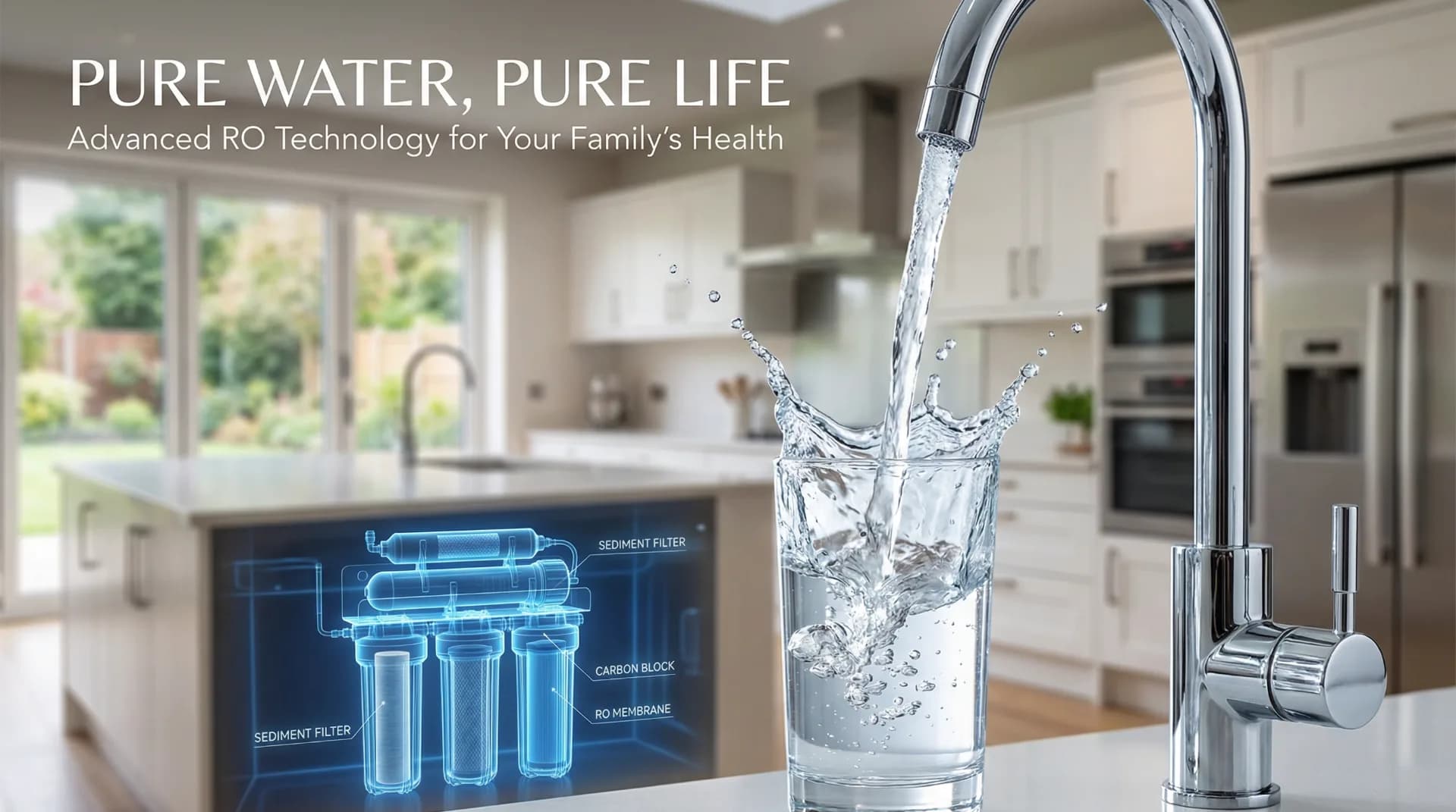
Access to safe drinking water remains one of the most critical health concerns for households across the globe. With increasing water contamination from industrial pollutants, agricultural runoff, and aging infrastructure, millions of families worry about the quality of water flowing from their taps. Traditional boiling methods, while helpful against some microorganisms, cannot eliminate dissolved salts, heavy metals, or chemical contaminants that pose serious health risks. This growing awareness has led to widespread adoption of advanced home filtration technologies that promise comprehensive protection.
The journey from contaminated tap water to crystal-clear drinking water involves sophisticated scientific principles working in perfect harmony. Unlike simple carbon filters or basic sediment filters, advanced purification systems employ multiple stages of filtration to address different types of contaminants. Each stage targets specific impurities, from visible particles to microscopic dissolved solids that escape the naked eye. Understanding these processes helps consumers make informed decisions about protecting their families from waterborne diseases and long-term health complications.
Modern households now have access to technology once reserved for industrial and commercial applications. These systems combine mechanical filtration, activated carbon adsorption, and membrane separation technologies to deliver water that meets stringent quality standards. The transformation happens silently beneath kitchen counters or mounted on walls, requiring minimal intervention while providing consistent results. However, the complexity of these systems often leaves users wondering exactly how their investment translates into safer hydration.
This comprehensive exploration reveals the intricate mechanisms that turn questionable tap water into pure, safe drinking water. By examining each filtration stage, understanding the science behind Buy water purifier, and recognizing the different approaches available, you will gain valuable insights into one of the most important appliances in your home. Whether considering a purchase or simply curious about the technology you already use, this guide illuminates the remarkable process that happens every time you fill your glass.
The Initial Filtration Stage: Removing Visible Contaminants
The purification journey begins with pre-filtration, where water first encounters a sediment filter designed to capture larger particles. This crucial first stage removes dust, dirt, sand, rust particles, and other suspended materials that commonly enter municipal water supplies through aging pipes. Without this initial screening, these particles would quickly clog subsequent filters and damage sensitive membranes. The sediment filter typically uses spun polypropylene or pleated materials with pore sizes ranging from five to twenty microns, effectively trapping particles while allowing water molecules to pass through.
This stage significantly extends the lifespan of downstream components by preventing abrasive particles from causing mechanical wear. Municipal water often carries iron oxide from corroded pipes, creating the characteristic brown or reddish tint many homeowners notice. The sediment barrier captures these particles, immediately improving water appearance. Additionally, this filter removes larger biological contaminants like certain parasites and cysts, though it cannot eliminate bacteria or viruses due to their microscopic size.
Carbon Filtration: Eliminating Chemical Contaminants and Odors
Following mechanical filtration, water passes through activated carbon filters that address chemical contaminants and taste issues. Activated carbon possesses an extraordinarily porous structure, with a single gram containing surface area equivalent to several football fields. This massive surface area creates countless binding sites where chemical molecules attach through adsorption. Chlorine, commonly added to municipal supplies for disinfection, readily binds to carbon surfaces, along with chloramines, pesticides, herbicides, and volatile organic compounds that create unpleasant tastes and odors.
The carbon stage proves essential for protecting downstream membranes from chlorine damage, which can degrade synthetic materials over time. Beyond protection, this filtration dramatically improves water palatability by removing the chemical taste many people associate with tap water. Some systems employ granular activated carbon, while others use compressed carbon blocks that provide superior contact time and filtration efficiency. This stage also captures certain heavy metals and reduces trihalomethanes, byproducts of chlorine disinfection linked to health concerns.
Membrane Technology: The Heart of Advanced Purification
The defining characteristic of advanced purification systems lies in semi-permeable technology that operates on molecular principles. These membranes contain microscopic pores measuring approximately 0.0001 microns, small enough to block dissolved salts, heavy metals, bacteria, viruses, and other contaminants while allowing pure water molecules to pass through. When pressure forces tap water against the membrane surface, pure water permeates through while contaminants remain concentrated on the feed side, eventually flushing away as reject water.
This process removes up to ninety-five percent of total dissolved solids, including harmful substances like arsenic, lead, mercury, fluoride, nitrates, and sulfates. The membrane effectively creates a molecular barrier that nothing larger than water molecules can penetrate, providing protection against contaminants that survive conventional treatment. Unlike chemical disinfection that leaves residues, membrane separation offers purely physical filtration without adding anything to the water.
The efficiency of membrane filtration depends on applied pressure, water temperature, and membrane condition. Higher pressure increases production rates, while warmer water permeates more easily than cold water. Over time, membranes accumulate scale and biofilm despite pre-filtration, necessitating periodic replacement to maintain performance. The reject water, carrying concentrated contaminants, drains away continuously during operation, typically using three to four times the volume of purified water produced.
Post-Filtration Enhancement and Mineralization
After passing through the primary membrane, purified water often undergoes additional polishing to optimize taste and quality. A final activated carbon stage removes any lingering tastes or odors that might have developed during storage in the holding tank. This post-filter ensures the water tastes fresh and pleasant, addressing any plastic or storage-related flavors that occasionally occur.
Some advanced systems incorporate remineralization cartridges that add beneficial minerals back into purified water. Since membrane filtration removes minerals along with contaminants, the resulting water lacks the calcium and magnesium that contribute to taste and potential health benefits. Mineralization filters introduce controlled amounts of these elements, creating balanced water that satisfies both safety and palatability requirements. This stage proves particularly important in regions where consumers prefer mineral content in their drinking water.
Storage and Dispensing: Maintaining Purity Until Use
Purified water collects in a pressurized storage tank, typically holding two to three gallons for residential systems. The tank uses a rubber bladder separated from an air chamber, creating pressure that pushes water to the dispensing faucet without requiring constant pump operation. This storage capacity ensures immediate availability during peak usage while allowing the system to operate during low-demand periods when membrane efficiency peaks.
The storage tank must maintain sanitary conditions to preserve water quality between production and consumption. Most tanks feature food-grade materials that resist bacterial growth, though periodic sanitization remains important for long-term hygiene. The dispensing faucet provides the final barrier between purification system and glass, with dedicated taps ensuring purified water never contacts potentially contaminated standard faucets.
Different Approaches to Home Water Purification
The market offers various technologies beyond traditional membrane systems, each with distinct advantages. Ultraviolet purification uses high-intensity light to destroy microorganisms by damaging their genetic material, preventing reproduction. These systems excel at eliminating bacteria and viruses without chemicals, though they cannot remove dissolved solids or chemical contaminants. Combining ultraviolet treatment with other filtration stages creates comprehensive protection.
Ultrafiltration employs membranes with larger pore sizes than traditional systems, removing bacteria, viruses, and suspended solids while allowing dissolved minerals to pass through. This technology preserves mineral content, appealing to those seeking microbial protection without demineralization. However, ultrafiltration cannot remove dissolved salts or heavy metals, limiting effectiveness against certain contaminants.
Gravity-based systems use activated carbon and sediment filters without electricity, relying on natural flow through filter media. These affordable options suit areas with intermittent power or lower contamination levels, though they lack the comprehensive removal capabilities of pressurized membrane systems. Each technology addresses specific water quality challenges, with selection depending on source water characteristics and household priorities.
Trusted Names in Water Purification Technology
Several manufacturers have established strong reputations for reliable water treatment solutions. Doctor Fresh offers specialized products and expertise in water quality management, while RO Care India and Mannubhai Service Expert provide professional installation and service support. Kent has built recognition for innovative features and compact designs suitable for modern kitchens. Aquaguard pioneered home purification adoption across many markets, establishing widespread trust.
Aquafresh focuses on affordability without compromising essential protection, making advanced filtration accessible to budget-conscious families. Pureit developed gravity-based and electric systems addressing diverse needs and infrastructure conditions. Blue Star leverages decades of consumer appliance experience to deliver reliable purification solutions. LG integrates water treatment technology with smart features and aesthetic designs that complement contemporary homes. Each brand contributes unique strengths to the market, offering consumers choices that match their specific requirements and preferences.
Maintenance Requirements for Sustained Performance
Effective purification demands regular maintenance to preserve filtration efficiency and water quality. Sediment and carbon filters require replacement every six to twelve months depending on source water quality and usage volume. Neglecting these replacements allows contaminants to bypass saturated filters, compromising protection. Membranes typically last two to three years with proper pre-filtration and periodic cleaning, though lifespan varies based on water hardness and total dissolved solids levels.
Storage tanks need annual sanitization to prevent bacterial colonization, accomplished through specialized cleaning solutions or diluted bleach followed by thorough rinsing. System flushing after extended periods of non-use prevents stagnant water concerns. Ro Service identifies potential issues before they compromise water quality, including checking pressure levels, inspecting tubing for leaks, and verifying proper reject water drainage.
Understanding Water Quality Testing and System Performance
Regular testing confirms purification systems deliver intended protection. Total dissolved solids meters provide quick assessments of membrane efficiency, with readings below fifty parts per million indicating proper operation. Sudden increases signal membrane degradation or bypass issues requiring attention. Comprehensive laboratory testing examines specific contaminants like bacteria counts, heavy metals, and chemical residues, offering detailed quality verification.
Flow rate monitoring identifies filter clogging or pressure problems, with diminishing output suggesting filter replacement needs. Unusual tastes or odors indicate carbon filter saturation or storage tank contamination. Understanding these performance indicators empowers users to maintain optimal water quality through timely interventions. Many modern systems include indicator lights or alerts that simplify monitoring, removing guesswork from maintenance scheduling.
Conclusion
The transformation of tap water into pure drinking water represents a sophisticated interplay of filtration technologies, each addressing specific contamination challenges. From initial sediment removal through advanced membrane separation to final polishing stages, multiple barriers work in concert to eliminate diverse threats to water safety. Understanding this comprehensive process illuminates why modern purification systems provide superior protection compared to simple filtration methods.
Investment in water purification technology delivers immediate health benefits while providing long-term peace of mind. The science behind these systems, while complex, translates into straightforward operation and maintenance accessible to any household. As water quality concerns continue growing globally, these technologies offer reliable solutions that transform questionable tap water into the safe drinking water every family deserves. Whether choosing between different technologies or maintaining an existing system, knowledge of these processes ensures you maximize your investment in health and safety.
FAQ
Q - How does membrane filtration differ from regular water filters in removing contaminants?
A - Membrane filtration uses semi-permeable barriers with microscopic pores measuring approximately 0.0001 microns, which block dissolved salts, heavy metals, bacteria, and viruses at the molecular level. Regular filters primarily remove larger particles, sediment, and some chemicals through mechanical screening and carbon adsorption. While basic filters improve taste and clarity, membrane technology provides comprehensive protection by eliminating up to 95% of total dissolved solids, including harmful substances like arsenic, lead, and fluoride that pass through conventional filters.
Q - Why do purification systems require multiple filtration stages instead of just one powerful filter?
A - Each filtration stage targets specific contaminant categories that require different removal mechanisms. Sediment filters capture larger particles that would otherwise clog delicate membranes, while activated carbon removes chlorine and chemicals that could damage downstream components. The membrane stage eliminates dissolved contaminants and microorganisms, and post-filters polish the final product for optimal taste. This multi-barrier approach extends component lifespan, ensures comprehensive contamination removal, and maintains consistent water quality that no single filter could achieve alone.
Q - How often should filters be replaced to maintain effective water purification?
A - Sediment and carbon filters typically require replacement every six to twelve months depending on source water quality and household consumption volume. Membranes generally last two to three years with proper maintenance and pre-filtration protection. Replacement schedules vary based on water hardness, total dissolved solids levels, and usage patterns. Monitoring flow rates, conducting periodic water quality tests, and watching for taste or odor changes help determine optimal replacement timing to ensure continuous protection against contaminants.
Q - What happens to the contaminants removed from tap water during the purification process?
A - Contaminants captured by sediment and carbon filters accumulate within the filter media until replacement. During membrane filtration, concentrated contaminants remain on the feed side of the membrane and continuously flush away as reject water that drains to the household wastewater system. This reject stream typically uses three to four times the volume of purified water produced, carrying away dissolved salts, heavy metals, and other substances that cannot pass through the membrane's microscopic pores, preventing buildup that would compromise filtration efficiency.