
RO Water Safety Guide: How to Test Water Quality & Purity at Home
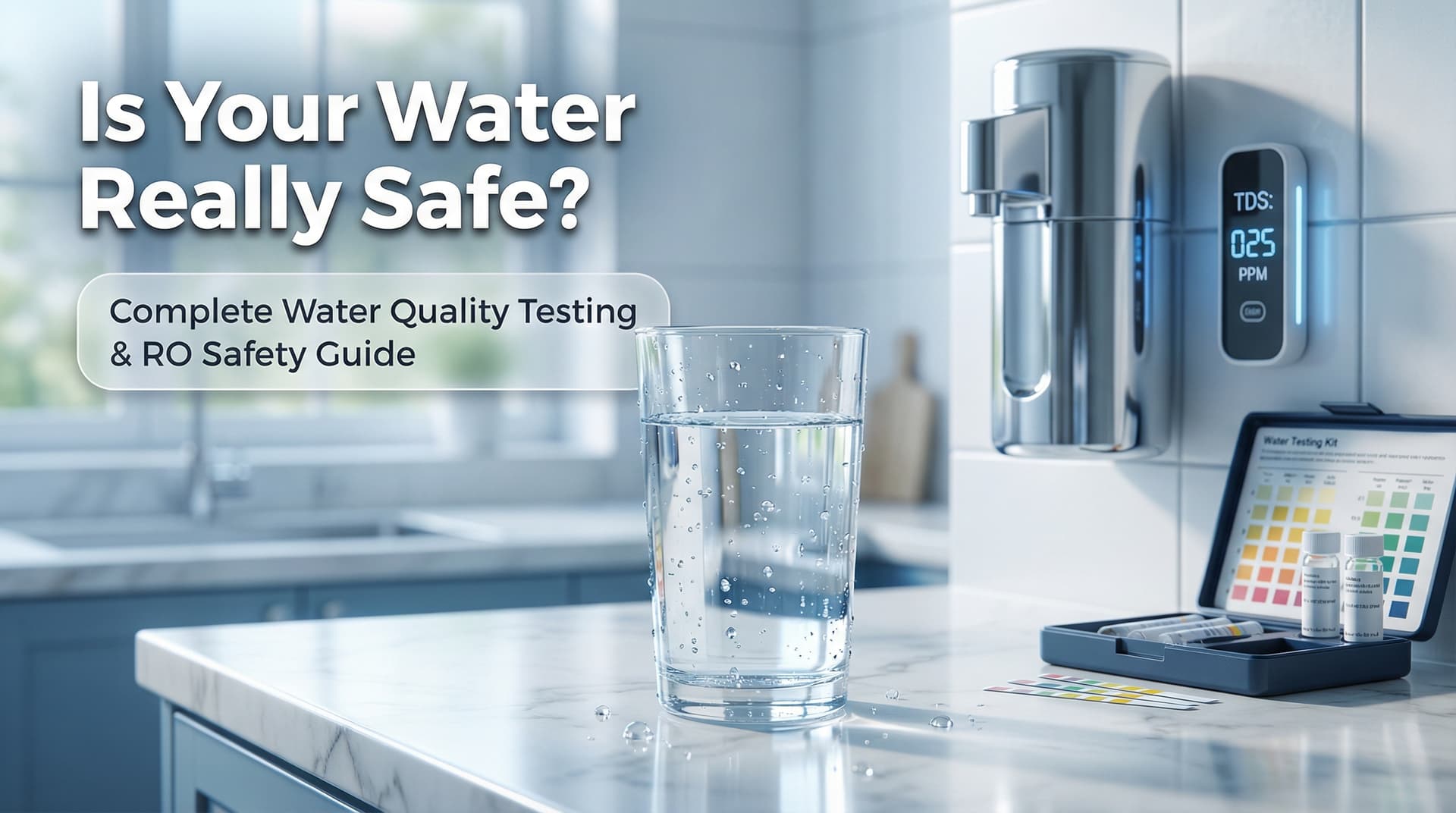
Understanding Drinking Water Safety: A Guide to RO Systems, TDS Testing, and Quality Assessment
Clean drinking water stands as one of the most fundamental requirements for human health and wellbeing. With increasing concerns about waterborne diseases and contamination, millions of households have turned to advanced water purification technologies to ensure their families consume safe, clean water. Among these technologies, reverse osmosis systems have gained tremendous popularity, yet questions about their safety, effectiveness, and impact on water quality continue to spark debate among consumers, health professionals, and environmental experts.
The quality of water we consume directly affects our health, immune function, and overall quality of life. Contaminated water can carry bacteria, viruses, heavy metals, pesticides, and various chemical pollutants that pose serious health risks. Understanding whether the water flowing from your tap or purification system meets safety standards requires knowledge of testing methods, purification technologies, and quality indicators. This comprehensive understanding empowers homeowners to make informed decisions about their drinking water sources and treatment options.
Many households invest in purification systems without fully understanding what makes water safe or how to properly maintain their equipment. The effectiveness of any water treatment system depends on regular maintenance, appropriate filter replacements, and periodic quality checks. Without proper care, even the most advanced purification technology can become ineffective or potentially introduce new problems into your drinking water supply.
This article explores the safety aspects of reverse osmosis purified water, examines comprehensive quality assessment methods, explains the significance of dissolved solids measurement, and provides guidance on maintaining purification systems through professional service options. Whether you're considering installing a purification system or evaluating your current setup, this information will help you understand the critical factors that determine drinking water safety and quality.
Understanding Reverse Osmosis Purification Technology
Reverse osmosis represents one of the most effective water purification methods available for residential use. This technology works by forcing water through a semipermeable membrane that filters out contaminants at the molecular level. The membrane contains tiny pores that allow water molecules to pass through while blocking larger molecules, including most dissolved solids, bacteria, viruses, heavy metals, and chemical contaminants. This process removes up to 90 to 95 percent of impurities, producing highly purified water.
The purification process typically involves multiple filtration stages before and after the reverse osmosis membrane. Pre-filters remove larger particles, sediment, and chlorine that could damage the membrane. The water then passes through the reverse osmosis membrane, where the most thorough purification occurs. Post-filters, often containing activated carbon, polish the water and improve its taste before it reaches your glass. This multi-stage approach ensures comprehensive removal of various contaminant categories.
Regarding safety, properly maintained reverse osmosis systems produce water that meets or exceeds safety standards established by health authorities. The technology effectively removes harmful contaminants including lead, arsenic, fluoride, nitrates, and various organic compounds. Studies have consistently shown that reverse osmosis purified water is safe for consumption and significantly reduces health risks associated with contaminated water sources. The purification process does not introduce harmful substances when the system functions correctly and receives proper maintenance.
However, reverse osmosis purification does remove beneficial minerals along with contaminants. The resulting water has very low mineral content, which has led to discussions about potential health implications. While some experts suggest that mineral-deficient water might affect long-term health, others argue that we obtain most essential minerals from food rather than water. Many modern systems include remineralization stages that add back beneficial minerals like calcium and magnesium, addressing this concern while maintaining high purification standards.
Comprehensive Water Quality Assessment Methods
Evaluating drinking water quality requires understanding various testing methods and what they reveal about potential health risks. Professional laboratory analysis provides the most comprehensive assessment, testing for dozens of contaminants including bacteria, heavy metals, pesticides, volatile organic compounds, and radiological elements. These tests typically require collecting water samples in sterile containers and sending them to certified laboratories. Results usually arrive within one to two weeks and provide detailed information about specific contaminant levels compared to safety standards.
Home testing kits offer a more convenient and affordable option for basic quality assessment. These kits typically test for common concerns such as bacteria, lead, pesticides, nitrates, chlorine, and pH levels. While not as comprehensive as laboratory analysis, home testing kits provide valuable information about primary safety concerns and can help identify when professional testing becomes necessary. Most kits include test strips or tablets that change color to indicate contaminant presence and concentration levels.
Another important assessment method involves sensory evaluation, which, while subjective, can reveal quality issues. Unusual tastes, odors, or visible particles indicate potential contamination problems requiring further investigation. Metallic tastes might suggest heavy metal presence, while chlorine odors indicate disinfectant residue from municipal treatment. Cloudy or colored water signals suspended particles or dissolved substances that require identification. Any noticeable change in your water's sensory characteristics warrants immediate testing.
Regular quality monitoring becomes especially important for households relying on private wells or living in areas with known water quality issues. Municipal water suppliers conduct routine testing and provide annual quality reports, but additional home testing offers extra assurance, particularly for vulnerable populations like infants, pregnant women, or immunocompromised individuals. Establishing a testing schedule, whether quarterly, annually, or based on specific events like flooding, helps maintain consistent awareness of your water's safety status.
Understanding Total Dissolved Solids and Their Significance
Total dissolved solids measurement quantifies all organic and inorganic substances dissolved in water, expressed in parts per million or milligrams per liter. These dissolved substances include minerals like calcium, magnesium, sodium, and potassium, as well as potential contaminants such as heavy metals, salts, and organic matter. Measuring dissolved solids provides valuable insight into overall water quality and helps assess purification system effectiveness, though it does not identify specific contaminants or directly indicate safety levels.
The measurement process is remarkably simple and affordable. Handheld digital meters, available for reasonable prices, provide instant dissolved solids readings. Users simply immerse the meter probe in a water sample, and the device displays the concentration within seconds. This convenience makes dissolved solids testing one of the most accessible quality monitoring methods available to homeowners. Regular measurements help track changes over time and verify purification system performance between professional service visits.
Generally, lower dissolved solids concentrations indicate purer water. Reverse osmosis systems typically reduce levels from several hundred parts per million to between 10 and 50 ppm. Municipal tap water usually measures between 50 and 500 ppm, while untreated groundwater might exceed 1000 ppm. The World Health Organization suggests that levels below 600 parts per million generally pose no health concerns, though lower concentrations often indicate better overall quality and taste.
However, dissolved solids measurements have limitations. The reading represents total dissolved substances without distinguishing beneficial minerals from harmful contaminants. Water with high mineral content from natural sources might show elevated readings while remaining perfectly safe, whereas water with lower readings could still contain dangerous contaminants like bacteria or specific chemicals. Therefore, dissolved solids testing should complement rather than replace comprehensive quality assessment methods that identify specific contaminants and actual safety risks.
Different Purification System Categories
Multiple purification technologies address different water quality concerns and contaminant categories. Reverse osmosis systems excel at removing dissolved solids, heavy metals, and various chemical contaminants through membrane filtration. These systems typically include multiple filtration stages and require professional installation with dedicated water lines. They produce high-quality purified water suitable for drinking and cooking, though they waste some water during the purification process and require regular membrane replacement.
Ultraviolet purification systems use UV light to destroy bacteria, viruses, and other microorganisms without adding chemicals or altering water chemistry. These systems work exceptionally well for biological contamination but do not remove dissolved solids, heavy metals, or chemical contaminants. Many households combine UV purification with other technologies like activated carbon filtration or reverse osmosis for comprehensive protection against multiple contaminant categories.
Activated carbon filtration removes chlorine, organic compounds, pesticides, and substances affecting taste and odor. These filters work through adsorption, where contaminants stick to the carbon surface as water passes through. Carbon filters improve taste and remove many chemical contaminants but prove less effective against dissolved minerals, heavy metals, or biological contaminants. They require regular replacement to maintain effectiveness, as saturated carbon loses its adsorption capacity.
Whole-house filtration systems treat all water entering your home rather than just drinking water. These systems typically combine multiple technologies to address various contaminants and protect plumbing fixtures, appliances, and all water outlets. While more expensive and complex than point-of-use systems, whole-house filtration ensures consistent quality throughout your home. The choice between different system types depends on your water source, specific contaminant concerns, budget, and household needs.
Trusted Water Purification Brands and Service Providers
Several established companies have built reputations for delivering reliable water purification solutions and comprehensive service support. Doctor Fresh has developed a strong presence in the water treatment sector, offering various purification technologies and emphasizing preventive maintenance programs. Their service network addresses installation, routine maintenance, and emergency repairs, helping customers maintain optimal system performance throughout equipment lifespan.
RO Care India specializes in reverse osmosis system servicing and maintenance across multiple brands. Their technicians receive training in various system configurations and replacement part sourcing, making them valuable resources for homeowners seeking independent service providers. They typically offer annual maintenance contracts that include filter replacements, membrane cleaning, and performance testing.
Mannubhai Service Expert operates in select regions providing multi-brand service capabilities for water purification equipment. Their comprehensive approach includes initial quality assessment, system recommendation, professional installation, and ongoing maintenance programs. They maintain parts inventory for common system brands, reducing service turnaround times when replacements become necessary.
Kent has established itself as a prominent purification system manufacturer offering various technologies including reverse osmosis, UV purification, and combined systems. Aquaguard, part of Eureka Forbes, provides extensive service networks and various purification solutions suitable for different water quality conditions. Aquafresh offers affordable purification options with widespread service availability. Pureit, developed by Hindustan Unilever, focuses on innovative purification technologies with minimal water wastage. Blue Star brings air conditioning expertise to water purification, offering reliable systems backed by established service infrastructure. LG leverages electronics manufacturing experience to produce advanced purification systems with smart monitoring features.
Locating Professional Purification System Services
Finding reliable maintenance and repair services for purification equipment involves several search strategies. Online directories and search engines help identify local service providers by entering your location and service requirements. Many providers maintain websites detailing their service areas, supported brands, typical service costs, and customer reviews. Reading recent customer feedback provides valuable insights into service quality, technician expertise, and pricing transparency.
Manufacturer service networks offer another reliable option, particularly for systems still under warranty. Most major brands maintain authorized service centers and technician networks trained specifically on their equipment. Contacting the manufacturer directly through customer service numbers or websites helps locate nearest authorized service providers. Authorized technicians typically have immediate access to genuine replacement parts and detailed service documentation, ensuring repairs meet manufacturer specifications.
Local water treatment specialists and plumbing companies often service purification systems alongside their core services. These providers bring general water system expertise and can address installation issues or plumbing modifications needed for optimal system performance. They may offer competitive pricing compared to manufacturer service networks, though verifying their specific experience with your system brand ensures competent service.
Word-of-mouth recommendations from neighbors, friends, or community social media groups frequently lead to trustworthy service providers. People who have positive experiences with technicians gladly share their recommendations, while negative experiences provide warnings about providers to avoid. Local community knowledge proves especially valuable in identifying responsive providers who show up punctually, communicate clearly, and charge fair prices for quality work.
Essential Maintenance Practices for Purification Systems
Regular maintenance determines whether purification systems continue delivering safe, clean water or gradually lose effectiveness. Filter replacement represents the most critical maintenance task, with replacement schedules varying by filter type and usage levels. Sediment and carbon pre-filters typically require replacement every six to twelve months, while reverse osmosis membranes last two to three years with proper care. Post-filters generally need changing every twelve months. Operating systems beyond recommended filter lifespans allows contaminants to pass through, defeating the purification purpose.
Sanitizing purification systems prevents bacterial growth inside storage tanks, tubing, and filter housings. Most manufacturers recommend annual sanitization using approved cleaning solutions that kill bacteria without damaging system components. The sanitization process typically involves disconnecting filters, circulating cleaning solution through the system, thoroughly rinsing, and reinstalling fresh filters. Professional service providers usually include sanitization in annual maintenance packages, ensuring proper procedure execution.
Monitoring system performance helps identify developing problems before they cause complete failures. Checking production rates, storage tank fill times, and dispensing flow rates reveals whether the system operates efficiently. Sudden changes in these performance indicators suggest membrane fouling, clogged filters, or pressure problems requiring attention. Regular dissolved solids testing on purified water confirms continued effectiveness and indicates when membrane replacement becomes necessary.
Checking for leaks around connections, tubing, and the storage tank prevents water damage and ensures system integrity. Small drips might seem insignificant but can lead to substantial water waste and potential structural damage over time. Tightening connections, replacing worn tubing, and maintaining proper drain line positioning prevents most leak problems. Any persistent leaking despite simple fixes indicates the need for professional evaluation and repair.
Health Considerations and Optimal Water Consumption
Drinking adequately purified water supports numerous health functions including nutrient transport, temperature regulation, joint lubrication, and waste elimination. Adults should consume approximately eight glasses daily, though individual needs vary based on activity levels, climate, and overall health status. Choosing properly purified water over questionable sources reduces exposure to contaminants that cause both immediate illness and long-term health problems.
For households with reverse osmosis systems producing mineral-depleted water, ensuring adequate mineral intake through diet becomes important. Consuming diverse whole foods including dairy products, leafy greens, nuts, and whole grains provides essential minerals that might be reduced in highly purified water. Some people choose to remineralize their purified water by adding mineral drops or installing remineralization filters that restore beneficial calcium and magnesium.
Special populations including infants, pregnant women, and immunocompromised individuals require particular attention to drinking water quality. These vulnerable groups face greater risks from waterborne contaminants and should consume only properly treated water from well-maintained systems. Parents preparing infant formula should use purified water with appropriate mineral content, as completely demineralized water might not provide optimal nutrition for developing babies.
Balancing water purity with mineral content represents the ideal approach for most households. Systems producing extremely pure water ensure safety from contaminants while dietary sources or remineralization provide necessary minerals. This balanced approach captures the health benefits of contaminant removal while avoiding potential concerns about long-term consumption of completely demineralized water.
Conclusion
Reverse osmosis purified water from properly maintained systems provides safe, clean drinking water that effectively removes harmful contaminants. Understanding quality assessment methods, including laboratory testing, home testing kits, and dissolved solids measurement, empowers homeowners to monitor their water safety effectively. Regular system maintenance through professional service providers or diligent personal care ensures continued purification effectiveness and prevents equipment failures.
Choosing appropriate purification technology depends on specific water quality issues, household needs, and budget considerations. Whether selecting reverse osmosis, UV purification, activated carbon filtration, or combination systems, matching technology to contaminant concerns produces optimal results. Established brands and reliable service providers offer necessary support for installation, maintenance, and repairs throughout equipment lifespan.
Safe drinking water requires ongoing attention rather than one-time solutions. Establishing regular testing schedules, following recommended maintenance procedures, and promptly addressing system problems maintains consistent water quality. These practices protect family health while maximizing purification system longevity and performance.
The investment in quality purification equipment and professional maintenance services pays dividends through improved health outcomes, peace of mind, and long-term cost savings compared to bottled water purchases or medical expenses from waterborne illnesses. Making informed decisions about water treatment technologies and committing to proper system care ensures your household enjoys safe, clean drinking water for years to come.
Frequently Asked Questions
Q - Is drinking water from a reverse osmosis system safe for daily consumption?
A - Yes, properly maintained reverse osmosis systems produce safe drinking water that meets or exceeds health authority standards. The technology effectively removes up to 95% of harmful contaminants including bacteria, viruses, heavy metals, and chemical pollutants. However, these systems also remove beneficial minerals, so ensuring adequate mineral intake through a balanced diet or using remineralization filters is recommended for optimal health outcomes.
Q - How often should I test my drinking water quality at home?
A - For households using municipal water supplies, annual testing is typically sufficient unless you notice changes in taste, odor, or appearance. Homes with private wells should test quarterly or semi-annually due to greater vulnerability to contamination. After significant events like flooding, nearby construction, or when vulnerable individuals like infants or pregnant women join the household, immediate testing is advisable regardless of your regular schedule.
Q - What does a high dissolved solids reading actually indicate about water safety?
A - A high dissolved solids reading indicates numerous substances are present in your water, but it doesn't specify whether they're harmful contaminants or beneficial minerals. Natural mineral-rich water may show elevated readings while remaining perfectly safe, whereas lower readings don't guarantee safety from all contaminants like bacteria or specific chemicals. Dissolved solids testing works best as a monitoring tool alongside comprehensive laboratory analysis that identifies specific substances.
Q - How frequently should purification system filters be replaced to maintain effectiveness?
A - Replacement schedules vary by filter type and water usage. Sediment and carbon pre-filters typically need replacement every six to twelve months, reverse osmosis membranes last two to three years, and post-filters require annual replacement. Operating beyond these recommended timeframes allows contaminants to pass through untreated, compromising water safety. Following manufacturer guidelines and monitoring system performance helps determine optimal replacement timing for your specific conditions.