
Complete Guide to Installing RO Water Purifier at Home
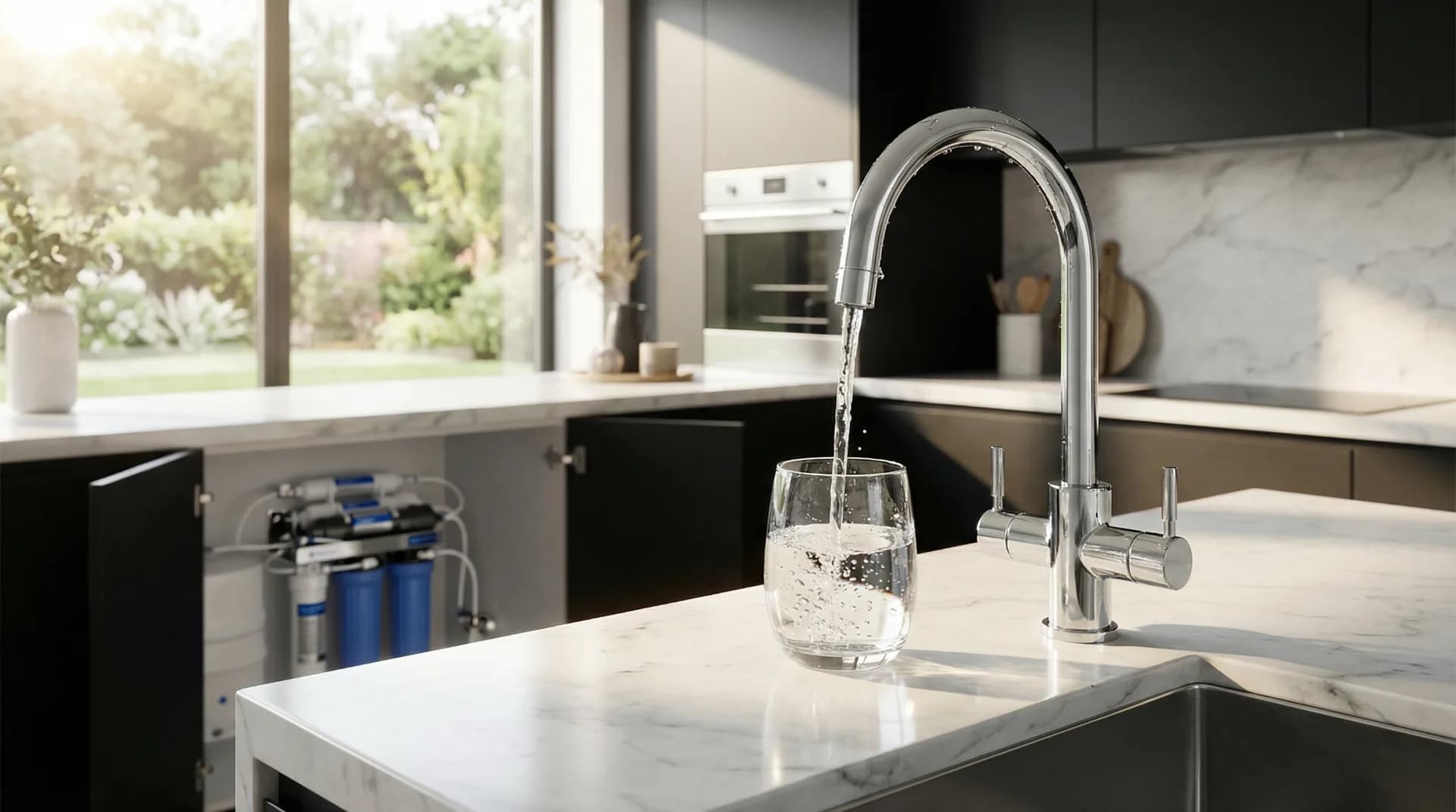
Clean Drinking Water: A Fundamental Household Need
Clean drinking water stands as one of the fundamental requirements for maintaining good health in modern households. With increasing concerns about water contamination, chemical pollutants, and biological impurities in municipal water supplies, families across the country are turning toward advanced filtration solutions. The reverse osmosis technology has emerged as a reliable method for removing up to 99% of dissolved solids, heavy metals, and harmful microorganisms from tap water. Understanding how to properly set up such a system empowers homeowners to take control of their water quality without always depending on professional assistance.
Many households hesitate to install water purification systems themselves, assuming the process requires specialized technical knowledge or expensive tools. However, with proper guidance and attention to detail, most home owners can successfully complete this project within a few hours. The key lies in understanding the fundamental components, following systematic procedures, and taking necessary precautions during each phase of setup. This comprehensive approach not only saves money on professional installation fees but also provides valuable knowledge for future maintenance and troubleshooting.
Before beginning any installation project, familiarizing yourself with the equipment components becomes essential. Modern water purification systems consist of multiple filtration stages, storage tanks, connecting tubes, mounting hardware, and various valves. Each component serves a specific purpose in the purification process, and understanding these functions helps prevent common mistakes during setup. The pre-filter removes sediment and larger particles, membrane cartridges perform the actual reverse osmosis filtration, post-filters polish the water for taste, and storage tanks hold purified water ready for use.
Planning the installation location requires careful consideration of several practical factors. The system needs proximity to both water supply lines and drainage facilities, adequate space for the unit and storage tank, protection from extreme temperatures, and accessibility for future filter replacements. Most home owners choose to install their systems beneath kitchen sinks, though basement installations or utility room setups work equally well depending on household layouts and preferences. Proper planning at this stage prevents frustration and potential reinstallation efforts later.
Gathering Essential Equipment and Materials
Success in any ro installation project begins with assembling all necessary tools and materials before starting work. Standard ro installation requires an adjustable wrench, screwdrivers (both flathead and Phillips), drill with appropriate bits, Teflon tape, bucket for catching water, towels, and the complete purification system kit. Most quality systems include detailed component lists, but verifying everything against the manual prevents mid-installation surprises. Additional items like a utility knife for cutting tubing, measuring tape for precise positioning, and pencil for marking drill points prove helpful throughout the process.
The water supply connection point deserves special attention during preparation. Locating the cold water line under the sink and ensuring adequate shutoff valve access allows for safe working conditions. Turning off the main water supply and releasing pressure by opening faucets prevents unexpected water spray when making connections. Having absorbent materials ready protects cabinet contents from accidental spills during this phase. Taking photographs of existing plumbing configurations before making any changes provides valuable reference points if questions arise during reassembly.
Quality tubing and fittings significantly impact system performance and longevity. Food-grade tubing resists bacterial growth and maintains water purity, while quick-connect fittings simplify installation and future maintenance. Checking all O-rings and gaskets for damage before installation prevents leaks that might not appear immediately but cause problems over time. Replacing any questionable components at this stage costs far less than dealing with water damage from failed connections later.
Systematic Installation Procedures
The actual installation process follows a logical sequence that builds upon each completed step. Beginning with mounting the main filtration unit to the cabinet wall provides a stable foundation for all subsequent connections. Using appropriate anchors for the cabinet material ensures secure mounting that supports the system's weight when filters become saturated with water. Leveling the unit during mounting prevents stress on connecting tubes and promotes even water distribution through filtration stages.
Connecting to the water supply represents a critical phase requiring precision and care. Installing a feed water adapter valve on the raw water line creates the necessary tap point for the system. This valve typically uses a saddle-style clamp that pierces the supply line, though some installations benefit from cutting the line and installing a tee fitting for more secure connections. Tightening connections firmly without over-torquing prevents damage to threads and ensures leak-free operation. Wrapping threaded connections with Teflon tape creates additional sealing that withstands water pressure fluctuations.
The drain connection allows waste water from the filtration process to exit safely without creating plumbing problems. Drilling a hole in the drainpipe above the trap and installing the drain saddle provides the necessary outlet point. Positioning this connection properly prevents backflow and ensures efficient waste removal. Some local plumbing codes have specific requirements for drain connections, so checking regulations before drilling protects against code violations that might require costly corrections.
Storage tank installation and connection complete the major plumbing work. Positioning the tank where it remains accessible yet out of the way balances practical concerns. Connecting the tank to the ro system using the provided tubing and checking the pre-charge air pressure ensures proper operation. Most tanks ship with appropriate pressure settings, but verifying this prevents poor water flow or inadequate storage capacity. The tank valve opens and closes automatically as purified water fills the reservoir and users draw water through the faucet.
Faucet Integration and Final Connections
Installing the dedicated dispensing faucet gives you access to purified water without affecting existing plumbing fixtures. Selecting an appropriate location on the sink or countertop considers both convenience and aesthetics. Drilling through stainless steel sinks requires sharp bits and steady pressure to prevent wandering or damage to the sink surface. Following manufacturer specifications for hole size ensures proper faucet mounting and prevents leaks around the base.
Threading the faucet tubing through the mounting hole and connecting it to the system output completes the water delivery pathway. These connections typically use color-coded tubes that simplify identifying the correct attachment points. Pushing tubes firmly into quick-connect fittings until they seat completely prevents disconnections under pressure. Testing each connection by gently pulling on the tube confirms proper engagement before proceeding.
Electrical connections apply only to systems with pumps, UV sterilizers, or electronic monitoring features. Following electrical safety protocols and manufacturer wiring diagrams ensures safe operation. Some advanced systems include automatic shutoff valves, leak detectors, or filter life monitors that require careful wiring to function properly. Using wire nuts rated for the application and securing wiring away from moving parts or sharp edges prevents electrical hazards.
System Testing and Commissioning
Once all connections are complete, systematic testing identifies any problems before the system enters regular service. Beginning by slowly opening the water supply valve allows pressure to build gradually while monitoring all connections for leaks. Having towels ready to address small drips enables quick responses that prevent water damage. Tightening any connections that show moisture prevents minor issues from becoming major problems.
Flushing the system removes manufacturing residues, carbon fines, and preservatives that protect components during storage and shipping. Following manufacturer guidelines for initial flushing duration ensures the system delivers clean, safe water from the start. This process typically involves running water through the system for specified periods, often 30 minutes to two hours depending on system design. Discarding this initial output prevents consuming water that contains harmless but undesirable materials from the manufacturing process.
Checking water quality after flushing confirms the system operates correctly. Testing for total dissolved solids using an inexpensive meter shows the filtration efficiency. Pure water should measure below 50 ppm, with many systems achieving readings below 20 ppm. Comparing this to the input water reading demonstrates the dramatic improvement the system provides. Taste testing the water confirms the absence of chlorine, metallic flavors, or other unpleasant characteristics common in untreated tap water.
Different System Configurations Available
Understanding various system designs helps homeowners choose and install the configuration that best meets their needs. Standard under-sink models represent the most common configuration, offering compact dimensions that fit most cabinet spaces. These typically include three to five filtration stages and storage tanks ranging from two to four gallons capacity. The self-contained design simplifies installation and maintenance while providing adequate daily water production for most families.
Countertop systems eliminate the need for permanent installation, making them ideal for renters or those wanting portable solutions. These connect temporarily to existing faucets and process water on demand without storage tanks. While convenient and easy to install, they typically have lower production capacity and may not achieve the same purity levels as under-sink systems with multiple filtration stages. Their visibility on countertops also impacts kitchen aesthetics, though this allows easy monitoring of system status.
Whole-house configurations treat all water entering the home rather than just drinking water. These larger systems install at the main water line and require professional installation in most cases due to their size, complexity, and plumbing code requirements. They protect appliances from scale buildup, provide treated water to all fixtures, and eliminate the need for point-of-use systems. However, they consume more water during filtration, cost significantly more than under-sink models, and require more extensive maintenance. These installations sometimes involve connecting to an Ro Plant for large-scale treatment.
Point-of-use systems treat water at specific locations beyond just drinking water. Installing systems at refrigerators, coffee makers, or bathroom sinks extends treatment benefits to these areas. These smaller systems often connect directly to appliances and may include specialized filters for particular applications. Understanding where treated water provides the most value helps determine which locations benefit from dedicated systems versus relying on containers filled from a primary filtration unit.
Industry Solutions and Service Providers
Several established companies manufacture reliable water treatment systems with proven track records. Doctor Fresh specializes in comprehensive water solutions designed for ease of use and consistent performance. RO Care India focuses on service support and replacement components that keep systems operating efficiently over many years. Mannubhai Service Expert provides technical expertise and installation support for various configurations. Kent produces user-friendly systems with innovative features that simplify operation and maintenance. Choosing local experts for installation or ongoing maintenance often complements DIY efforts and ensures long-term reliability through professional Ro Service.
Aquaguard offers extensive product lines ranging from basic filtration to advanced multi-stage systems with UV sterilization. Aquafresh designs systems emphasizing mineral retention that balances purity with beneficial element preservation. Pureit develops compact solutions using unique filtration technologies adapted to different water quality challenges. Blue Star combines water treatment with other home appliances in integrated packages. LG incorporates smart technology and monitoring features in their water treatment offerings.
Choosing among manufacturers involves comparing warranty coverage, local service availability, replacement part accessibility, and system features against your specific requirements. Reading verified customer reviews provides insights into long-term reliability and company responsiveness to problems. Considering total ownership costs including initial purchase, installation expenses, and ongoing filter replacements helps identify the best value rather than just the lowest initial price. When you decide to Buy water purifier, evaluate these factors carefully.
Ongoing Care and Performance Optimization
Regular maintenance preserves system performance and extends component life significantly beyond neglected units. Creating a filter replacement schedule based on manufacturer recommendations and actual water consumption prevents premature membrane failure and maintains water quality. Most pre-filters require replacement every six to twelve months, carbon filters annually, and membrane cartridges every two to three years depending on source water quality and daily usage volume.
Monitoring water production rates helps identify declining performance before complete failure occurs. Noticing longer tank refill times, reduced faucet flow, or changes in water taste signals the need for filter inspection and potential replacement. Addressing these indicators promptly prevents damage to downstream components and maintains water quality standards. Keeping records of filter changes and system performance creates useful reference information for optimizing the replacement schedule to your specific conditions.
Sanitizing the system annually prevents bacterial growth in storage tanks and distribution lines. Following manufacturer protocols for sanitization ensures effectiveness without damaging system components. This typically involves flushing with diluted sanitizing solution, allowing contact time for disinfection, and thoroughly rinsing before returning to normal operation. Some systems include automatic sanitization features that simplify this process, while others require manual procedures.
Checking connections periodically for signs of wear, corrosion, or loosening prevents unexpected leaks that cause water damage. Inspecting tubing for kinks, cracks, or discoloration identifies problems before they cause failures. Replacing questionable components during routine maintenance costs far less than emergency repairs and prevents water damage to cabinets and flooring. This proactive approach maximizes system reliability while minimizing total ownership costs over the system's lifespan.
Troubleshooting Common Performance Issues
Understanding typical problems and their solutions enables quick resolution without professional service calls. Low water pressure at the faucet often results from clogged filters, inadequate tank pressure, or kinked tubing. Systematically checking each potential cause identifies the actual problem efficiently. Replacing filters, adjusting tank pressure, or straightening tubing usually resolves these issues quickly and inexpensively.
Water quality decline despite recent filter changes suggests membrane damage, improper installation, or severely compromised source water. Testing at various points in the filtration chain isolates where contamination enters the treated water. Sometimes incorrectly seated filters allow bypass around rather than through filtration media, defeating the purification process. Removing and reinstalling filters according to proper procedures often resolves such problems.
Continuous drain water flow indicates a failed automatic shutoff valve that allows constant water passage through the system. This wastes significant water volumes and prevents proper tank filling. Replacing the shutoff valve typically requires only basic tools and takes minimal time once the problem is correctly diagnosed. Some systems include pressure switches that also affect shutoff operation and may require adjustment or replacement.
Strange tastes or odors in treated water signal exhausted carbon filters, bacterial growth in the system, or contaminated storage tanks. Identifying which component causes the problem directs corrective action effectively. Replacing carbon filters resolves most taste and odor issues quickly. Sanitizing the system addresses bacterial growth, while tank replacement becomes necessary if internal bladder contamination occurs. Never ignoring such symptoms protects household health and ensures the system fulfills its intended purpose.
Seasonal Considerations and Long-Term Planning
Temperature changes affect system performance and require seasonal adjustments. Freezing conditions damage membranes, crack housings, and rupture storage tanks, making winterization essential for systems in unheated spaces. Draining the system, adding non-toxic antifreeze rated for potable water systems, and protecting components from cold prevents costly freeze damage. Spring recommissioning involves flushing antifreeze, inspecting for damage, and replacing filters before returning to normal operation.
Summer heat increases bacterial growth rates and may affect plastic component integrity in extreme conditions. Ensuring adequate ventilation around the system prevents excessive heat buildup that accelerates component degradation. Higher summer water consumption may require more frequent filter changes to maintain performance standards. Monitoring system operation more closely during temperature extremes helps catch problems early before they cause significant damage.
Planning for eventual system replacement begins with installation. Keeping detailed records of the installation process, component specifications, and performance history provides valuable information for future decisions. Understanding how long various systems typically last under your conditions helps budget appropriately for eventual replacement. Most systems provide eight to fifteen years of service with proper care, though neglected units may fail much sooner.
Documenting modifications, upgrades, or repairs creates a comprehensive system history that increases property value and helps new owners understand the water treatment setup. This information proves particularly valuable when selling the home, as potential buyers appreciate knowing system details and maintenance history. Including such documentation in property disclosures demonstrates responsible homeownership and may influence purchase decisions favorably.
Maximizing Water Quality and System Efficiency
Optimizing source water quality before it enters the purification system extends component life and improves output quality. Installing sediment pre-filters on the main water line reduces the burden on system filters, allowing them to focus on chemical and biological contaminants. These whole-house sediment filters cost little, require infrequent maintenance, and significantly extend downstream component life.
Testing source water comprehensively identifies specific contaminants that may require specialized treatment. Standard reverse osmosis effectively removes most common contaminants, but certain chemicals or heavy metals may exceed system capacity or require additional treatment stages. Understanding your specific water challenges allows targeted solutions that address actual problems rather than assumed threats. Many local health departments offer free or low-cost water testing that provides this essential information.
Balancing purified water consumption with environmental impact involves considering waste water ratios. Standard systems discharge three to five gallons of waste for each gallon purified, though more efficient models reduce this ratio. Capturing waste water for non-potable uses like irrigation, car washing, or toilet flushing recovers this resource rather than simply discharging it. Creative reuse reduces environmental impact while maximizing the value extracted from each gallon of source water.
Educating household members about proper system use prevents damage from misuse and ensures everyone understands basic operation. Teaching children how the system works, why filter replacement matters, and what warning signs indicate problems creates informed users who help monitor performance. This shared responsibility distributes maintenance awareness beyond a single person and prevents neglect when that individual becomes unavailable.
Conclusion
Successfully installing a reverse osmosis water purification system at home provides families with reliable access to clean, safe drinking water while building valuable practical skills. The process requires careful planning, systematic execution, and attention to detail, but remains well within the capabilities of most homeowners willing to invest a few hours in the project. Understanding system components, following proper installation sequences, and conducting thorough testing ensures reliable operation from the start. Regular maintenance based on manufacturer recommendations and actual usage patterns preserves performance and extends system life significantly beyond neglected units. Recognizing when to troubleshoot problems yourself versus calling for professional assistance prevents minor issues from becoming major failures. The knowledge gained through personal installation empowers homeowners to make informed decisions about water quality, system upgrades, and maintenance priorities. This investment in understanding home water treatment technology pays dividends through years of improved water quality, reduced bottled water expenses, and the satisfaction of maintaining an essential household system independently. Taking control of drinking water quality represents a significant step toward self-sufficiency and environmental responsibility that benefits both individual households and broader communities committed to sustainable resource management.
FAQ
Q - How often should I replace the filters in my water purification system?
A - Filter replacement schedules vary by component and usage, but generally follow this pattern: pre-filters need changing every 6-12 months, carbon filters annually, and membrane cartridges every 2-3 years. Your actual replacement frequency depends on source water quality and daily consumption volume. Monitor water production rates and taste—longer tank refill times or flavor changes signal it's time for filter inspection. Keeping a maintenance log helps optimize your replacement schedule based on your specific conditions rather than relying solely on manufacturer estimates.
Q - Can I install a water purification system myself, or do I need professional help?
A - Most homeowners can successfully install an under-sink water purification system themselves with basic tools like adjustable wrenches, screwdrivers, and a drill. The process typically takes 2-4 hours and doesn't require specialized plumbing knowledge if you follow systematic procedures. However, whole-house configurations require professional installation due to their complexity and plumbing code requirements. If you're uncomfortable working with plumbing connections or your local codes mandate professional installation, hiring an expert ensures proper setup and may be required for warranty coverage.
Q - Why does my purified water taste different immediately after installation?
A - New systems contain manufacturing residues, carbon fines, and storage preservatives that affect taste until properly flushed. Running water through the system for 30 minutes to 2 hours (following manufacturer guidelines) removes these harmless materials. If unusual taste persists after flushing, check that all filters are correctly seated—improperly installed filters allow water to bypass filtration media. Also verify you're using the cold water line, as warm water affects filtration efficiency and taste. Contact the manufacturer if taste issues continue after proper flushing and filter verification.
Q - How much water is wasted during the filtration process?
A - Standard systems discharge 3-5 gallons of waste water for each gallon of purified water produced, though more efficient models reduce this ratio. This waste water isn't contaminated—it simply contains concentrated minerals and contaminants removed during filtration. You can reduce environmental impact by capturing this discharge water for non-drinking purposes like watering plants, washing cars, or flushing toilets. Some households install collection systems that automatically redirect waste water to irrigation systems, maximizing resource utilization while maintaining purification effectiveness.
FAQ: Reverse Osmosis System Installation
Q - How long does it take to install a reverse osmosis system at home?
A - Most homeowners can complete a standard under-sink reverse osmosis installation within 2-4 hours. The timeline depends on your plumbing configuration, cabinet accessibility, and prior DIY experience. First-time installers should allocate extra time for familiarizing themselves with components and double-checking connections. Systems requiring modifications to existing plumbing or those with additional features like booster pumps may take longer.
Q - What are the most common mistakes during reverse osmosis installation?
A - The most frequent errors include over-tightening fittings that damage threads or O-rings, forgetting to flush the system before use, incorrectly positioning the drain saddle below the P-trap creating backflow risks, and failing to verify proper tube insertion into quick-connect fittings. Many installers also neglect checking storage tank air pressure, which affects water flow and system efficiency. Taking time to carefully follow instructions and verify each connection prevents these issues.
Q - Do I need a plumber to install a reverse osmosis water purifier?
A - Professional installation is not required for most under-sink reverse osmosis systems. Homeowners with basic DIY skills and standard tools can successfully complete installation by following manufacturer instructions carefully. However, you should consider professional help if local plumbing codes require licensed work, your plumbing configuration is non-standard, you're uncomfortable working with water connections, or you're installing a whole-house system requiring main line modifications.
Q - How often should I replace filters in my reverse osmosis system?
A - Sediment and carbon pre-filters typically require replacement every 6-12 months depending on source water quality and daily usage. The reverse osmosis membrane lasts 2-3 years under normal conditions, while post-carbon filters need annual replacement. Water hardness, sediment levels, and consumption volume affect these timelines. Monitoring water taste, flow rate, and production time helps identify when filters need changing before performance significantly declines.
Discover additional water quality improvement strategies, compare different purification technologies, and access maintenance checklists that help you maximize your system's lifespan and performance for years to come.